

Pricing and availability
We compare 600+ stores and found this item at 1 store. Prices updated .
Store
Reviews
Price




Average Price: $1,800
High-end/Boutique
$100
$501+
Price Tier
Budget
Standard
High-end
* Product prices and availability are updated by Equipboard every 24hrs and are subject to change. Equipboard may receive compensation for purchases made at participating retailers linked on this site. This compensation does not affect what products or prices are displayed, or the order of prices listed. For more information, please refer to our affiliate disclosure.
Description
The Lexicon PCM 42 is a classic effects processor that has been a staple in studios since its debut. Known for its proprietary delay algorithms, this unit delivers rich and warm echo effects that have been used by professional musicians and producers worldwide. Its intuitive interface allows for seamless integration into any studio setup, making it a versatile tool for both live performances and studio recordings.
This effects processor features a digital delay with modulation control, offering users the ability to create lush, evolving soundscapes. The PCM 42 is celebrated for its high-fidelity audio processing, which ensures pristine sound quality that enhances any musical production. Whether you're looking to add depth to vocals or texture to instruments, the PCM 42 provides the flexibility needed to elevate your sound.
A true testament to its enduring design, the Lexicon PCM 42 continues to be revered for its robust build and reliable performance. It remains a favorite among sound engineers and musicians alike, blending seamlessly with modern and vintage gear.
Key Features:
- Proprietary digital delay algorithms
- Modulation control for dynamic effects
- High-fidelity audio processing
- Suitable for live and studio use
- Intuitive interface for easy operation
- Renowned for robustness and reliability
Product specs
| Brand | Lexicon |
| Model | PCM 42 Digital Delay Processor |
| Finish | Blue |
| Year | 1980s |
| Made In | United States |
| Categories | Delay |
FAQs
-
What kind of delay does the Lexicon PCM 42 provide?
-
The Lexicon PCM 42 offers a digital delay with a warm, analog-like sound, known for its rich and musical character, making it ideal for studio recording and live performance.
-
How does the Lexicon PCM 42 differ from other delay processors?
-
The PCM 42 is renowned for its modulation capabilities and the ability to create lush, tape-like delays, setting it apart from other digital delay units.
-
Is the Lexicon PCM 42 suitable for live performances?
-
Yes, the Lexicon PCM 42 is well-suited for live performances due to its robust design and intuitive control layout, allowing for easy adjustments in real-time.
-
Can the Lexicon PCM 42 be used in a modern digital studio setup?
-
The PCM 42 can be integrated into modern digital studio setups with appropriate analog-to-digital conversion, offering a unique delay character that complements digital environments.
-
What are the main controls available on the Lexicon PCM 42?
-
The Lexicon PCM 42 features controls for delay time, feedback, modulation depth, and modulation rate, allowing for detailed manipulation of the delay effect.
Videos

Urban Recording Company
Lexicon PCM 42 Classic Delay Overview by Little Fish Audio
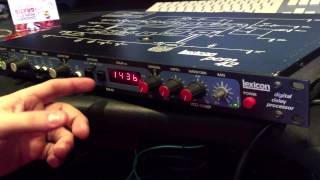
Lexicon PCM 42 Classic Delay Overview by Little Fish Audio
Urban Recording Company
PCM42 - Lexicon's EPIC Digital Delay Processor

Ken Marshall
Lexicon PCM 42 vs Valhalla Delay Plug

arnaud houpert
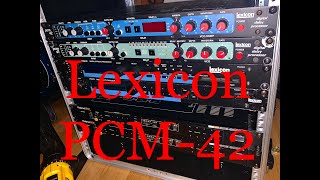
Lexicon PCM-42 Digital Delay Lead Guitar Magic

Clifton Wright
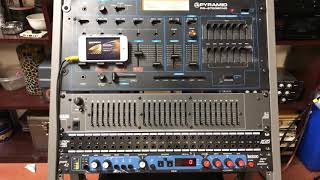
Lexicon digital delay processor pcm 42

Dusty Records & Turntables
Reviews
PROS
-
Blends well with the source, enhancing audio quality
-
Offers precision control over delay sounds
-
Eliminates unwanted distortion common with some pedals
-
Features fun options like modulation for creative soundscapes
-
Historically used by renowned artists, indicating professional-grade performance
-
Provides a distinctive experience compared to ordinary effects pedals
CONS
-
High current prices often not justified by the performance
-
Limiter trick, often hyped, can be overrated and unreliable
-
Older units can deteriorate, affecting reliability and performance
-
Better value alternatives available at similar or lower price points
-
Market inflated by speculative reselling, driving up prices unnecessarily
Owner Insights
We analyzed real musician discussions from forums and Reddit to find what players love, question, and tweak about Lexicon PCM 42.
Comparisons
-
Soundtoys Primal Tap is based on Lexicon Prime Time and not PCM 41, offering a different character. Primal Tap struggles with PCM 41's unique repeat function.
Source
Features and functionality
-
PCM 41 is known for its gritty, dark sound, which some users seek to replicate with plugins featuring lofi and analog modes.
Source
Software and compatibility
-
ValhallaDelay is praised for affordability but lacks the PCM 41's variable readout speed technology.
Source
Value and pricing
-
Priced high now, PCM 41 was more accessible between 2017-2019, making it a rare find for collectors today.
Source
Critic Reviews
5.0 out of 5
Based on 0 Reviews and 7 Ratings
Artist usage
Add artist


"while on another occasion he (Trent Reznor) got so carried away that he sheared the knobs off some [Lexicon] PCM42s. There were three PCM42s in a row and he took the feedback and modulation knobs off every one of them. I was thinking, 'Fuck!'"


Mentioned by mixing engineer Michael Brauer as being used on "Violet Hill" in this Sound on Sound interview about the production of Viva la Vida & Death and All of His Friends.
Guitars: EMI Chandler TG1, Lexicon PCM42, API 525, API 5502, Roland Dimension D SDD320, Watkins Copicat
"Normally I send each side of a stereo guitar to my EMI Chandler TG1 panned left and right and coming back on the console, but I didn't in this case, so I must have felt that it sounded bad. It might have taken away from the tightness of the guitars. They had already recorded it very tightly. So instead I didn't add anything to their stereo chorus verse guitar. I also had a mono verse guitar, which I sent to a PCM42 delay set at 224ms and panned to the opposite side, and every time the guitar strums it goes over to the right. On the acoustic guitar I did what I normally do, which is to send it through my acoustic patch, an API 525 going into an API 5502. That's a great combo and I have been using that for years. It makes the acoustic guitar very natural and full and gives it great presence without it sounding processed. In this song it's not very evident, because the acoustic guitar isn't very important, but, for example, on Parachutes the acoustic is very important, and I used the patch back then. There was no insert on the solo guitar. I did have a Dimension D SDD320 chorus on it, which spreads the sound naturally, and which went to a Watkins Copicat Echo unit with a fairly short delay. Otherwise it's totally dry, no reverb, hardly any EQ. Again, it was so well recorded that it didn't need a lot of work."


One of the primary reverb units used on the recording of Toro Y Moi's "Anything in Return" album was the Lexicon PCM 42 Digital Delay Processor.

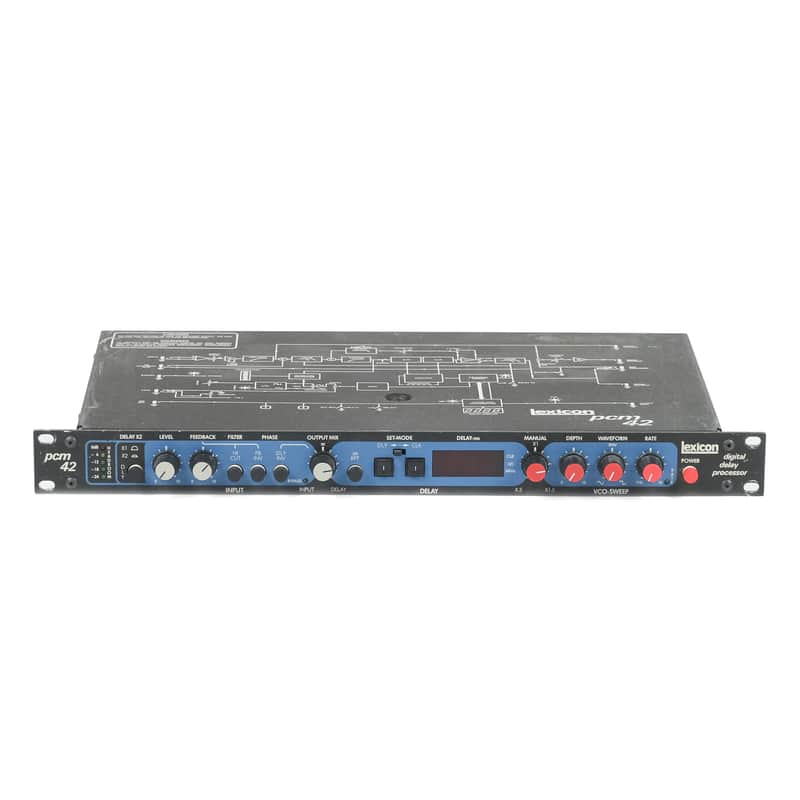
This Lexicon PCM 42 is owned by Deryck Whibley Of Sum 41


Used for the guitar loop and lead vocals on "Makes Me Wonder", as stated by mix engineer Mark Endert in this September 2007 Sound on Sound interview.
"I realised that there was one guitar part that worked particularly well with the bass and drums. It was played by Adam and had a clean Telecaster sound, and so I looped that through the track." (...) “Upon determining that Adam’s clean Tele part worked the best with the drums and bass, it was looped so that it did the same thing throughout the whole track. It sounded great being mixed loudly. When I have a loop like that without change, they way I can achieve contour is by changing the amounts of effects. So at the beginning of the song there are minimal effects on the guitar loop, then when it hits the first verse there are more delays, when it hits the chorus there is chorusing and delay and reverb on it — these are all outboard effects: PCM42s, AMS 1580S, and Eventide Orville. All the delays from the Lexicon PCM42 were timed, everything from eighth to dotted eighth to 16th notes. I love delays far more than reverb and I have eight discrete delays — five PCM42s and three Roland SDE3000s — and they are in use on every mix. In the verses it’s more like a 16th slap feel, and when it gets to the choruses, I harmonised with an AMS 1580S, pitch–changing and fattening the guitars. You can get a lot of contour out of a track that lacks dynamics just by changing the acoustic space around it."
(...) Lead vocal: Waves De–esser, Sony Oxford EQ, Tube–Tech CL1B, Lexicon PCM42, Lexicon 480L
“I love using digital de–essing on the lead vocals. On about every track I mix, the first plug–in insert is probably the Waves De–esser. From there I will do fine–tuning with the EQ. If there’s a narrow band that I want to eliminate or boost, I often use the Sony Oxford EQ immediately after the de–esser. In this case I boosted a little bit around 300Hz, made a small cut around 2500Hz and rolled off some extreme high end. I really like the Oxford EQ for pinpointing frequencies, but as far as sonic shaping is concerned, I prefer the outboard, like the SSL EQ, the GML, or my Neve 1073 modules. You are never going to pinpoint a perfect frequency on a three–band Neve EQ.
“After being treated with the De–Esser and the Oxford EQ, the lead vocals came to the SSL desk, on which I also used EQ, and inserted a compressor. In this case it was a Tube–Tech CL1B, set to a ratio of 5:1. For some reason I like 5:1 on vocals. I added delays on the lead vocals in the choruses — PCM42, eighth note or something like that — and there’s a reverb, most likely a 480L, set to a short reverb time.”
.jpg?v=1784563515)

Used for the lead vocals on "Angel Dance", as stated by tracking and mixing engineer in this Mike Poole in this December 2010 Sound on Sound article.
Vocals: Urei 1178, API 550, LT Sound CLX, Roland SRV2000 & RE501, AMS RMX16, TC Electronic D•Two.
"I had the Urei 1178 compressor and the API 550 EQ on Robert's vocal, along with a parallel channel that was even more compressed. So any time he hit a low note that sounded a little muddy and needed some more clarity, I pushed up the parallel channel. There's also an effects send channel with the LT Sound CLX on it, which is a Dbx VCA compressor with a good de?esser in it, and that was used as the send to any effects devices. As a side note, all the little slices you see on the screenshot were not performance edits, but mostly me trying to get the sibilance right. I often take out little clicks and pops and also 'esses' or 'effs' out manually. A de?esser will hit everything in a technical?sounding way, and sometimes you may want to retain the emotive way a certain 'ess' or 'eff' is expressed, but only precisely change the gain, just to correct recording artifacts. 'Angel Dance' is one of the few tracks on which Robert's scratch [tracking] vocal didn't make up the largest component of the final vocal track. On this song, he re?sang the vocals later, and I think he did two passes and we used mostly one, with a few lines from the other pass thrown in. For reverb on his vocals, I used the SRV2000 long reverb and a little bit of RMX16; for delay, either the D•Two or an RE501. I used very little reverb on the tracks on the album in general, apart from on Robert's vocals and the backing vocals. The other ambience you hear may have been a long delay from the 501 or PCM42 or any of the room mics.”


At 34:11, cEvin Key and Nardwuar talk about the use of the Lexicon PCM-41 by cEvin and in Skinny Puppy's music.


Warren described his live rig his Guitar World interview, April 1987: "The output of [Marshall 100-watt amplifier's] preamp section goes into a control board for the effects I’m using, which are a Lexicon PCM-41 delay, a PCM-42 delay, and the Yamaha SPX90."
In 1987 Ratt only seemed to have custom-made midi or relay switchers on stage instead of pedalboards. As you can see, Warren and Robbin had some similarities in their rigs, with PCM 42 being one of them.


In this interview with Guitar World magazine, Lanois states that he'll sometimes run his pre-recorded tracks/loops rig through a couple of delay units. "I do these Jamaican triplet echoes with a Lexicon PCM 42 or Prime Time 2," he states.


"Eventually I switched from the Echoplex to a Lexicon PCM 42, but these days I use a Korg A3—it’s my favorite effects unit. In fact, I’ve got five of them."

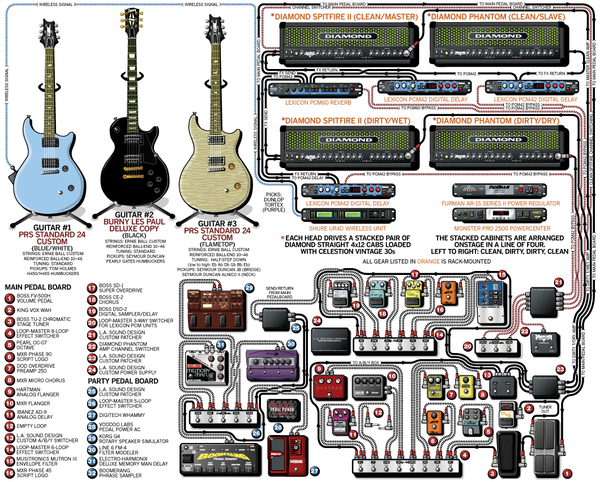
This detailed gear diagram of Tim Mahoney's 311 stage setup includes a Lexicon PCM 42.
Album Usage
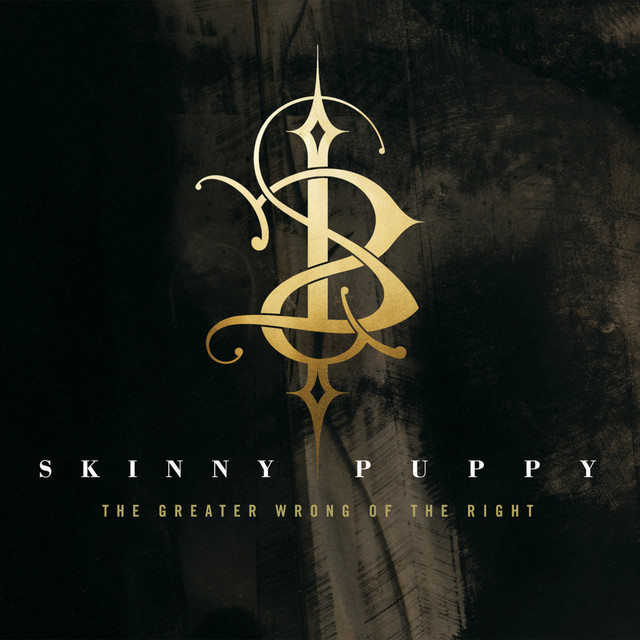
The Lexicon PCM 42 has been featured on the following albums:






Genre Usage
Based on how artists on Equipboard use this gear, it is most commonly found in the following genres.
Used With
Based on how musicians on Equipboard use Lexicon PCM 42, it is most commonly used with the following gear.

-s.webp?v=1784556066)
-s.webp?v=1784556060)


More Lexicon Effects Processors

$894.83 - $1,799.95
in Effects Processors Rank


$163.65
in Effects Processors Rank


$66.00
in Effects Processors Rank


in Effects Processors Rank


$3,411.45
in Effects Processors Rank


$226.69 - $1,016.83
in Effects Processors Rank


-m.webp?v=1784333964)


-m.webp?v=1784387206)


-m.webp?v=1784386698)


$1,093.69 - $4,120.00


Accessories & Related Items

-s.webp?v=1784333964)
-s.webp?v=1784386611)

-s.webp?v=1784332115)

Community setups


Similar


Most Popular Effects Processors
Most Popular Brands
-
Added to Equipboard on by
 equipboard
GearIQ 4934
-


