
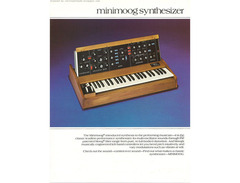

Pricing and availability
We compare 600+ stores and found this item at 1 store. Prices updated .
Store
Reviews
Price




Average Price: $5,921
High-end/Boutique
$500
$1501+
Price Tier
Budget
Standard
High-end
* Product prices and availability are updated by Equipboard every 24hrs and are subject to change. Equipboard may receive compensation for purchases made at participating retailers linked on this site. This compensation does not affect what products or prices are displayed, or the order of prices listed. For more information, please refer to our affiliate disclosure.
Description
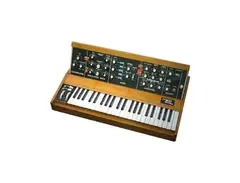
Step into a world where vintage charm meets timeless sound with the 1971 MiniMoog Model D. A true pioneer in the realm of synthesizers, this iconic instrument is celebrated for its unparalleled warmth and analog richness. Designed for both seasoned professionals and enthusiastic beginners, it offers an intuitive interface that unlocks endless sonic possibilities. The three distinct oscillators provide a depth and versatility to your music, making the 1971 MiniMoog Model D as relevant today as it was at its inception. Whether you're crafting the next chart-topping hit or exploring new soundscapes, this synthesizer stands as a testament to innovation and musical excellence.
Key Features:
- Monophonic analog synthesizer, perfect for lead and bass lines
- Three original oscillators offering unique sound possibilities
- One oscillator doubles as an LFO for added sonic texture
- Intuitive use with minimal setup, suitable for all skill levels
- Preserves the vintage sound and design of the '70s era
Product specs
| Brand | Moog |
| Model | Minimoog Model D 44-Key Monophonic Synthesizer |
| Finish | Black / Wood |
| Year | 1971 - 1982 |
| Made In | United States |
| Categories | Analog Synths, Keyboard Synths |
| Analog / Digital | Analog |
| Key Size | Full Size |
| Keyboard Action | Synth Action |
| Number of Keys | 44 Keys |
| Polyphony | 1 Voice |
FAQs
-
Is the 1971 MiniMoog Model D synthesizer monophonic or polyphonic?
-
The 1971 MiniMoog Model D is a monophonic synthesizer, meaning it can play only one note at a time.
-
What are the standout features of the 1971 MiniMoog Model D's sound engine?
-
The 1971 MiniMoog Model D is renowned for its rich, warm analog sound, featuring three voltage-controlled oscillators and a classic Moog filter that provides a distinctive, powerful sound.
-
How many keys does the 1971 MiniMoog Model D have, and what is their size?
-
The 1971 MiniMoog Model D features a 44-key full-size keyboard with synth action, providing a traditional playing experience.
-
What type of synthesis does the 1971 MiniMoog Model D use?
-
The 1971 MiniMoog Model D uses analog synthesis, which is known for its warm and organic sound characteristics.
-
What is the primary use of the 1971 MiniMoog Model D synthesizer?
-
The 1971 MiniMoog Model D is primarily used for creating classic analog synth sounds, making it ideal for genres like rock, jazz, and electronic music.
Videos

Let's Hear It!
Adam MacDougall (Circles Around the Sun) Plays A 1971 Mini Moog D & More | Let's Hear It
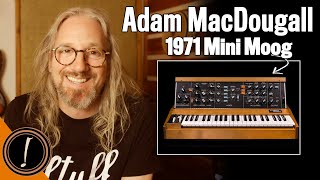
Adam MacDougall (Circles Around the Sun) Plays A 1971 Mini Moog D & More | Let's Hear It
Let's Hear It!
Reviews
PROS
-
Exceptional warm tone, especially with early models
-
Unique analog-FM style leads and texture creation
-
Iconic filter sound with smooth high resonance settings
-
Immediate control with dedicated knobs and switches
-
Can produce incredibly fat bass and penetrating sounds
-
Generates unique sounds due to analog circuitry variability
-
Valuable for learning analog subtractive synthesis
-
Appreciates in value over time
-
Compatible with various CV accessories for extended functionality
CONS
-
High resonance settings result in lost bass
-
Lacks modern features like dedicated LFO, sub oscillator, and aftertouch found in other vintage Moogs
-
Stability and tuning can be affected by temperature and power fluctuations
-
Other vintage Moogs may offer better value and more modulation routing options
Owner Insights
We analyzed real musician discussions from forums and Reddit to find what players love, question, and tweak about Moog MiniMoog Model D (1971-1982).
User experience
-
The Model D's larger knobs make sound adjustments more intuitive and are preferred by some over more compact designs.
Source -
Owners run CV from Moog One into the Model D to utilize advanced modulation sources, enhancing the Model D's sonic possibilities.
Source -
Original sealed pots from this era can be problematic as the circuit design was changed soon after, impacting tuning stability.
Source
Other
-
There is a noted absence of LFO re-trigger on the Model D, which some users desire for more versatile sound shaping.
Source
Use cases and applications
Features and functionality
-
The Model D's pitch wheel originally lacked a spring, a surprising omission for some, though later reissues have addressed this.
Source -
The Model D reissue has modern enhancements like LFO/MIDI/Aftertouch, improving usability while maintaining vintage sound quality.
Source -
The early RA MiniMoogs are known for their distinctive sound, which many consider the "holy grail" of synthesizers.
Source
Build quality
-
Model D's build quality is likened to mid-Century furniture, contrasting with the Odyssey's space-age aesthetic, emphasizing its solid, vintage appeal.
Source -
The early 1971 MiniMoog Model D features the R.A. Moog faceplate and unique white and red rocker switches, differing from later models' blue and red switches.
Source
Comparisons
-
The Moog One has a 6 dB roll off starting at 1.5k, while the Model D rolls off gently starting at 5k, affecting their tonal brightness differently.
Source -
The Behringer Model D offers 95% of the sound and 100% of the features of the reissue but lacks the same tactile feel.
Source -
Owners find the Model D reissue's sound close to the vintage model, with the reissue offering better playability.
Source
Value and pricing
-
Some owners feel the Model D's price is justified by its longevity and build quality compared to cheaper alternatives.
Source
Mods and upgrades
-
Vintage models may have clear modulation wheels, a feature highly praised by owners for its aesthetic appeal compared to solid wheels.
Source
5.0 out of 5
Based on 1 Review and 4 Ratings

492
my "first" Synth
Der Minimoog ist mein erster Synthesizer. Fettester Sound nach wie vor. Das Teil ist in der Lage, je nach Temperatur und Stromschwankungen u.a. Obertöne zu erzeugen, die immer wieder anders sind und man meint, dass er irgendwie "singt". Die Bässe können unglaublich fett und durchsetzungsfähig sein. Er eignet sich auch sehr gut für analoge "rauschige" Effekte mit Modulationen typisch analoger Art. Es wurde immer wieder versucht ihn mit Software zu klonen und ich denke, dass ich aktuell auch fast alles ausprobiert habe. Einiges ist sicher auch sehr gut (Creamware Minimax ASB, NI Monark, The Legend, Arturia Minimoog V, Gforce Minimonsta, aber wirklich erreichen geht nicht, auch wenn es dort andere nicht zu unterschätzende Vorteile gibt, da die Schaltkreise durch besagte Stromschwankungen und Temperaturunterschiede beeinflusst werden und sich dadurch der Klang immer wieder etwas verändert und das auf eine organische schön und weich klingende Art, die bislang so wohl nicht durch Software emuliert werden kann. Live stellt das sogar ein großes Risiko dar. Es kann vorkommen, dass er sich total verstimmt. Ist er in tune, klingt er unglaublich gut und kann ausdruckstark gespielt und eingesetzt werden. Der Synth ist auch sehr gut für Anfänger geeignet, das sich durch Herumspielen mit den Knöpfen die Funktionalität der analogen subtraktiven Synthese auf einfachster Ebene gut erschließen lässt. Der Synthesizer steigt ständig in seinem Wert. Momentan liegt er auch in der Hinsicht immer noch mit Abstand unerreicht an der Spitze meines Equipments. Ich habe damals in DM Zeiten 1500 DM dafür gebraucht gegeben. In einigen Ebay Auktionen habe ich ihn bereits für über 10.000 Dollar gesehen. Wer weiß, wo der Preis in Zukunft noch hingeht.
Artist usage
Add artist

In the video titled "INSIDE: Charlie Puth Home Studio" by Caleb Simpson on YouTube, a 1973 Moog Minimoog Model D analog synthesizer is visible to the left of Charlie Puth at the beginning of the video (0:00) and is demonstrated by him later at 7:54.


Genre Usage
Based on how artists on Equipboard use this gear, it is most commonly found in the following genres.
Used With
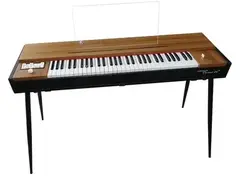
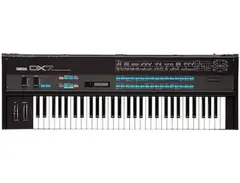
Based on how musicians on Equipboard use Moog MiniMoog Model D (1971-1982), it is most commonly used with the following gear.



-s.webp?v=1784818721)


Similar
Add recommendation1 alternative for Moog MiniMoog Model D (1971-1982), curated by the Equipboard community.

$3,999.00 - $5,199.00
The current, reissue version of the MiniMoog Model D.
More Moog Synthesizers

$999.00 - $1,084.00
in Synthesizers Rank


-m.webp?v=1784818786)
$1,100.00
in Synthesizers Rank


$1,479.42 - $1,899.00
in Synthesizers Rank


-m.webp?v=1784819396)
$1,790.00 - $1,899.00
in Synthesizers Rank


$3,999.00 - $4,999.00
in Synthesizers Rank


$350.00
in Synthesizers Rank


$6,600.00 - $10,444.00
in Synthesizers Rank


$52.00 - $750.00
in Synthesizers Rank


-m.webp?v=1784844270)
$348.50 - $399.00
in Synthesizers Rank


$800.00
in Synthesizers Rank


$8,900.00
in Synthesizers Rank


$500.00
in Synthesizers Rank


$555.00 - $656.00
in Synthesizers Rank


-m.webp?v=1784804654)


$9,999.00
-m.webp?v=1784818679)


$12,999.00


-m.webp?v=1784333332)


$965.00


.jpeg?v=1784831401)


$9,999.00


$1,650.00


$1,438.99 - $1,899.00


$3,999.00 - $5,199.00


Accessories & Related Items


-s.webp?v=1784819396)
-s.webp?v=1784818904)


Community setups


Gear Guides






.webp)

Most Popular Synthesizers
Most Popular Brands
-
Added to Equipboard on by
 mike_pyne
GearIQ 164
-


