

Pricing and availability
We compare 600+ stores and found this item at 1 store. Prices updated .
Store
Reviews
Price




Average Price: $2,200
High-end/Boutique
$400
$1001+
Price Tier
Budget
Standard
High-end
* Product prices and availability are updated by Equipboard every 24hrs and are subject to change. Equipboard may receive compensation for purchases made at participating retailers linked on this site. This compensation does not affect what products or prices are displayed, or the order of prices listed. For more information, please refer to our affiliate disclosure.
Description
Step back into the golden era of rock with the 70's Gibson Les Paul Recording—a vintage masterpiece that fuses iconic design with innovative electronics. This guitar isn't just a relic; it's a testament to Gibson's forward-thinking craftsmanship during a transformative decade in music history. Perfect for the discerning player or collector, its unique features make it a standout piece in any lineup.
With its distinctive low-impedance pickups, the Les Paul Recording offers a sound that's rich and versatile, delivering a studio-quality tone that's perfect for both stage and session work. The guitar's built-in high/low impedance selector and phase switch control give you unprecedented flexibility in crafting your sound, whether you're aiming for clean, crisp notes or a powerful, gritty distortion.
Beyond its technical prowess, this model was a personal favorite of the legendary Les Paul himself, embodying his vision of what a guitar should be. The craftsmanship is evident in every detail, from the sleek solid body to the comfortable neck profile, making it as much a joy to play as it is to admire. Whether you're a nostalgic musician looking to capture the essence of the 70s or a modern player seeking a unique sound palette, the Gibson Les Paul Recording is a timeless choice that continues to inspire.
Key Features:
- Low-impedance pickups for superior sound quality
- High/low impedance selector for versatile tone options
- Phase switch control for additional sound customization
- Solid body construction for durability and sustain
- Comfortable neck profile for effortless playability
Product specs
| Brand | Gibson |
| Model | Les Paul Recording |
| Finish | Cherry Sunburst, Ebony, Walnut, White |
| Year | 1971 - 1979 |
| Made In | United States |
| Categories | Solid Body Electric Guitars |
| Body Material | Mahogany |
| Body Shape | Single Cutaway |
| Body Type | Solid Body |
| Bridge/Tailpiece Type | Stop-Bar |
| Color Family | Black, Brown, Red, White |
| Finish Pattern | Sunburst |
| Fretboard Material | Rosewood |
| Model Family | Gibson Les Paul |
| Model Sub-Family | Gibson Les Paul Recording |
| Neck Construction | Set-Neck |
| Neck Material | Mahogany |
| Number of Frets | 22 |
| Number of Strings | 6-String |
| Pickup Configuration | SS |
| Right / Left Handed | Right Handed |
| Scale Length | 24.75" |
| Series | Gibson Norlin Era |
FAQs
-
What makes the 70's Gibson Les Paul Recording different from other Les Paul models?
-
The 70's Gibson Les Paul Recording features unique low-impedance pickups, offering a broader frequency range and clearer sound ideal for recording. It also includes advanced controls like a phase switch and impedance selector, setting it apart from typical Les Paul models.
-
How does the low-impedance pickup configuration affect the sound of the Gibson Les Paul Recording?
-
The low-impedance pickups provide a cleaner, more articulate sound with enhanced clarity and detail, making it particularly suitable for studio recording environments.
-
Is the Gibson Les Paul Recording suitable for live performances?
-
While primarily designed for studio use, the Gibson Les Paul Recording can be used live, especially with an impedance matching transformer, to ensure compatibility with standard amplifiers.
-
What type of music genres is the 70's Gibson Les Paul Recording best suited for?
-
The versatile sound of the Gibson Les Paul Recording, with its clear and articulate tone, makes it suitable for genres requiring clarity and detail, such as jazz, blues, and rock.
-
Does the 70's Gibson Les Paul Recording have any special controls or features?
-
Yes, it includes unique features like a phase switch and an impedance selector, allowing for a wide range of tonal possibilities and adaptability in various recording setups.
Videos

Black 22 Productions
Gibson Les Paul Recording Model - History & Demo
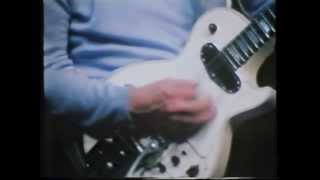
Gibson Les Paul Recording Model - History & Demo
Black 22 Productions
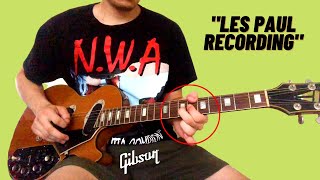
This is what a 70’s Gibson Les Paul Recording sounds like

every single guitars.
Reviews
PROS
-
Offers over 1,000 different sound settings for versatile playing
-
Unique low and high impedance settings for varied tonal options
-
Solid mahogany body and neck provide excellent sustain
-
Built-in internal transformer eliminates need for line transformer cables
-
Designed with Les Paul's original schematics for authentic sound
-
Equipped with Grover tuners and pearl inlays for premium feel
-
Eleven position decade selector for nuanced tone control
-
Capable of mimicking iconic tones of Les Paul, Strat, and Tele
-
Plays exceptionally easily, feels like it "plays itself"
-
Collectible and valuable, especially in near mint condition
CONS
-
At nearly 12 lbs, it's considerably heavy for some players
-
Requires proper setup to avoid sounding underpowered with certain amps
-
Subtle tone variations may not be discernible to all players
-
Not ideal for high-gain metal sounds without additional equipment
Owner Insights
We analyzed real musician discussions from forums and Reddit to find what players love, question, and tweak about Gibson Les Paul Recording ‘70’s.
Build quality
-
The natural-finish version is rarer than the walnut stain version, which was more common in the late 70s.
Source -
The output jack on some models is positioned on the scratchplate, which can crack, making it challenging to insert a plug without causing further damage.
Source -
The fretboard inlay is not factory standard, suggesting modifications and possibly indicating a non-original neck or replaced fretboard.
Source
Features and functionality
-
The control arrangement indicates it might be a second version produced between 1977-1980, with knobs aligned in a straight line.
Source -
It's been noted that the Les Paul Recording has two outputs, allowing selection between low and high impedance settings.
Source -
Some models from the early 70s required an external impedance transformer, while later models included a switchable internal transformer.
Source -
The TP6 tailpiece allows for small, precise tuning adjustments while playing, providing an advantage over traditional tuning machines for fine-tuning.
Source -
The harmonica bridge, common in 70s Gibsons, offers a wider range for intonation adjustments, beneficial for those experiencing neck issues.
Source
Setup and maintenance
-
Determining the exact year may require checking the date on the pots due to Gibson reusing serial numbers during that period.
Source -
The TP6 tailpiece and harmonica bridge combination were typical of 70s Gibsons, but may present a unique setup challenge for those unfamiliar with these components.
Source
Value and pricing
-
Recent valuations for the natural-finish version range between $3,000-3,300.
Source
Use cases and applications
User experience
-
Owners report that the guitar is notably heavy, a characteristic feature that could impact playability for some.
Source
Critic Reviews
5.0 out of 5
Based on 0 Reviews and 2 Ratings
Artist usage
Add artist
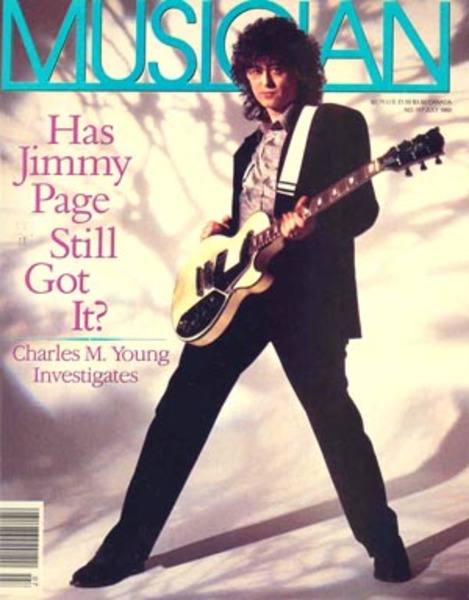
Jimmy Page's Les Paul Recording Model appeared on a few ocassions, like this cover for Musician magazine, as stated in this article by Gibson.

.jpg?mode=max)
Eric Clapton said that this guitar is a "..recent acquisition.." given to him by a friend. He has played it occasionally.


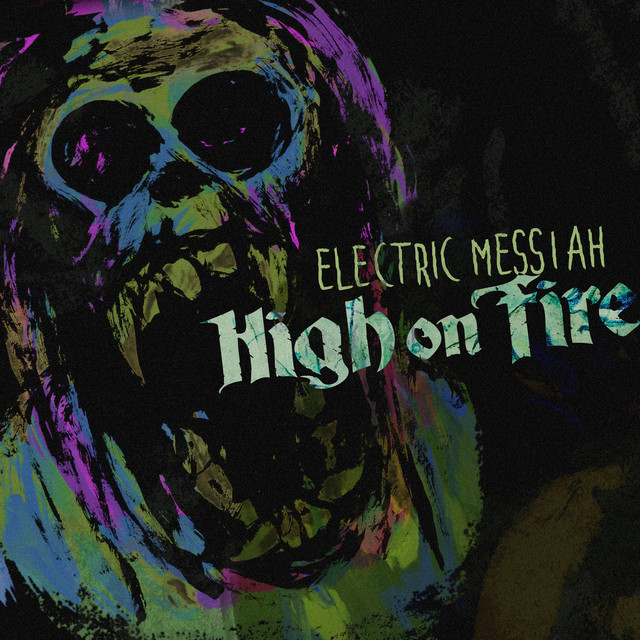
In the article: "I actually used a Les Paul Recording model extensively on Sleep’s The Sciences ... more than on High on Fire’s Electric Messiah"

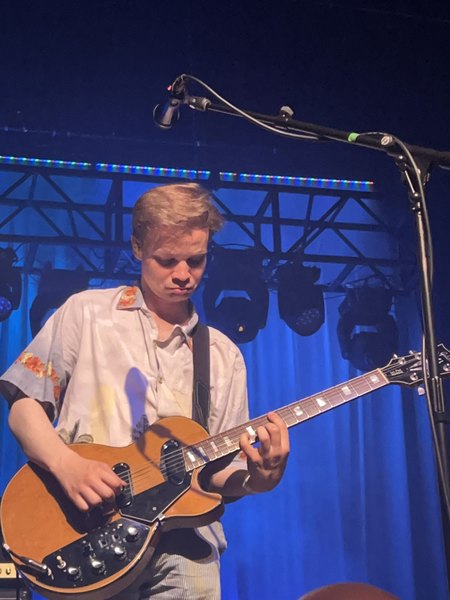
Geordie Greep can be seen using this guitar at various points on their most recent tour (as of 10 Jun 2023). In this video it can most clearly be seen at 18:21
Guitar is clearly seen in the photo


Halfway down this page, there is a shot of the gatefold of Howe's debut album, showing his gear; among his gear is a Gibson Les Paul Recording Model.


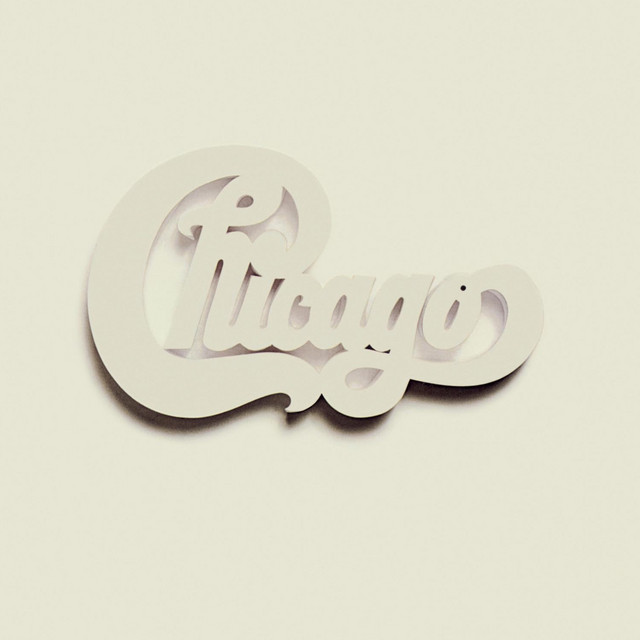
Terry Kath is seen playing his Les Paul Recording in Tokyo 1972. He can also be seen playing this guitar on one of the posters included in the original "Chicago at Carnegie Hall" LP covers. Terry played a Les Paul Professional. The Professional (also having low impedance pickups) was introduced in 1969; two years before the Les Paul Recording Model, and not to be confused with the Les Paul Pro which was introduced in 1976. The guitar pictured here, however, is a Les Paul recording.

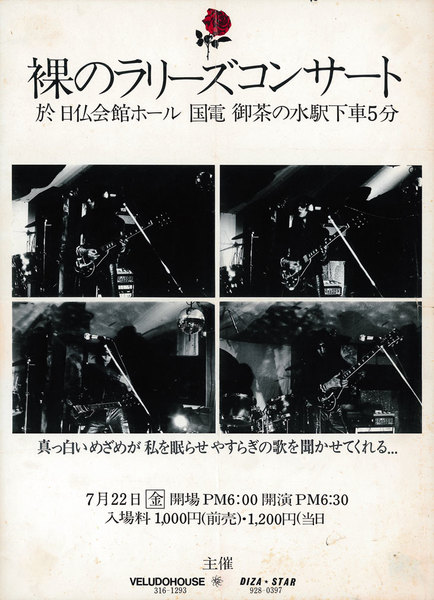
Mizutani can be seen playing what appears to be a Les Paul Recording with a Bigsby in this show flyer.


"On Skin Tight Skin it would have been my Les Paul Professional Recording bass,”


Jason Martin has utilized several 70's Gibson Les Paul Recording models during live performances, notably since the Americana tour, as evidenced by user-uploaded photos.

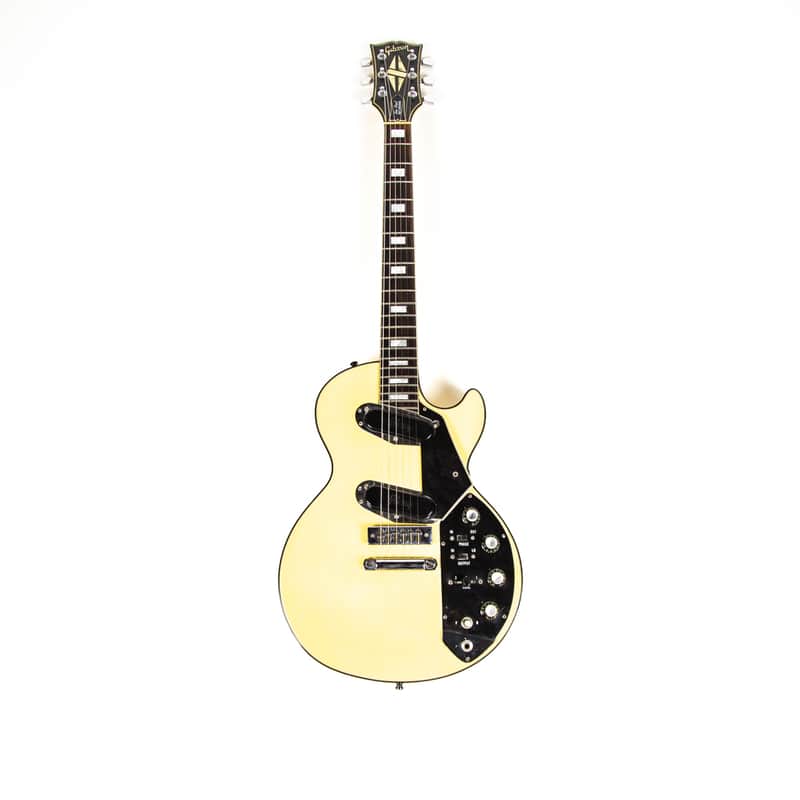
Nathaniel Rateliff owns a Gibson Les Paul Recording Model from the 1970s, as confirmed by a listing on Reverb.


Gear-wise, Nolen used a variety of tools during his career. The guitars he was most often spotted with included Gibson ES-175 and ES-5 Switchmaster hollowbodies, a Japanese-made Stratocaster copy called a Fresher Straighter, and a Gibson Les Paul Recording Model with single-coils. To achieve his signature sound, he ran the guitars through a Fender Twin Reverb with the treble cranked. As any live version of “I Got the Feeling” proves, Nolen’s tone was clean and full, and despite playing in such a large band, you can hear every note.


Album Usage
The Gibson Les Paul Recording ‘70’s has been featured on the following albums:


Genre Usage
Based on how artists on Equipboard use this gear, it is most commonly found in the following genres.
Used With
Based on how musicians on Equipboard use Gibson Les Paul Recording ‘70’s, it is most commonly used with the following gear.






More Gibson Solid Body Electric Guitars

$1,783.18 - $2,799.00
in Solid Body Electric Guitars Rank


$2,309.00 - $94,911.37
in Solid Body Electric Guitars Rank


$2,199.00 - $2,222.00
in Solid Body Electric Guitars Rank


$4,168.86 - $8,977.21
in Solid Body Electric Guitars Rank


$1,333.00 - $2,741.79
in Solid Body Electric Guitars Rank


$1,000.00 - $3,040.30
in Solid Body Electric Guitars Rank

.jpg?v=1784895999)


$1,236.00 - $2,443.28
in Solid Body Electric Guitars Rank


$2,099.00 - $2,599.00
in Solid Body Electric Guitars Rank


$1,319.87 - $2,465.03
in Solid Body Electric Guitars Rank

.jpeg?v=1784855195)


$1,333.00 - $1,499.00
in Solid Body Electric Guitars Rank


$1,333.00 - $2,741.79
in Solid Body Electric Guitars Rank


$1,333.00 - $1,799.00
in Solid Body Electric Guitars Rank


$1,869.95 - $2,899.00
in Solid Body Electric Guitars Rank


$5,555.00 - $431,898.68
in Solid Body Electric Guitars Rank


$2,000.31 - $2,499.00
in Solid Body Electric Guitars Rank


$895.00
in Solid Body Electric Guitars Rank


$1,930.82 - $6,499.00
in Solid Body Electric Guitars Rank

$2,090.00 - $3,500.00
in Solid Body Electric Guitars Rank


$2,449.00 - $3,216.90


$1,777.97 - $5,999.00


-m.webp?v=1784958406)
$2,099.00 - $94,911.37


$3,499.00 - $8,200.00

-m.webp?v=1784905146)


$1,329.40 - $6,388.91


$2,354.00 - $3,244.78


$2,699.00 - $3,999.00


$1,700.00


$2,449.00 - $2,999.00


$3,499.99 - $3,999.00


.jpg?v=1784920144)


.jpg?v=1783969611)

$1,331.00 - $6,456.00


Accessories & Related Items


Community setups


Similar


Gear Guides







Most Popular Solid Body Electric Guitars
Most Popular Brands
-
Added to Equipboard on by
 julianwolf2
GearIQ 13060
-


