

Pricing and availability
We compare 600+ stores and found this item at 1 store. Prices updated .
Store
Reviews
Price




Average Price: $800
High-end/Boutique
$100
$401+
Price Tier
Budget
Standard
High-end
* Product prices and availability are updated by Equipboard every 24hrs and are subject to change. Equipboard may receive compensation for purchases made at participating retailers linked on this site. This compensation does not affect what products or prices are displayed, or the order of prices listed. For more information, please refer to our affiliate disclosure.
Description
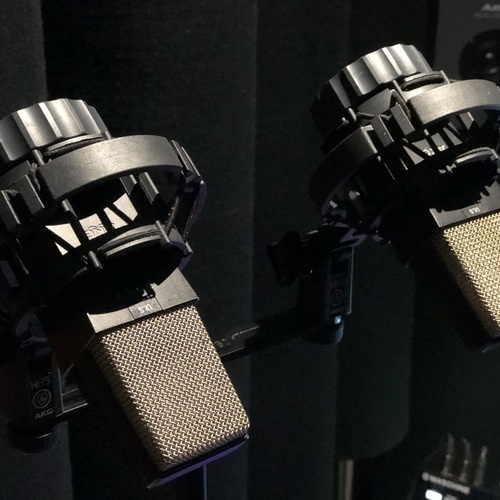
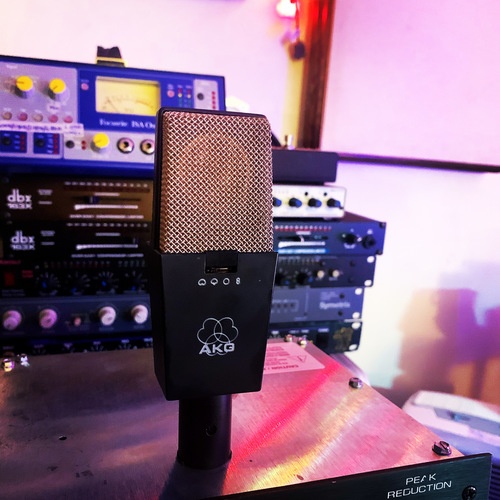
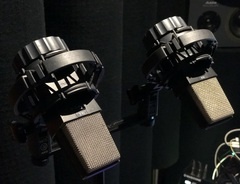
Meet the AKG C 414 B-ULS, an embodiment of versatility and character in the realm of condenser microphones. This gem, a studio staple for over three decades, offers unparalleled adaptability with its four selectable polar patterns and three-position switches for attenuation and bass rolloff. Unlike its modern counterparts, the C 414 B-ULS retains an output transformer, infusing the sound with a unique vibe while maintaining the natural quality that has made the 414 series iconic. This microphone doesn't just capture sound; it captures the essence of your music.
Key Features:
- Four selectable polar patterns (cardioid, supercardioid, bidirectional, omnidirectional)
- Three-position switches for attenuation and bass rolloff
- Utilizes an output transformer
- Produces a vibrant yet natural sound quality
- Part of the legendary 414 series
Product specs
| Brand | AKG |
| Model | C414 B ULS Large Diaphragm Multipattern Condenser Microphone |
| Finish | Black |
| Year | 1990s |
| Categories | Microphones |
| Electronics | Solid State |
| Microphone Type | Large-Diaphragm Condenser |
| Polar Pattern | Multipattern |
| Wired/Wireless | Wired |
FAQs
-
What are the polar patterns available on the AKG C414 B-ULS?
-
The AKG C414 B-ULS offers four switchable polar patterns: cardioid, hypercardioid, omnidirectional, and figure-eight, allowing versatile recording options for various applications.
-
Is the AKG C414 B-ULS suitable for vocal recording?
-
Yes, the AKG C414 B-ULS is highly regarded for vocal recording due to its accurate frequency response and smooth top end, making it a favorite for capturing detailed vocal performances.
-
How does the AKG C414 B-ULS handle high sound pressure levels?
-
The AKG C414 B-ULS can handle sound pressure levels up to 150 dB SPL with its switchable 10-dB and 20-dB preattenuation pads, allowing it to record loud sources without distortion.
-
What is the self-noise level of the AKG C414 B-ULS?
-
The self-noise level of the AKG C414 B-ULS is a low 14 dB (A-weighted), ensuring quiet operation and capturing subtle details in recordings.
-
Can the AKG C414 B-ULS be used for instrument recording?
-
Yes, the AKG C414 B-ULS is versatile and suitable for a wide range of instruments, providing accurate sound reproduction for both studio and live settings.
Videos

Tom Szy Music
AKG C414 BXLS vs XLII vs BULS vs TLII comparison mic shootout
AKG C414 BXLS vs XLII vs BULS vs TLII comparison mic shootout
Tom Szy Music
AKG C414 The Ultimate Comparison: XLS vs XLII vs B-ULS vs EB

Sound On Sound magazine
AKG C414B-ULS VS LEWITT AUDIO LCT 440 PURE VS AKG C3000 Which is Better?

Warren Henry (Drummer Composer)
AKG C414 B-ULS BULS vs c414 Brass Capsule mic comparison mic shootout sound test!
Tom Szy Music
Shure SM81 vs AKG C414 vs C214 BACK 2 BACK Overheads Large Small Diaphragm Microphones B-ULS TL II 2

SIC MIC
Reviews
PROS
-
Clear, detailed, and full sound
-
Multiple patterns, bass roll-off, and pad with physical switches
-
Versatile for various recording applications
-
Excellently balanced, avoiding harsh highs and boomy lows
-
Vintage models have unique internal differences from current ones
-
Favoured for its classic sound ambiance in stereo pair use
-
Not overly bright, helping to tame sibilance in vocals
CONS
-
Market prices can be excessively high due to demand
-
Vintage quality and appeal may inflate prices unjustly
Owner Insights
We analyzed real musician discussions from forums and Reddit to find what players love, question, and tweak about AKG C414 B-ULS.
Comparisons
-
The AKG C414 B-ULS is noted for being less bright than newer XLS models, offering a different tonal palette for users seeking variety.
Source -
The C414eb with a brass capsule is highly favored for its versatility and is often mentioned as an all-time favorite microphone by owners who have used various C414 models.
Source -
The TLII model, a transformerless version of the B-ULS, is described as "airy-er" and still an all-rounder, performing well on vocals without the transformer characteristics of the B-ULS.
Source -
Newer XLS and XLII models are considered bright, with the XLII having a C12ish capsule and presence boost, making it less of a "reference" mic compared to the XLS.
Source -
The B-ULS offers a darker, thicker sound preferred for instruments, while the XLS is chosen for cleaner vocals, likened to a modern B-ULS.
Source -
Owners note that EB-P48 models accept standard 48V phantom power and sound slightly darker compared to original EB variants.
Source
Use cases and applications
-
The C414 B-ULS is highly recommended for those prioritizing versatility across vocals, acoustic guitars, and percussion.
Source -
Some users find the B-ULS darker compared to newer models, which may not suit overhead use if brightness is preferred.
Source -
The B-ULS is particularly praised for its rounded tone with an upper-end roll-off, making it excellent for toms.
Source
User experience
-
The WA-47, paired with a quality preamp, is praised for delivering exceptional warmth and character, enhancing vocal and guitar recordings significantly.
Source -
Owners who have used both XLS and B-ULS models report little difference in sound, even using them as a stereo pair without noticeable variations.
Source
Value and pricing
Features and functionality
-
The TL-II, with a C12-ish capsule and transformerless design, excels on vocals and drums for its brighter sound profile.
Source
Critic Reviews
5.0 out of 5
Based on 3 Reviews and 11 Ratings

572
Desert Island mic
The vintage 414's are much more interesting mics than the current ones. They're completely different on the inside. I got mine on Ebay for around $350 in 2013. It's extremely versatile, I've used it on sax, room, kick, guitar cab, upright bass, and vocals. Its a bit dark compared to a modern XL-II. Mine is from the late 80's.

41028
the 80s ones with the good output transformers are the best version to my ear. Even the new ones are a total swiss army knife.

Artist usage
Add artist

Used for the guitars on Eliminator, as stated by engineer Terry Manning in this February 15, 2005 ProSoundWeb forum reply.
[Tue, 15 February 2005 09:20]
tenaciousJay wrote on Mon, 14 February 2005 12:05
Terry I wonder if you could comment on the guitar sound in Eliminator. What I always heard it was all Rockman - but was there an amp mixed in as well? And thoughts on the direction of that album as a whole - it certainly was a huge change in sound, even if there were hints of it on earlier albums.
The full story of the making of Eliminator (the politics, the chicannery, the technical aberrations, the high social drama, the exodus, the payback) is one that I cannot tell. Even if I could, there certainly wouldn't be room for it here! It probably won't even make it into "the book" (or the movie). Just don't forget that truth is often stranger than fiction!
However, I will address certain specific musical or technical issues, and I'll begin with your guitar amp question.
THERE WAS ABSOLUTELY NO ROCKMAN USED ON THIS RECORDING!
Not a little bit, not a tiny bit; NOT ANY. I don't know how these stories get started. Billy may indeed have used Rockman at a later date, after I left the situation, but I did not allow it when I was working with him. He did bring one in to try, but I was not satisfied with the sound, compared to an amplifier.
The amp used, almost exclusively, on Eliminator was a Legend. This was about a 50 watt hybrid unit, employing a tube/valve preamp, and a transistor power amp. This is the amp which has a finished wood case, and a rattan-type cane grill. It has one 12" Celestion speaker. Legend were later bought by, or at least distributed by, Gibson, but they were independent when we started using them. I still have this amp; it is almost new. A couple of years ago I plugged one of the Eliminator guitars into it, just to see...there was the sound!
The guitars were custom built by Dean. Dean were out of Chicago, and were trying to break into the high end (a la Jackson, PRS) market. They were very nice, albeit different, instruments. Subsequently however, they got a contract with Sears to make guitars, so they opted for the big bucks, Korean manufactured, low end market instead. But the ones we used were very nicely made. There were two which we employed. One was somewhat like a cross between a Flying-V and a Moderne shape, very long "ears," and the other was a sort of a warped, pointy Stratocaster-y shape. Both guitars had a single DiMarzio Super Distortion high output pickup, and almost no controls. I don't think there is even a tone control...what would you need one for? They have big, heavy, brass bridge/tail pieces bolted into the body. These guitars were very live, very resonant, and would verge on resonant feedback at all times; they were also very hard to keep in tune because of this. But they were always alive. Billy has the first one mentioned, and he gave me the latter, which I still have.
The guitar was recorded with basically only one setup; one amp (Legend), one speaker (12"), one guitar (Deans, the two were almost exactly the same), one mic (AKG 414B-ULS, I still have it) in one position (about 5" from the cone, placed at a slight angle off axis), one mic pre (the SpectraSonics console). 98% of ALL guitar on this album, whether lead or rhythm was done this way. Any variations were from the player himself, who, remember, did not even have a tone control. That's how good Billy was back then. We did use very briefly a small amp by Ross, but we didn't like it much, and I think only a tiny part or two was kept from this, if any.
The rhythm guitars were done in a precursor-to-Protools style. Short phrases were played, and then double tracked, onto one set of tracks, and then the chord change/next phrase was played on a second set of tracks. This allowed a seamless transition between changes; since the Deans were so close to feedback at all times (acoustically, through the fairly loud JBL monitors), we couldn't even lift the fingers to change chords! Then I would trim the edges of each section by punching in and out to silence at the beginnings and ends of the phrases (somewhat analogous to "trimming the region" today). This method also "eliminated" to a degree the loud harmonic squeaks between chord changes. The punch in/out points, if done exactly perfectly, made for a primitive cross fade of probably 10-20 ms, and ended up sounding very different as rhythm guitar, sort of like a big train rolling down a track, almost out of control; without knowing how it was done, one wouldn't really realise why it was different.
For the leads, as always, there was a lot of punching done.
The bass was mostly played either by Billy or by me, and was either a bass instrument, or a Moog Source (the Source was a Mini Moog [rhymes with 'Vouge'] analogue synth with digitally controlled parameters...I still have this, too). Synth chords were played on a Memory Moog (polyphonic Mini).
Billy sang great, different vocals, as usual, and the harmonies were done either by Jimmy Jamison or by me.
There are a MILLION more things which could be told about this distinctive album, but as mentioned, most of it is probably better left unsaid. But one interesting thing, at least to me, was the recording of "Legs." We had tried it a couple of ways unsuccessfully at Ardent, so I decided to try a new approach. I had a 24 track studio in my attic at home, so I took Billy's lead guitar and vocal home on a 1/2" two track L/R ("samples"). I recut the entire track myself, and then hand flew in Billy's parts onto the track. This meant careful timing of the play button on my MCI 1/2", for each and every phrase, as after a few seconds, they would drift out of sync. I mixed it there through my Soundcraft 1200 console (these were also the mic pre's) onto the MCI 1/2". The multitrack was also the Soundcraft 2" machine, which I really loved. Then I did a totally different version, which became the long "dance mix" later released to clubs, and it is now included in the new box set. Later, I saw a review of this dance version credited, to Jellybean Benitez ...go figure!
Anyway, that's a lot about Eliminator for now. Thanks for your interest!
Terry


Evidence from a photograph shared by Stephanie Miller on Pinterest, showing Liam Gallagher during the recording sessions for Oasis' debut studio album "Definitely Maybe" in February 1994 at Monnow Valley Studio, Wales, confirms that the singer used the AKG C 414 B-ULS microphone. This is further corroborated by an article discussing the album's production, which highlights Gallagher's use of this specific microphone model.


Oliver Ackermann uses the AKG C414 B-ULS. In a 2012 interview with the Russian website Look At Me, he mentioned: "The AKG C 414 B-ULS is a studio classic. It's an excellent microphone that captures both vocals and any instrument beautifully".
.jpg?v=1784792382)

"I used 3 different amps for the Odyssey - ENGL fireball, Line 6 Vetta head, and Mesa/Boogie Dual Rectifier. The rhythm tracks were mostly the ENGL and the Line 6 Vetta ( for different amp tones, clean, etc. ) and the Boogie and Vetta for the solos. The cabinets were Mesa/Boogie half backs ( 4x12 ). For mic choice and placement, I like to experiment a bit...but usually a Shure SM57 and a Sennheisser 421 - up close to the speaker ( the 57 a bit off axis OR off-center of the cone ) and sometimes an AKG 414 back a few feet for some ambience and space. Then into the Neve 9098s ( preamp & EQ ) and EQ a little to clean up the bottom end and get it sounding tight - I'll double track all the rhythms." Michael Romeo

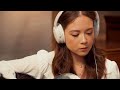
at 0:06, Laufey is micing her guitar with two mics, one being an AKG C414 B-ULS.

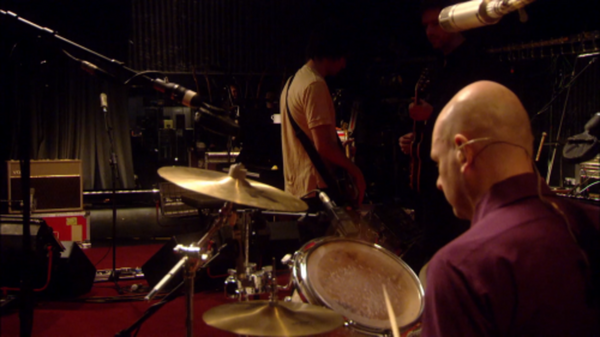
In this screenshot from Radiohead’s From The Basement performance of Weird Fishes on April 2, 2008, one can see a tube Neumann U47 or U48 as an overhead, a black AKG 414 (EB or B-ULS) on the tom, and Coles 4038 mics on the cymbals.


In this wonderful article of the making of "First and last and always", engineer, Tony Harris lists the AKG C414 as being used for Andrews vocals, and the model that would have been available in 1986-1987 was the C414 B-ULS.


According to the official gear list on Darude's Website (Click on the studio tab), it says he owns a AKG C 414 B-ULS.


"I use an AKG 414. I put it on a short stand about three inches from one of the bottom speakers. It doesn’t seem to matter which side. It really makes a Strat sound like it ought to sound. I’ve been lucky to find the right guitar and amp combination."

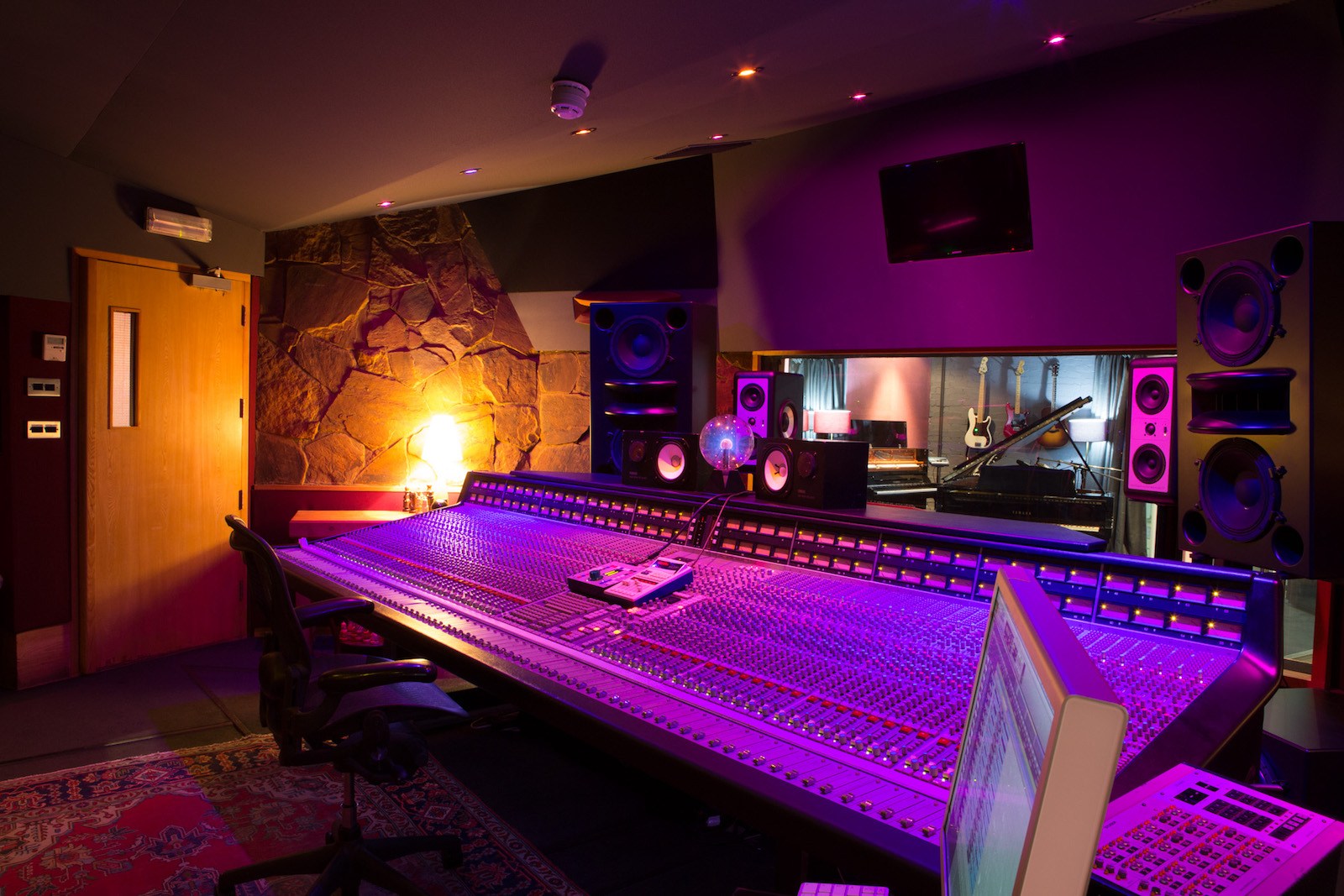
According to the "equipment list" found on Church Studios, owned by Epworth, one of the things listed is the AKG C414 B-ULS.


Kenji Kawai is confirmed to have two AKG C414 B-ULS microphones in his studio, as listed on his official website.
.jpg?v=1784450238)

Album Usage
The AKG C414 B-ULS has been featured on the following albums:
Le Pays de nos Désirs (Live)
Emma Roberts (2025)
Death & Sex (CX40 Version)
The Cassandra Complex (2024)

The Plague
The Cassandra Complex (2022)
Software (Wetware 2019 Remaster)
The Cassandra Complex (2019)
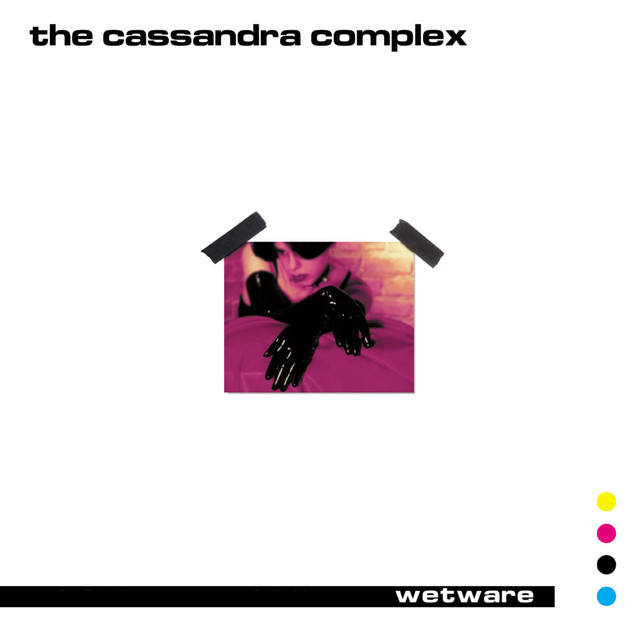
Hardware (Wetware 2019 Remaster)
The Cassandra Complex (2019)

Golden Leaves
Vanni Tagliavento (2016)

Unfabulous and More
Emma Roberts (2005)
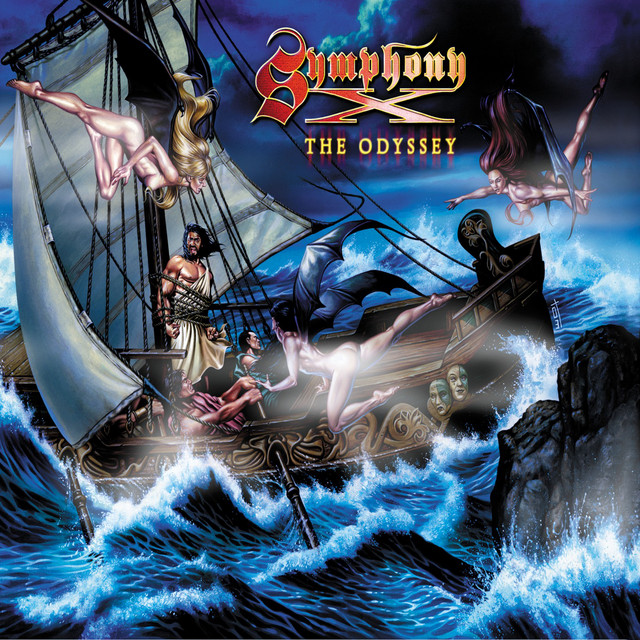
The Odyssey
Symphony X (2002)
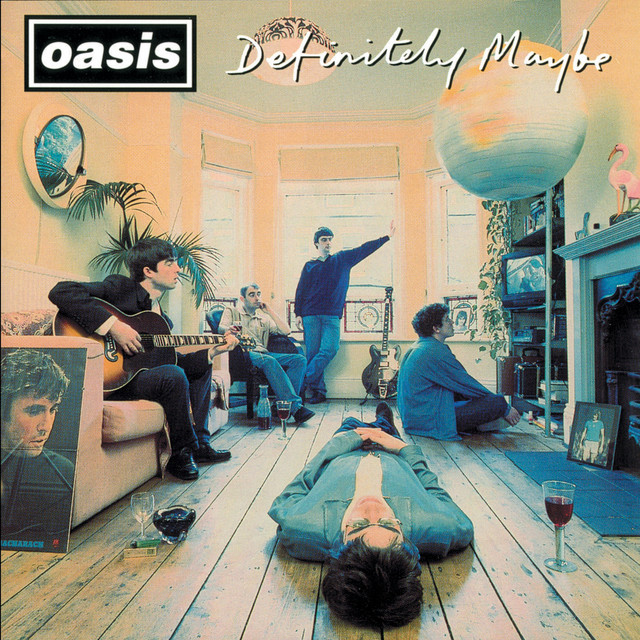
Definitely Maybe (Deluxe Edition Remastered)
Oasis (1994)
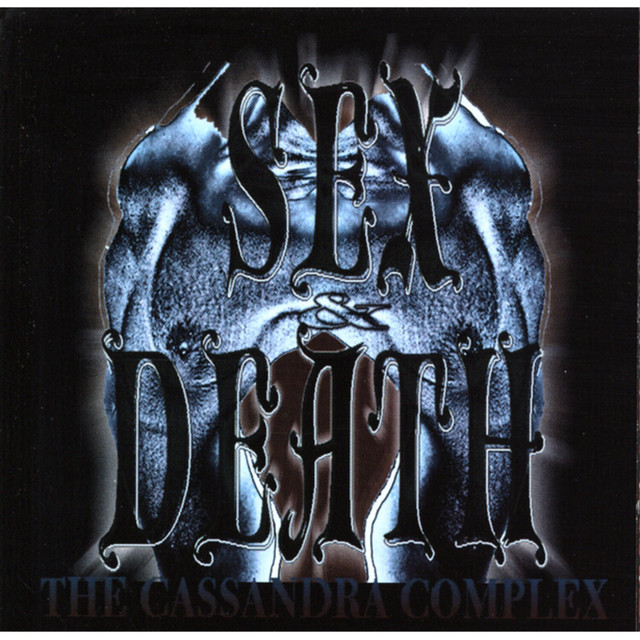
Sex & Death
The Cassandra Complex (1993)
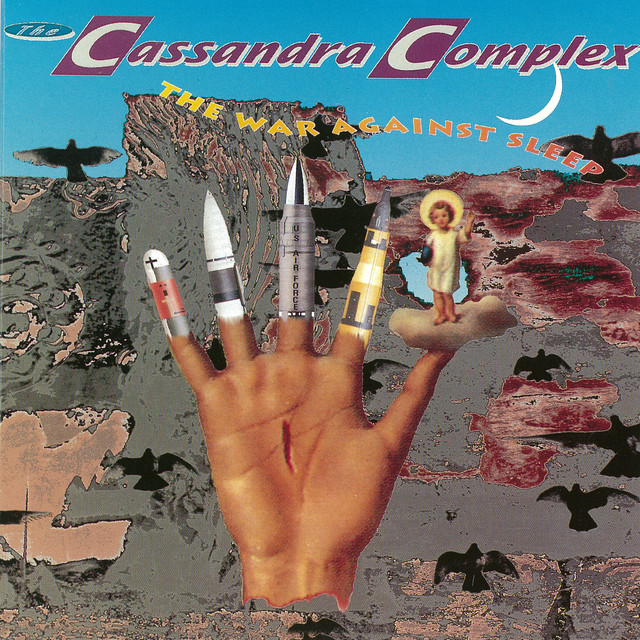
The War Against Sleep
The Cassandra Complex (1991)
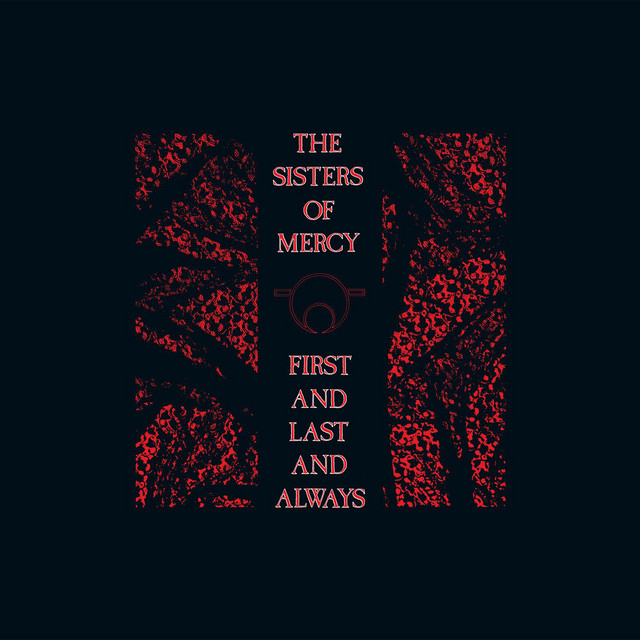
First and Last and Always
The Sisters of Mercy (1985)
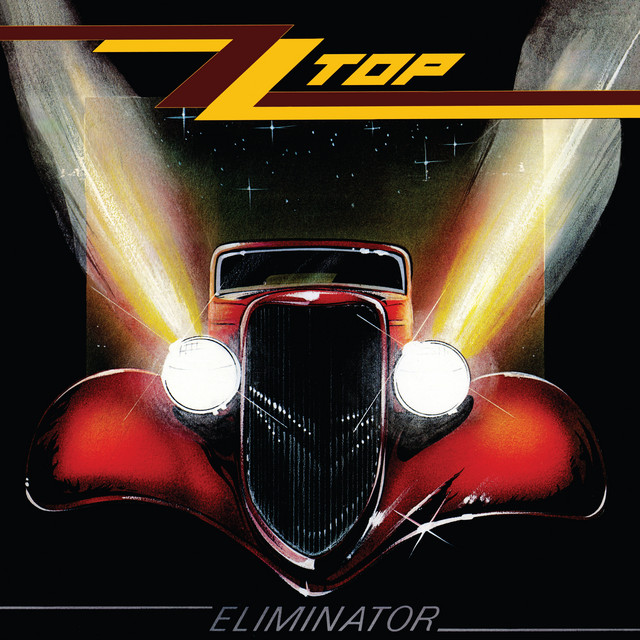
Eliminator
ZZ Top (1983)
Genre Usage
Based on how artists on Equipboard use this gear, it is most commonly found in the following genres.
Used With
Based on how musicians on Equipboard use AKG C414 B-ULS, it is most commonly used with the following gear.
-s.webp?v=1784818699)


-s.webp?v=1784818712)
-s.webp?v=1784818721)

Community setups
Show yours.jpeg?v=1784708525)
More AKG Condenser Microphones

$759.05 - $1,299.00
in Condenser Microphones Rank


$859.00 - $1,299.00
in Condenser Microphones Rank


$360.50 - $665.00
in Condenser Microphones Rank


$317.50 - $749.00
in Condenser Microphones Rank


$110.00 - $207.21
in Condenser Microphones Rank


$5,294.98 - $8,649.00
in Condenser Microphones Rank


$149.00 - $259.00
in Condenser Microphones Rank


$79.99 - $129.00
in Condenser Microphones Rank


$227.00 - $279.98
in Condenser Microphones Rank


$3,450.66 - $8,649.00
in Condenser Microphones Rank


$138.00 - $335.00
in Condenser Microphones Rank


-m.webp?v=1784845471)
$149.00 - $259.00
in Condenser Microphones Rank


$1,249.00 - $1,299.00


-m.webp?v=1784845750)

$79.99 - $129.00


$209.00 - $299.00


-m.webp?v=1784819231)


$380.76 - $1,299.00


.jpeg?v=1784480614)


Accessories & Related Items


Similar


Gear Guides







Most Popular Condenser Microphones
Most Popular Brands
-
Added to Equipboard on by
vismundcygnusGearIQ 572
-


