

Pricing and availability
We compare 600+ stores and found this item at 1 store. Prices updated .
Store
Reviews
Price




Average Price: $5,495
High-end/Boutique
$500
$1501+
Price Tier
Budget
Standard
High-end
* Product prices and availability are updated by Equipboard every 24hrs and are subject to change. Equipboard may receive compensation for purchases made at participating retailers linked on this site. This compensation does not affect what products or prices are displayed, or the order of prices listed. For more information, please refer to our affiliate disclosure.
Description
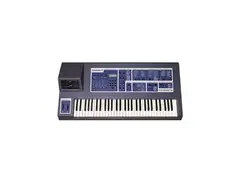
Released commercially in 1984 to huge acclaim, the Emulator II (or EII) was E-mu's second sampler. Like the original Emulator, it was an 8-bit sampler, however it had superior fidelity to the Emulator due to the use of digital companding and a 27.7 kHz sample rate. It also allowed more flexibility in editing and shaping sounds, as resonant analog filters were added. The EII also had vastly better real time control. It was priced similarly to the original Emulator, at US$7,995 for a regular model, and $9,995 for a 'plus' model featuring extra sample memory. Several upgrades, including a second floppy drive, a 20 MB hard drive, and a 512K memory upgrade were also available. Despite its price tag it was still considered very good value compared to the Fairlight CMI Series II, which, when first released, was priced at $30,000.
Product specs
| Brand | E-MU Systems |
| Model | Emulator II 61-Key 8-Voice Sampler Workstation |
| Finish | Black |
| Year | 1984 - 1988 |
| Made In | United States |
| Categories | Samplers, Workstation Keyboards |
| Analog / Digital | Digital |
| Key Size | Full Size |
| Keyboard Action | Synth Action |
| MIDI I/O | MIDI Input, MIDI Output |
| Number of Keys | 61 Keys |
| Polyphony | 8 Voices |
FAQs
-
Is the E-Mu Emulator II polyphonic, and how many voices does it support?
-
The E-Mu Emulator II is polyphonic and supports up to 8 voices, allowing you to play multiple notes simultaneously for richer, more complex sounds.
-
What type of sampling capabilities does the E-Mu Emulator II offer?
-
The E-Mu Emulator II is an 8-bit sampler workstation that allows you to sample and manipulate sounds, providing flexibility for creative sound design.
-
Does the E-Mu Emulator II have MIDI connectivity?
-
Yes, the E-Mu Emulator II features both MIDI input and output, enabling it to connect with other MIDI-compatible devices for expanded performance and recording options.
-
What is the keyboard action like on the E-Mu Emulator II?
-
The E-Mu Emulator II features a synth action keyboard, offering a responsive and smooth playing experience suitable for various styles and techniques.
-
Can the E-Mu Emulator II be used for live performances?
-
Yes, the E-Mu Emulator II is designed for both studio and live performance settings, with its robust sampling capabilities and MIDI connectivity making it versatile for different musical applications.
Videos

Alex Ball
FERRIS BUELLER'S SYNTHESIZER
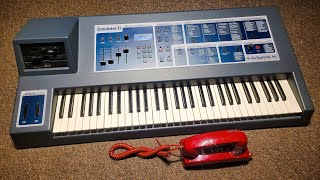
FERRIS BUELLER'S SYNTHESIZER
Alex Ball
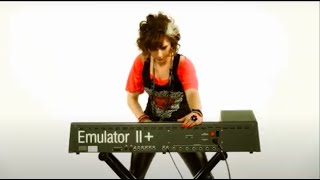
EMU Emulator II - Shining Moments 80's (Pt. 1)

Jason Mysteria
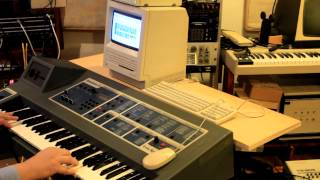
E-mu Emulator II sound demos

SynthMania
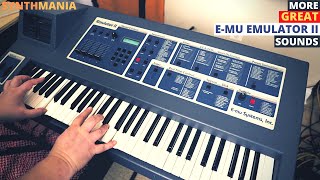
More great E-mu Emulator II sounds
SynthMania
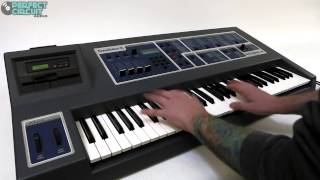
E-Mu Emulator II Classic Sounds Demo (Part 1)

Perfect Circuit
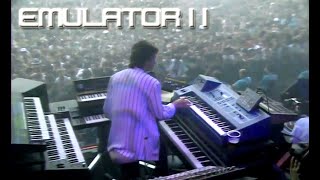
Emu Emulator II - Shining Moments 80's (Pt. 2)
Jason Mysteria
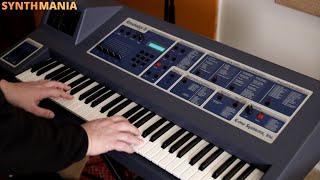
E-mu Emulator II - a few cool sounds
SynthMania
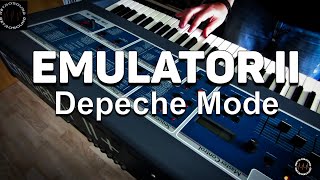
The Sound of Depeche Mode - E-MU Emulator II

RetroSound
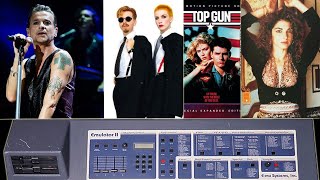
EMU Emulator II - Shining Moments 80's (Pt. 3)
Jason Mysteria
Reviews
Owner Insights
We analyzed real musician discussions from forums and Reddit to find what players love, question, and tweak about E-Mu Emulator II.
Comparisons
-
The Emulator 6400 Ultra offers classic EII and EIII sounds with more memory, polyphony, and support for modern hard drives.
Source -
The Emulator III offers more memory and features but lacks the distinctive sound texture of the Emulator II.
Source -
The MicroGranny sampler and Isla S2400 are potential hardware alternatives for the 8-bit sampling approach, though they may not fully replicate the Emulator II.
Source -
The Mirage and AKAI samplers can sample in 8-bit but lack the distinct "thing" of the Emulator II.
Source -
Several users prefer modern samplers like the Waldorf Quantum MK2 and Nord Wave 2 for better technology and ease of use.
Source
Software and compatibility
User experience
Features and functionality
-
The Emulator II's 12-bit playback of 8-bit samples adds grain and texture, particularly noticeable in lower-pitched samples.
Source -
The Amigo Sampler plugin automatically downsamples to 8-bit and 22kHz, offering a digital approximation of the Emulator II's sound.
Source -
The Emulator II utilized 8-bit companding sampling with SSM analog filters, crucial for its unique sound quality.
Source -
The Emulator II has slow load times and relies on a library of floppy disks.
Source
Use cases and applications
Value and pricing
-
Collectors may find value due to its iconic status and sounds reminiscent of 80s bands like OMD and Depeche Mode.
Source
Critic Reviews
4.5 out of 5
Based on 1 Review and 17 Ratings

367
Sampler
The legend of the samplers! Digital but with analog circuits, it processes the sampled sounds in a different way.
This review has been translated automatically into English. See originalArtist usage
Add artist

The instrument is credited in the cover album Enya - The Celts (1986 and remastered 1992).
Enya : Vocals, Pianos, Juno 60, DX7, Emulator II and Kurtzweil.


"Combinations of the same sound also work very well - six synthesisers all playing the same thing can sound great. If you track a part you can never match the two parts perfectly. Something I did a while ago used an Emulator II cello preset which I tracked about five times, and it acquired a totally different character to the original patch. If you track a sequencer and alter the varispeed, the timecode will keep it in sync but the pitch will vary. You can do that as many times as you want and get massive sounds."


The sampler Harrison has chosen to stay with is the Emulator II with the Optical Media CD-ROM and CRM3 remote. (He also finds the Emulator's on-board sequencer incredibly easy to use, even though he does use Performer software on the Macintosh.) But he's not so struck on it that he isn't considering upgrading to the Mark III.


"Where we used keyboards as sampling devices, we'd sample a bit of guitar, say, and turn it 'round the other way, or sample a bit of noise and do something with it on the [E-mu] Emulator II, then just play it in a rhythmic fashion in the song."


According to this Facebook post by him, he used it during Live Aid


Midge Ure plays an E-mu Emulator II during Ultravox's performance of "Vienna" at Live Aid (beginning at 2:50).

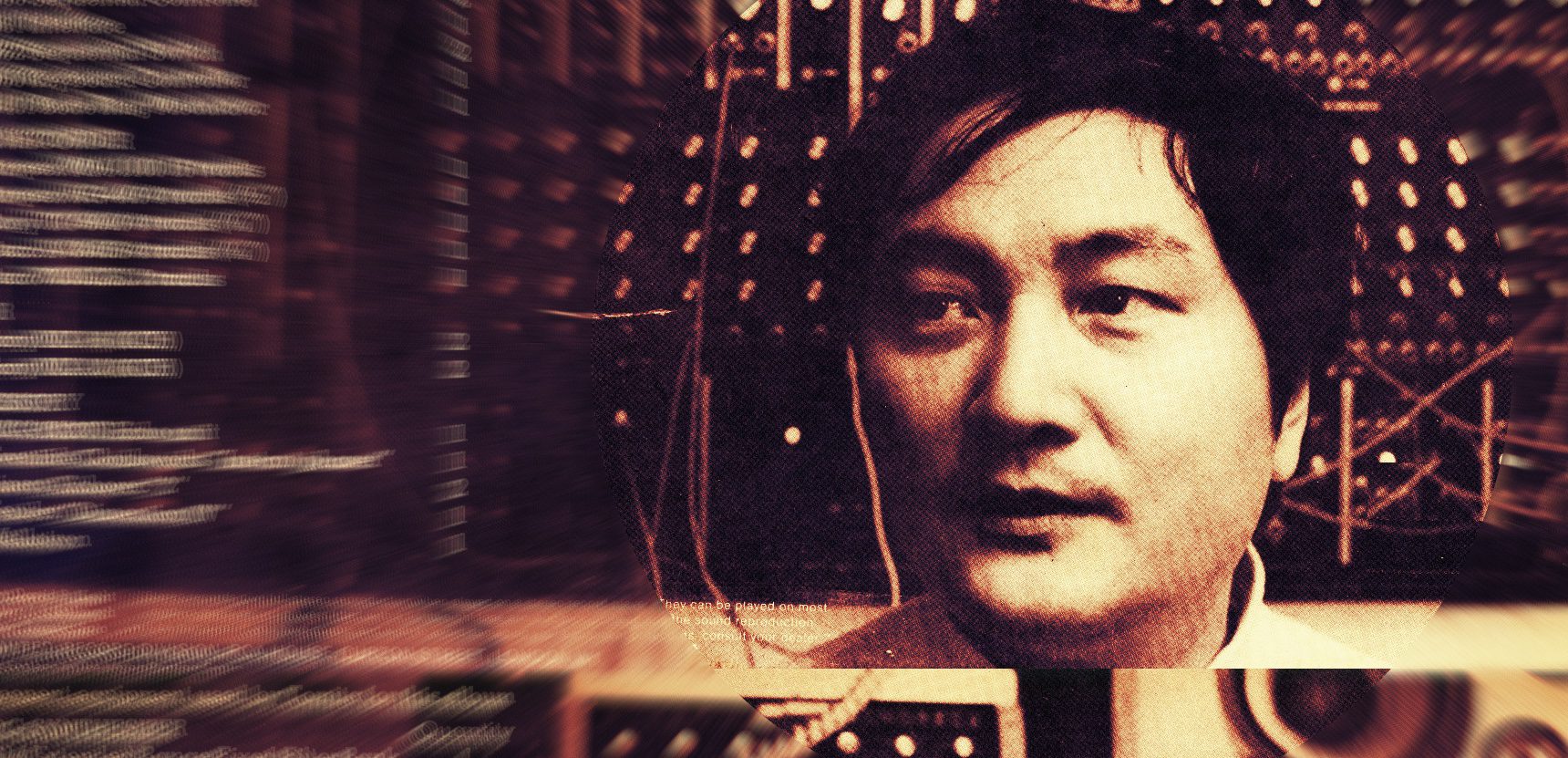
Interview German Synth Mag Amazona.de: Neben dem Moog Modular System, das nahezu vollständig Snowflakes are Dancing dominierte und später durch das 55er ergänzt wurde, besaß er zu jener Zeit einiges von Roland, etwa die Systeme 700 und 100, Jupiter-4, VP-330 und Strings RS-202. Weitere Instrumente: Fender Rhodes, Hohner Clavinet, Korg MS50, Korg Vocoder VC-10, Mellotron M-400, Moog Polymoog, Yamaha CS-80, Yamaha String Ensemble SS-30. Ab den frühen 80ern landete bei ihm dann auch digitales Equipment, darunter das Synclavier, E-mu Systems Emulator, Fairlight CMI III und auf manchen Fotos ist auch der legendäre Yamaha VP1 zu sehen.


in the 4:55 time you see that Paul Humphreys uses the E - Mu EMULATOR II

Here it is used by the band during the 13th Anniversary Show tour Oslo on October 5th, 1986. It can be seen starting 0:20 and more prominently 2:15.


Tom Lord-Alge utilizes the E-Mu Emulator II, as noted in the gear list featured in Sound on Sound.


On stage, Mick uses an old Yamaha CP70 piano, converted to MIDI, as his master keyboard. Behind him is a Kurzweil with the Macintosh on top (the computer saves Mick's Kurzweil sounds — amazing, he says, that an £18,000 keyboard won't save your programs when you turn it off). Then there's an Emulator II, an Oberheim OB8, and a Roland JP8 which he uses MIDI'd together off the CP70 as his main 'block' of sound: the JP8 and OB8 panned around, and the Emulator padding out things with cellos and voices. He also uses the Emulator for one sequence in the current set, a cello intro on the re-arranged 'Book Of Brilliant Things'. On top of the CP70 at front is the inevitable Yamaha DX7. Not that Mick counts himself as a big FM expert — he uses the presets, like most users, and was put off any further exploration by early and complete confusion at FM's seeming illogicality.
Album Usage
The E-Mu Emulator II has been featured on the following albums:

Pateando Piedras
Los Prisioneros (2016)
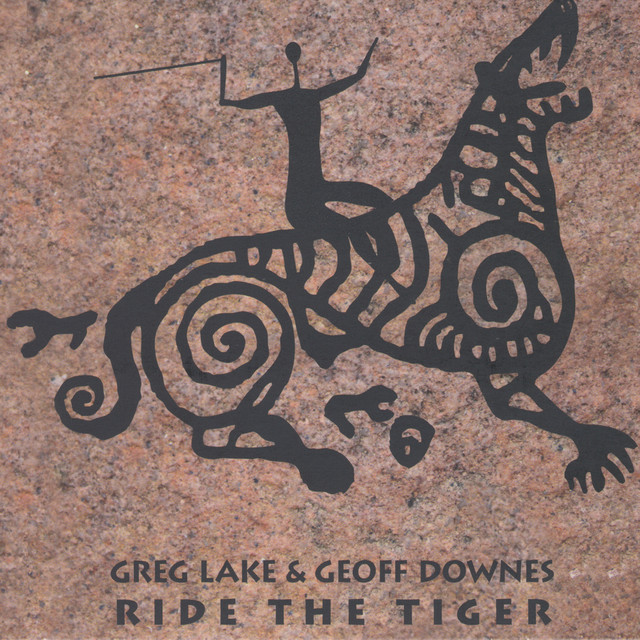
Ride The Tiger
Geoff Downes (2015)
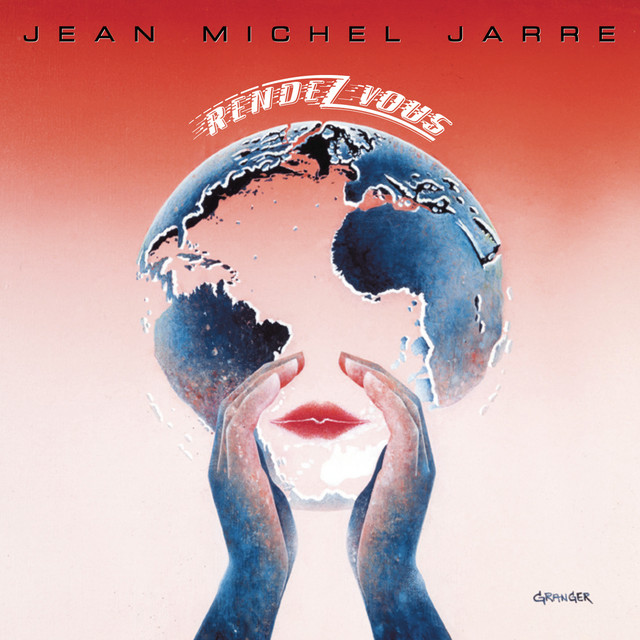
Rendez-Vous
Jean Michel Jarre (2015)
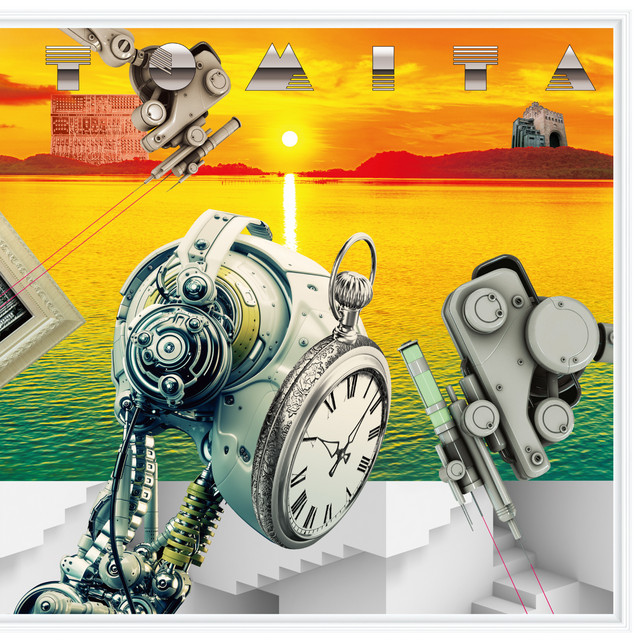
展覧会の絵 ultimate edition
Isao Tomita (2014)
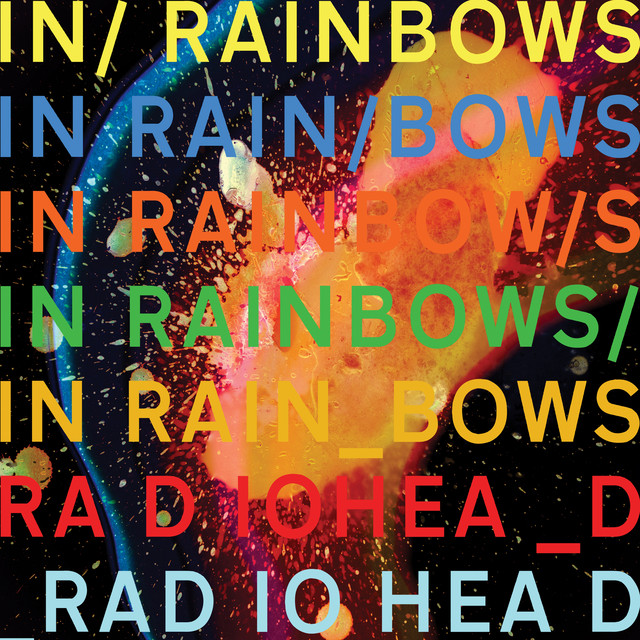
In Rainbows
Radiohead (2007)
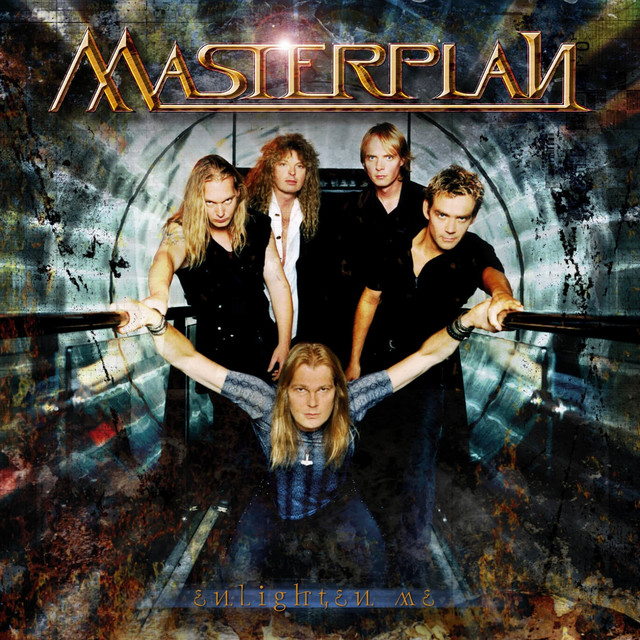
Enlighten Me
Masterplan (2002)
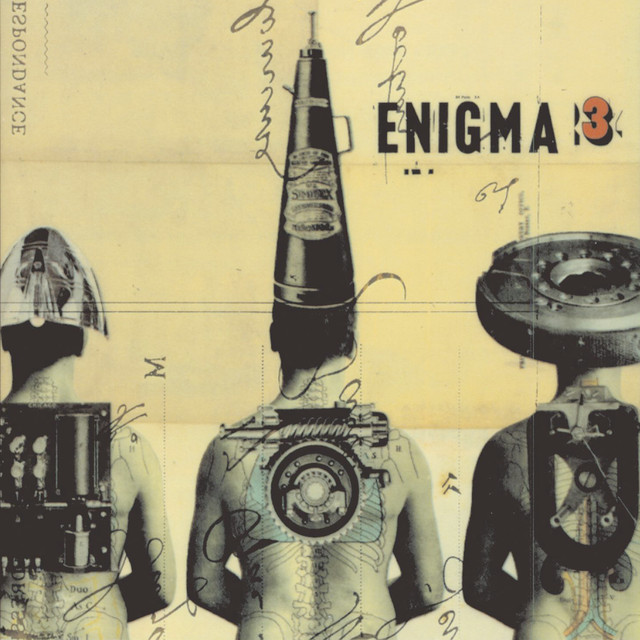
Le Roi Est Mort, Vive Le Roi!
Enigma (1996)

Wild Mood Swings
The Cure (1996)
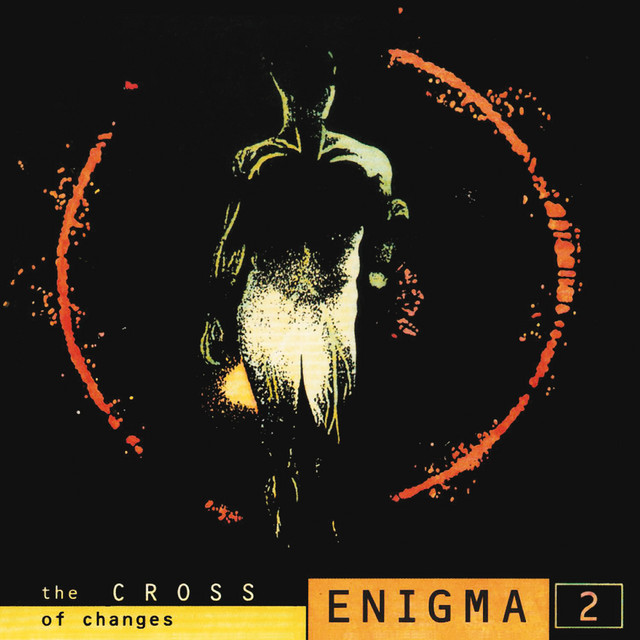
The Cross Of Changes
Enigma (1993)

Woodface
Crowded House (1991)
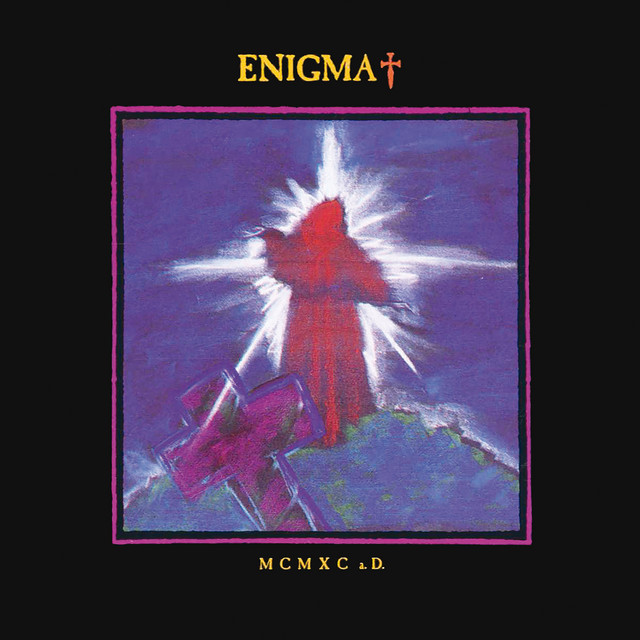
MCMXC a.D.
Enigma (1990)

Corazones
Los Prisioneros (1990)
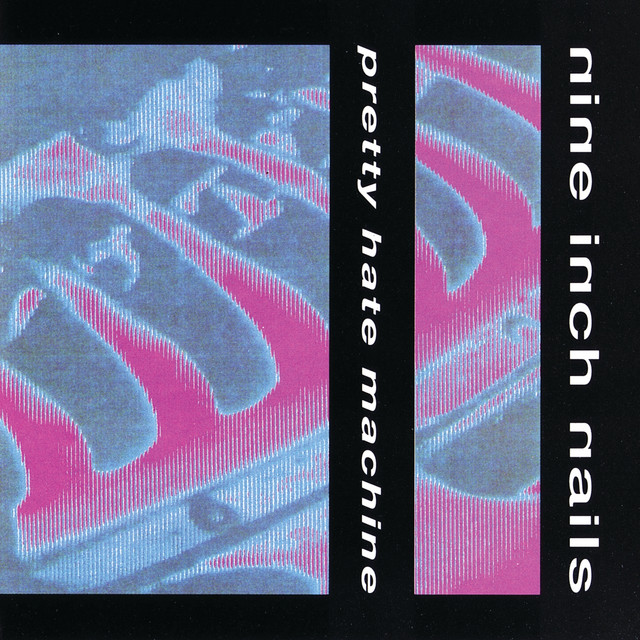
Pretty Hate Machine
Nine Inch Nails (1989)
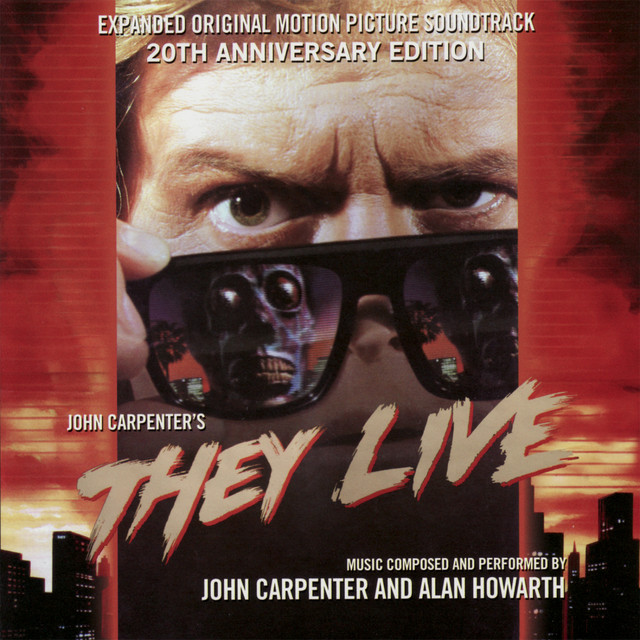
They Live - Expanded Original Motion Picture Soundtrack 20th Anniversary Edition
John Carpenter & Alan Howarth (1989)
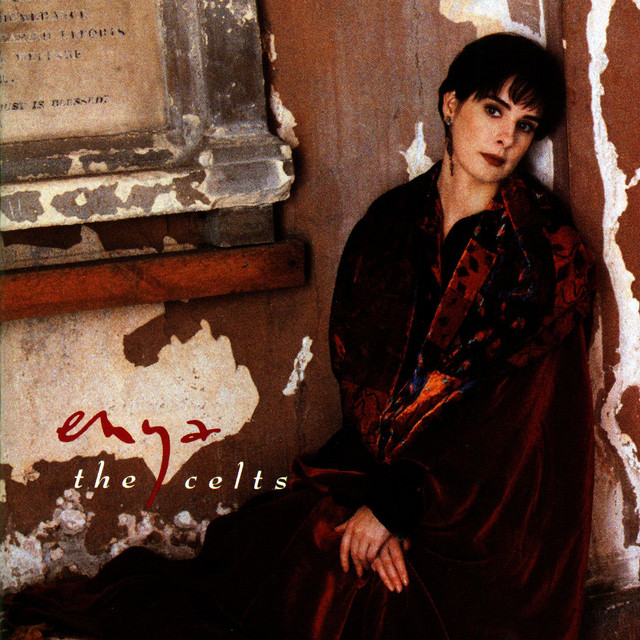
The Celts
Enya (1987)
Hall Of The Mountain King
Savatage (1987)
Life As We Know It
REO Speedwagon (1987)
![E-Mu Emulator II as heard on Rage For Order (Remastered) [Expanded Edition] by Queensrÿche (1986)](https://images.equipboard.com/uploads/album/image/46270/rage-for-order-remastered-expanded-edition.jpg)
Rage For Order (Remastered) [Expanded Edition]
Queensrÿche (1986)
Invisible Touch (2007 Remaster)
Genesis (1986)
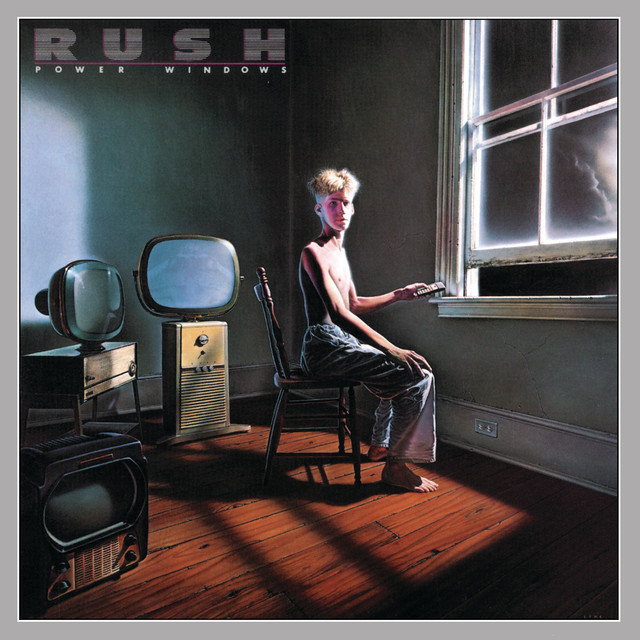
Power Windows
Rush (1985)

A Cappella
Todd Rundgren (1985)
Genre Usage
Based on how artists on Equipboard use this gear, it is most commonly found in the following genres.
Used With
Based on how musicians on Equipboard use E-Mu Emulator II, it is most commonly used with the following gear.


-s.webp?v=1783318437)



Community setups
Show yours

More E-Mu Synthesizers
-m.webp?v=1783177047)


.jpg?v=1782915672)


$3,283.92 - $3,499.99
in Synthesizers Rank


$469.00 - $699.99
in Synthesizers Rank


$19,535.25
in Synthesizers Rank


$999.00 - $1,084.00
in Synthesizers Rank


Accessories & Related Items
-s.webp?v=1783177047)

Similar


Gear Guides









Most Popular Synthesizers
Most Popular Brands
-
Added to Equipboard on by
 adamdavidson
Gear IQ 266
-


