

Pricing and availability




* Product prices and availability are updated by Equipboard every 24hrs and are subject to change. Equipboard may receive compensation for purchases made at participating retailers linked on this site. This compensation does not affect what products or prices are displayed, or the order of prices listed. For more information, please refer to our affiliate disclosure.
Description
Arguably the most beautiful sounding microphone ever produced, the TELEFUNKEN ELA M 250 / 251 was originally sold in two variations: the "ELA M 250E / 251E" version utilized a 6072a tube, while the "ELA M 250 / 251" version contained a TELEFUNKEN AC-701 tube. The "no-suffix" microphones were built to satisfy the standardized requirements of the German and Austrian national broadcast systems. While both versions of these microphones have achieved legendary stature in the modern recording industry, the road to achieving this legendary status was far from instantaneous. In 1947 Neumann GmbH first built the U-47 microphone. From 1947 to 1958 TELEFUNKEN GmbH used their established global distribution network for the products produced by Neumann GmbH, which were sold under the TELEFUNKEN name with a TELEFUNKEN logo badge. In 1958 when Neumann GmbH notified TELEFUNKEN GmbH that they had decided to not renew their distribution contract, TELEFUNKEN reached out to AKG Acoustics about the possibility of AKG creating a "U-47 like" model for TELEFUNKEN to plug into their global distribution network. This U-47-esque microphone was to be known as the ELA M 250. Like the U-47 this new microphone featured the pattern selection (cardioid and omni-directional) switch on the head of the microphone. Around 1958 Neumann GmbH also released their U-48 microphone which featured cardioid and "figure 8" pattern selection. The TELEFUNKEN ELA M 251 was an amalgam of the two as it featured 3 pattern (cardioid, figure 8 and omni-directional) selection capability. The switch housing at the base of the capsule assembly is where the similarity between the Neumann GmbH U-47 / U-48 and the ELA M 250 /251 microphone series ends. The TELEFUNKEN ELA M 250 / 251 features an edge terminated, dual backplate CK-12 capsule (as found in the AKG Acoustics GmbH C-12). The amplifier was the same circuit found in the C-12 that featured a GE 6072 tube and a Haufe 14:1 ratio output transformer. As previously mentioned, a system that featured a TELEFUNKEN AC-701 tube was also designed to meet the technical specifications of German and Austrian broadcast during the period when these microphones were originally constructed. While the C-12 accomplished pattern selection with an outboard switching device that was connected to the power supply, the ELA M 250 / 251 eliminated that addition to the system and minimized both the quantity of wires that had to run to the microphone as well as the expense of the external pattern selection box. The design engineers at AKG Acoustics also came up with another very handy feature, which was the capability to minimize the time necessary to accomplish "field repairs" of the microphone. Both the C-12 and U-47/48 microphones require a fair bit of knowledge, a steady hand, as well as a couple of screwdrivers to get to the internal workings of the mic. All that was required to "field repair" the ELA M 251E was the removal of the ring on the bottom of the body and the metal body tube would slide right off (no tools necessary!!). Once the body tube was removed either the capsule or the amplifier could be replaced in under a minute saving precious time when under the gun in a broadcast or orchestral recording environment. The amplifier in the ELA M 250 / 251 series is housed in a molded plastic enclosure. The capsule is held in place by two metal struts that run up the exterior of the amplifier housing. By implementing this system, either of these critical components could be replaced in seconds and the session could continue while either system element could be sent to the technical shop for "component level repair". This convenience was something the broadcasters of the time found to be a major plus as they had thousands of dollars of musicians sitting around for the live music broadcasts of the day. Any time saved cut down on the expense of the session, and added to the quality of the broadcast. Unfortunately for TELEFUNKEN GmbH, these field replacement provisions also proved to be a sales impediment outside of the orchestral recording world as the plastic bits employed in these microphones added significant cost to the construction of the microphones. The added cost made them markedly more expensive at the time than the Neumann GmbH and AKG Acoustics GmbH products, thus the non Government owned facilities of the time did not adopt these systems as readily as TELEFUNKEN GmbH would have liked. It is thought that fewer than 3700 total original ELA M systems were built from 1960 to 1965 when TELEFUNKEN GmbH discontinued sales of the microphone. Today, prime examples of vintage ELA M 250 / 251 [both "E" and "non E"] microphones have become rare and highly sought after jewels, commanding tens of thousands of dollars on the vintage market. You will find that the TELEFUNKEN Elektroakustik recreations exemplify the best qualities of the best examples of these legendary beasts, and while more expensive than most modern microphones, they are true to the heritage of their 40+ year old brethren.
Source.
Product specs
| Brand | Telefunken |
| Model | ELA M 250E |
| Finish | Mint Green |
| Year | 1960s |
| Made In | Austria |
| Categories | Microphones |
| Electronics | Analog, Tube |
| Microphone Type | Large-Diaphragm Condenser |
| Polar Pattern | Multipattern |
| Wired/Wireless | Wired |
FAQs
-
What type of sound can I expect from the Telefunken ELA M 250 E microphone?
-
The Telefunken ELA M 250 E is known for its smooth, open, and present sonic character, making it ideal for capturing detailed and natural sound across a variety of sources, including vocals and acoustic instruments.
-
What polar patterns does the Telefunken ELA M 250 E offer?
-
The Telefunken ELA M 250 E features a multipattern design, allowing you to switch between different polar patterns for versatile recording applications.
-
Is the Telefunken ELA M 250 E suitable for professional studio use?
-
Yes, the Telefunken ELA M 250 E is a large-diaphragm tube condenser microphone highly regarded in professional studios for its exceptional sound quality and versatility.
-
What kind of electronics does the Telefunken ELA M 250 E use?
-
The Telefunken ELA M 250 E utilizes analog tube electronics, contributing to its warm and rich sound signature.
-
Where is the Telefunken ELA M 250 E manufactured?
-
The Telefunken ELA M 250 E is hand-built and assembled in the USA, ensuring high-quality craftsmanship and attention to detail.


Reviews
Critic Reviews
5.0 out of 5
Based on 0 Reviews and 3 Ratings
Artist usage
Add artist
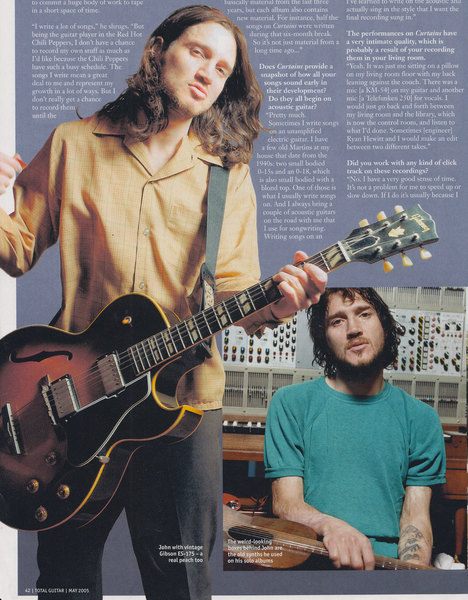
In an interview, Frusciante talks about how songs for his solo album Curtains were recorded in his living room, with a Telefunken 250 mic capturing his vocals. (original source: Total Guitar magazine, May 2005 issue)


Photographer Pat Graham took this picture of Bernard's M250 for his book, Instrument. According to the caption, it's Sumner's favorite mic.

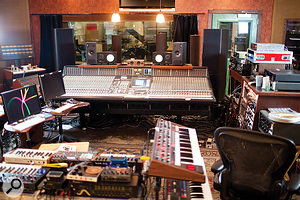
This microphone was used for overheads during the recording of Drones.


Chester Bennington used this microphone for records of Linkin Park album "Hybrid Theory"


Norah Jones, Chasing Pirates – Telefunken ELA M 250 (vintage) paired with a Placid Audio Copperphone

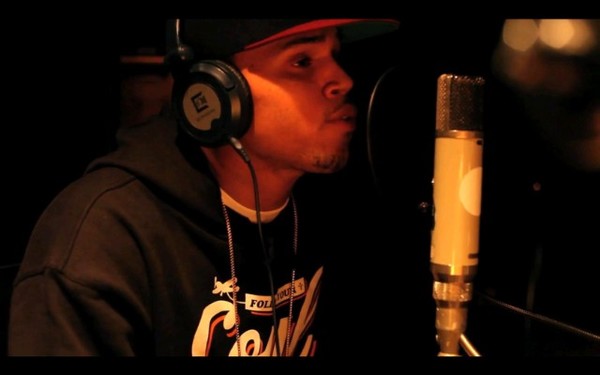
.jpg?v=1784328067)

"Even on my earliest singles I sung into a Telefunken 250 microphone like this, as it works perfectly with my voice. We’ve just made a new Simply Red album to mark our 30th anniversary, and I used this mic for all my vocals."


Album Usage
The Telefunken Elektroakustik ELA M 250 E has been featured on the following albums:

Recollections
Simply Red (2025)
![Telefunken Elektroakustik ELA M 250 E as heard on Drunken Angel (with Alynda Segarra) [From “Norah Jones is Playing Along” Podcast] by Norah Jones & Alynda Segarra (2023)](https://images.equipboard.com/uploads/album/image/321185/drunken-angel-with-alynda-segarra-from-norah-jones-is-playing-along-podcast.jpg)
Drunken Angel (with Alynda Segarra) [From “Norah Jones is Playing Along” Podcast]
Norah Jones & Alynda Segarra (2023)
![Telefunken Elektroakustik ELA M 250 E as heard on Neethanae (International Version by Inno Genga) [From "Mersal"] by Inno Genga (2017)](https://images.equipboard.com/uploads/album/image/304740/neethanae-international-version-by-inno-genga-from-mersal.jpg)
Neethanae (International Version by Inno Genga) [From "Mersal"]
Inno Genga (2017)
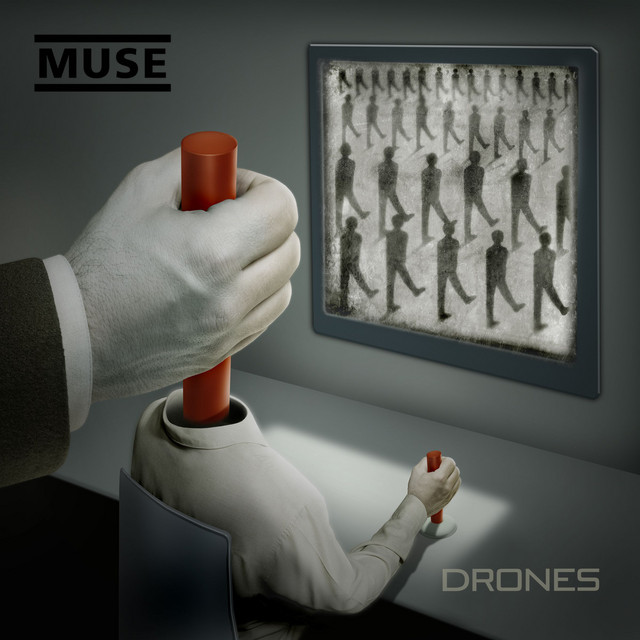
Drones
Muse (2015)
Hybrid Theory Live Around the World
Linkin Park (2012)
Curtains
John Frusciante (2005)
Genre Usage
Based on how artists on Equipboard use this gear, it is most commonly found in the following genres.
Used With
Based on how musicians on Equipboard use Telefunken Elektroakustik ELA M 250 E, it is most commonly used with the following gear.


-s.webp?v=1784905101)

More Telefunken Condenser Microphones

$9,995.00 - $11,090.00
in Condenser Microphones Rank


$12,995.00 - $14,890.00
in Condenser Microphones Rank


$12,995.00 - $14,890.00


$695.00 - $1,495.00


$1,695.00 - $2,111.00


$2,495.00 - $3,285.00


$519.00 - $799.00
in Condenser Microphones Rank


$899.00 - $1,295.00
in Condenser Microphones Rank


-m.webp?v=1784957937)
$2,349.00 - $3,995.00
in Condenser Microphones Rank


$759.05 - $1,299.00
in Condenser Microphones Rank


$159.00 - $251.24
in Condenser Microphones Rank


$75.23 - $119.00
in Condenser Microphones Rank


$109.99 - $151.73
in Condenser Microphones Rank


$303.00 - $419.00
in Condenser Microphones Rank

.png?v=1784328078)
Accessories & Related Items


Community setups


Similar


Gear Guides








Most Popular Condenser Microphones
Most Popular Brands
-
Added to Equipboard on by
.jpg?v=1784931632) gchiaren
gchiarenGearIQ 37855
-


