This page about Vox Ampliphonic Galaxie is a stub. You can help improve it:


Pricing and availability




* Product prices and availability are updated by Equipboard every 24hrs and are subject to change. Equipboard may receive compensation for purchases made at participating retailers linked on this site. This compensation does not affect what products or prices are displayed, or the order of prices listed. For more information, please refer to our affiliate disclosure.
Description
After becoming the dominant force in guitar amplification in 1965 and 1966, Thomas Organ desired to expand the Vox brand to new musical markets. Vox recognized an opportunity in the band instrument business and started sourcing brass, woodwind, and string instruments that would bear the Vox name. Many of these instruments were designed by Vox to include a port in the mouthpiece area for attaching a small custom made Vox microphone as a pickup. This allowed the potential for the instrument to be amplified in much of the same fashion as an electric guitar. Now the door was opened for Thomas Organ to sell not only Vox branded horns and stringed instruments to members of the school band, big band, and orchestra community, Vox could also offer these musicians amplifiers for their instruments as well. But Vox had goals that went beyond amplifying band instruments through a Vox amplifier. Thomas Organ also wished to develop outboard effect devices that would radically modify the tone of reed and brass band instruments just as MRB, fuzz tone, and Repeat Percussion had done for guitar. To this end, Vox developed the pocket sized Octavoice I and II as their first "outboard" effects devices for brass and reed instruments. The Vox Ampliphonic Octavoice I and II allowed the amplified signal of these instrument to be dropped by one or two octaves. Vox also developed the Ampliphonic Stereo Multi-Voice Processor that not only allowed wood wind or brass instruments to change octaves but could even make the amplified signal of one instrument to sound like an entire section.
Due to the inherent problems of acoustical feedback that would occur by placing an amplifier behind a woodwind or brass instrument with a microphone used as a pickup, Vox engineers would need to design an amplifier that would sit in front of the musician. This would project the amplified signal of the instrument away from the musician, keeping feedback to a minimum. Their ingenious solution was to build the amplifier and speaker into a low slung cabinet that would sit in front of the musiscian and additionally serve as a music stand.
Three models of amplfied music stands were developed by Vox, all using the same basic cabinet. They were introduced in a 1968 Ampliphonic sales flyer.
The entry model was the single channel, 20 watt peak "Satellite" that featured vibrato, an 8" speaker and an MSRP of $250. The intermediate model was the single channel, 30 watt peak "Galaxie" that featured reverb, vibrato, foot switch, one 10" speaker and an MSRP of $415. The top of the line model was the 60 watt peak "Orbiter," shown at left. It had two channels, reverb, tremolo, a foot switch, two 10" speakers and an MSRP of $515. Vox adapted the Berkeley III chassis for use in the Orbiter.
All three models included a circuit that provided a 440 hz (middle A) tuning reference tone and a lamp to illuminate the music.


Reviews
Based on 0 Reviews and 0 Ratings
Artist usage
Add artist
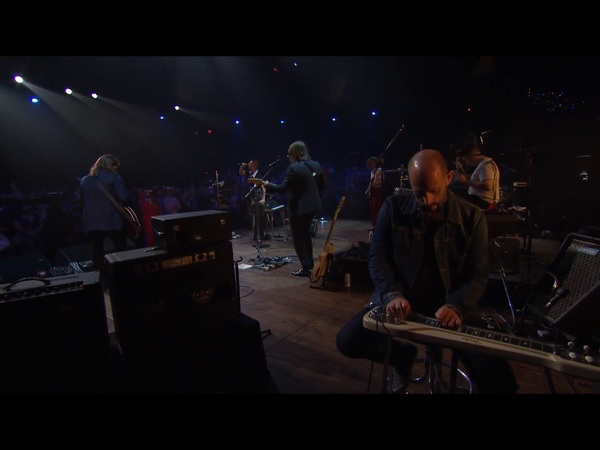
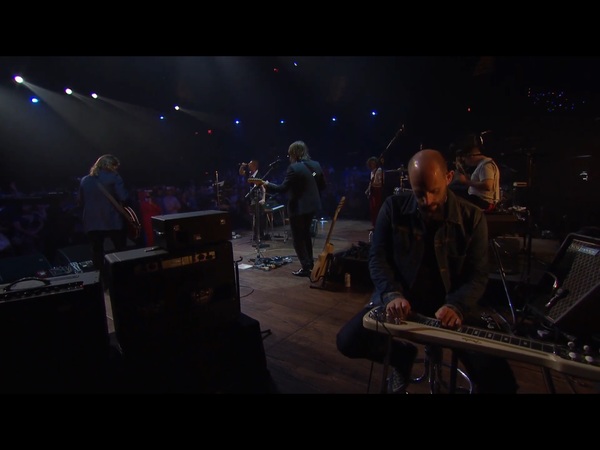
Tom Rowley uses the Vox Ampliphonic Galaxie amps for keyboards, as seen in the user-uploaded photo.

Genre Usage
Based on how artists on Equipboard use this gear, it is most commonly found in the following genres.
More Vox Combo Guitar Amplifiers

$699.00 - $1,028.64
in Combo Guitar Amplifiers Rank


-m.webp?v=1783118910)
$650.00 - $1,049.99
in Combo Guitar Amplifiers Rank


$949.00 - $1,799.99
in Combo Guitar Amplifiers Rank


-m.webp?v=1783118910)
$650.00 - $1,049.99
in Combo Guitar Amplifiers Rank


$1,880.20 - $2,651.58
in Combo Guitar Amplifiers Rank


-m.webp?v=1783118912)
$90.00 - $129.99
in Combo Guitar Amplifiers Rank


-m.webp?v=1783090747)
$208.00
in Combo Guitar Amplifiers Rank

.png?v=1783063050)

$439.00 - $799.99
in Combo Guitar Amplifiers Rank


$650.00 - $1,049.99
in Combo Guitar Amplifiers Rank


$440.39 - $1,799.99
in Combo Guitar Amplifiers Rank


$440.39 - $1,799.99
in Combo Guitar Amplifiers Rank


$1,642.00 - $2,499.99
in Combo Guitar Amplifiers Rank


-m.webp?v=1783118910)
$332.00 - $1,049.99
in Combo Guitar Amplifiers Rank


$439.00 - $799.99
in Combo Guitar Amplifiers Rank


$946.00 - $1,699.99
in Combo Guitar Amplifiers Rank


$1,699.99
in Combo Guitar Amplifiers Rank

.jpg?v=1782934845)


$599.95 - $699.99
in Combo Guitar Amplifiers Rank


$799.99 - $1,049.99
in Combo Guitar Amplifiers Rank


.jpeg?v=1783082401)


$810.00 - $1,099.99


$1,642.00 - $2,499.99


$185.00 - $279.99


$650.00 - $899.99

$1,949.00


$946.00 - $1,699.99


$1,799.99 - $1,931.48


.jpg?v=1782923559)


$209.63 - $399.99

$699.00 - $999.99

.png?v=1783083475)


Community setups


Similar


Gear Guides







Most Popular Combo Guitar Amplifiers
Most Popular Brands
-
Added to Equipboard on by
 joe_kennick
Gear IQ 87
-


