


Pricing and availability
We compare 600+ stores and found this item at 1 store. Prices updated .
Store
Reviews
Price




Average Price: $995
Standard/Professional
$500
$1501+
Price Tier
Budget
Standard
High-end
* Product prices and availability are updated by Equipboard every 24hrs and are subject to change. Equipboard may receive compensation for purchases made at participating retailers linked on this site. This compensation does not affect what products or prices are displayed, or the order of prices listed. For more information, please refer to our affiliate disclosure.
Description
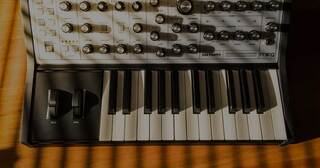
Experience the magic of analog sound with the Moog Micromoog, a trailblazer in the world of synthesizers. Renowned for its unique sub-octave capabilities, this compact yet powerful monosynth allows musicians to explore new sonic territories. Additionally, it doubles as a filter processor courtesy of an audio-in jack, opening up a world of sound manipulation possibilities.
Key Features:
- Analog monosynth with unique sub-octave capabilities
- Functions additionally as a filter processor via the audio-in jack
- Compact design, suitable for musicians on-the-go
- Renowned for its rich, analog sound quality
- Trailblazer in the synthesizer world, paving the way for future models
Product specs
| Brand | Moog |
| Model | MicroMoog |
| Finish | Black |
| Year | 1975 - 1979 |
| Made In | United States |
| Categories | Analog Synths, Keyboard Synths |
| Analog / Digital | Analog |
| Key Size | Full Size |
| Keyboard Action | Synth Action |
| Number of Keys | 32 Keys |
| Polyphony | 1 Voice |
FAQs
-
Is the Moog Micromoog suitable for beginners interested in analog synthesis?
-
The Moog Micromoog, with its straightforward interface and single-voice analog design, is a great choice for beginners looking to explore classic analog synthesis. Its simplicity allows new users to learn the basics of sound design without being overwhelmed by complex features.
-
What kind of sounds can I create with the Moog Micromoog?
-
The Moog Micromoog offers a range of classic analog sounds, from deep basses and rich leads to expressive effects. Its single oscillator and flexible modulation options allow for warm, vintage tones typical of Moog's renowned analog character.
-
Is the Moog Micromoog monophonic or polyphonic?
-
The Moog Micromoog is a monophonic synthesizer, meaning it can play only one note at a time. This design is ideal for bass lines, lead melodies, and expressive solos.
-
How does the Moog Micromoog's keyboard action feel?
-
The Moog Micromoog features a synth action keyboard with 32 full-sized keys, providing a responsive and smooth playing experience suitable for both live performance and studio work.
-
What are the standout features of the Moog Micromoog's sound engine?
-
The Moog Micromoog's sound engine is known for its single oscillator with variable waveforms, a classic Moog filter, and a flexible modulation section, making it capable of producing rich, vintage analog sounds with ease.
Videos

AutomaticGainsay
The Moog Micromoog
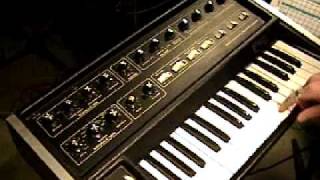
The Moog Micromoog
AutomaticGainsay
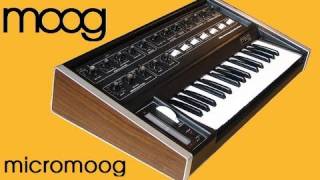
MOOG MICROMOOG Analog Synthesizer 1975 | HQ DEMO

AnalogAudio1
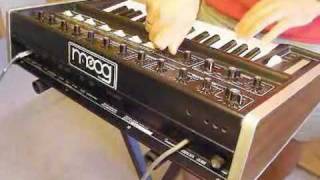
Moog Micromoog Analog Synthesizer (1975)

RetroSound
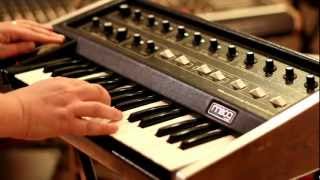
Moog Micromoog demo

SynthMania
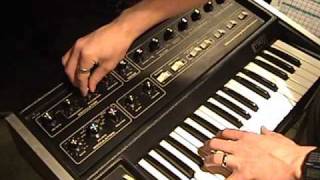
The Moog Micromoog (high quality)
AutomaticGainsay
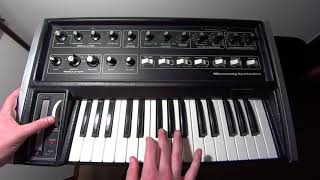
Synth Stuff Ep. 17 - Moog Micromoog

tritonrecordings
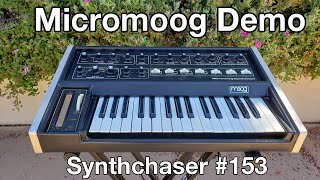
Moog Micromoog Demonstration - Synthchaser #153

Synthchaser
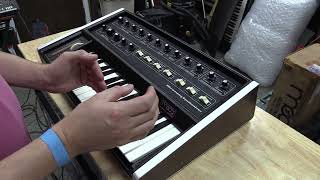
Billy's Micromoog Restore/Demo (by synthpro)

synthpro
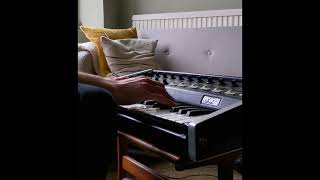
Moog Micromoog sounds

Tim Mantle / Psalm37patches
Reviews
PROS
-
Unique sound capabilities, distinct from Minimoog
-
Suitable for techno and abstract electronic music
-
Variable waveshape and sub-octave generation for rich sound textures
-
Iconic Moog ladder filter produces unparalleled warmth
-
Robust modulation section for creative sound design
-
Can process external audio through its filter
-
Offers a classic, vintage feel with firm and chunky controls
-
Modifiable for enhanced bass sounds
CONS
-
Construction quality considered "ok" by some users
-
Suboscillator not a true substitute for a second VCO
-
Stripped-down envelope design limits sound shaping
-
Pitch ribbon and keybed may be prone to failure
-
Requires frequent tuning and servicing due to its vintage nature
-
Some users find it lacking for basses and complex sounds
Owner Insights
We analyzed real musician discussions from forums and Reddit to find what players love, question, and tweak about Moog Micromoog.
Setup and maintenance
Features and functionality
-
The Micromoog uses S-trig with a 2-pin plug, not the standard v-trig, which may affect compatibility with modern sequencing setups.
Source
Build quality
Use cases and applications
-
Despite vintage design concerns, it's sought after for its unique vintage vibes and sounds, appealing to collectors and musicians with existing modern synths.
Source
Mods and upgrades
Critic Reviews
5.0 out of 5
Based on 2 Reviews and 10 Ratings

110
Excellent unique sound
My first synth too! Classic piece of gear. I had mine modded to give it an even fatter bass (Google it, it's an easy mod) and it sounds amazing.
The best thing about it is that you can sweep through the waveshapes, and the doubling effect gives a slight feeling of having 2 oscillators, although I used it very lightly.
A synth I thought I would never sell but I eventually did, and replaced it with a Moog Grandmother. It was going out of tune all the time, needed servicing often, keys were getting wonky. Normal stuff for a vintage synth. Also I used to own a Moog Prodigy and I was missing a synth with OSC Sync. A small regret that sometimes keeps me up at night, the sound was so very special!

.jpg?v=1773800267)
1558
My first keyboard was a Casio SA-1,so funny
Artist usage
Add artist

You can see the Micromoog in his studio, he also mentions it over and over in the interview.


Roger O'Donnell lists the Moog Micromoog as the fifth item in his keyboard section on his official website, indicating its use in his musical setup.


"I've never sold a keyboard, even my first two-a Micromoog and a Roland JP4 with which I recorded everything in 'She Blinded My With Science.'"


"I remember Candida playing a basic part on 'Common People' with the Farfisa — which produced her big kind of signature sound — but a lot of that was redone. Sitting with his Micromoog, Jarvis was constantly going, 'Just give me that for a second.' So, we'd run the part through the Moog, he'd fiddle with it and we'd put it back down on tape. Candida's keyboards all had push-button presets, and Jarvis modifed everything so they didn't sound like push-button presets but had a certain Jarvis-ness about them." David Nicholas, Pulp's Engineer.

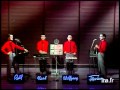
At 4:06 (during the song Radio-Activity) Ralf can be seen playing a Moog Micromoog.

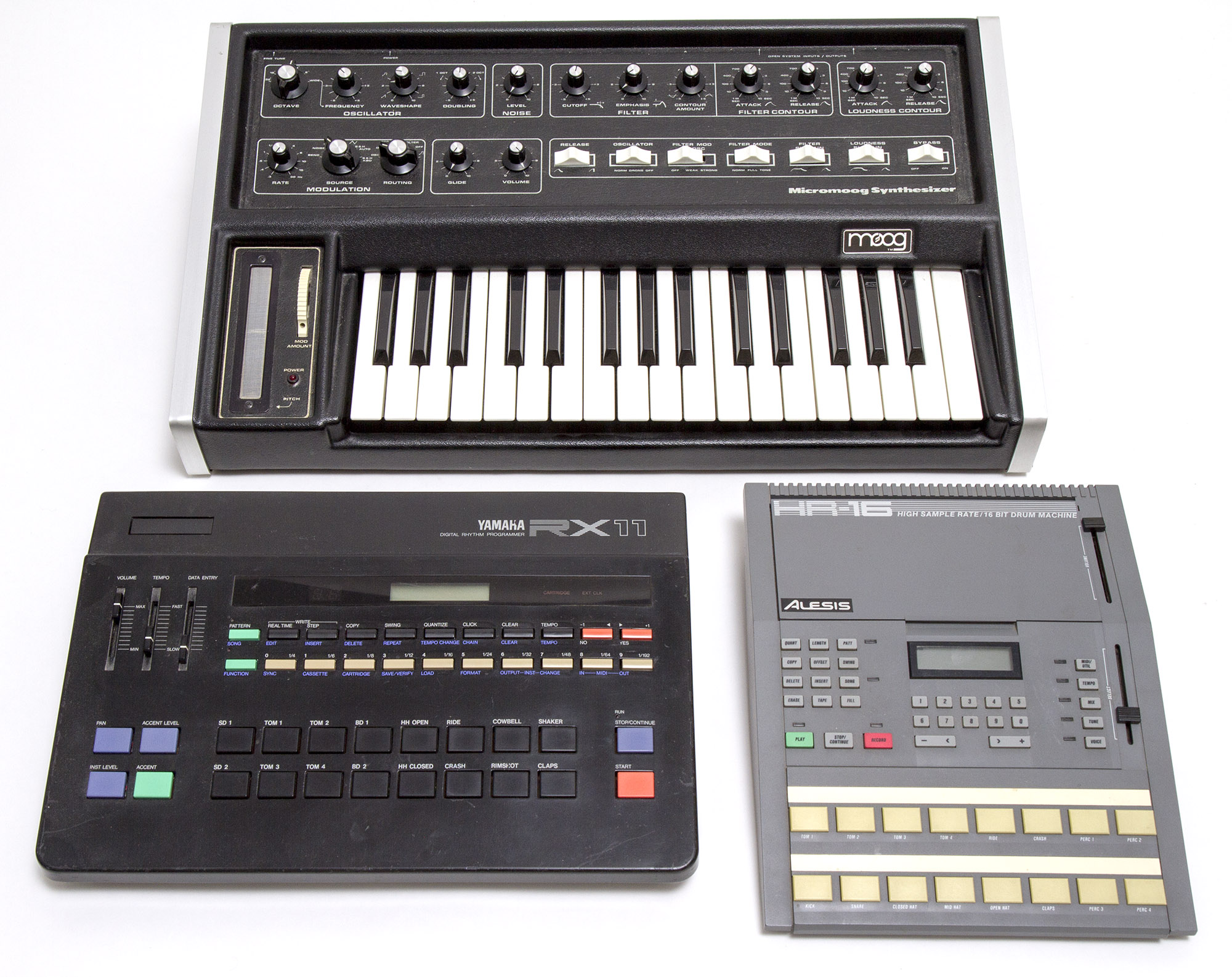
John Flansburgh confirms the use of the Moog Micromoog in his music through multiple Tumblr posts, where he specifically mentions employing the keyboard as a drum machine. He achieves a snare sound by "using the white noise generator with a quick attack and slow decay." This information is corroborated by the TMBW: The They Might Be Giants Knowledge Base.


What kind of gear did you use at the time?
R: “Caustic” was a pretty minimal set up. All we used was the Atari, an Akai S1000 and S950, a Minimoog, Micromoog, Pro One and a Kawai K4 for strings… Less is more I’m starting to think! We did have a couple disks of Adrian Sherwood drums and Yello bass sounds for the Akai that were used a lot.


John Linnell used a micromoog early in his career, in They Might Be Giants and in his band before that, the Mundanes (as seen in the video). It was used to provide synth leads and synthesize drum tracks on early demos. It was beginning to break down in 1990 and is possibly now out of service.


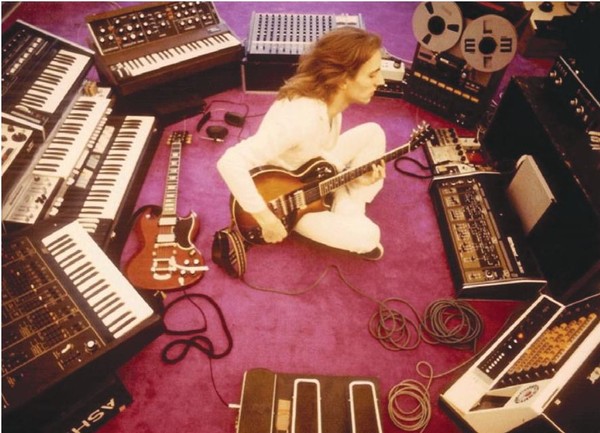
This forum post lists the various keyboards that Richard Tandy used on all the ELO albums. The Moog Micromoog is among the list


.jpg)

Album Usage
The Moog Micromoog has been featured on the following albums:

Sand, Moon & Stars
Carl Cox (2021)
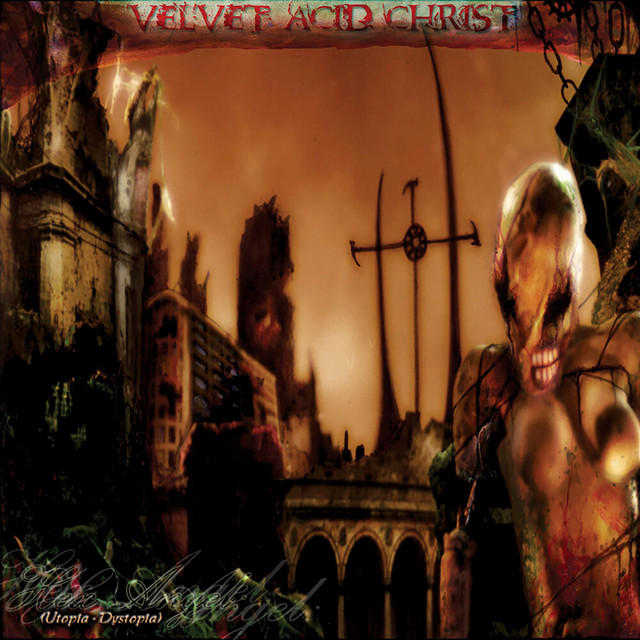
Hex Angel (Utopia-Dystopia)
Velvet Acid Christ (2003)
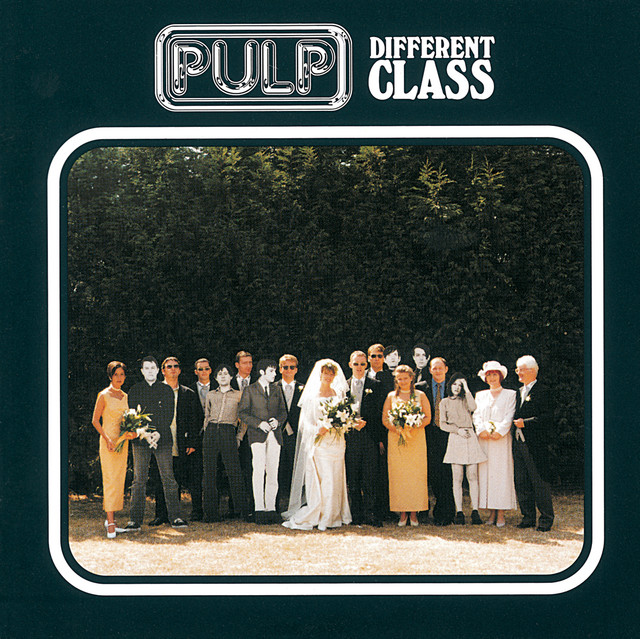
Different Class
Pulp (1995)
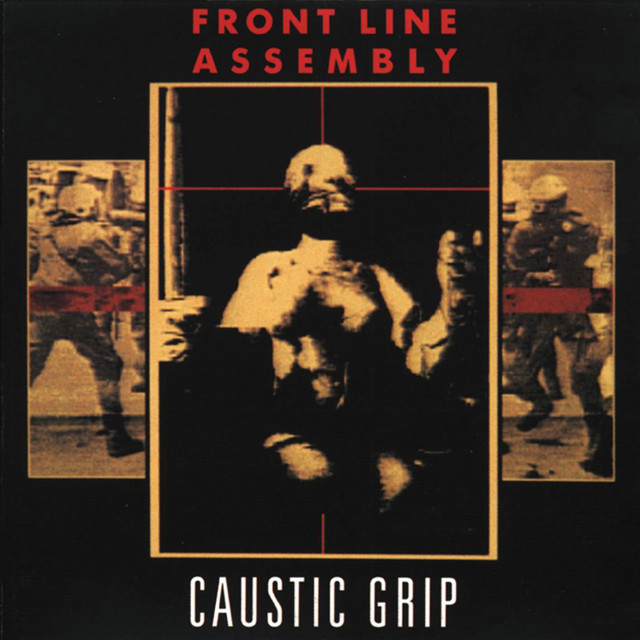
Caustic Grip
Front Line Assembly (1990)
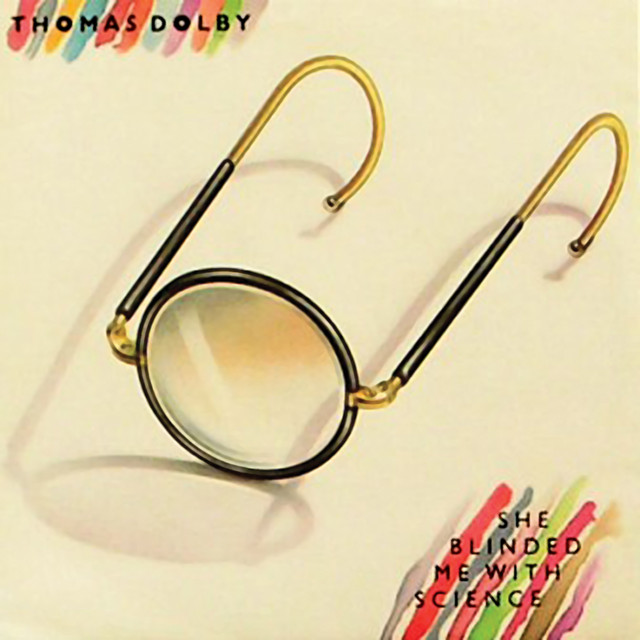
She Blinded Me With Science
Thomas Dolby (1987)
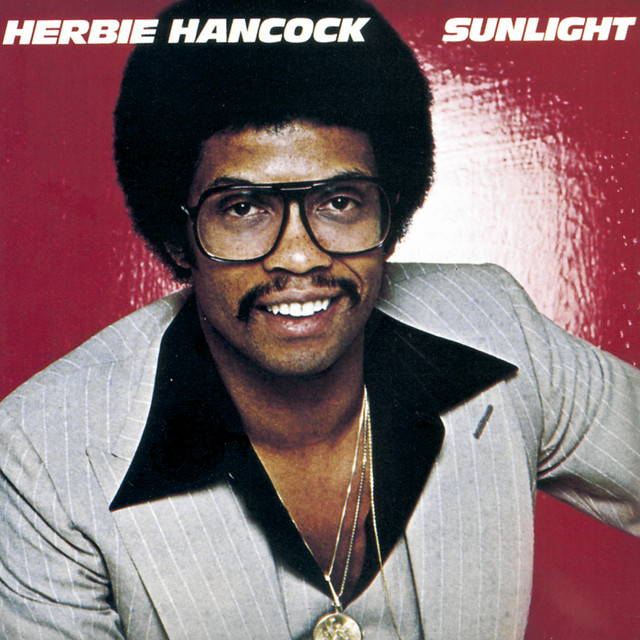
Sunlight
Herbie Hancock (1978)

The Man-Machine (2009 Remaster)
Kraftwerk & Kraftwerk (1978)
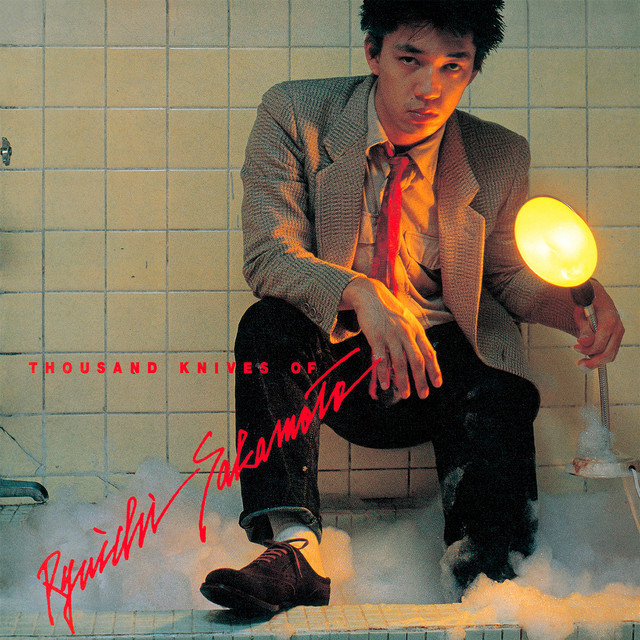
千のナイフ (2016 リマスター)
Ryuichi Sakamoto (1978)
Genre Usage
Based on how artists on Equipboard use this gear, it is most commonly found in the following genres.
Used With
Based on how musicians on Equipboard use Moog Micromoog, it is most commonly used with the following gear.




-s.webp?v=1783263541)


Community setups
Show yours
More Moog Synthesizers

$999.00 - $1,084.00
in Synthesizers Rank


-m.webp?v=1783177119)
$1,200.00
in Synthesizers Rank


$1,470.85 - $1,899.00
in Synthesizers Rank


-m.webp?v=1783255096)
$1,709.10 - $1,944.00
in Synthesizers Rank


$3,999.00 - $4,999.00
in Synthesizers Rank


$627.41
in Synthesizers Rank


$6,600.00 - $10,444.00
in Synthesizers Rank


$52.00 - $799.99
in Synthesizers Rank


-m.webp?v=1783290040)
$348.50 - $399.00
in Synthesizers Rank


$8,900.00
in Synthesizers Rank


$800.00
in Synthesizers Rank


$600.00
in Synthesizers Rank


-m.webp?v=1783163039)


$9,999.00


-m.webp?v=1783176995)


$12,999.00


-m.webp?v=1783065198)


$964.00


$9,999.00


$1,650.00


$1,438.99 - $1,899.00


$3,999.00 - $5,199.00


-m.webp?v=1773990669)

Accessories & Related Items
-s.webp?v=1783163039)



-s.webp?v=1783255096)


-s.webp?v=1783065198)

Similar


Gear Guides









Most Popular Synthesizers
Most Popular Brands
-
Added to Equipboard on by
 haas123
Gear IQ 21966
-


