

Pricing and availability
We compare 600+ stores and found this item at 1 store. Prices updated .
Store
Reviews
Price




Average Price: $3,457
High-end/Boutique
$500
$1501+
Price Tier
Budget
Standard
High-end
* Product prices and availability are updated by Equipboard every 24hrs and are subject to change. Equipboard may receive compensation for purchases made at participating retailers linked on this site. This compensation does not affect what products or prices are displayed, or the order of prices listed. For more information, please refer to our affiliate disclosure.
Description
The Moog Polymoog Synthesizer 203a is a symphony of sonic innovation, bridging the gap between vintage charm and modern functionality. This iconic synthesizer, first introduced in the late 1970s, continues to captivate musicians with its polyphonic capabilities, allowing for the simultaneous playing of multiple notes, a distinctive feature in Moog's history. Designed for the adventurous musician, the Polymoog 203a is equipped with 71 full-sized keys, offering a vast canvas for creativity and expression.
This synthesizer is renowned for its unique sound architecture, featuring a plethora of preset sounds that range from lush strings to ethereal pads. The 203a is not just about presets; it provides a robust array of controls for real-time sound manipulation, including a resonant filter and modulation options. The inclusion of a built-in equalizer gives users the ability to fine-tune their sound to perfection, making it a versatile tool for both studio and live performances.
Whether you're a vintage synth enthusiast or a modern music producer, the Polymoog Synthesizer 203a offers a timeless quality that transcends musical genres. Its distinctive resonant filter and modulation capabilities provide endless possibilities for sound design, making it a staple in the arsenal of any serious musician.
Key Features:
- 71 full-sized keys for expansive playability
- Polyphonic synthesis for complex sound creation
- Built-in resonant filter for unique audio shaping
- Extensive modulation controls for dynamic sound manipulation
- Preset sounds ranging from strings to pads
- Integrated equalizer for precise sound customization
- Ideal for both studio sessions and live performances
Product specs
| Brand | Moog |
| Model | Polymoog |
| Finish | Black |
| Year | 1975 - 1978 |
| Made In | United States |
| Categories | Analog Synths, Keyboard Synths |
| Analog / Digital | Analog |
| Key Size | Full Size |
| Keyboard Action | Synth Action |
| Number of Keys | 80 Keys |
| Polyphony | 71 Voices |
FAQs
-
What type of synthesis does the Moog Polymoog Synthesizer 203a use?
-
The Moog Polymoog Synthesizer 203a utilizes analog synthesis, which is known for its warm and rich sound quality that is highly sought after by musicians and producers.
-
How many keys does the Moog Polymoog Synthesizer 203a have?
-
The Moog Polymoog Synthesizer 203a features a full-size keyboard with 80 keys, providing an extensive range for complex performances and compositions.
-
Is the Moog Polymoog Synthesizer 203a polyphonic or monophonic?
-
The Moog Polymoog Synthesizer 203a is polyphonic, capable of playing up to 71 voices simultaneously, making it suitable for creating rich, layered sounds.
-
What are the standout features of the Moog Polymoog Synthesizer 203a?
-
The Moog Polymoog Synthesizer 203a is notable for its full-size 80-key keyboard, 71-voice polyphony, and classic analog sound, which are ideal for both live performances and studio recordings.
-
Does the Moog Polymoog Synthesizer 203a have any preset sounds?
-
Yes, the Polymoog Synthesizer 203a includes a variety of preset sounds, allowing users to quickly access classic Moog tones and customize them further for unique soundscapes.
Videos

shookmusic
Polymoog 203A Synthesizer: A Sonic Exploration

Polymoog 203A Synthesizer: A Sonic Exploration
shookmusic
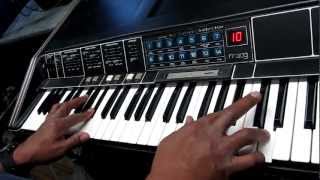
MOOG POLYMOOG KEYBOARD SYNTHESIZER @ RAINBOWMUSICOMAHA RAINBOW RECORDING STUDIOS NE.

rainbow music omaha
Moog Polymoog vs Roland SH-201

Krzysztof Przebinda

Moog Polymoog 203a 1975-1978 Synthesizer w/ Controller & Manual

eclecticsoundspdx
Moog Polymoog synth chat with Matt at Effort Studios

Take the Fear out the Gear
Reviews
PROS
-
Unique sound and layout unmatched by other synths
-
Offers the classic Moog Ladder filter plus additional multimode filters
-
Individual volume levels and outputs for extensive sound mixing
-
Allows for full polyphony across the keyboard
-
Features early velocity sensitivity for expressive playing
-
Preset and manual modes for flexible sound shaping
-
Signal blending options offer creative sound routing possibilities
-
71-note, fully polyphonic capabilities
-
Iconic sounds used by famous artists like Gary Numan
-
Well-designed for restoration and long-term use
CONS
-
Not suitable for touring due to its size and complexity
-
Lacks modulation for the Resonators section, limiting filter movement
-
Some models have reduced editing capabilities compared to others
Owner Insights
We analyzed real musician discussions from forums and Reddit to find what players love, question, and tweak about Moog Polymoog Synthesizer 203a.
Setup and maintenance
-
Repairing the Polymoog often exceeds initial estimates; experienced Moog technicians are essential due to complex repairs and potential for high maintenance costs.
Source
Value and pricing
-
A non-working Polymoog 203a typically sells around $2500, while functional models range from $4000 to $5000, indicating significant repair value discrepancies.
Source
Comparisons
-
The Polymoog is often likened to an elaborate electric piano, lacking the investment potential of more reliable synth models.
Source -
The Polymoog outperforms the Memorymoog in sound clarity, avoiding the "pillow" effect associated with Curtis chips.
Source -
The Yamaha CS-80 surpasses both the Polymoog and Jupiter-8 in sound power and expressiveness, with the Polymoog previously leading in orchestral strings.
Source
User experience
4.5 out of 5
Based on 1 Review and 8 Ratings

1256
Moog's first significant foray into polyphony, as oft-maligned as it is admired, still sought after.
Largely designed by Dave Luce, a Moog Music employee, the Polymoog is a 71-note, fully polyphonic (divide-down) synthesiser, and was produced in two distinctly different models - the 203a and the 208a. The 203a allowed each of the 8 presets to be fully edited and is identifiable by its front panel which is well-stocked with controls. The Polymoog Keyboard (the 208a pictured here) increases the number of presets to 14 but reduces the amount of editing available. Although potentially limited, it was no less popular (as Gary Numan's most famous track will attest to!)
Artist usage
Add artist

This forum post lists the various keyboards that Richard Tandy used on all the ELO albums. The Moog Polymoog is amongst the list


At his home studio (dubbed “50” for the street address where he lives), Price would often access his bank of vintage synths — including a Moog Polymoog, Korg MS-20, Roland SH-09 and a rare Rhodes Chroma — to add textures to a demo track or to supplement the Clavia Nord Lead 3 that Flowers uses as his main synth.


Over the years, Ron Mael has played numerous synths, keyboards and computer-based instruments — Moog's Polymoog, Roland's JP-4 and JP-8, the Wurlitzer electric piano and the Fairlight CMI, to name a few — but his workhorse favorites have been the Yamaha CS-80 (produced in the late '70s) and the sleeker S80 (introduced in 1999).

.jpg)
In this Instagram post, Frank Dukes can be seen sitting in front of multiple synths including this one (top left).

.jpg)
In a recent instagram post Shook stated: "I'm back home again.????? Bought myself a Moog that needs a bit of loving.????????????" which then displays Shook working on the Polymoog keyboard.

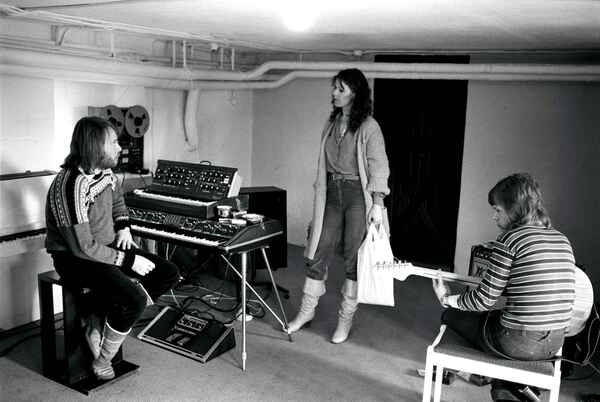
The Moog Polymoog Synthesizer can be seen in this photo with Benny Andersson, with the Minimoog sitting atop it. The image provides clear evidence of Andersson using the Polymoog.


In this video, if you watch the second tune, Greatest Story Ever Told, you can see Brent playing the Polymoog. I know it's a Polymoog because I had one a long time ago...this was during the mid to late 1980s when that keyboard was very popular and versatile...kind of the grandfather of the Kurzweil.
You can also see Brent setting the fine programming on the Polymoog at the beginning of the full concert video, "Truckin' Up to Buffalo" from 7/4/89.


This Guitar Player article states that Phillips used a Polymoog on one of his albums: "Following Wise After the Event, Phillips’ music moved into a much more personal and uncompromising space. The third reissue, 1984—originally released in 1981—saw a major directional shift, as the album comprised almost entirely electronic music performed on a Moog Polymoog and a Roland GR-500 guitar synth."


"Regarding synth I use a lot of different ones like Prophet VS , Mini Moog , Casio Cz5000, yamaha Dx100 , Emu SQ80 , Polymoog

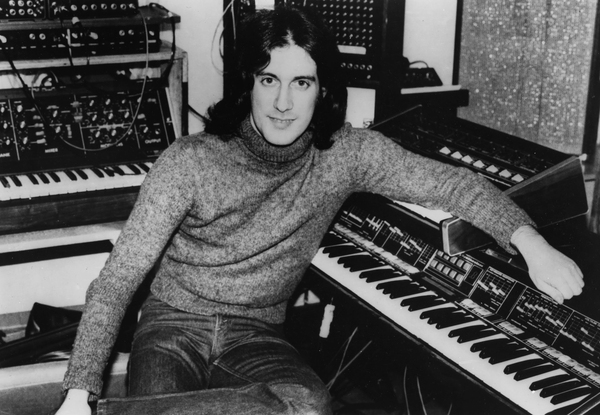
At this picture You can see a Polymoog synthesizer in Larry's studio.


You can see a Polymoog behind him on this photograph.


Album Usage
The Moog Polymoog Synthesizer 203a has been featured on the following albums:
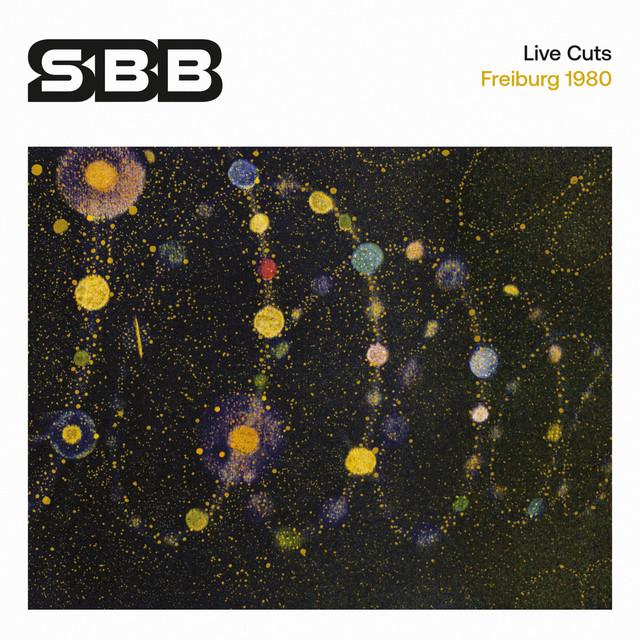
Live Cuts: Freiburg 1980
SBB (2025)
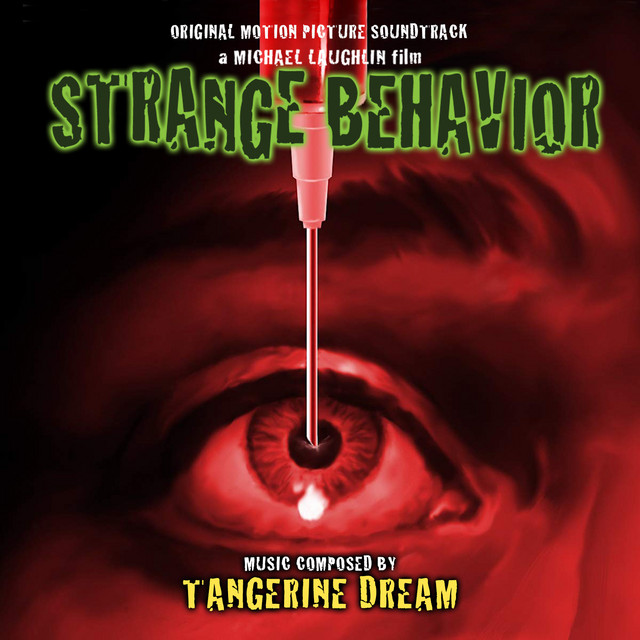
Strange Behavior: Original Soundtrack
Tangerine Dream (2022)

The End (Live)
Black Sabbath (2017)
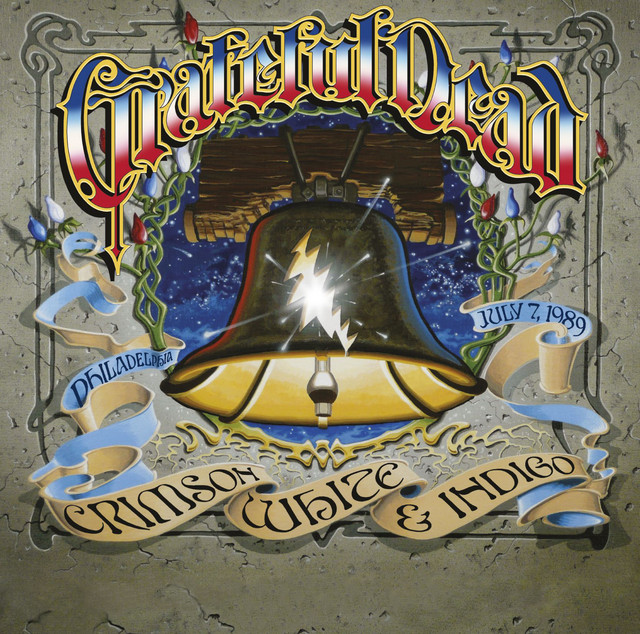
Crimson, White & Indigo: July 7 1989, JFK Stadium, Philadelphia (Live)
Grateful Dead (2010)
Live at Brixton Academy 1999
Atari Teenage Riot (2000)
Ogród Króla Świtu
Marek Bilinski (1982)
1984 (Deluxe Edition)
Anthony Phillips (1981)
Telekon
Gary Numan (1980)
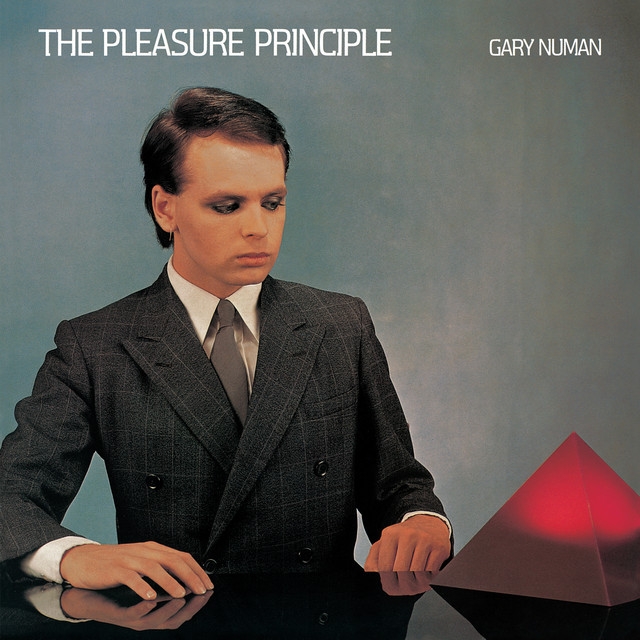
The Pleasure Principle
Gary Numan (1979)
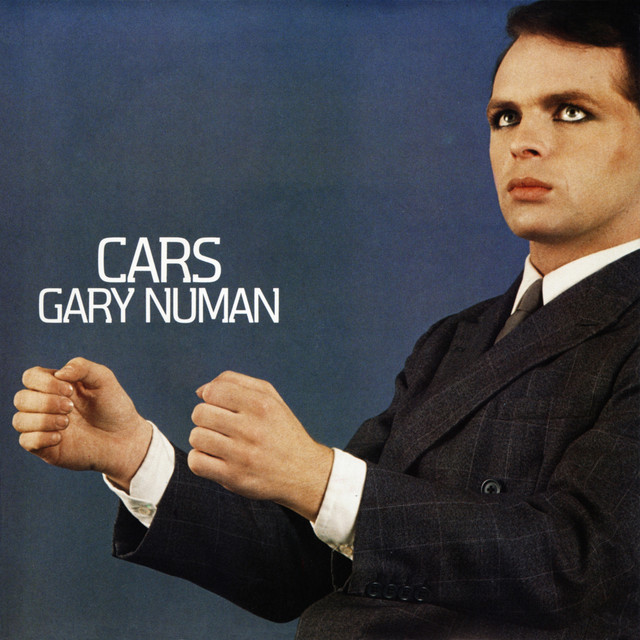
Cars
Gary Numan (1979)

Armed Forces (Super Deluxe Edition)
Elvis Costello & The Attractions (1979)
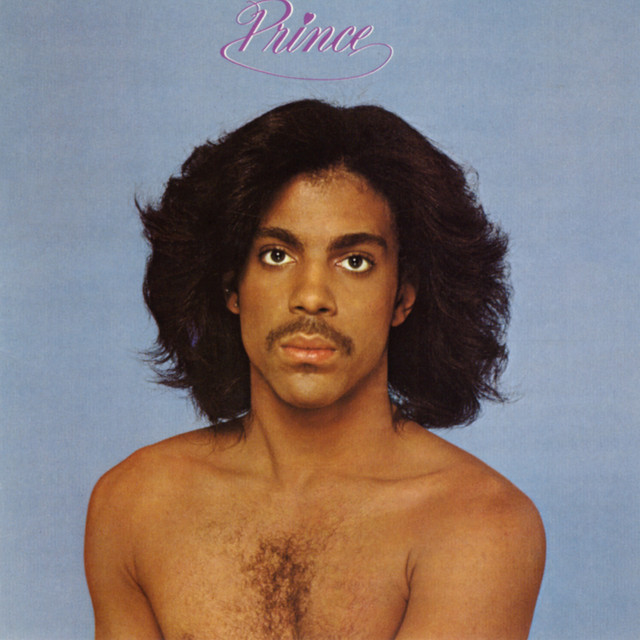
Prince
Prince & Prince (1979)
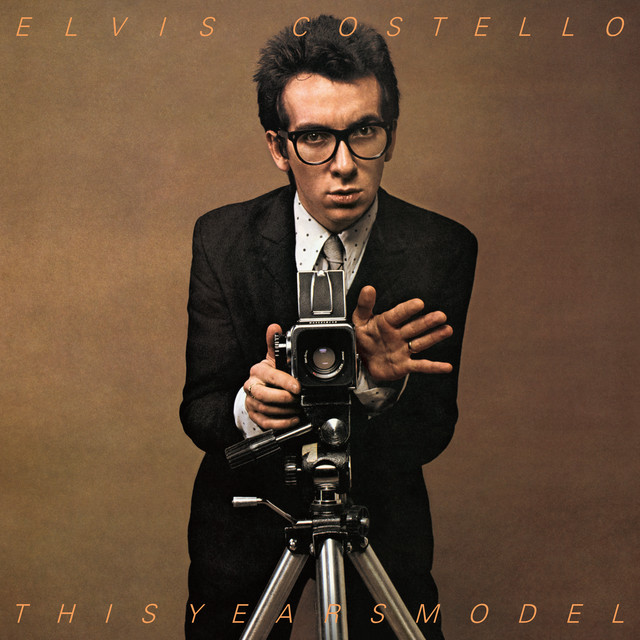
This Year's Model (2021 Remaster)
Elvis Costello & The Attractions (1978)
For You
Prince & Prince (1978)
Who Are You
The Who (1978)
Kosmos
Isao Tomita (1978)

Tormato
Yes (1978)
Sunlight
Herbie Hancock (1978)
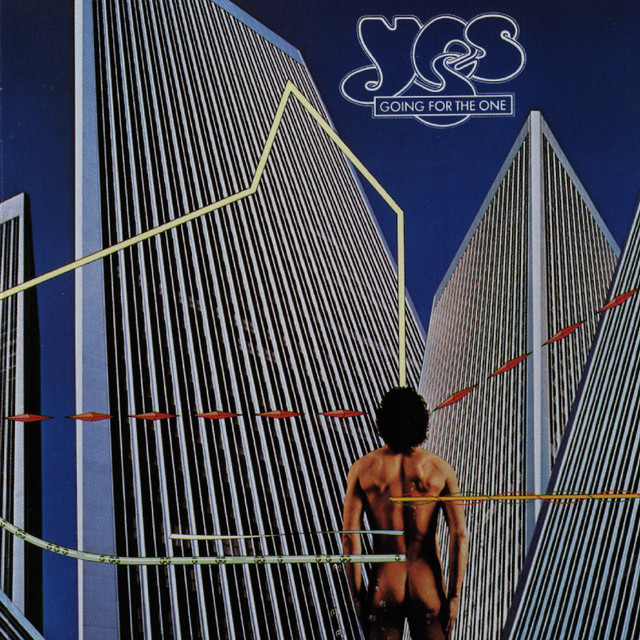
Going for the One
Yes (1977)
Genre Usage
Based on how artists on Equipboard use this gear, it is most commonly found in the following genres.
Used With
Based on how musicians on Equipboard use Moog Polymoog Synthesizer 203a, it is most commonly used with the following gear.





More Moog Synthesizers

$999.00 - $1,084.00
in Synthesizers Rank


-m.webp?v=1783177119)
$1,200.00
in Synthesizers Rank


$1,470.85 - $1,899.00
in Synthesizers Rank


-m.webp?v=1783316513)
$1,709.10 - $1,944.00
in Synthesizers Rank


$3,999.00 - $4,999.00
in Synthesizers Rank


$627.41
in Synthesizers Rank


$6,600.00 - $10,444.00
in Synthesizers Rank


$52.00 - $799.99
in Synthesizers Rank


-m.webp?v=1783316504)
$348.50 - $399.00
in Synthesizers Rank


$8,900.00
in Synthesizers Rank


$800.00
in Synthesizers Rank


$600.00
in Synthesizers Rank


-m.webp?v=1783163039)


$9,999.00


-m.webp?v=1783176995)


$12,999.00


-m.webp?v=1783065198)


$964.00


$9,999.00


$1,650.00


$1,438.99 - $1,899.00


$3,999.00 - $5,199.00


-m.webp?v=1773990669)

Accessories & Related Items


-s.webp?v=1783163039)


Community setups


Similar


Gear Guides








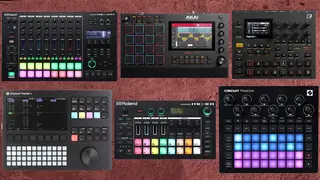

Most Popular Synthesizers
Most Popular Brands
-
Added to Equipboard on by
IitisleeannGear IQ 1371
-


