

Pricing and availability
We compare 600+ stores and found this item at 7 stores. Prices updated .
Store
Reviews
Price




Average Price: $7,433
High-end/Boutique
$400
$1001+
Price Tier
Budget
Standard
High-end
Price History
Based on price data from 5 merchants for "1954 Les Paul Goldtop". Prices shown reflect NEW condition. Tracking began Apr 2, 2026.
* Product prices and availability are updated by Equipboard every 24hrs and are subject to change. Equipboard may receive compensation for purchases made at participating retailers linked on this site. This compensation does not affect what products or prices are displayed, or the order of prices listed. For more information, please refer to our affiliate disclosure.
Description
Experience the Exquisite Craftsmanship of the 1954 Gibson Les Paul Goldtop
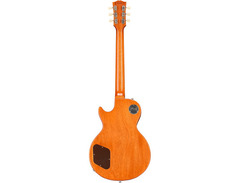
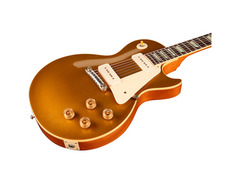
Crafted to recreate the essence of the original model, the 1954 Gibson Les Paul Goldtop brings back the golden era of guitars. This stunning piece is a fine example of the Gibson Custom Shop's commitment to quality, authenticity, and meticulous attention to detail.
The 1954 Les Paul Goldtop delivers a robust tone, thanks to its unique "wraparound" tailpiece that some players believe enhances sustain and tonality. Its rich sound has been the choice of many legendary guitarists like Freddie King and Jeff Beck, who were drawn to its distinct character and vocal quality.
One of the key aspects of this guitar is its chunky "C" profile neck. It's the perfect choice for Les Paul aficionados who crave that substantial feel when they wrap their hands around the neck. The premium mahogany used in the neck and body construction further amplifies the richness of the sound.
This reissue also boasts the original P-90 pickups, bringing back the good-old-days with its full-toned, warm, and creamy sound. This fat snarl that the P-90s serve up is a classic characteristic of the Les Paul sound. Whether you're playing fluid jazz lines, or you want to tap into a slightly rude and gritty tone, the 1954 Gibson Les Paul Goldtop is the guitar that has it all.
Key Features:
- The perfect choice for early Les Paul fans
- Satisfying Chunky “C” neck profile
- Wraparound bridge/tailpiece for enhanced sustain and bendability
- P-90 pickups that deliver the classic, fat Les Paul snarl
- Hide-glued mahogany neck for exceptional sustain and response
- Aged cellulose nitrate trapezoid fingerboard inlays
- Thin, vintage-correct, nitrocellulose-lacquer finish that enhances tone
- Arched maple top
- One-piece mahogany body and neck
- One-piece rosewood fretboard
- 22 x Historic tall / narrow frets
- Aged Cellulose Nitrates Trapezoid Inlays
- Kluson single ring machine heads
- Nickel hardware
- Colour: Double Gold
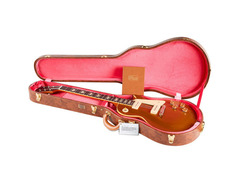
- Includes custom case
- Made in the USA
Product specs
| Available since | May 2019 |
| Colour | Gold |
| Body | Mahogany |
| Top | Maple |
| Neck | Mahogany |
| Fretboard | Rosewood |
| Frets | 22 |
| Scale | 628 mm |
| Pickups | P90, P90 |
| Tremolo | None |
| Incl. Case | Yes |
| Incl. Gigbag | No |
| Limited Run | No |
| Model | 1954 |
| Shape | LP-Style |
| Pickup System | P90, P90 |
FAQs
-
What kind of sound can I expect from the P90 pickups on the 1954 Les Paul Goldtop?
-
The P90 pickups on the 1954 Les Paul Goldtop deliver a bright, punchy tone with a midrange growl, making them versatile for genres like blues, rock, and jazz. They offer a distinct clarity and bite compared to humbuckers.
-
Is the 1954 Les Paul Goldtop suitable for gigging musicians?
-
Yes, the 1954 Les Paul Goldtop is suitable for gigging musicians, offering robust construction and classic Les Paul tone. Its solid mahogany body and maple top provide sustain and resonance, ideal for live performances.
-
What is the neck profile like on the 1954 Les Paul Goldtop?
-
The 1954 Les Paul Goldtop features a rounded neck profile, providing a comfortable grip for players who prefer a thicker neck, making it suitable for both rhythm and lead playing.
-
Does the 1954 Les Paul Goldtop come with a case?
-
Yes, the 1954 Les Paul Goldtop includes a case, ensuring protection and easy transport for the guitar.
-
How does the 1954 Les Paul Goldtop differ from modern Les Paul models?
-
The 1954 Les Paul Goldtop features P90 pickups and a vintage-style construction, offering a unique tonal character distinct from modern Les Pauls, which often use humbuckers for a thicker sound. It retains the classic aesthetic and build of the original 1954 model.
Videos

Mike Burn
Vintage 1954 Gibson Les Paul Goldtop Demo
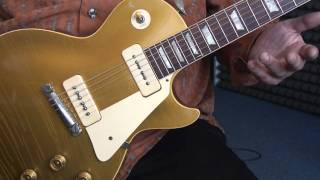
Vintage 1954 Gibson Les Paul Goldtop Demo
Mike Burn
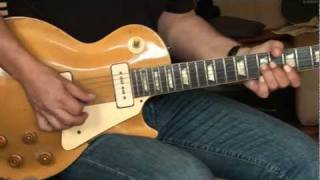
1954 Gibson Les Paul Goldtop / all gold - Part1

GregsGuitars
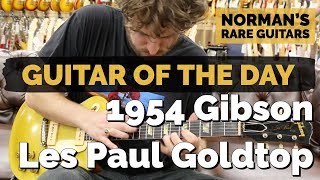
Guitar of the Day: 1954 Gibson Les Paul Goldtop | Norman's Rare Guitars

Normans Rare Guitars
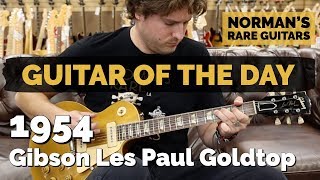
Guitar of the Day: 1954 Gibson Les Paul Goldtop | Norman's Rare Guitars
Normans Rare Guitars
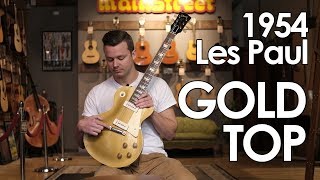
The Daily Demo - 1954 Gibson Les Paul 'Gold Top'

Emerald City Guitars
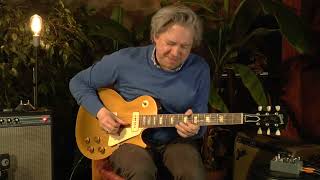
Gibson Les Paul Goldtop 1954 (no reissue) presented by Vintage Guitar Oldenburg and Tobias Hoffmann

Vintage Guitar Oldenburg
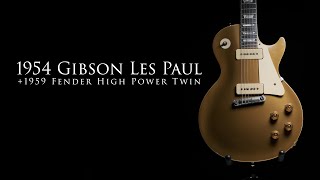
1954 Gibson Les Paul Gold Top and 1959 Fender High Power Twin
Emerald City Guitars
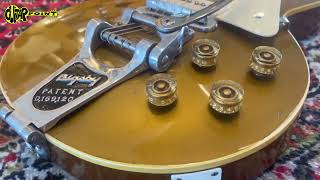
What a Tone Monster: Vintage 1954 Gibson Les Paul Goldtop at GuitarPoint

GuitarPoint
Reviews
Owner Insights
We analyzed real musician discussions from forums and Reddit to find what players love, question, and tweak about 1954 Les Paul Goldtop.
Features and functionality
Setup and maintenance
-
The simple wraptail bridge allows for easy action adjustments by screwing the posts left or right, although intonation is best with .010 strings in standard tuning.
Source
Value and pricing
-
A 1954 Goldtop was mentioned to be valued at $45,000, though some believe this to be underpriced compared to similar vintage models seen in Seattle in 2019.
Source
User experience
Comparisons
-
Owners compare the 1954 Goldtop's tone favorably to Freddie King's early records, attributing its distinct sound to the P90 pickups and wraparound bridge.
Source
Use cases and applications
-
The dynamic and sharp tones of the 1954 Goldtop are praised for blues, capturing the sound even through phone recordings.
Source
Critic Reviews
5.0 out of 5
Based on 0 Reviews and 1 Rating
Artist usage
Add artist

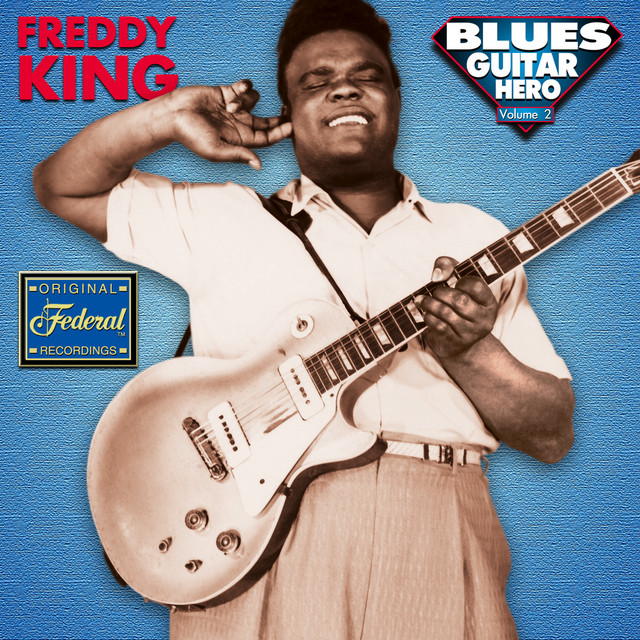
Freddie King can be seen on his album cover for "Blue Guitar Hero" holding what is more than likely a 1954 Gibson Les Paul Goldtop.

.jpg)
In this post Richie is sharing his two Gold Top Les Paul's. Featuring a P90 loaded '54 Gold Top.


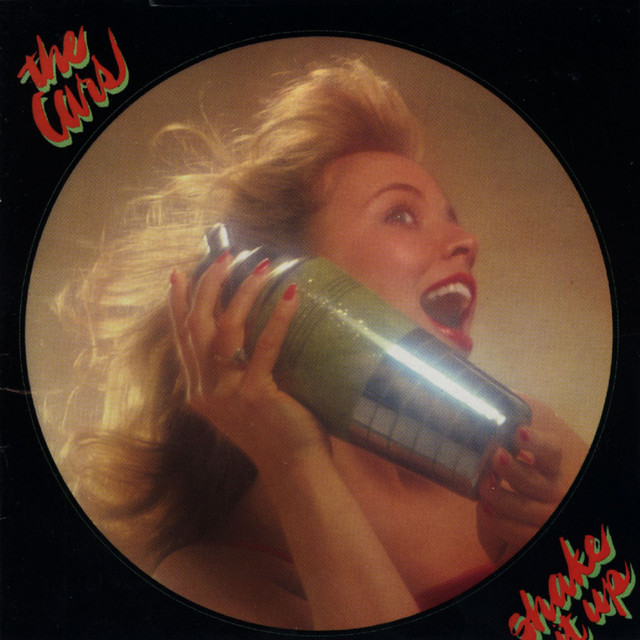
I used it all through the “Shake it Up Tour, but didn’t take it to England to make “Heartbeat City”. Factoid: I traded Bun E. Carlos, the drummer of Cheap Trick, (who is also a lefty and collects vintage guitars), a 1961 Fender Stratocaster in Candy Apple Red. - Elliot Easton


At the site mentioned are many pictures of Fairport Convention in the years 1968 and 1969. Richard is pictured playing a Gibson Les Paul Goldtop with a single-piece wraparound tailpiece (which was introduced in late '53 and continued until the introduction of the Tune-O-Matic bridge on the model in '55). So this guitar is most likely a '54.


John had two early Gold Top P90 loaded Gibson Les Paul electric guitars. One was a 1954 and the other similar in age, this I am not sure of.
Both of Martyn's Les Paul Goldtops were auctioned off in 2024, according to BBC.


According to this interview (transcribed from the February 2000 issue of Guitar Player magazine), Kevin utilized a '54 Goldtop during the recording of Third Eye Blind's second album, Blue.


Pata uses a 1954 Gibson Les Paul Goldtop, famously worn down to the wood and nicknamed "Hage" (meaning "Bald"). This detail is noted on Geocities.


Alan’s main choice and probably the only electric he owned was his 1954 Les Paul. This was an interesting choice due to several reasons. His guitar was not a factory stock model, but had the potential to be what he wanted. The 54 model, did not as play well as later models of the time since the period stock tuning keys did not keep the instrument in tune as well as later, sealed worm gear type Grover tuners. The stock tuners on Alan’s guitar were replaced sometime prior to Woodstock with modern Grover tuners. In addition the pick guard and bracket were also removed to provide room for Alan’s finger picking style. As with his modified harmonicas, both of these modifications made his guitar a more playable instrument to suit his particular needs. Vintage purists today would scoff at any attempts to upgrade a guitar such as this, but Alan wanted a playable instrument, not a showpiece.
The 54 model had a combination bridge / stop tail piece that provided both string support and intonation in one unit. It also featured P-90 single coil pickups. Both of these features were keys to Alan’s tone. Although Alan could have afforded or even borrowed any Playing Guitarguitar he wanted, he chose the 54 Les Paul for the following reasons. The P-90s have a construction whereby multiple windings are wound around a magnet to form a large single coil. The result is a pure tone but is susceptible to outside noise or interference. It can also distort the tone slightly if played or strummed hard. On the other hand, humbucker pickups have a construction whereby two coils are wound in opposite directions of each other and the magnets of each pickup have opposite polarity. Both pickups are then connected together in series. This construction then allows all common mode signals (noise) to be cancelled out. However a side effect is that some of the signal, (music) is also lost due to phase cancellation in the pickup. This results in a quieter, more powerful signal with less music spectrum than a single coil. Alan’s preference was clearly a single coil pickup vs. a humbucker.
The combination of a bridge / stop tail piece attracted Alan as well. The strings were required to run through the bridge toward the bottom of the guitar, then wrap around over the top of the bridge and onto the fret board. This resulted in better mechanical coupling of the strings to the body and increased sustain. The downside to this design is that intonation was less than perfect and was compensated using the string height adjustment screws, and the rear mounted set screws.

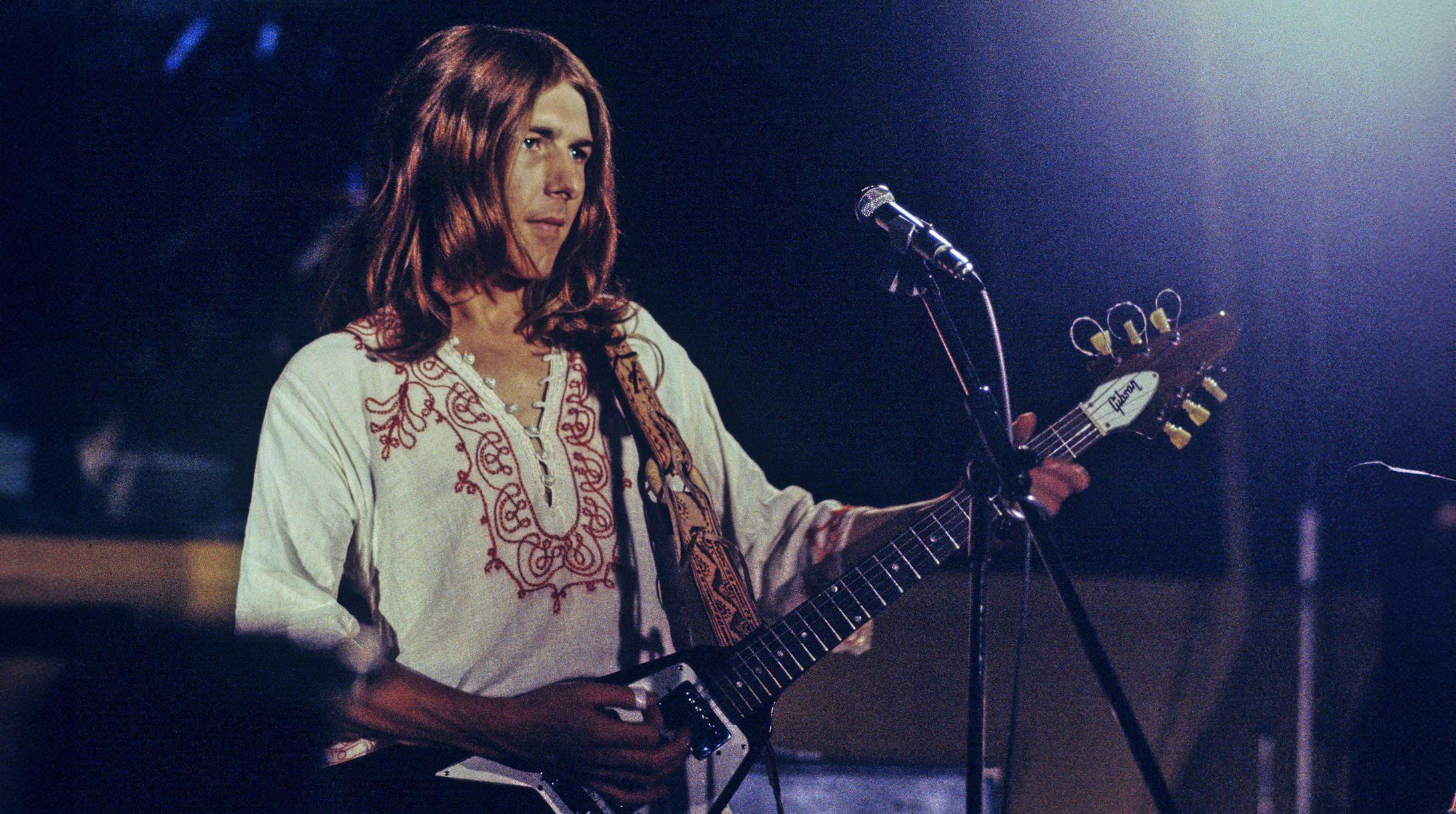
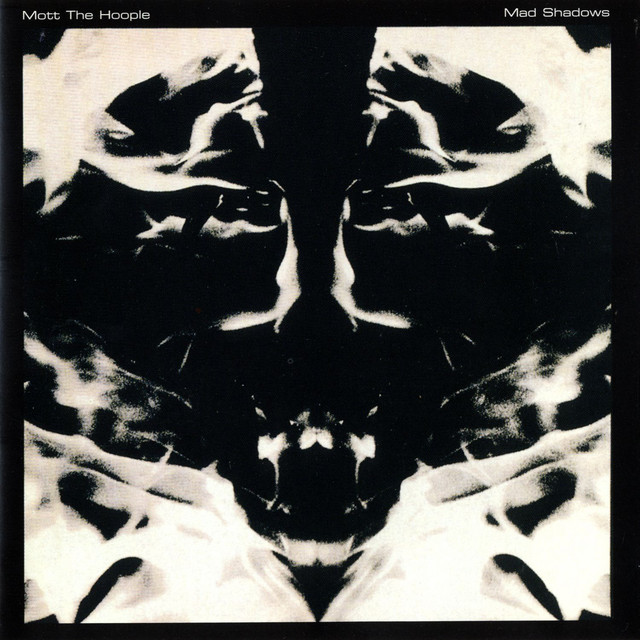
Mick Ralphs used a 1954 Les Paul Goldtop, as he recounted trading his SG Les Paul and £100 for the guitar at a shop in London. He specifically mentioned using this Goldtop on the album "Mad Shadows" with Mott the Hoople. This information is supported by an article from GuitarPlayer, where Ralphs discusses his guitar choices.

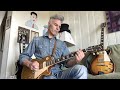
In this video John plays and talks about his 1954 Gold Top and compares it to a later version Les Paul.
.jpg?v=1783522456)

In the video titled "Nick Waterhouse - Holly (Full Length LP Coming March 4, 2014)" by Innovative Leisure on YouTube, Nick Waterhouse can be seen playing a Gibson Les Paul with P90 pickups and a Bigsby, which is consistent with a 1954 or even earlier model.

Ask Zac The "Black Betty" Les Paul story (April 17, 2020) article details the history of the guitar, according to Bill Bartlett
"According to Bill, the guitar started its life as a 1954 Les Paul gold top with a wrap tail bridge and P90’s, serial # 4 0755. It was in mint condition when he bought it, trading a 1956 Esquire plus $50 to make the deal. The instrument was used heavily and soon would begin getting modified, and having necessary repairs performed on it. First off, Bill did what was then a common modification, he took some woodworking chisels, routed out the pickup cavities, and installed a set of patent # humbucking pickups."
"The next modification was the gold finish that was oxidizing. Bartlett indicated “The gold on the Paul started to look green, so I removed the paint, only to find a really ugly maple top made of many pieces.” He then went about removing the maple top, making a jig so he could make a replacement of the same dimensions, but with “birdseye maple similar to what Paul Bigsby used in the 1950s.” A repair was also in order, as Bill had been inducing feedback by pushing his Les Paul’s headstock against his Marshall, a la Jeff Beck, and in the process had cracked the headstock. Bill decided to address this by removing the damaged portion of the headstock wings, and adding his own, then shaping them to give the Gibson more of a Mosrite flair. He also inlaid abalone in the headstock, added a first fret marker, and replaced the rest of the inlays in the fretboard with abalone. Next, he decided to add a gold tailpiece, an Alembic brass bridge that he bought from their factory, gold stairstep tuners and changed the pickups to gold “Gibson” embossed humbuckers. This is the instrument that is seen in the “Black Betty” video."
"After Ram Jam ran its course, Bartlett changed the pickups to Carvin M22 pickups, moved the pickup selector switch to where the neck pickup tone control was, and added 3 mini toggles to split coils for each pickup, and for polarity reversal “to get that tone like Mickey Baker got on Love is Strange.” "
"Bill added; "Also, maybe obvious, the single knob on the guitar is a master volume control. Eddie Van Halen influence."
Album Usage
The 1954 Les Paul Goldtop has been featured on the following albums:
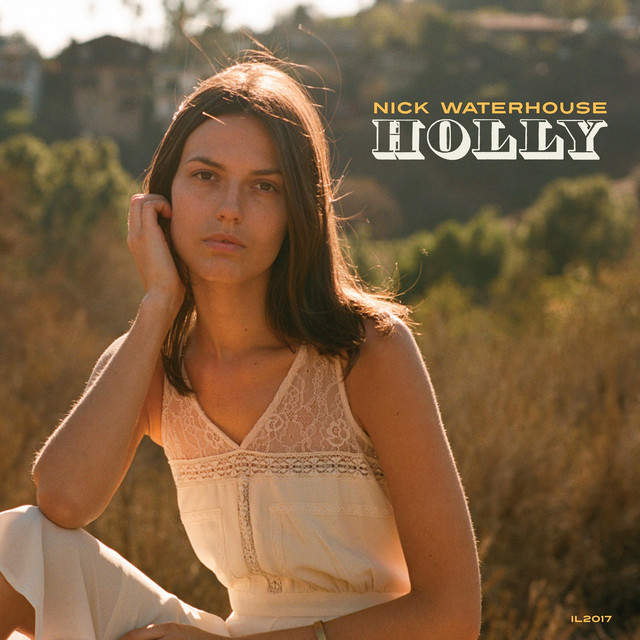
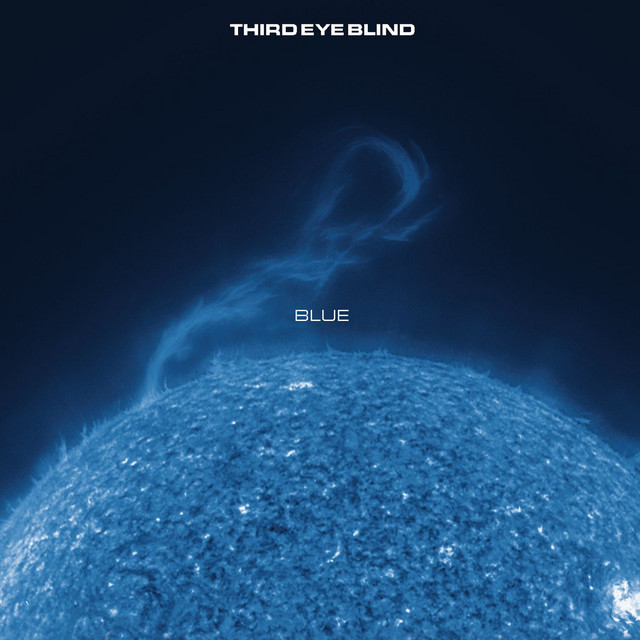
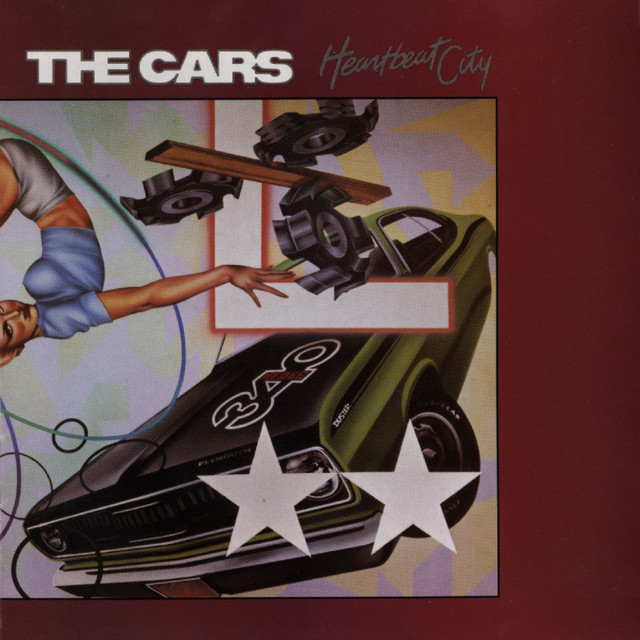
Genre Usage
Based on how artists on Equipboard use this gear, it is most commonly found in the following genres.
Used With
Based on how musicians on Equipboard use 1954 Les Paul Goldtop, it is most commonly used with the following gear.

-s.webp?v=1784988118)
-s.webp?v=1784991541)
-s.webp?v=1784991509)

-s.webp?v=1784977867)


More Gibson Solid Body Electric Guitars

$1,776.21 - $2,799.00
in Solid Body Electric Guitars Rank


$2,309.00 - $94,540.13
in Solid Body Electric Guitars Rank


$2,199.00 - $2,222.00
in Solid Body Electric Guitars Rank


$4,155.74 - $8,977.21
in Solid Body Electric Guitars Rank


$1,333.00 - $2,741.79
in Solid Body Electric Guitars Rank


$1,112.65 - $3,040.30
in Solid Body Electric Guitars Rank

.jpg?v=1784895999)


$1,236.00 - $2,443.28
in Solid Body Electric Guitars Rank


$2,099.00 - $2,599.00
in Solid Body Electric Guitars Rank


$1,315.72 - $2,465.03
in Solid Body Electric Guitars Rank

.jpeg?v=1784935806)


$1,333.00 - $1,499.00
in Solid Body Electric Guitars Rank


$1,333.00 - $2,741.79
in Solid Body Electric Guitars Rank


$1,333.00 - $1,799.00
in Solid Body Electric Guitars Rank


$1,869.95 - $2,899.00
in Solid Body Electric Guitars Rank


$5,555.00 - $430,539.32
in Solid Body Electric Guitars Rank


$1,999.03 - $2,499.00
in Solid Body Electric Guitars Rank


$895.00
in Solid Body Electric Guitars Rank


$1,923.27 - $6,499.00
in Solid Body Electric Guitars Rank


$2,090.00 - $3,500.00
in Solid Body Electric Guitars Rank


$2,449.00 - $3,206.78


$1,776.83 - $5,999.00


-m.webp?v=1784992060)
$2,099.00 - $94,540.13


$3,499.00 - $8,200.00

-m.webp?v=1784991565)


$1,324.20 - $6,388.91


$2,354.00 - $3,244.78


$2,699.00 - $3,999.00


$1,700.00


$2,449.00 - $2,999.00


$3,499.99 - $3,999.00


.jpg?v=1784958340)


.jpg?v=1783969611)

$1,331.00 - $6,456.00


Accessories & Related Items



-s.webp?v=1784991555)


Community setups


Similar


Gear Guides







Most Popular Solid Body Electric Guitars
Most Popular Brands
-
Added to Equipboard on by
 alejandro_villalba
GearIQ 2564
-


