

Pricing and availability
We compare 600+ stores and found this item at 4 stores. Prices updated .
Store
Reviews
Price




Average Price: $614
High-end/Boutique
$75
$201+
Price Tier
Budget
Standard
High-end
Price History
Based on price data from 3 merchants for "AKG D12". Prices shown reflect NEW condition. Tracking began Apr 2, 2026.
* Product prices and availability are updated by Equipboard every 24hrs and are subject to change. Equipboard may receive compensation for purchases made at participating retailers linked on this site. This compensation does not affect what products or prices are displayed, or the order of prices listed. For more information, please refer to our affiliate disclosure.
Description
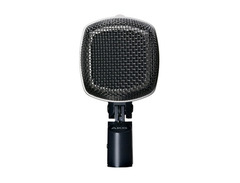
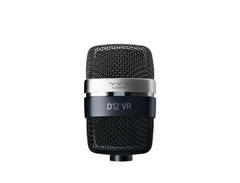
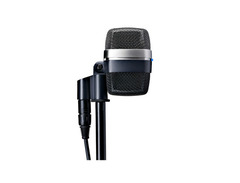
Dive into the rich, deep sounds of your bass instruments like never before with the AKG D12 dynamic microphone. A true classic reborn, this mic brings its legendary bass chamber and robust internal shockmount to the modern stage and studio, offering unparalleled clarity and warmth in the low-frequency range. Designed for the kick drum but versatile enough for other bass-heavy instruments, the AKG D12 captures every nuance with precision, ensuring your performance is heard in all its glory. Whether you're channeling the spirit of Abbey Road or forging your own path, the D12 stands ready to elevate your sound.
Key Features:
- Cardioid dynamic microphone, perfect for studio and live applications.
- Bass chamber in the head basket enhances low frequencies from 50 - 200Hz.
- Internal shockmount isolates the dynamic coil/capsule for pure sound.
- Handles high levels of SPL without distortion for clear, powerful audio.
- Iconic choice for kick drums and other bass instruments, celebrated for its warmth and clarity.
Product specs
| Brand | AKG |
| Model | D12 Cardioid Dynamic Microphone |
| Finish | Silver / Black |
| Year | 1950s |
| Categories | Microphones |
| Electronics | Passive |
| Microphone Type | Dynamic |
| Polar Pattern | Cardioid |
| Wired/Wireless | Wired |
FAQs
-
What is the primary use of the AKG D12 microphone?
-
The AKG D12 is primarily used for kick drum recording due to its optimized bass chamber and cardioid polar pattern, which enhances low-frequency performance.
-
Does the AKG D12 require phantom power to operate?
-
No, the AKG D12 is a passive dynamic microphone and does not require phantom power to operate.
-
How does the AKG D12 differ from the D12E model?
-
The AKG D12 and D12E are similar, but the D12E features a slightly different design with variations in the grille's plastic band and XLR output positioning, making it versatile for various instruments beyond kick drums.
-
What are the standout features of the AKG D12 microphone?
-
The AKG D12 features an ultra-thin diaphragm, an optimized bass chamber, and an original C414 transformer, providing distinctive sound shaping capabilities.
-
Is the AKG D12 suitable for recording other instruments besides kick drums?
-
Yes, while the AKG D12 excels with kick drums, its design also makes it effective for bass cabs, tuba, and trombone, offering versatility in recording low-frequency instruments.
Videos

Asaf Smilan
Kick Drum Mic Shootout - EV 666 vs. EV RE-20 vs. AKG D12 vs. Sennheiser MD421 vs. Audix D6.
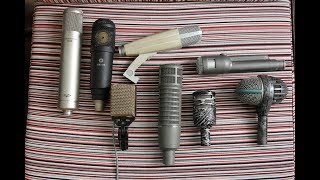
Kick Drum Mic Shootout - EV 666 vs. EV RE-20 vs. AKG D12 vs. Sennheiser MD421 vs. Audix D6.
Asaf Smilan
AKG D12 Vs. D12E Shootout

Cole Picks Vintage
Sennheiser e602 vs AKG D12 vs AKG D112 vs Shure Beta52 Custom

Benno Kaiser
The AKG D12 Vs. Beyerdynamic M88
Cole Picks Vintage
AKG Kick Drum Microphone Shootout (D12, D20, D25)
Cole Picks Vintage
Reviews
Owner Insights
We analyzed real musician discussions from forums and Reddit to find what players love, question, and tweak about AKG D12.
Use cases and applications
User experience
-
Some users find the D12 creates a vocal sound that's difficult to mix, suggesting it may be too niche for certain vocal applications.
Source -
Owners report significant sound quality improvements after professional refurbishment, noting a thicker low end and clearer top end compared to digital models like the Townsend D12E.
Source -
Owners report that a faulty D12 typically exhibits obvious issues like distortion, cutting in/out, or a super thin/muffled sound.
Source
Comparisons
-
The vintage D12 is noted to perform well on kick drums, especially for surfy or indie bands, despite not being the first choice for all genres.
Source -
The D12 and D20 share the same capsule, but the D20 includes a roll-off switch for low-end attenuation, offering versatility in tonal adjustments.
Source
Setup and maintenance
-
It's been observed that older D12s can become darker over time or vary in sound quality, potentially due to age and usage in bass-heavy applications.
Source -
Mics, including the D12, can degrade subtly over time, affecting frequency response, as experienced with different mic models by some users.
Source -
Vintage D12 mics accumulate metal dust in the coil area, which affects sound quality; specialized cleaning can restore their performance.
Source -
The D12's 540 screws can loosen over time, impacting the mic's integrity and requiring professional attention for optimal performance.
Source -
Users recommend a physical inspection for damage if sound issues arise, as broken microphones often show visible signs or rattle.
Source
Mods and upgrades
-
Refurbishing a vintage D12 can significantly enhance its low and high-frequency response, making it comparable to modern models with distinct improvements in clarity.
Source
Build quality
-
The AKG D12 VR is noted for its ruggedness and durability, often compared to a "brick" that can withstand drops without apparent damage.
Source
Based on 0 Reviews and 1 Rating
Artist usage
Add artist

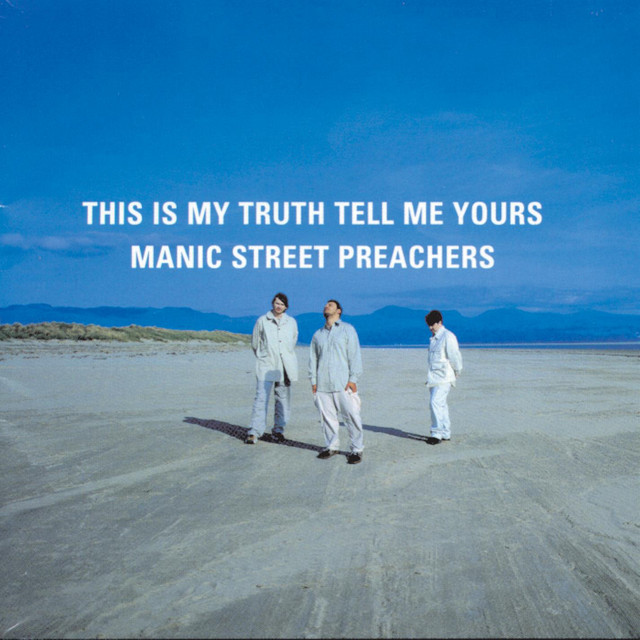
Used for the bass drum on Nevermind, as stated by producer Butch Vig in this March 1997 Sound on Sound interview.
"In the case of Dave Grohl's kit I used an AKG D12 and a FET 47 on the kick, and then we built a drum tunnel consisting of old drum shells attached to the bass drum and extended out about six feet. That way you can move a mic back three to four feet, and the FET 47 was a little farther away from where the front head would have been. By having the drum tunnel, you isolate the room, so that you don't get all of the cymbal bleed, or whatever."
Otherwise the drum miking was fairly standard: a Shure SM57 on the snare, along with an AKG 451, Sennheiser 421s on the toms, AKG 414s and Neumann KM84s on the cymbals, and Neumann U87s for distant room mics.

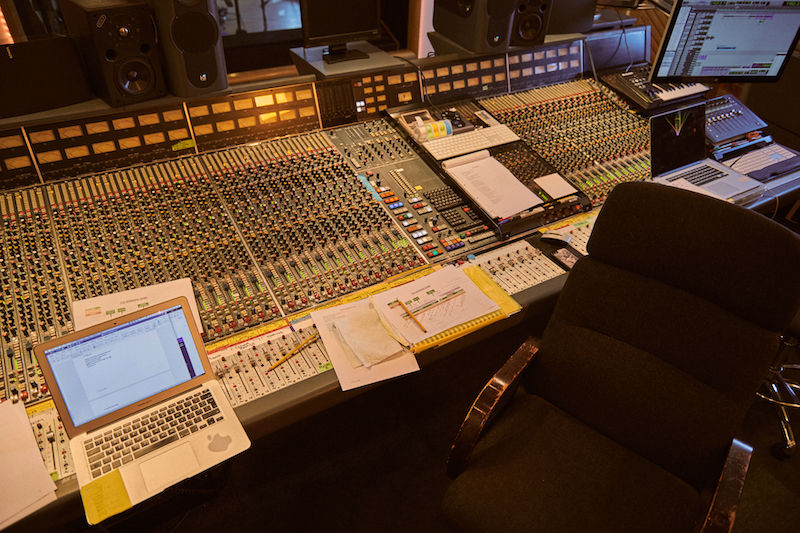
the AKG D12 is listed in this blog


Mentioned by Mascis in this interview from the Guitar Center article.
GC: What mic do you prefer for the vocals?
Mascis: An old AKG D12.
GC: Do you compress and bounce that?
Mascis: Oh yeah!
GC: Can you give me some advice to do that?
Mascis: No. Try to do a few tracks. It's really impossible to bounce. I have a friend who's trying to decide between 24 tracks of vocals and it's insane. I try to keep it to four and make one out of four. If I don't like it, then I'll just sing it again.

Used for the bass drum on "D'yer Maker", as stated in Led Zeppelin All the Songs: The Story Behind Every Track by Philippe Margotin & Jean-Michel Guesdon.
"D'yer Maker" open with an excellent drum fill by John Bonham. The sound is heavy (suggesting the tape has been slowed down slightly) and live, masterfully recorded by Eddie Kramer in the Rolling Stones Mobile Studio. Three mics were apparently sufficient to capture the incredible sound: two Neumann U87s above the Ludwig and an AKG D12 in front of the bass drum.


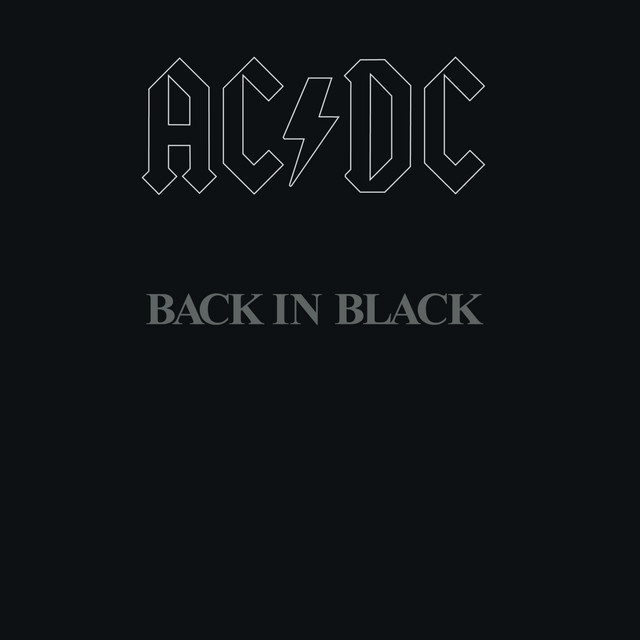
According to an article by SoloDallas LLC, Cliff Williams used the AKG D12 microphone while recording the album Back in Black.
.jpeg?v=1783553586)
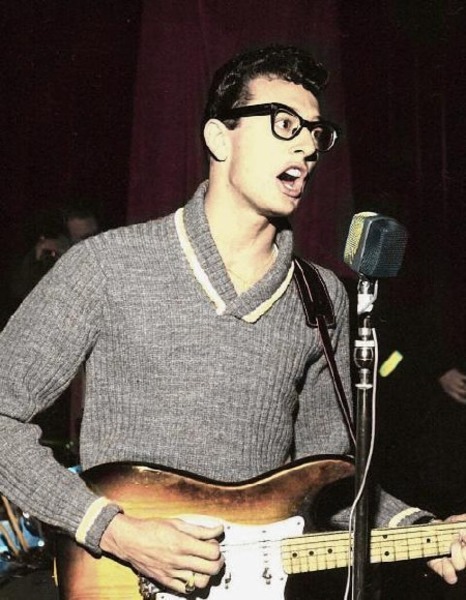
Used live as a vocal mic, as is visible in this photo of Holly.


Part of Q-Tip's 2008 inventory, as listed in his January 2008 Remix interview. Transcripts can be found at the Future Producers forums (linked) and this Prince.org forum.
AKG C 451, D 12 and D 112 drum mics


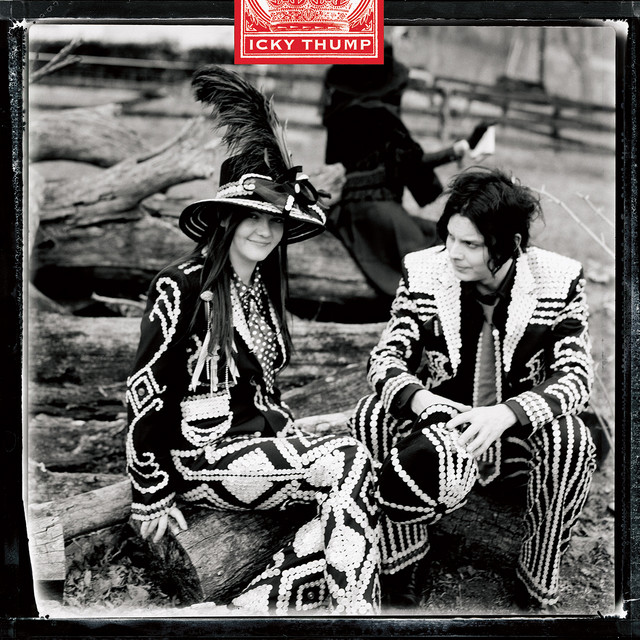
Used for the bass drum on Icky Thump, as stated by recording and mixing engineer Joe Chiccarelli in this October 2007 Sound on Sound interview.
“The close mic setup for recording the drums was pretty standard: Shure SM57 on the snare, AKG D12 and Neumann U47 on the kick, a pair of ribbon Coles 4038s or Neumann U67s as overheads. I often fed the drums into a reverb chamber, or would overdrive the preamps, or fed them through a guitar amp. The preamps we used for the drums were the 1073 and a Neve BCM10."
This is restated by Chiccarelli in this October 1, 2007 Mix Online interview.
As far as miking Meg White's kit, Chiccarelli kept things straight ahead: An AKG D-12 on the kick and a U47 as an overhead run through a Fairchild compressor. It was rare that he miked the snare, but when he did it was a U47 through a Fairchild. When she used a bigger kit, Chiccarelli put a 57 on the snare top and a Sennheiser 441 on the bottom. The toms were not miked, but he used an assortment of mics as overheads and in the room. “I set up a lot of different room mics, maybe eight,” Chiccarelli explains. “Depending on the song, I could go smaller, tighter and punchier, or wide and open. Sometimes, I would use old funky cheap mics as room mics and distort them. Other times, it was a pair of Coles, maybe combined with a pair of 87s far up in the room. We did things with drums like pumping them through the reverb chamber or pumping them through guitar amps.”

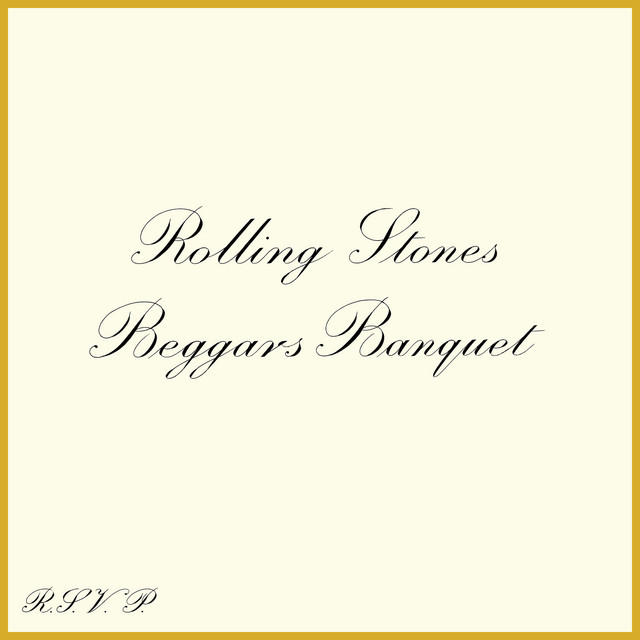
Used for the bass drum on Beggars Banquet, as stated in The Rolling Stones All the Songs: The Story Behind Every Track by Philippe Margotin & Jean-Michel Guesdon.
Technical Details
In the spring of 1968, Olympic Sound Studios acquired an Ampex eight-track, which represented a technological revolution at the time. Glyn Johns and Eddie Kramer shared the position of sound engineer, with Phill Brown, who went on to have a prestigious career recording with Jimi Hendrix, David Bowie, Led Zeppelin, Roxy Music, and many others, as assistant engineer. The main mic employed was Neumann U67, although the AKG C12A was used for the bass amp and the Hammond organ, and the AKG D12 for the bass drum and the Hammond. In addition to the Neumann U67, it seems that an AKG D224 and a Shure SM57 were used for Mick's voice. Reverb was provided by an EMT Echo Plate, and Tannoy/Lockwood monitors were used.


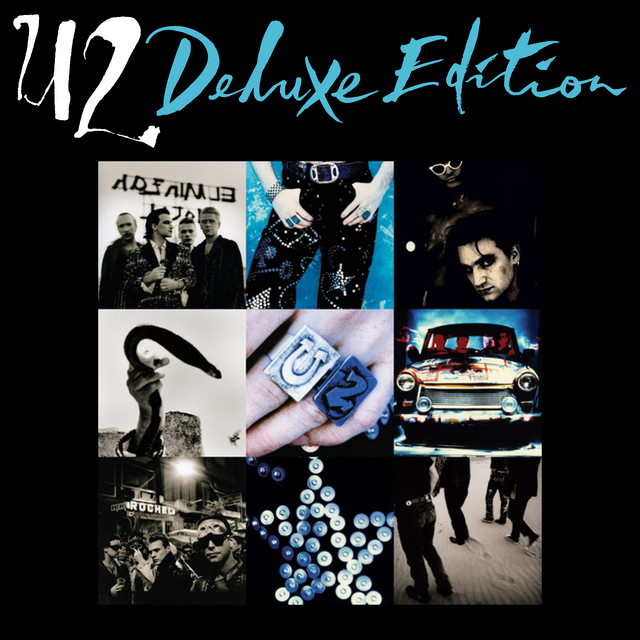
Used for the bass drum on Achtung Baby and Pop, as explained by engineer Robbie Adams in this July 1997 Sound on Sound interview.
DECONSTRUCTING DRUMS
Three years ago, U2 engineer Robbie Adams explained in SOS how he recorded Larry Mullen's drums with just three mics, an approach he had picked up from Flood, who, said Adams, "is bored with all this traditional, big stereo nonsense." Flood explained that his way of recording drums was partly born from necessity, and partly from reading Mark Lewisohn's classic book on The Beatles' recording sessions: "When we were working on Achtung Baby, we had two drum kits set up, and I had very few channels on the desk, so that was a bit of a problem. I noticed from the photographs in the Beatles book how there was always one mic parked just above the drum kit. I thought it was maybe just for the photo or something, but then I saw it in other studio shots as well, and so, because of the problem I had with too few channels, I decided to try it out on one of the two kits. I put one mic on the bass drum -- an AKG D12 or Neumann U47 -- a Shure SM57 on the snare, and an SM58 as the overhead just above the kit.
"What started to happen was that people would prefer that drum sound, even though it's virtually mono. I also noticed that with Larry, who is a powerful drummer, when you put the drums in stereo you have to have the levels up higher on playback, whereas the mono drums were more powerful, even at lower levels. When I thought about it, I realised that if you're standing in front of a drum kit, you hear it in mono -- you don't hear the toms panning neatly from left to right in your ears. Also, a mic just above the kit compresses the sound. And that's the same effect that happens in the ears of a drummer or when you stand close to the kit; the sound is compressing in your ears because of the level of air pressure. So when you have a cheap, lo-fi overhead mic in that position, and add compression on a mic that's already compressing, it brings out the excitement, the same feel and natural balance that the drummer is getting."
"I've used the three-mic approach as a starting point ever since. You can do all sorts of things with it. For example, if the room you're recording in is rather dead, you can add a bit of room reverb just on the mad-sounding compressed mic. That will give the illusion of the drums having space, and yet the physical punch still comes from the middle. I will sometimes add two more overheads, like a 414 or 87, placed a bit higher up, or at the same height as the drummer's ears. A lot of the times we end up monitoring kick, snare and these higher overheads, and then if the track sounds a bit lame, we'll feed that extra low overhead mic in, which can bring out all the reflections that the drummer gets and that you may not hear normally. It's always good to experiment and listen to the sound the drummer gets in the room. When we were working on Pop in Miami, we were in a room that had very little character, so we put the two ambient mics right in the corner, pointing towards the ceiling, away from the drum kit, thus deliberately creating a woolly, booming drum sound that went well with the brightness of the drum kit. We were always pushing for character, and trying to stay as far away as possible from a generic rock drum sound."


In this photo, an AKG D12 microphone is seen directed towards Stuart Sutcliffe, suggesting its use during a recording session.

Album Usage
The AKG D12 has been featured on the following albums:


Genre Usage
Based on how artists on Equipboard use this gear, it is most commonly found in the following genres.
Used With
Based on how musicians on Equipboard use AKG D12, it is most commonly used with the following gear.

-s.webp?v=1783522716)

-s.webp?v=1783551014)

-s.webp?v=1783550276)


Similar
Add recommendation2 alternative and related items for AKG D12, curated by the Equipboard community.

$584.42
More AKG Dynamic Microphones

$148.00 - $259.00
in Dynamic Microphones Rank


$75.00 - $139.00
in Dynamic Microphones Rank


$171.00 - $279.00
in Dynamic Microphones Rank


$59.00 - $99.00
in Dynamic Microphones Rank


![[betwind]](https://images.equipboard.com/uploads/user/image/221026/small_betwind.jpg?v=1783215867)

$444.00 - $699.00
in Dynamic Microphones Rank


$54.50 - $89.00


.png?v=1783537117)


-m.webp?v=1776152007)


Accessories & Related Items


-s.webp?v=1783551188)


Community setups


Gear Guides








Most Popular Dynamic Microphones
Most Popular Brands
-
Added to Equipboard on by
 eyeseeofficial
Gear IQ 161563
-


