

Pricing and availability
We compare 600+ stores and found this item at 1 store. Prices updated .
Store
Reviews
Price




Average Price: $28,563
High-end/Boutique
$100
$401+
Price Tier
Budget
Standard
High-end
* Product prices and availability are updated by Equipboard every 24hrs and are subject to change. Equipboard may receive compensation for purchases made at participating retailers linked on this site. This compensation does not affect what products or prices are displayed, or the order of prices listed. For more information, please refer to our affiliate disclosure.
Description
The AKG C 24 is a legendary stereo condenser microphone that has become a staple in professional recording studios around the world. Renowned for its exceptional sound quality and versatility, the C 24 is particularly beloved by audio engineers for capturing a wide array of instruments and vocals with pristine clarity. Its dual-capsule design allows for precise stereo imaging, giving recordings a natural sense of depth and space. This microphone is ideal for capturing everything from delicate acoustic performances to full orchestral ensembles, making it a must-have for any serious studio setup.
Designed with vintage charm yet equipped with modern capabilities, the AKG C 24 provides a unique blend of classic and contemporary audio excellence. Its rugged construction ensures reliability and durability, while its advanced electronics deliver low self-noise and high sensitivity. Whether you're recording in a professional studio or a home setup, the C 24's versatility and high-quality performance make it an invaluable addition to your microphone collection.
Key Features:
- Dual-capsule design for precise stereo imaging
- Renowned for capturing instruments and vocals with clarity
- Ideal for a wide range of recording applications
- Low self-noise and high sensitivity
- Rugged construction for durability in professional environments
Product specs
| Brand | AKG |
| Model | C 24 Stereo Large Diaphragm Tube Condenser Microphone |
| Finish | Silver |
| Year | 1950s |
| Made In | Austria |
| Categories | Microphones |
| Electronics | Analog, Tube |
| Microphone Type | Large-Diaphragm Condenser |
| Polar Pattern | Multipattern |
| Wired/Wireless | Wired |
FAQs
-
What is the primary use of the AKG C 24 microphone?
-
The AKG C 24 is a stereo large diaphragm tube condenser microphone ideal for high-fidelity stereo recordings, often used in orchestral, choral, and ensemble settings due to its detailed and natural sound capture.
-
What polar patterns does the AKG C 24 offer?
-
The AKG C 24 features multiple polar patterns, including cardioid, figure-eight, and omnidirectional, allowing versatile recording options for different acoustic environments and applications.
-
What is the frequency response range of the AKG C 24?
-
The AKG C 24 has a frequency response range extending from 30 Hz to 20 kHz, providing a wide and accurate sound capture suitable for professional studio recordings.
-
Is the AKG C 24 suitable for vocal recordings?
-
Yes, the AKG C 24 is excellent for vocal recordings, offering a warm and detailed sound signature that enhances vocal clarity and presence, making it a favorite for high-quality studio vocal sessions.
-
Does the AKG C 24 require any specific type of power supply?
-
The AKG C 24 is a tube condenser microphone, which requires a dedicated power supply unit to operate, typically provided with the microphone to ensure optimal performance.
Videos

Masterclaes
The Warm Audio WA251 vs Vintage Telefunken ELAM 251 vs AKG C24 vs Microphone Parts 12-251 SHOOTOUT
The Warm Audio WA251 vs Vintage Telefunken ELAM 251 vs AKG C24 vs Microphone Parts 12-251 SHOOTOUT
Masterclaes
A New Vanguard V24 VS Vintage AKG C24 Stereo Tube Microphone Shootout

JML
The Akg C24 Stereo Microphone : A Lovefest.....

Dan Alexander Audio
Reviews
Owner Insights
We analyzed real musician discussions from forums and Reddit to find what players love, question, and tweak about AKG C 24.
Features and functionality
-
The AKG C24 is a stereo mic with two capsules, which can be split between guitar and vocal to address phase issues common in live recordings.
Source
Use cases and applications
-
The C24’s dual capsule setup is particularly effective for acoustic guitar and vocal recordings, although it may not suit all recording scenarios due to potential phase variances.
Source
Critic Reviews
Based on 0 Reviews and 0 Ratings
Artist usage
Add artist
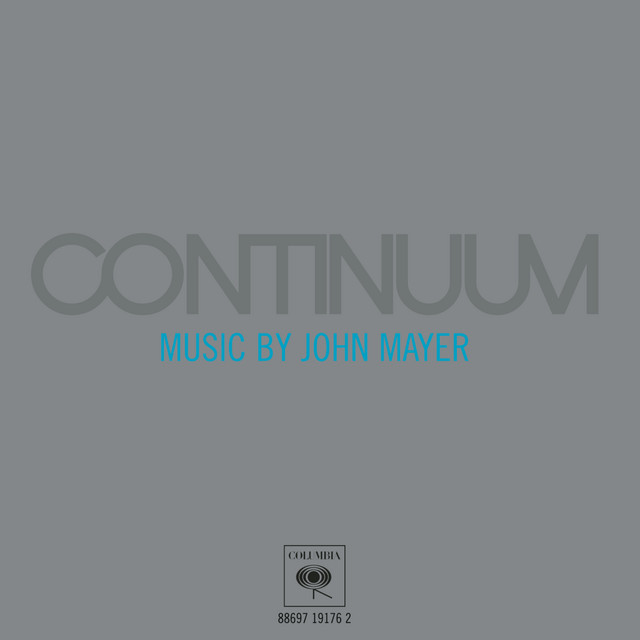
Used for the acoustic guitar on Continuum, as stated by recording engineer Chad Franscoviak in this October 1, 2006 Mix Online interview.
Mayer's acoustic guitar chain was an AKG C24 microphone into 1073s.


Used for the mandolin and vocals on "Prickly Thorn, But Sweetly Worn", as stated by recording and mixing engineer Joe Chiccarelli in this October 1, 2007 Mix Online interview.
On the song “Prickly Thorn, But Sweetly Worn,” the band added bagpipes, mandolin, thigh slaps and hand percussion to the mix. “Meg did two different bass drum tracks, playing the bass drum with a mallet, and then the tracks switch between sections of the song. It started with a dead-er bass drum, then opened up to an almost parade drum sound,” he explains. “That song was interesting, because after we recorded it we decided that it didn't sound like it was done [live] in the studio enough. Jack is very keen on it sounding honest and like people in a room playing, so we took the mandolin and vocals and pumped them back through the studio loudspeakers and miked the room [with a C24 stereo mic].”


video shot in Electrical Audio, Steve Albini's studio, mic shown at 0:40

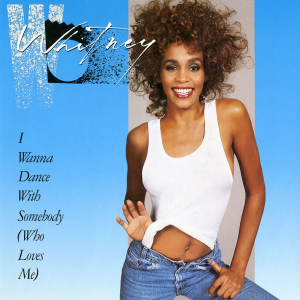
Whitney Houston used the AKG C 24 microphone for her vocals on "I Wanna Dance With Somebody (Who Loves Me)," as confirmed by her mixing engineer, who stated, "Houston’s vocals were cut with the AKG C24—one side only, we didn’t do it in stereo—into a Focusrite 110 module from a Focusrite desk, that stand alone for the preamp and EQ," according to an article by Robyn Flans on Mixonline.

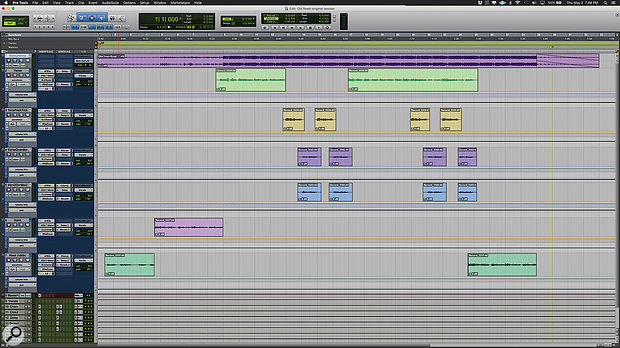
Used for Ray's vocals on "Old Town Road (Remix)", as stated by mix engineer Andrew "VoxGod" Bolooki in this August 2019 Sound on Sound interview.
Bolooki explains his vocal production process, beginning with the microphone. "My favourite microphone is the Telefunken ELA M 251. I don't particularly love using vintage microphones, because I spend a lot of time with the pencil tool having to draw out the anomalies that they put in. If you super zoom in you will hear these weird electrical clicks and pops. However, The Record Plant did not have a 251, so we used one side of an AKG C24, which is stereo, going into a Neve 1073 [preamp and EQ] and then the Tube-Tech CL-1B [compressor]. I engage the 1073 EQ to cut out rumble below 80Hz. For the most part while recording, I ride the 1073 output knob. I record at pretty conservative levels, and will sit there and will manually adjust the level. It helps to get all the takes in line with each other from the get-go. It means I tell people they can't walk by my area in case I need to grab the knob real fast! I record the vocals already in mind with how I comp them. I'll have one vocal track set up in Pro Tools, and literally every single take will go through that. I basically collect all the material via that one track, and then I comp a lead that is just one long WAV file, without doing any doubles or backgrounds. If there are overlapping parts, I might have to put them onto different tracks. But for the most part my first goal is to get one long lead vocal comp.
"I comp with only a click track, and sometimes I'll put a low-pass filter on the beat, playing at very low volume, so you only hear the bass in the background. I'll have very little or no Auto‑Tune on the vocals, because it's easier to comp without Auto‑Tune, and zero effects. The vocal will be entirely dry, apart from that I'll add a ton of compression, to bring up all the room and microphone noises. When you comp with the high end only coming from the vocals, you select takes not only on performance, but also on tone, particularly if they're bright. The brighter ones tend to have the best emotion, too. They may not be in time or in tune, but those things are fixable. I'll also do a lot of clip gaining when comping. When you comp in this way, by the time you're done, it's perfect. If you make the vocal sound good with just a click track, you know you have nailed it. Very little EQ is necessary, and then all you have to do is add some tasteful effects, and your vocal rides, as well as tuning and timing. But you don't have to cover up any of what you did."

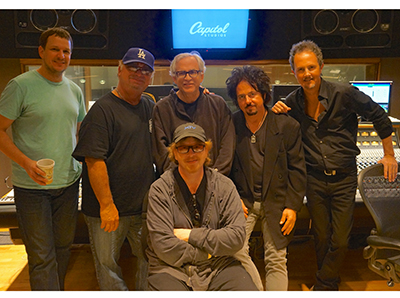
Used as a room mic on Toto XIV, as mentioned by producer CJ Vanston in this March 5, 2015 Mix Online article.
On the kick drum he placed a Sennheiser 421 and a Yamaha subwoofer, and on the snare drum a Shure 57 with another Shure 57 underneath. On the hi-hat he switched between a Neumann KM 84 and Shure SM81.
“For overheads I used a pair of AKG C12As,” Petocz says. “Tom mic’s were 421s and for room mics I had a 47 mono room mic very close to the drums, halfway between the kick and the snare. Then for the more traditional room mic drum sound, I used a pair of U 67 Neumanns and occasionally a C-24 from the back, just sparingly. They all went through the beautiful vintage 8068 Neve console, the best sounding Neve in town. And some compression on the snare when it needed it, but only slightly. Then what I did is go direct out when I could instead of busing it, just for that added purity.”
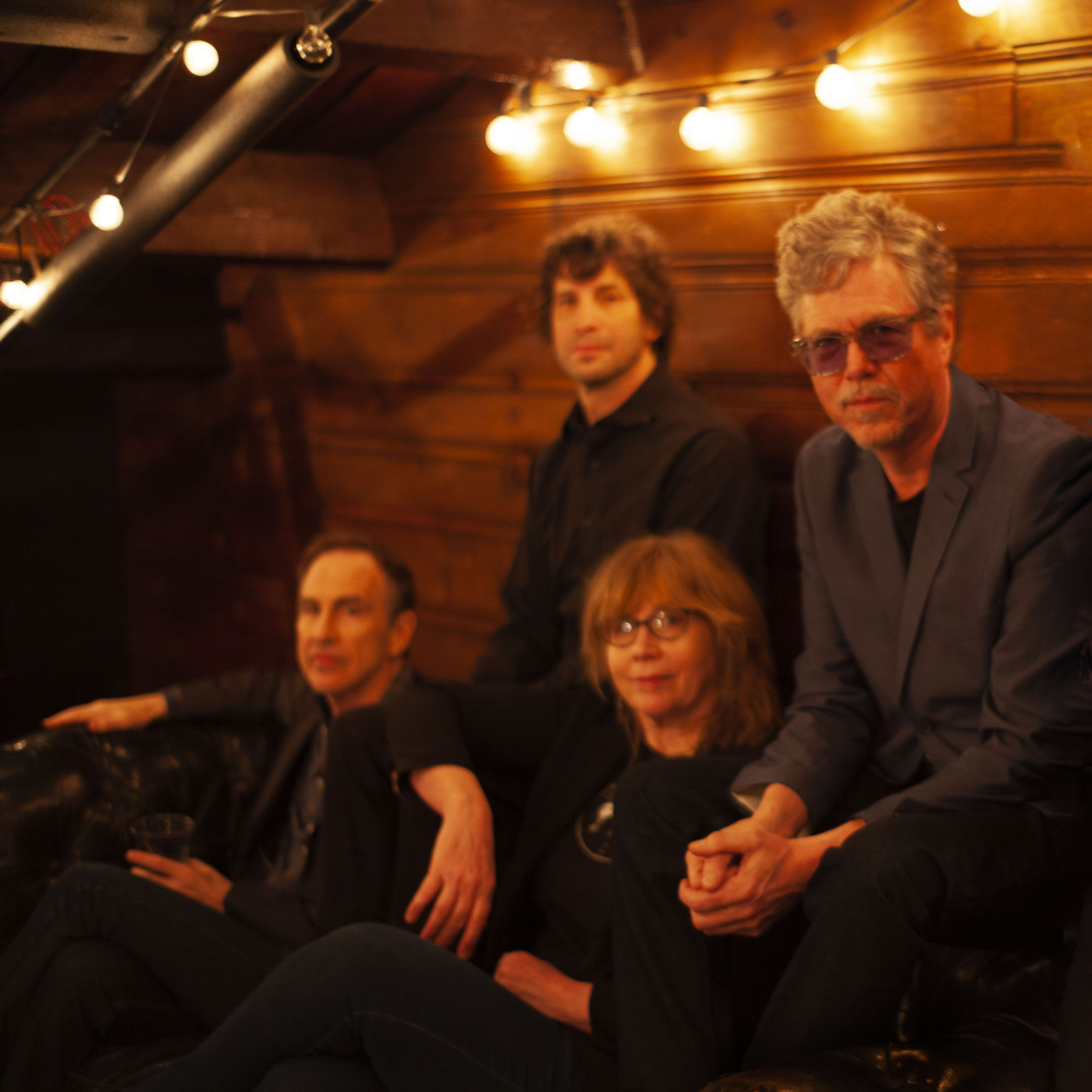
Used as a room mic on XOXO, as stated by engineer Nick Tveitbakk in this October 28, 2020 Mix Online interview.
On O’Reagan’s drums, Tveitbakk kept things simple. “I don’t like to do a ton of drum tracks, so I’m busing kick and snares together. I use Beyer m88s on those. Overheads are a pair of [AKG] C12s, and I had a C24 for the room. The Pachyderm live room is one of my favorites for drums.”


Used for the mono-stereo drum recording on Why'd I Try, as stated by bandmate Michael Kirsch in this self-written October 5, 2010 SonicScoop article.
Drums (Kentucky)
Bass Drum Front: Beyer M380 -> 1176 Limiter Slow Release, 20:1
Bass Drum Batter: Shure SM98
Snare: Sony C37e -> NTI EQ
Rack Tom: Josephson E22s Top and Bottom
Floor Tom: Josephson E22s Top and Bottom
Overheads: Royer 122 (L&R) -> 1178 Limiter -> GML EQ + 678k + 3726k
M-S Stereo: AKG C24 M.S (0 + ?) -> Electrical M-S Matrix
Room Ambience: Neumann CMV563 + N55k Capsules (L&R) -> 20ms Stereo Delay
Rimshot: Shure SM98 -> GML Limiter
Album Usage
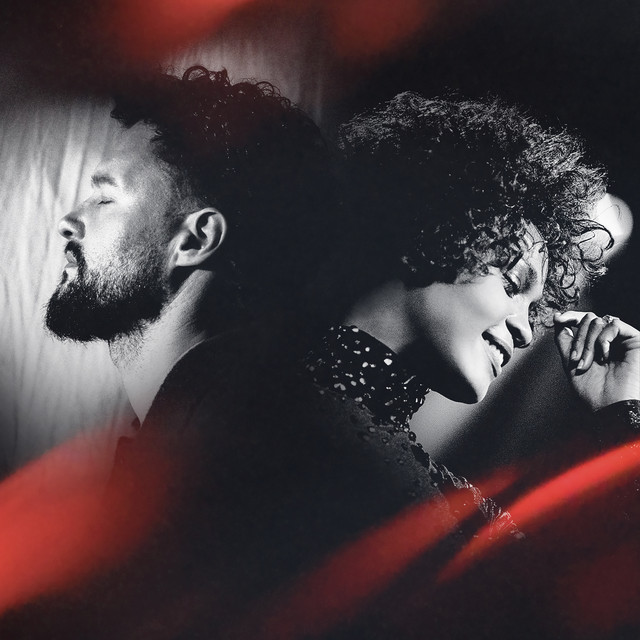
The AKG C 24 has been featured on the following albums:


Genre Usage
Based on how artists on Equipboard use this gear, it is most commonly found in the following genres.
Used With
Based on how musicians on Equipboard use AKG C 24, it is most commonly used with the following gear.


-s.webp?v=1784732299)


More AKG Condenser Microphones

$759.05 - $1,299.00
in Condenser Microphones Rank


$859.00 - $1,299.00
in Condenser Microphones Rank


$360.50 - $665.00
in Condenser Microphones Rank


$317.50 - $749.00
in Condenser Microphones Rank


$110.00 - $207.54
in Condenser Microphones Rank


$800.00
in Condenser Microphones Rank


$5,298.22 - $8,649.00
in Condenser Microphones Rank


$149.00 - $259.00
in Condenser Microphones Rank


$79.99 - $129.00
in Condenser Microphones Rank


$227.00 - $279.98
in Condenser Microphones Rank


$3,452.77 - $8,649.00
in Condenser Microphones Rank


$138.00 - $335.00
in Condenser Microphones Rank


-m.webp?v=1784732334)
$149.00 - $259.00
in Condenser Microphones Rank


$1,249.00 - $1,299.00


-m.webp?v=1784732511)

$79.99 - $129.00


$209.00 - $299.00


-m.webp?v=1784732857)


$381.00 - $1,299.00


.jpeg?v=1784480614)


Accessories & Related Items

-s.webp?v=1777734317)


Community setups


Similar


Gear Guides







Most Popular Condenser Microphones
Most Popular Brands
-
Added to Equipboard on by
 eyeseeofficial
GearIQ 161592
-


