


Pricing and availability
We compare 600+ stores and found this item at 9 stores. Prices updated .
Store
Reviews
Price









Average Price: $1,644
High-end/Boutique
$100
$401+
Price Tier
Budget
Standard
High-end
Price History
Based on price data from 6 merchants for "Neumann TLM 49". Prices shown reflect NEW condition. Tracking began Apr 2, 2026.
* Product prices and availability are updated by Equipboard every 24hrs and are subject to change. Equipboard may receive compensation for purchases made at participating retailers linked on this site. This compensation does not affect what products or prices are displayed, or the order of prices listed. For more information, please refer to our affiliate disclosure.
Description
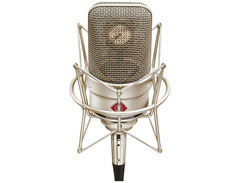
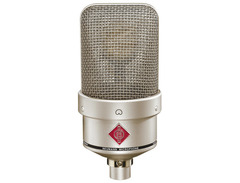
The Neumann TLM 49 Condenser Studio Microphone is a nod to the classic vintage mics of the 1950s, engineered with modern technology for the 21st-century musician. This large-diaphragm condenser microphone is a tribute to Neumann's iconic M 49 and M 50 mics, combining a distinctive retro design with state-of-the-art transformerless technology. It's perfect for professionals and hobbyists alike, and it's especially suitable for vocal and instrumental recording in both professional studios and home setups.
The TLM 49 is powered by the same K 47 capsule used in the legendary M 49 and U 47 mics, providing a warm, natural sound with a gentle presence boost above 2 kHz. This gives your vocal recordings added clarity and nuance. With its large diaphragm and cardioid polar pattern, this microphone is built to capture every detail of your performance with stunning realism.
This microphone isn't just about delivering excellent sound quality. It's also built to withstand the demanding environments of a recording studio. The TLM 49's internal elastic suspension prevents the transmission of vibration noise, ensuring that your recordings are as clear and clean as possible. Plus, its transformerless circuitry offers pristine signal integrity and a dynamic range of 102 dB, letting you capture every nuance of your performance.
Key Features:
- Large-diaphragm condenser studio microphone
- Inspired by Neumann's iconic M 49 and M 50 mics from the 1950s
- Features the same K 47 capsule used in the M 49 and U 47 mics
- Provides a warm, natural sound with a gentle presence boost above 2 kHz
- Tailored for vocal performances
- Internal elastic suspension for preventing transmission of vibration noise
- Transformerless circuitry for pristine signal integrity
- Dynamic range of 102 dB
- Comes with an EA 3 elastic suspension mount for isolation from structure-borne noise
- Maximum SPL of 129 dB for handling high sound pressure levels
- Requires +48V phantom power
Owner's manual
Neumann TLM 49 User ManualProduct specs
| Microphone Type | Condenser |
| Polar Pattern | Cardioid |
| Frequency Response | 20Hz-20kHz |
| Max SPL | 114dB |
| Output Impedance | 50 ohms |
| Signal to Noise Ratio | 71dB, 82dB (A weighted) |
| Self Noise | 23dB, 12dB (A weighted) |
| Connector | XLR |
| Weight | 1.82 lbs. |
| Included Accessories | Shock Mount |
FAQs
-
What is the primary use of the Neumann TLM 49 Condenser Studio Microphone?
-
The Neumann TLM 49 is primarily designed for vocal recording, offering a smooth, warm sound that's ideal for capturing the nuances of a singer's voice. It's also versatile enough for use with acoustic instruments like guitars and basses due to its clear bass and midrange response.
-
What kind of polar pattern does the Neumann TLM 49 have?
-
The Neumann TLM 49 features a cardioid polar pattern, which is excellent for isolating the sound source and minimizing background noise, making it ideal for studio environments where precise vocal capture is necessary.
-
Does the Neumann TLM 49 require a specific type of connection?
-
Yes, the Neumann TLM 49 uses an XLR connector, which is standard for professional studio microphones, ensuring a secure and high-quality audio connection.
-
How does the Neumann TLM 49 handle high sound pressure levels?
-
The Neumann TLM 49 can handle a maximum sound pressure level (SPL) of 114dB, making it suitable for capturing loud vocal performances and dynamic instruments without distortion.
-
What accessories are included with the Neumann TLM 49?
-
The Neumann TLM 49 comes with a shock mount, which helps reduce mechanical noise and vibrations during recording, ensuring clean and focused audio capture.
Videos

Vintage King
Neumann Large Diaphragm Condenser Microphone Shootout | Vintage King
Neumann Large Diaphragm Condenser Microphone Shootout | Vintage King
Vintage King
Neumann TLM49 Mic Review / Test (vs. AT2020, LCT240, NT1, TLM102, TLM103, U87 Ai)

Podcastage
Neumann TLM 49 vs TLM 103 rap vocal

CLEAN MUD VIDEOS
Testing Neumann TLM 49 Mic: Rap, Sing, Guitar Sound Review

Kelli
Neumann TLM 49 Condenser Studio Microphone Review

Guitar Center
Neumann TLM 49 Vocal Condenser Microphone - Neumann TLM49

American Musical Supply
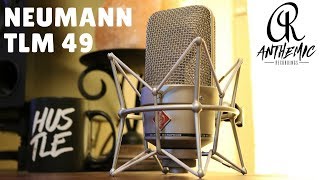
Neumann TLM 49 - Vocal Demo

Anthemic Recordings

The Neumann TLM 49 Microphone

Georg Neumann GmbH
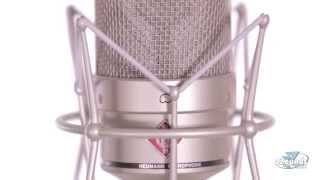
zZounds.com: Neumann TLM49 Cardioid Condenser Microphone

zZounds
Reviews
PROS
-
Adds depth and warmth to recordings
-
Excels with a variety of instruments and vocals
-
Creates harmonic distortion at higher SPLs for a vintage sound
-
Complements hip hop and spoken word vocals exceptionally
-
Pairs well with high-quality preamps for superior sound
-
Rich, detailed sound with minimal EQ needed
-
Controls sibilance effectively
-
Noticeably better than lower-priced microphones
-
Silky and smooth high-end sound
-
Slightly finished sound on vocals, cuts through mix
CONS
-
Expensive investment
-
Shock mount may not hold the microphone well
-
Output level lower than some other condenser mics
-
Lacks some low-end response
-
Limited to cardioid pattern, lacks versatility
Owner Insights
We analyzed real musician discussions from forums and Reddit to find what players love, question, and tweak about Neumann TLM 49.
Setup and maintenance
-
Use an XLR to XLR cable for the TLM 49 to ensure phantom power transmission; XLR to TRS won't work.
Source
Mods and upgrades
-
Adding a Cloudlifter can enhance headroom, though it's not essential for the TLM 49.
Source
Software and compatibility
-
Focusrite interfaces may mistakenly plug into line inputs; ensure correct input selection for optimal performance.
Source
Comparisons
-
The TLM 49 is described as smoother and less brittle than the TLM 103, making it more suitable for singer-songwriter applications.
Source -
The TLM 49 is favored over the TLM 103, with the latter being criticized for its overly bright sound profile.
Source -
Some users suggest an AKG 414 B ULS, known for its built-in transformer, as a strong alternative, especially for vocal recording.
Source -
The WA47f is recommended for its wide use case applicability and strong bass response, providing an alternative to the TLM 49 for varied recording needs.
Source
Use cases and applications
Features and functionality
-
The TLM 49 excels in capturing nuance, detail, warmth, and resonance, qualities that dynamic mics like the SM7B may lack.
Source
4.5 out of 5
Based on 2 Reviews and 5 Ratings

51
A quality made microphone with a finished sounding output
I've owned this TLM49 since 2007. I've used it mostly on my voice and it works very well. I tend to get a slightly finished sound with this mic. A slight mid EQ adjustment and some dialed in HF and it cuts through my mix. I mainly use this mic on voice which is what is designed for. Opinions are subjective so you need to try it yourself. At the same time, I suggest that you ignore all the abrasive complaints against this microphone. I've heard crazy complaints about this and several other mics (especially Neumann's). It makes me wonder if people know what they are talking about... what signal chain did they use? What kind of vocal? What were they looking for? I've used the TLM 49 going through several analog pre-amps as well as directly into my Apogee and it has worked flawlessly for me. So give it try as you would any other microphone. You may see that it's rather underrated as I do.

41029
not good, not bad... wish it had a figure 8 or omni mode for the money
not my favorite neumann… makes a good mono room mic for softer music though... needs an omni or figure 8 to be truly useful
Artist usage
Add artist

Dave Rawlings:
"The method that Matt Andrews, who has engineered most of the records I’ve done, and I came up with has been gradually dialed in over the years. I’ve always used a Sony C-37A microphone—a tube microphone made in the late ’50s and early ’60s—and an old Neve 1055 preamp module.
The sound of my and Gillian’s guitars is a combination of what bleeds through the vocal mics—we use a Neumann M49, usually—and the mics we use on our guitars. We’re usually sitting close enough that every sound blends through every microphone. So the sound is a composite.
The only other constant in my guitar chain is a Fairchild compressor I bought years ago that has a particular tone. I’m not interested in the compression as much as the sound its transformers add to the chain. It gives a little point to the midrange that makes it easier to poke out from Gill’s guitar and be present under the vocals."

.jpg)
You can clearly see that he's using a Neumann TLM 49 in this shot.

How do you record your acoustic guitar?
The method that Matt Andrews, who has engineered most of the records I’ve done, and I came up with has been gradually dialed in over the years. I’ve always used a Sony C-37A microphone—a tube microphone made in the late ’50s and early ’60s—and an old Neve 1055 preamp module.
The sound of my and Gillian’s guitars is a combination of what bleeds through the vocal mics—we use a Neumann M49, usually—and the mics we use on our guitars. We’re usually sitting close enough that every sound blends through every microphone. So the sound is a composite.
The only other constant in my guitar chain is a Fairchild compressor I bought years ago that has a particular tone. I’m not interested in the compression as much as the sound its transformers add to the chain. It gives a little point to the midrange that makes it easier to poke out from Gill’s guitar and be present under the vocals.


It can be seen on her instagram story showing off her microphone collection


On vocals I used a Neumann 49. Dave really likes that mic from when he was doing his stuff. He’s comfortable with it and felt good about it, and I tried to support anything they felt comfortable with.
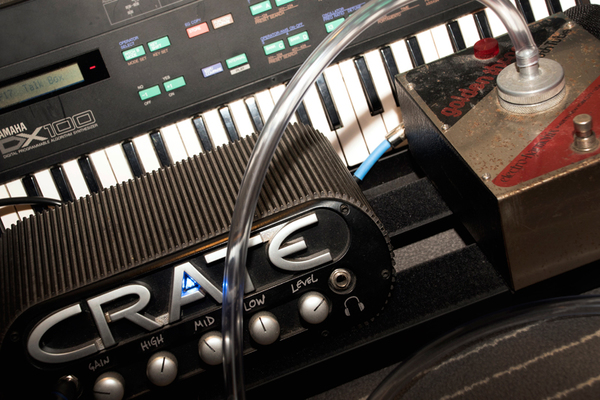
Specified in this 2016 Graphic Fighter Works interview promoting The 90s EP.
Currently I’m using a Yamaha DX100 with a vintage Golden Throat II, a GF WORKS Tube Holder, and it’s powered by a Crate Power Block. I chose this configuration because it’s one of the classic systems. All the vocals on my album were recorded with this system through a Neumann TLM49. I just got a Prophet 6 and have been really enjoying playing it through the talkbox and I may try some different setups now that I finished the album. I wanted the record to have a uniform sound the whole way through. Now it might be time to experiment again!

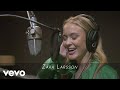
Singer Zara Larsson used the Neumann TLM 49 microphone during the recording of "Mary, Did You Know?" for the soundtrack of The Star, as confirmed in the video titled "Zara Larsson - Inside The Music from The Star" published by TheStarVEVO on YouTube.


Used as first part of his vocal chain for studio recordings.

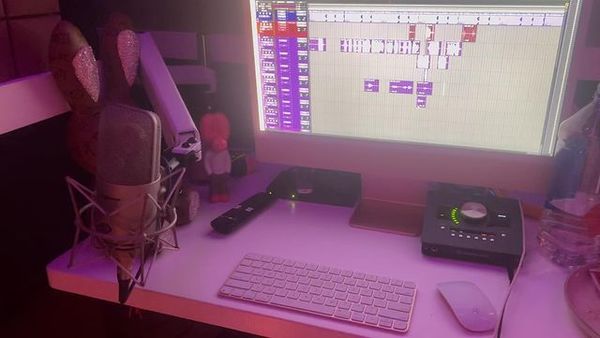
Seen recording her version of SZA’s song hit different, the Neumann M149 can be seen on its shockmount right in front of the screen

In the YouTube video "CG5 House & Studio Tour [2019]" by CG5LIVE, at the 6:40 mark, CG5 showcases and discusses the Neumann TLM 49 Condenser Studio Microphone, highlighting its significance.


Sennheiser sponsored Lady Antebellum's singer, Hillary Scott, uses Sennheiser's Neumann TLM 49 microphone for studio vocals, according to Sennheiser's artist page.


Album Usage
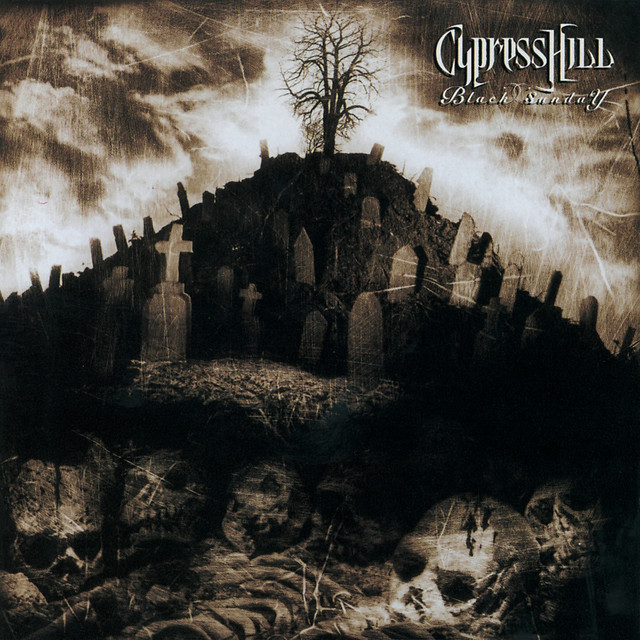
The Neumann TLM 49 has been featured on the following albums:


Genre Usage
Based on how artists on Equipboard use this gear, it is most commonly found in the following genres.
Used With
Based on how musicians on Equipboard use Neumann TLM 49, it is most commonly used with the following gear.


-s.webp?v=1783375713)


Similar
Add recommendation1 alternative for Neumann TLM 49, curated by the Equipboard community.

$8,995.00 - $17,999.00
More Neumann Condenser Microphones

$519.00 - $799.00
in Condenser Microphones Rank


$899.00 - $1,295.00
in Condenser Microphones Rank


-m.webp?v=1783346562)
$2,349.00 - $3,995.00
in Condenser Microphones Rank


$508.80 - $849.00
in Condenser Microphones Rank


$2,782.69 - $3,995.00
in Condenser Microphones Rank


$748.89 - $899.00
in Condenser Microphones Rank


$3,463.04 - $4,395.00
in Condenser Microphones Rank


$4,300.00 - $8,299.00
in Condenser Microphones Rank
-m.webp?v=1783346539)
$4,999.00 - $5,995.00
in Condenser Microphones Rank


$1,281.75 - $1,750.00
in Condenser Microphones Rank


$1,749.99
in Condenser Microphones Rank


$533.45 - $849.00
in Condenser Microphones Rank


$1,439.00 - $1,695.00
in Condenser Microphones Rank


$714.56 - $849.00
in Condenser Microphones Rank


$16,111.00
in Condenser Microphones Rank

$1,173.60 - $1,595.00


$1,975.00 - $3,500.00


$3,666.00 - $4,395.00


-m.webp?v=1783376765)
$1,975.00 - $3,500.00


$2,349.00 - $3,995.00


$8,100.00 - $9,995.00


$989.00 - $1,266.00


$3,421.95 - $3,995.00


.png?v=1783256553)


$554.06 - $699.00


Accessories & Related Items


-s.webp?v=1783376725)


Community setups


Gear Guides






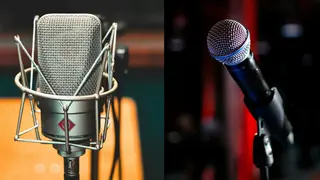


Most Popular Condenser Microphones
Most Popular Brands
-
Added to Equipboard on by
 equipboard
Gear IQ 4934
-


