

Pricing and availability
We compare 600+ stores and found this item at 3 stores. Prices updated .
Store
Reviews
Price




Average Price: $862
High-end/Boutique
$300
$701+
Price Tier
Budget
Standard
High-end
Price History
Based on price data from 2 merchants for "Peavey Classic 30 112". Prices shown reflect NEW condition. Tracking began Apr 2, 2026.
* Product prices and availability are updated by Equipboard every 24hrs and are subject to change. Equipboard may receive compensation for purchases made at participating retailers linked on this site. This compensation does not affect what products or prices are displayed, or the order of prices listed. For more information, please refer to our affiliate disclosure.
Description
Discover the Peavey Classic 30 112, an amplifier that’s more than just a piece of equipment—it's an essential companion for every guitarist seeking that perfect blend of classic and contemporary tones. Revered by blues, country, and rock enthusiasts, this amp is a tone machine designed to deliver the vintage warmth and modern versatility that only a full tube setup can provide. Powered by three 12AX7 preamp tubes and four EL84 power tubes, it promises rich, dynamic sound that spans the tonal spectrum.
The Classic 30 112 is not just about the tubes, though. Its genuine spring reverb and active Presence control ensure that your sound can be tailored to any playing style or venue, from intimate bars to roaring arenas. With its footswitchable dual channels and 3-band EQ, this amp offers endless possibilities for shaping your sound. Whether you're going for a clean, crisp rhythm or a gritty, overdriven lead, this amp has you covered with its straightforward yet flexible controls.
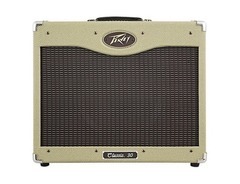
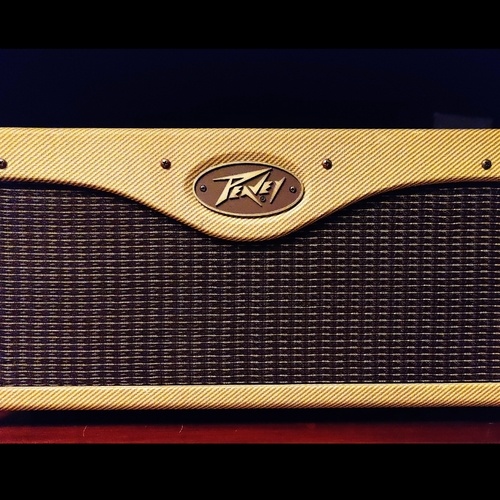
Built with a vintage-inspired chrome-plated chassis and classic tweed covering, this combo amp doesn’t just sound the part—it looks it too. Its robust design and construction ensure that it can withstand the rigors of gigging while still delivering exceptional performance every time.
Key Features:
- All-tube setup with three 12AX7 and four EL84 tubes
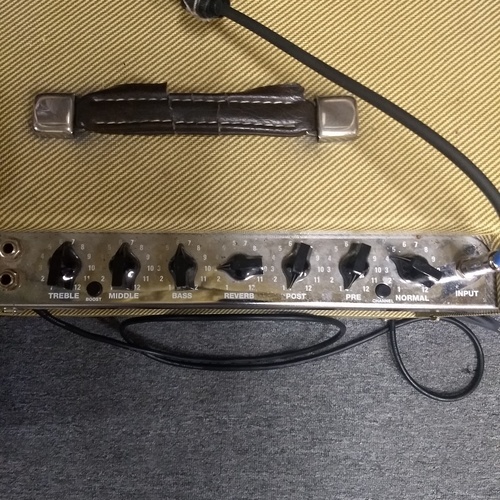
- Genuine spring reverb with level control
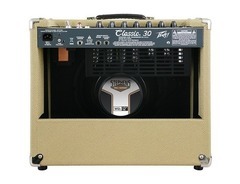
- Footswitchable dual channels and active Presence control
- 3-band passive EQ (bass, middle, treble)
- 30 watts (RMS) into 16 or 8 ohms
- 12" Celestion Midnight 60 speaker
- Effects loop and external speaker capability
- Chrome-plated chassis and classic tweed covering
- Footswitch optional for channel switching, reverb, and boost
Product specs
| Brand | Peavey |
| Model | Classic 30 112 2-Channel 30-Watt 1x12" Guitar Combo |
| Finish | Tweed |
| Year | 2023 - 2025 |
| Categories | Guitar Combo Amps |
| Built-In Effects | Built-In Effects |
| Electronics | Tube |
| Number of Channels | 2 Channels |
| Number of Inputs | 2 Inputs |
| Output Power (Watts) | 30 |
| Power Tube Type | EL84 |
| Reverb | Spring Reverb |
| Speaker Configuration | 1x12" |
FAQs
-
What kind of tones can I expect from the Peavey Classic 30 112 for blues music?
-
The Peavey Classic 30 112 delivers warm, rich tones ideal for blues, thanks to its EL84 power tubes and spring reverb. It offers a smooth overdrive and clear cleans, making it versatile for both rhythm and lead blues guitar playing.
-
Is the Peavey Classic 30 112 suitable for gigging with a drummer?
-
Yes, with its 30-watt output and 1x12 speaker configuration, the Peavey Classic 30 112 is powerful enough to hold its own in live settings with a drummer, providing ample volume and clarity.
-
Does the Peavey Classic 30 112 take pedals well?
-
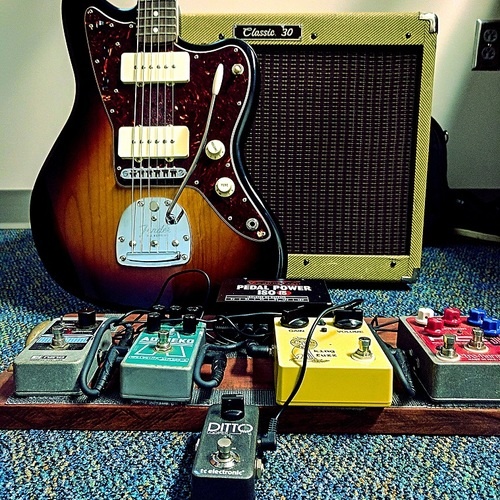
The Peavey Classic 30 112 works well with pedals, especially due to its clean channel that provides a solid foundation for effects. Its tube-driven circuitry enhances the response and character of overdrive and modulation pedals.
-
What are the main features of the Peavey Classic 30 112's reverb?
-
The Peavey Classic 30 112 features a built-in spring reverb, which adds a classic, lush ambiance to your sound. This reverb is adjustable, allowing for subtle to pronounced effects suitable for various musical styles.
-
How does the Peavey Classic 30 112 compare to the Fender Blues Junior?
-
The Peavey Classic 30 112 offers more power at 30 watts compared to the 15-watt Fender Blues Junior, providing greater headroom and volume. It also includes two channels and built-in reverb, offering more versatility in tone shaping.
Videos

Guitar Center
Peavey Classic 30 Combo Guitar Amp Demo
Peavey Classic 30 Combo Guitar Amp Demo
Guitar Center
Review Demo - Peavey Classic 30

Premier Guitar
Peavey Classic 30 - Amazing Tube Amp on a Budget!

Johan Segeborn
Peavey Classic 30 Guitar Amplifier (Made in the USA)

intheblues
Peavey Classic 30: Review, Tone Tips & More

Jack Fossett
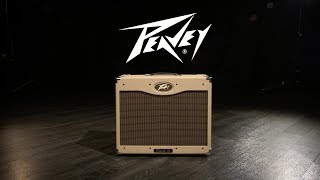
Peavey Classic 30 / 112 Guitar Amp, Tweed | Gear4music demo

Gear4music Guitars
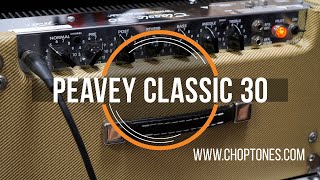
Peavey Classic 30 | Playthrough Demo

ChoptonesOfficial
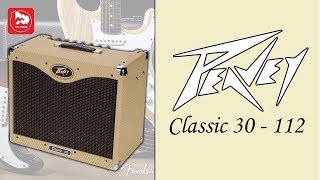
PEAVEY CLASSIC 30-112 Классический ламповый гитарный комбо

PopMusicRu
Reviews
PROS
-
Rich warm sound blends well across music styles
-
Portable for ease of transportation
-
Good crisp cleans with versatile overdrive channel
-
Compatible with pedals for expanded sound options
-
Built-in spring reverb enhances effects capability
-
FX loop adds to sound customization
-
Amp's output significantly boosted with extension cabinet
-
Durable design with easy-to-use interface
-
High-quality sound comparable to more expensive amps
-
Great headroom, particularly on the clean channel
CONS
-
Older models lack footswitch boost option
-
Drive channel EQ might require external EQ pedal for optimization
-
Stock speaker's brightness may not suit all preferences
-
Plastic tube socket prone to melting; may need replacement
-
Absence of channel footswitch in some purchases
Owner Insights
We analyzed real musician discussions from forums and Reddit to find what players love, question, and tweak about Peavey Classic 30 112.
Comparisons
-
The Peavey Classic 30 is noted for its fatter tone compared to Fender amps, with a warm clean and full overdrive well-suited for blues rock.
Source -
The Peavey Classic 30 is noted as much lighter than the VOX AC30, making it more portable without sacrificing performance.
Source -
The Delta Blues shares the Classic 30 circuit but adds tremolo and different speakers (15" or 2x10"), offering a unique alternative with added features.
Source
Features and functionality
Use cases and applications
-
A Telecaster paired with a Classic 30 is highlighted as a versatile combination for those seeking rich clean tones and fat overdrive.
Source -
The Classic 30, when paired with a matching 1x12 cab, is reported to be more than loud enough for any stage setting.
Source -
The Classic 20 is noted as sufficient for live settings unless Fender Twin-level clean headroom is required, offering a viable lighter alternative.
Source
User experience
-
Owners report that the Classic 30’s clean channel is distinct and favored over some other amplifiers for its unique tonal qualities.
Source -
The clean channel set to about "4" achieves a unique edge of distortion, allowing dynamic control based on playing intensity.
Source -
An owner with extensive Peavey experience highlights that upgrading the speakers significantly enhances the amp's sound quality.
Source
Setup and maintenance
-
The three-piece main board is difficult to work on; users have noted repairs can be challenging, especially for the Ext. Speaker jack.
Source
Value and pricing
-
Older, US-made Classic 30s are preferred over newer Chinese-made versions due to reliability and performance, with some owners finding vintage models more durable.
Source -
Classic 30 amps, considered "gems" among Peavey offerings, can often be found used for around $300, presenting a strong value proposition.
Source
4.5 out of 5
Based on 9 Reviews and 38 Ratings

180
This is the sound I wanna hear
This is my first tube amp. I had been saving my money for a Fender for years, until I had the opportunity to trade this amp for a bunch of pedals in about 2010, and never turned back. It's size, weight and capacity was ideal for my profile, and I fell in love with its rich warm sound. Mine is the older model with the rectangular front panel, reverse control board, and no option to footswitch boost. The drive channel is footswitchable, but it has a different, flatter equalization than the clean one. An EQ pedal in the chain may help, but I've found that I come out better driving the clean channel with a stomp-box to have a rich drive sound. The built in spring reverb is perfect for me, always keep it on, so I never use the cheap plastic foot-switch. I once tried the greenback speaker mod, but I've found that the stock (blue marvel) speaker's voicing better suits the amp's sound characteristics. Shortly after purchasing the amp, I managed to get a matching EC30 extension cabinet, that incredibly enhances the output in a live environment, so I soon found myself dragging a half stack everywhere on stage. The only issue I ever had with it in 8 years was a melt plastic tube socket, that was replaced with ceramic.
.jpg?v=1784668718)
522

333
Great All-round Amp
I bought this looking for a Fender Twin Reverb. I couldn't afford the Twin, so I opted for a used Peavy instead. This amp has the basic clean sound that I want, but I was surprised by the overdrive channel and the boost. This combo tube amp contains an FX loop (which may come in handy pretty soon) and reverb, which gives this spring reverb sound when it's cranked all the way up. The only downside to my purchase was that it did not come with a channel footswitch. Incredibly versatile amp to say the least.


91
Amazing amp (especially on clean)
This amp is largely used for its dirty channel which is very good however i generally stick to clean channels and in this it is amazing. Fender quality cleans and a huge amount of headroom too. Takes pedals brilliantly! Reverb isn't the most amazing but not bad.


116
Wonderful and versatile little amp.
It would be hard to find a situation where you needed more than this amp, shy of playing a huge venue. It pushes really hard. It breaks up really nicely when you want it to and sounds killer. I've got an old Eminence Redcoat Wizard in it and regular JJ tubes.
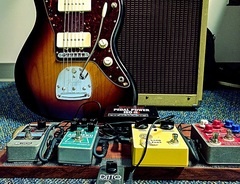

Work horse!
I have a C30 from 92, first edition. It's my working horse, for rehearsals and jamming. Very simple to use, pretty straight forward, like the early Fender's, a characteristic I enjoy: nice and simple. Just changed the speaker - the original one is very crisp and bright - to an Eminence and it's ready to go!

41028
Tube compliment? Bias scheme? what type of speaker was in there originally and which eminence did you replace it with? Has it ever been in the shop for service? For those of us who wouldn't touch a Peavey tube amp with a 10 foot pole, what are the features and control set?

Artist usage
Add artist

From GuitarPlayer magazine, May 2000 issue: "For amps, it's back to the thrift store. Other than a Peavey Classic 20 and ... [it's all about 'old crusty amps'...]"
(A 20 Watt model didn't show up in this site's item list, so I chose the 30W.)

.jpg)
Christone "Kingfish" Ingram showcases his use of the Peavey Classic 30 112 amplifier in a post on his Instagram, where he tags Peavey Electronics and includes the hashtag #PoweredByPeavey.


"Got a little 58 microphone miked up the Peavey Classic 30 right there, an awesome little amp that I got at Island Music Company back in the 2016 timeframe..."


According to Peavey's website Earle is using a Classic 30 (112) amplifier.


In a video by Andertons Music Co titled "The Captain Meets Tim Renwick," Tim Renwick mentions that one of his go-to amplifiers at home is the Peavey Classic 30 112.

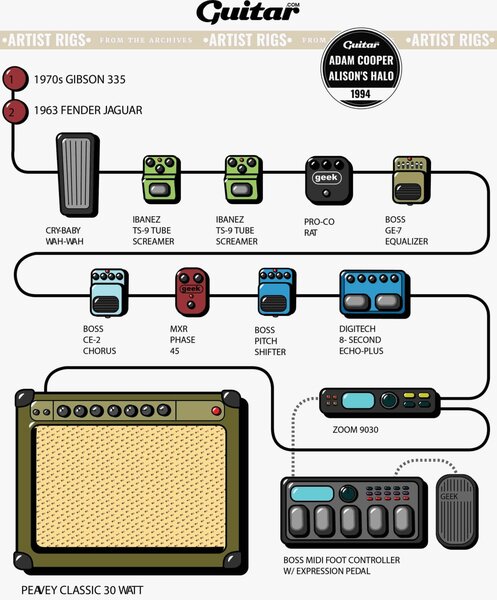
The amp is listed in the Guitar Geek diagram of Adam Cooper's 1992 board. Guitar Geek was originally Adam's project, these diagrams are now hosted at Guitar.com.


"After the sampler purchase we continued to make improvements to our individual rigs. I started playing Schecter guitars and stuck with them through the end of the band (and, after putting up with the many flaws of an annoyingly unreliable Groove Tubes amp, bought a small Marshall tube combo that I stayed with til the end). Eric eventually gave up on the Eden and the Jazz bass and replaced them with an Ampeg SVT-II Pro and an older Precision bass. Travis started using Peavey Classic 30s instead of the 50, and switched to my old MusicMan guitar for a while until it was replaced with an SG. During the majority of the shows we played during 2003, he used a new Gibson Melody Maker and a Fender Blues Jr. When the JX-1 finally needed to be put down, we attempted to replace it with a Fatar that didn't work correctly, and eventually bought a Midiman Radium that we used during the last few tours. Travis' controllers went through various iterations as well, but the majority of the time he used Yamaha PSS series keyboards. We also used a laptop running Halion through Cubase as our sampler for while, but reverted to the esi-4000 for our final tours." - Jason Caddell on the band's gear
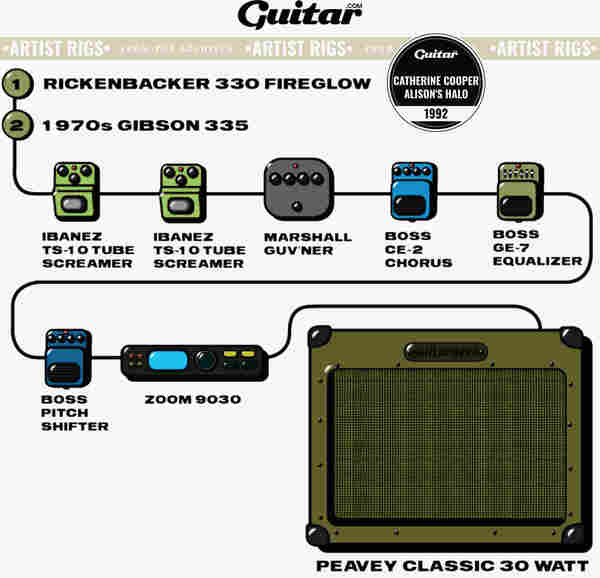
The amp is listed in the Guitar Geek diagram of Catherine Cooper's 1992 rig. These diagrams are now hosted at Guitar.com.


Genre Usage
Based on how artists on Equipboard use this gear, it is most commonly found in the following genres.
Used With
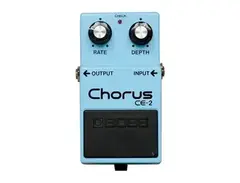
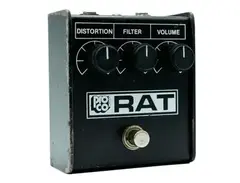
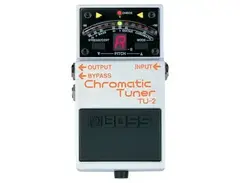
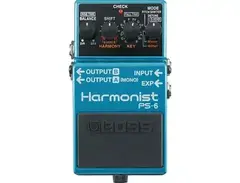
Based on how musicians on Equipboard use Peavey Classic 30 112, it is most commonly used with the following gear.
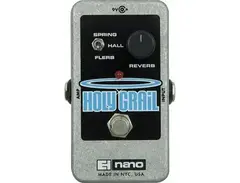
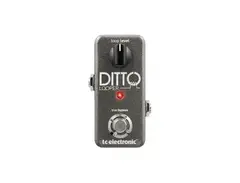
-s.webp?v=1784905089)
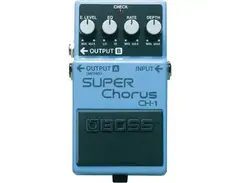
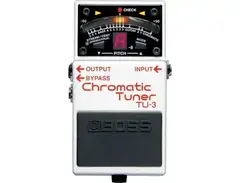
Community setups
Show yours


Similar
Add recommendation1 alternative for Peavey Classic 30 112, curated by the Equipboard community.

More Peavey Combo Guitar Amplifiers

$375.00 - $499.99
in Combo Guitar Amplifiers Rank


$499.99 - $626.58
in Combo Guitar Amplifiers Rank


$200.00 - $499.99


$418.65 - $799.99


$149.99 - $374.99


$199.99 - $374.99


$550.00


-m.webp?v=1784041314)


$295.39 - $999.99


$198.69 - $399.99


-m.webp?v=1784905338)


$325.00 - $979.99


.png?v=1784793230)


Gear Guides







Most Popular Combo Guitar Amplifiers
Most Popular Brands
-
Added to Equipboard on by
 slapthatplank
GearIQ 185
-


