


Pricing and availability
We compare 600+ stores and found this item at 10 stores. Prices updated .
Store
Reviews
Price









Average Price: $113
Standard/Professional
$75
$201+
Price Tier
Budget
Standard
High-end
Price History
Based on price data from 7 merchants for "Shure SM57". Prices shown reflect NEW condition. Tracking began Apr 2, 2026.
* Product prices and availability are updated by Equipboard every 24hrs and are subject to change. Equipboard may receive compensation for purchases made at participating retailers linked on this site. This compensation does not affect what products or prices are displayed, or the order of prices listed. For more information, please refer to our affiliate disclosure.
Description
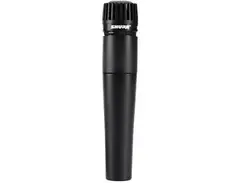
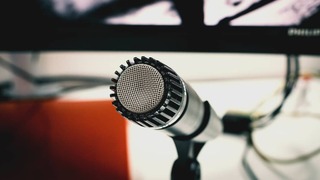
Meet the Shure SM57, a dynamic microphone that's as versatile as it is reliable. Known for its exceptional sound reproduction, this microphone has become a staple in both studio recording and live performance. From the presidential podiums to the global stage, the SM57 has proven its worth, capturing the true character of vocals, guitars, drums, horns, and virtually everything else.
Inside the Shure SM57 is a meticulously engineered dynamic element that provides a smooth, natural frequency response optimized for instruments and vocals. Whether you need to highlight the metallic ring of cymbals, the punchy thump of a bass drum, the growl of a guitar amp or the rich harmonics in a saxophone, the SM57 renders each detail with lifelike realism, so your instrument shines in the mix.
Key Features:
- Cardioid Pickup Pattern: This feature isolates the main sound source while minimizing background noise, ensuring the voice remains clear and intelligible.
- Tailored Frequency Response: The SM57 has a uniquely tailored frequency response that accentuates detail and nuance, allowing your instrument to sound its best.
- Rugged Construction: With its all-metal construction and rugged steel grille, the SM57 can handle the rigors of the studio and the stage.
- Versatility: The SM57 can accurately convey the tone and dynamics of a wide variety of instruments, making it a go-to choice for many professionals.
- Trusted by Professionals: The SM57 is not only the first choice for professional musicians, but it has also been at the podium of the US President for over 30 years.
Owner's manual
Shure SM57 User ManualProduct specs
| Microphone Type | Dynamic |
| Polar Pattern | Cardioid |
| Frequency Response | 40Hz-15kHz |
| Output Impedance | 150 ohms |
| Connector | XLR |
| Dimensions | 6.34" x 1.68" |
| Weight | 0.63 lbs. |
| Included Accessories | Mic clip |
FAQs
-
What is the Shure SM57 primarily used for?
-
The Shure SM57 is primarily used for miking instruments such as drums, guitar amplifiers, and woodwinds in both live and studio settings due to its cardioid pickup pattern that isolates the main sound source.
-
Can the Shure SM57 be used for vocal recordings?
-
Yes, the Shure SM57 can be used for vocal recordings, especially for loud vocals or live performances, though it is more commonly used for instruments.
-
Does the Shure SM57 require phantom power to operate?
-
No, the Shure SM57 does not require phantom power as it is a dynamic microphone, which does not need external power to function.
-
What type of connector does the Shure SM57 use?
-
The Shure SM57 uses an XLR connector, which is standard for professional audio equipment, ensuring secure and high-quality signal transmission.
-
How does the cardioid polar pattern of the Shure SM57 affect its performance?
-
The cardioid polar pattern of the Shure SM57 helps to focus on the sound source directly in front of the microphone while minimizing background noise, making it ideal for isolating instruments in a mix.
Equipboard's Expert Review

Equipboard tested this
Unyielding Versatility and Performance
When it comes to reliable microphones, the Shure SM57 stands resolutely at the forefront of our minds. We've depended on this industry stalwart for years, and it has remained a consistent companion in both studio and live settings.
Upon our initial inspection, the SM57 impresses with its robust build. The solid metal body exudes durability and has a comforting weight that has been withstanding the rigors of heavy usage and accidental drops for years. Shure’s reputation for crafting durable gear holds strong here—this mic is built to last.
The features of the SM57 are straightforward yet effective. Its cardioid pattern provides good off-axis rejection, making it versatile for a range of applications. However, there is some off-axis coloration, which might be a drawback for those needing pristine rejection. Additionally, its medium output isn’t ideal for low-level recordings, but it’s rarely been a dealbreaker for us.
In terms of sound, the SM57 delivers natural, clear, and detailed performance that has earned its place in countless recordings. We've used it extensively on guitar amps, snares, and various instruments with consistently outstanding results. That said, it’s not our first choice for vocals, where it can exhibit significant proximity effect. Its frequency response has noticeable peaks and drops, and it lacks the high-end clarity some might desire.
However, the Shure SM57’s value for money is unparalleled. At roughly $99, it’s a long-term investment that punches well above its weight class in performance. It’s perfect for musicians and audio professionals who need a reliable all-arounder. However, vocalists looking for a more refined sound might want to explore other options. In sum, the SM57 is a durable workhorse that continues to earn its keep in our gear arsenal.
Videos

Podcastage
Shure SM57 Dynamic Mic Review / Test
Shure SM57 Dynamic Mic Review / Test
Podcastage
Shure SM57 - The Only Microphone You'll Ever Need...

AudioHaze

Miking Guitar Amps: Finding the Sweet Spot by Sweetwater

Sweetwater

Shure SM57 vs Sennheiser e906 - Two LEGENDARY Guitar Amp Mics Compared!

intheblues
Disassembled Counterfeit/Fake SM57 vs a REAL Shure SM57

Local Teen
This is WHY You Need This Mic - SHURE SM57

Cajon Master
300 € sparen? Shure SM7B und SM57 im direkten Vergleich | Abmischen Tutorial | Recording-Blog 122

Recording-Blog
Shure SM57 Dynamic Microphone | Reverb Demo Video

Reverb
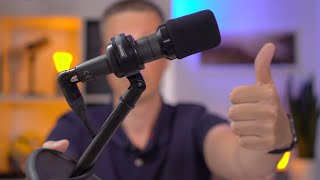
Shure SM57 Test und Vergleich mit SM7B und Rode Podmic

Alexan Der
Review - Ist das Shure SM57 das beste Mikrofon unter 100 Euro?

Marvin 96kHz
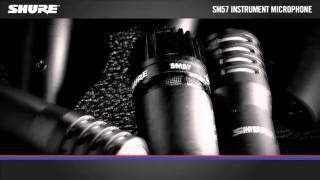
Shure SM57 Dynamic Instrument Microphone

Gear4music Guitars
Reviews
PROS
-
Versatile across instruments: drums, guitar, bass amps, and vocals
-
Industry-standard with a strong reputation
-
Durable, robust construction withstands heavy use
-
Excellent off-axis rejection minimizes bleed
-
Handles high SPLs well, suitable for loud sources
-
Excellent for both studio and live use
-
Cost-effective for its performance
-
Natural sound reproduction with minimal background noise
-
Works well for YouTube content creation
-
Ideal for capturing the sound of classical and electric instruments
CONS
-
Some find it lacks high-end clarity for vocals
-
May not excel in capturing very soft, low-level sounds
-
Requires significant gain for optimal volume
-
Some users prefer alternatives for specific instruments like guitar cabs
-
Can sound compressed and somewhat muddy on acoustic instruments
Owner Insights
We analyzed real musician discussions from forums and Reddit to find what players love, question, and tweak about Shure SM57.
Use cases and applications
-
SM57 is praised for versatility, excelling on guitar amps and snare drums but less ideal for soft acoustic instruments without a preamp boost.
Source -
A Cloudlifter is recommended to enhance gain for recording softer instruments with the SM57, reducing noise and improving clarity.
Source -
The SM57's tighter polar pattern makes it ideal for drum vocals, reducing unwanted kit noise pickup, though it requires the vocalist to maintain close proximity.
Source -
The SM57 is noted for being more sensitive than the SM58, making it potentially better for capturing softer voices, such as speech for public addresses.
Source -
The SM57 can be advantageous in live settings for instruments due to its ability to fit in tight spaces, such as on a snare drum, without a large grille interfering.
Source -
The SM57 is highly recommended for guitar amps and drum sets, making it ideal for both studio and live environments.
Source
Comparisons
-
The Shure SM57 is often compared to the SM58 for vocals, with the SM58 preferred due to its design for vocal clarity.
Source -
The SM57's flat grille allows the capsule to be closer to the sound source, enhancing bass response, unlike the SM58's larger, round grille which limits proximity.
Source -
Removing the SM58's ball grille can expose the capsule to damage if dropped, whereas the SM57's design inherently protects the capsule better in such situations.
Source -
Despite using the same capsule, the SM57 and SM58 differ in their application suitability due to differences in grille design affecting frequency response and proximity effect.
Source -
The SM57 is contrasted with the SM7B, with the latter requiring additional investment in preamps for optimal performance, making the SM57 a more budget-friendly option for many users.
Source
Build quality
-
Known for its durability, the SM57 can withstand physical abuse and still function effectively, making it a staple in live sound setups.
Source
Other
-
Concerns about counterfeiting suggest checking authenticity when purchasing an SM57, as fakes can impact performance.
Source
Features and functionality
-
The SM57's grill design includes holes around its circumference, slightly altering sound capture compared to the SM58.
Source
Value and pricing
-
The SM57 is seen as a cost-effective choice for beginners, offering versatility and durability without the need for additional equipment like a Cloudlifter.
Source
Critic Reviews
5.0 out of 5
Based on 124 Reviews and 922 Ratings

984
shocking solid
this mic has basically the best nose rejection i've heard with no effects and nothing special done to it. i would recommend a pop filter as plosives are a bit harsh, but other then that, worth the buy. just wish it was a bit higher fadelity.

172
Should be in every studio.
This mic is amazing. I spent some time up at Berklee College of Music this past summer, and they have about 7-13 of these in all of their studios, stored right next tons of other mic that make the price of this mic look like pocket change... Keep in mind, Berklee has multi-million dollar studios, and they have to budget to fill their mic lockers to the brim with as many $1000 AKG condensers as they want, yet they still swear by 57's for any project. You know a mic is good when it doesn't even cost $100, yet it is still used by pros who would choose it over mics that are way more expensive.
Most people would agree that in the music world, you get what you pay for when it comes to gear. This mic is the exception. It's incredibly cheap, but it still sounds amazing.

9812
Not my choice for a vocal mic, but for instruments is great
I bought one Shure SM57 before my first big gig with my other band, my Fender Rumble is really louder but the room was really big, so we (me and the guitar player, who has a Marsall CF 112) bought a couples of these mics, we put the mics in a Yamaha EMX head and trough two Peavey's PV115 and we play. I also recorded a lot of acoustic's with this mic and my Yamaha Acoustic. Not my choice for voices, but is a great instrument mic

The industry standard.
This microphone is by no mistake the industry standard for recording guitar (and a lot of other instruments). We grew up listening to guitars recorded with it, and, as ar as microphones go, this one is really really easy to set up and get a good sound out of. I have used it for vocals with a pop filter with good results, and for other instruments as well. Highly recommend.

348
Quick review of the Shure SM57 mic.
This is the quintessential studio microphone. Most if not everyone who owns a recording studio has at least one of these microphones. I use it mostly to record electric guitar and snare drum. I've seen videos of people using it as a vocal microphone too so it's very versatile. It is also very durable. The sound is bright and focused, ideal for miking guitar cabinets. It makes a great combination with the Sennheiser e906.

629
Still remains the industry standard.
Can't go wrong with the Shure SM57. It has a history unlike any other microphone, and it has been used in some of the greatest hits ever produced. I have used it for many gigs and it has never failed me.

343
Only have 1 complaint
Because of the pattern and/or the design there is a bit of a funneled cone sound, specifically when recording vocals or smaller sound sources very near field. I would try get as close as you can to your source before this starts happening in order to achieve the best clarity and depth. Other than that this is an all around workhorse, utility microphone, practical for most purposes. With a very wide frequency response it responds extremely well to EQ-ing. Are there better mics? Shure ;)... But nothing this versatile in it's price range.

252
The standard to guitar micing
I used this mic since 20 year now for guitar micing. Of course it has absolutely no flat response. It adds more sizzling treble to the signal, but this does a big favor to the signal as it makes the whole guitar sound "open" and "fresh". Perfect for micing a speaker close to the center. But a good amount eq-ing is still recommended.

417
It's a classic.
Everyone has used, everyone loves it. Works in every situation you can think of. A brilliant microphone for everything ranging from micing up a cabinet, recording vocals or recording drums. It's the swiss army knife of microphones.

Artist usage
Add artist

"He also used a Fender Bassman on about four songs and a Vox AC30 for some clean tracks. Four microphones were used to mic Kurt's speaker cabinet (he would pick which mic he liked best for each song and its signal was sent through the Neve console at Sound City): a Shure SM57, an AKG 414, a Neumann U87, and occasionally a Sennheiser 421. His main effects were the DS-1 Distortion and Small Clone. A ProCo Rat distortion pedal was also used on some songs on the album (6)."


Asked about any tricks to recording natural guitar sounds, guitarist Dave Grohl replied, "As far as micing the amps, we used a Shure SM57. That's usually the mic they use on the amps when you play live, so why not use it in the studio as well?"


"What microphones did you use to record your guitars?
I use a Shure SM57 positioned on axis a couple of inches from the cone. On some tracks the engineer, Ryan Hewitt, added a Royer R-121 ribbon mic, positioned about 15 feet away, in order to capture some of the room sound. We used a Telefunken Ela M 250 tube condenser mic on the acoustic guitars."

Used for the electric guitar on Continuum, as stated by recording engineer Chad Franscoviak in this October 1, 2006 Mix Online interview.
Miking Mayer's guitar rig depended on the song's mood. On “The Heart of Life,” Franscoviak threw a ribbon mic in the middle of the main room as a pair of amplifiers boosted Mayer's tracks. On the majority of the tracks, though, Franscoviak would put a Shure SM57 and a Beyerdynamic M88 right next to each other, about two fingers' width from the guitar cabinet's grille. He would take that track, blend it and send it to one channel. In addition, Mayer likes to hear room ambience on his guitar tracks. To accomplish that, Franscoviak would point either a pair of U67s or U87s about three feet from the edge of the semi-circle of amps, and then either a U47 or a Telefunken 251 in front of them all.
“Then, every once in a while, if he wanted a beefy sound, I would use a [Yamaha] NS10 speaker that had been reversed,” Franscoviak says. “I would put that right up on the cone of one of his cabinets to get that real low-end thing.” The best example of that, he adds, is the solo in “I'm Gonna Find Another You.” Mayer's acoustic guitar chain was an AKG C24 microphone into 1073s.


Producer Vance Powell - “On Blunderbuss I also used the Neve 33609 and RCA BA6A and an Ampex MX35 four–channel tube mixer to record the drums, but these sessions happened so quickly that I did not have a lot of time to set things up. There was not a lot of upright bass this time, but when there was one, I’d use an RCA 44 and something higher up like the RCA BK5A [cardioid ribbon mic]. There was an African drum on ‘Would You Fight For My Love?’, which had an AEA R92, electric bass would have been DI and a Neumann U67 on the amp, with maybe some compression from the [Fairchild] 670. I recorded Jack’s acoustic guitar with an RCA 77DX, and his electric almost always goes through his 1963 Fender Vibroverb in front of which I placed a U67, which went into the Neve 1073 desk and then straight to tape. I did not record any of Jack’s vocals, other than on the song ‘Just One Drink’ because that was done entirely live. I used a Shure SM57 or 58 on his vocals for that, and Josh recorded the backing vocals.”


In "Pulse" 1994, WEM and Marshall speaker cabinets are mic’ed with Shure SM57 and Neumann U-87 microphones.


This mic is used by Slash with his Talkbox, at 0:11


0:22 In this video, explains that Deadmau5 slapped is own ass into an SM57 to make clap sounds.

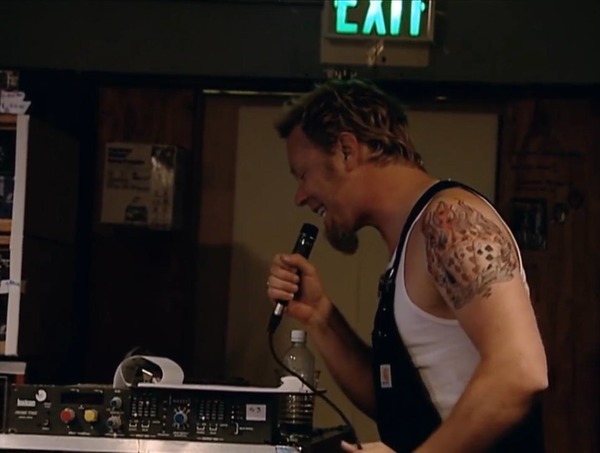
Here James is using a Shure SM57 during the Presidio sessions in 2001


Kevin mentions using SM57s for recording kicks, snares, and his guitar amps, in this interview. The Shure SM57 was usually used as the kick mic on the Tame Impala EP, InnerSpeaker, & Lonerism.


This mic was used for snares on Eagles of Death Metal's album Death by Sexy, according to Shure's official website.


Album Usage
The Shure SM57 has been featured on the following albums:

I Barely Know Her
Sombr (2025)

back to friends
Sombr (2024)

Every Breath You Take
Stewart Copeland & Stewart Copeland (2023)

Norm
Andy Shauf (2023)

Noviembre
Los Bunkers (2023)
Use Your Illusion (Super Deluxe)
Guns N' Roses (2022)
Ants From Up There
Black Country, new road (2022)
Chris King Robinson
Chris King Robinson (2021)

Persona Non Grata
Exodus (2021)
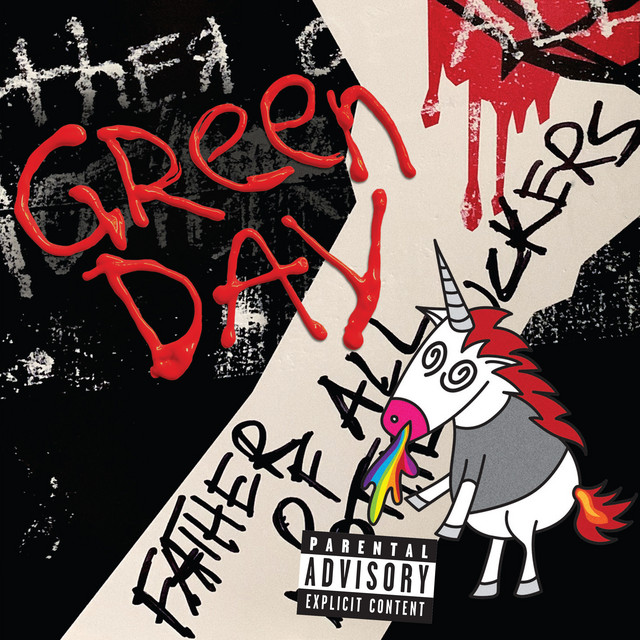
Father of All...
Green Day (2020)
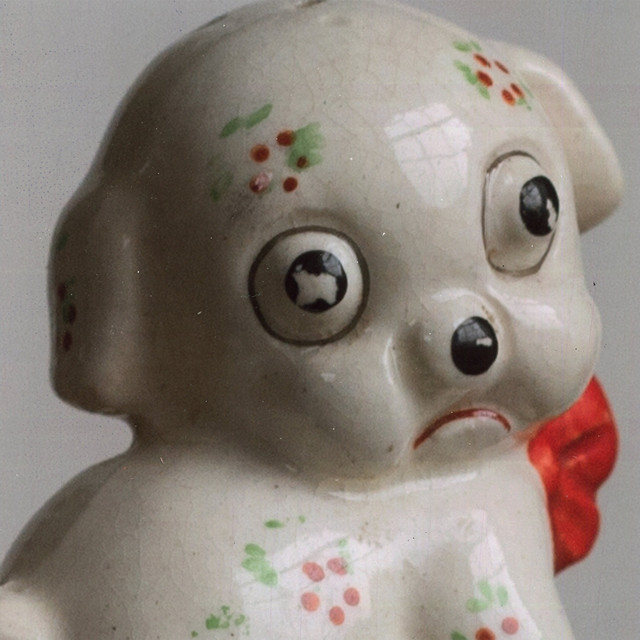
Monument
Keaton Henson (2020)

As Long As You Are
Future Islands (2020)
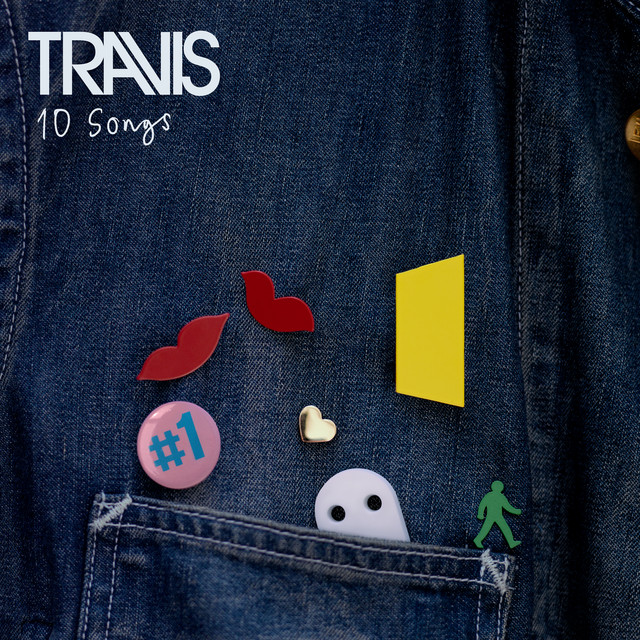
10 Songs
Travis (2020)
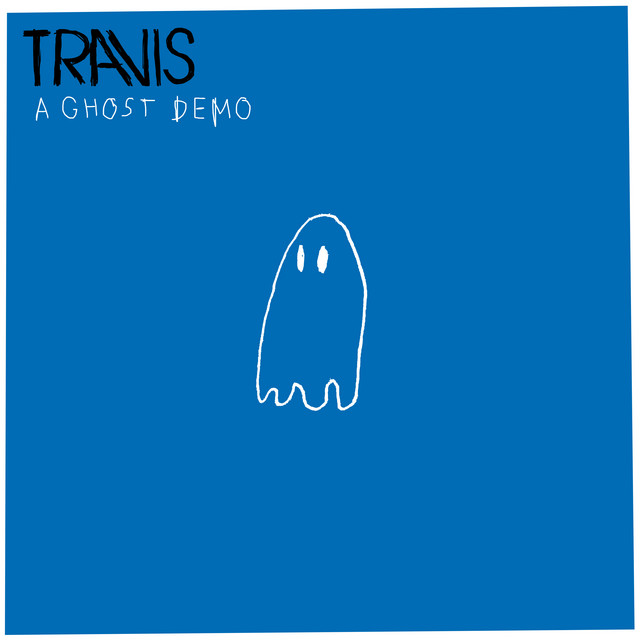
A Ghost
Travis (2020)

Fobia MTV Unplugged
Fobia (2020)
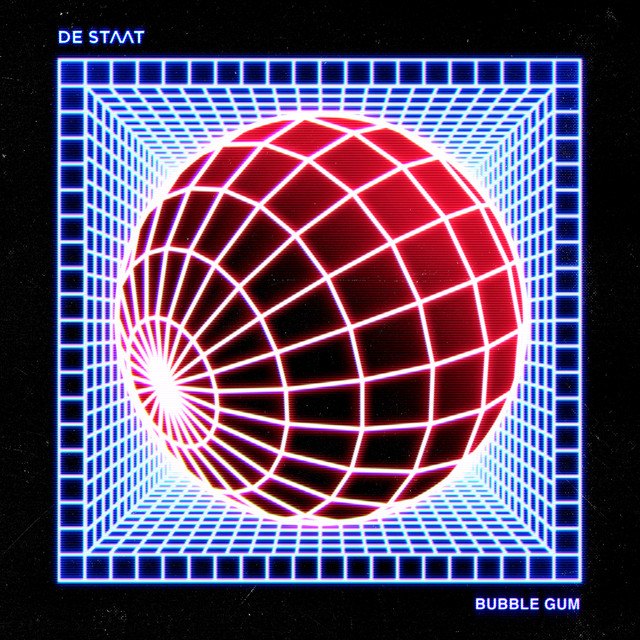
Bubble Gum
De Staat (2019)

Volumen 5
Jorge Stojan (2019)
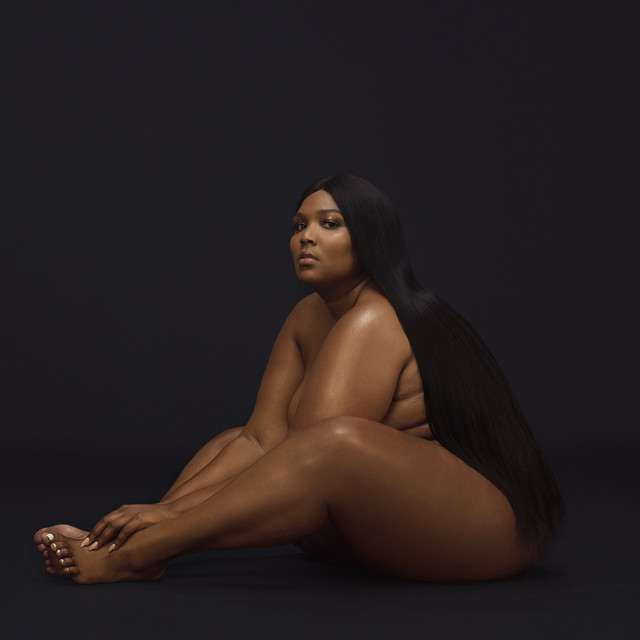
Cuz I Love You
Lizzo (2019)
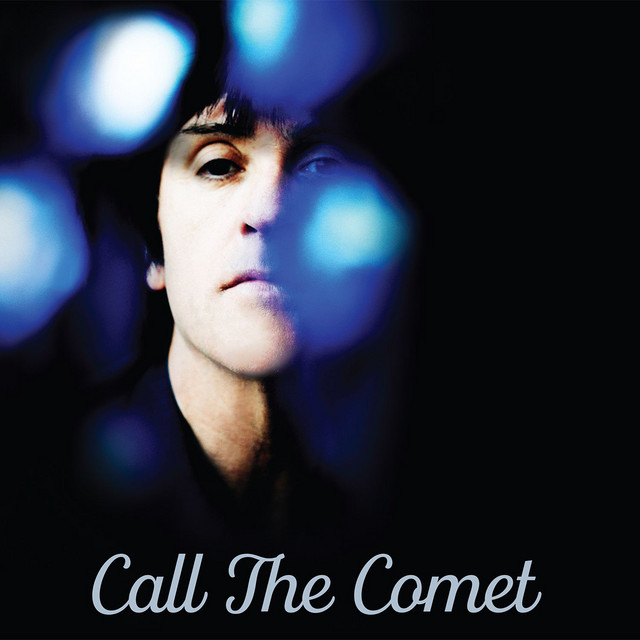
Call The Comet
Johnny Marr (2018)
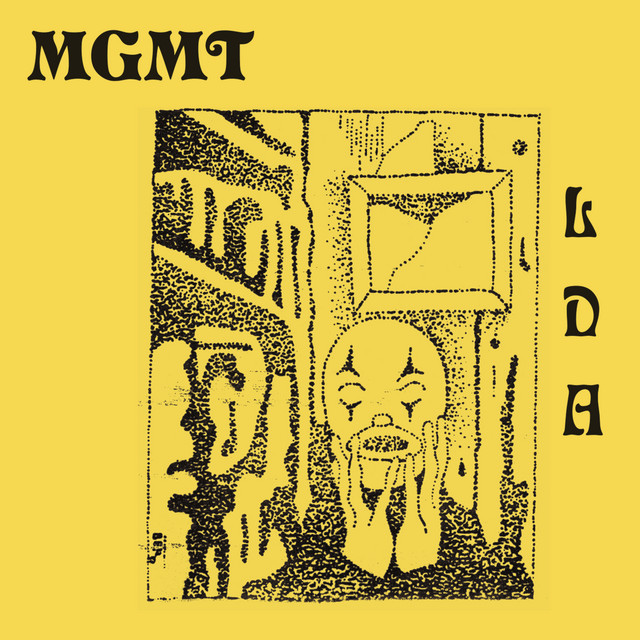
Little Dark Age
MGMT (2018)
One Bad M.F. Live!!
Marty Friedman & Marty Fried (2018)
Old Is New
Toto (2018)

Anthem Of The Peaceful Army
Greta Van Fleet (2018)

Forever
Taska Black (2018)

The Cars at Live Aid (Live at John F. Kennedy Stadium, 13th July 1985)
The Cars (2018)

Fatherland (Original Music From The Stage Show)
Karl Hyde & Matthew Herbert (2017)

Get Out Of Your Own Way
U2 (2017)

Dos en Uno
Steve Jordan (2017)

I'm A Harmony
Linda Perhacs (2017)

Midnight Roses
Drum & Lace (2017)
Kickinit Alone
Kiefer (2017)

Pathos and Logos
Ethan Meixsell (2016)

Graffire
Jorge Salán (2016)
Drones
Muse (2015)

No Closer To Heaven
The Wonder Years (2015)

A Head Full of Dreams
Coldplay (2015)

O Melhor de Elis (Ao Vivo)
Elis Regina (2015)

Repentless
Slayer (2015)
Would You Fight For My Love?
Jack White & Jack White (2014)

Mind Over Matter
Young the Giant (2014)
Shattered
Reigning Sound (2014)
Redeemer of Souls (Deluxe)
Judas Priest (2014)

Solar Echoes
Nigel Stanford (2014)

Random Access Memories
Daft Punk & Daft Punk (2013)

Get Away (feat. Lennart A. Salomon)
Tocadisco (2013)

Falling Bough Wisdom Teeth
Kiev (2013)

Volume 3
She & Him (2013)

Take Me to Church EP
Hozier (2013)
13
Black Sabbath (2013)
TimeScapes
Nigel Stanford (2013)

Lonerism
Tame Impala & Kevin Parker (2012)

Forever Dolphin Love (Erol Alkan's Extended Rework Version 2)
Connan Mockasin (2012)
The 2nd Law
Muse (2012)

Blunderbuss
Jack White & Jack White (2012)

I'm Shakin'
Jack White & Jack White (2012)
Unorthodox Jukebox
Bruno Mars (2012)

Destruye Hogares
Fobia (2012)

The Tragic Evolution of Desire
Warmer (2011)

Headlines
Drake (2011)
Forever Dolphin Love
Connan Mockasin (2011)
No Time for Dreaming (The Instrumentals)
Menahan Street Band & Charles Bradley (2011)
Going Back (2010)
Phil Collins (2010)

InnerSpeaker
Tame Impala & Kevin Parker (2010)

Permalight
Rogue Wave (2010)

Congratulations
MGMT (2010)

Farm
Dinosaur Jr (2009)
Sex On Fire
Kings of Leon (2009)
Graffiti Soul (Deluxe Edition)
Simple Minds (2009)
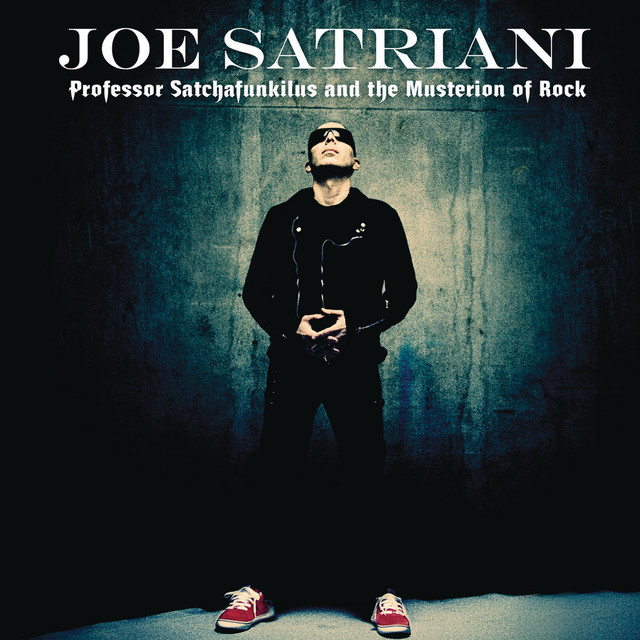
Professor Satchafunkilus and the Musterion of Rock
Joe Satriani (2008)

Only By The Night
Kings of Leon (2008)
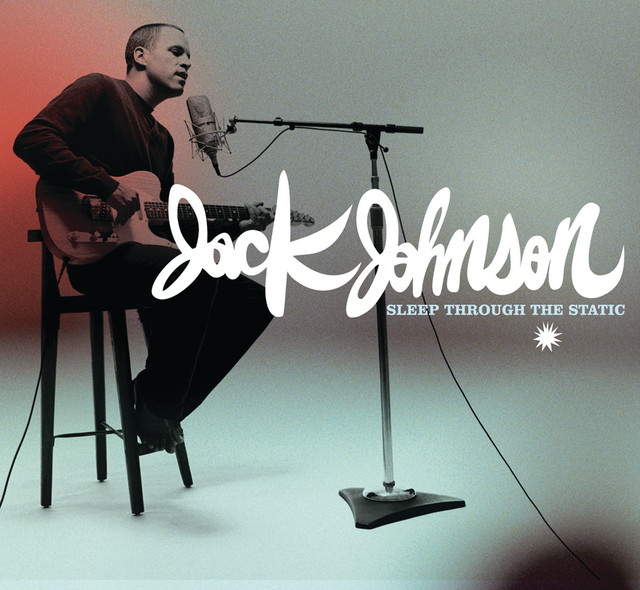
Sleep Through The Static
Jack Johnson (2008)
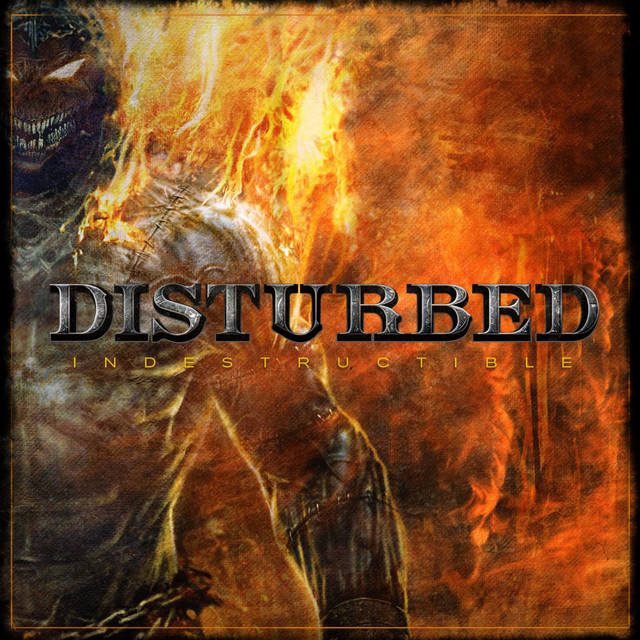
Indestructible
Disturbed (2008)
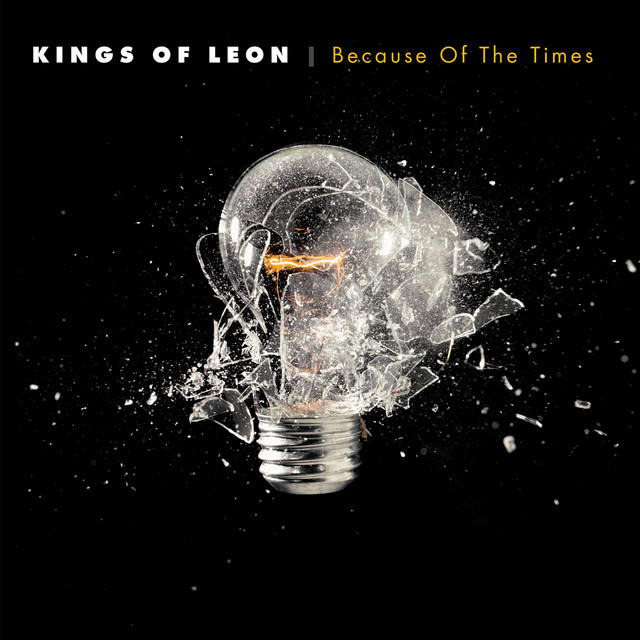
Because Of The Times
Kings of Leon (2007)
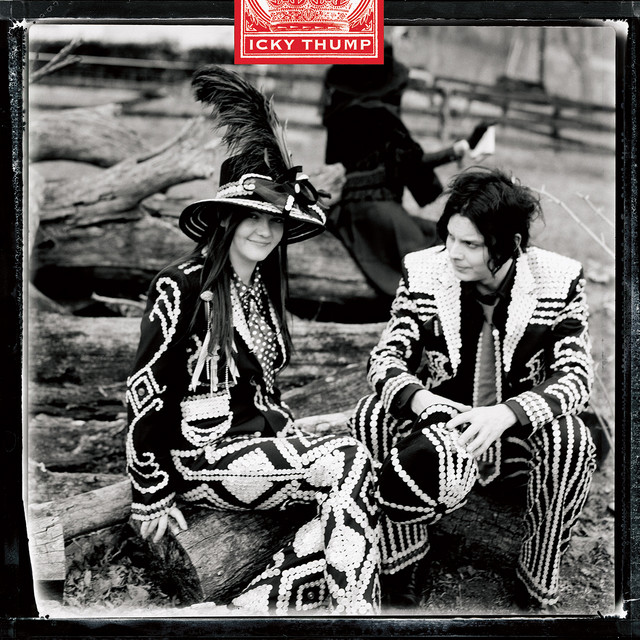
Icky Thump
The White Stripes & Jack White & Jack White (2007)
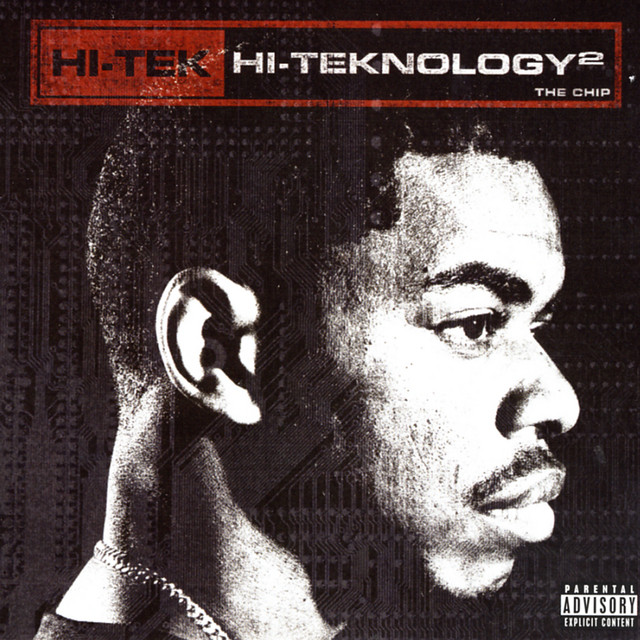
Hi-teknology - Volume 2
Hi-Tek (2006)
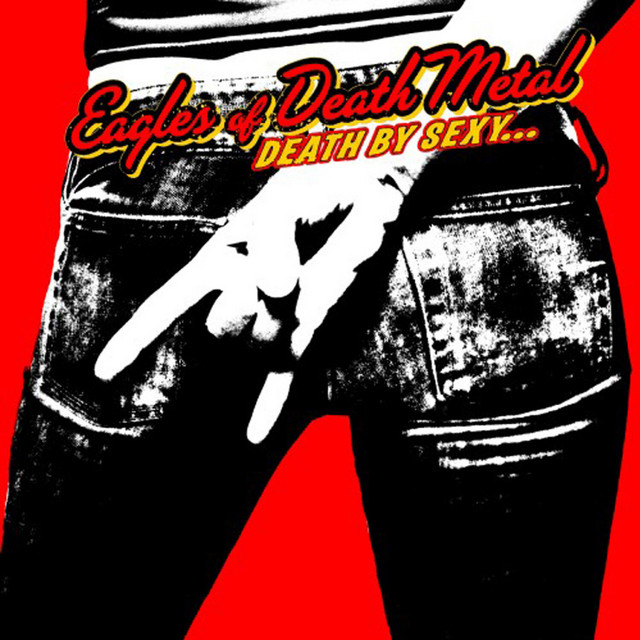
Death By Sexy
Eagles of Death Metal (2006)

Ganging up on the Sun
Guster (2006)
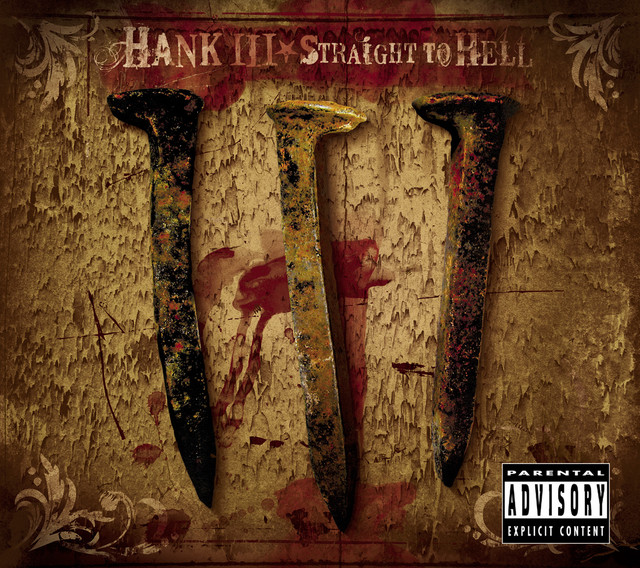
Straight To Hell
Hank Williams III (2006)
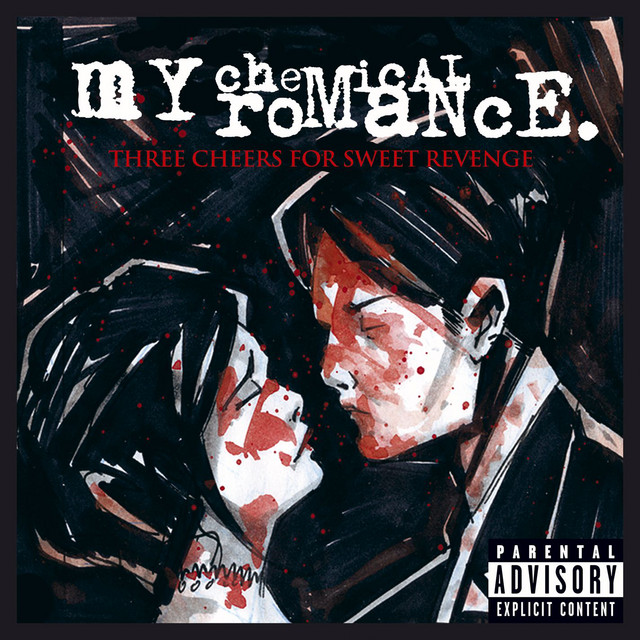
Three Cheers for Sweet Revenge
My Chemical Romance (2004)
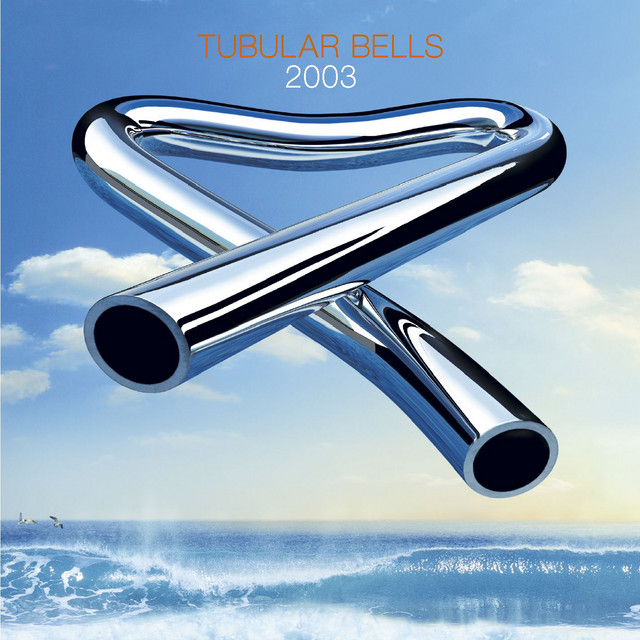
Tubular Bells 2003
Mike Oldfield (2004)

Take This to Your Grave
Fall Out Boy (2003)

The Odyssey
Symphony X (2002)
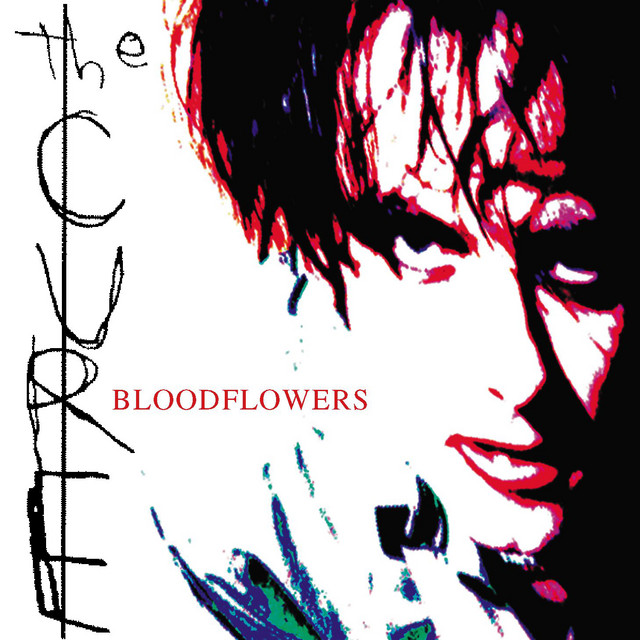
Bloodflowers
The Cure (2000)
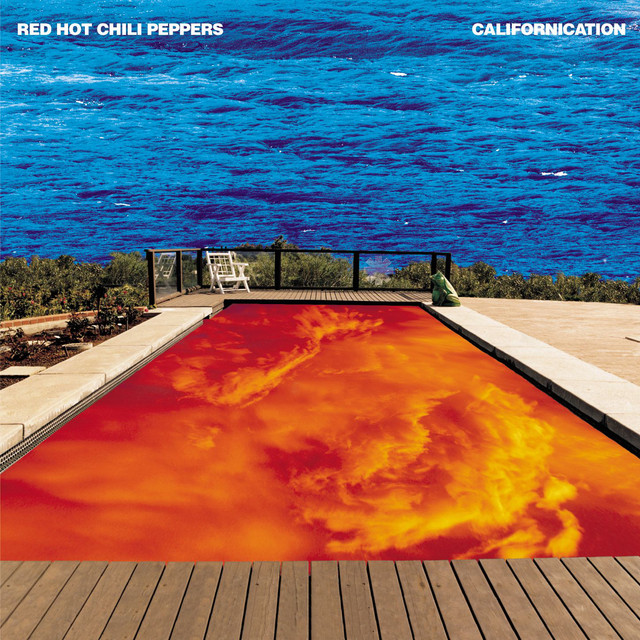
Californication
Red Hot Chili Peppers (1999)
Mule Variations (Remastered)
Tom Waits (1999)
System Of A Down
System of a Down (1998)
This Is My Truth Tell Me Yours
Manic Street Preachers (1998)
Stratosphere
Duster (1998)

Homogenic
Björk (1997)

The Colour And The Shape
Foo Fighters (1997)

On Avery Island
Neutral Milk Hotel (1996)

Pulse (Live)
Pink Floyd (1995)
Slaughter Of The Soul
At the Gates (1995)
Second Coming
The Stone Roses (1994)

Linger
The Cranberries (1993)

Nevermind
Nirvana (1991)
Violator (Deluxe)
Depeche Mode (1990)
Mosquitos
Stan Ridgway (1989)
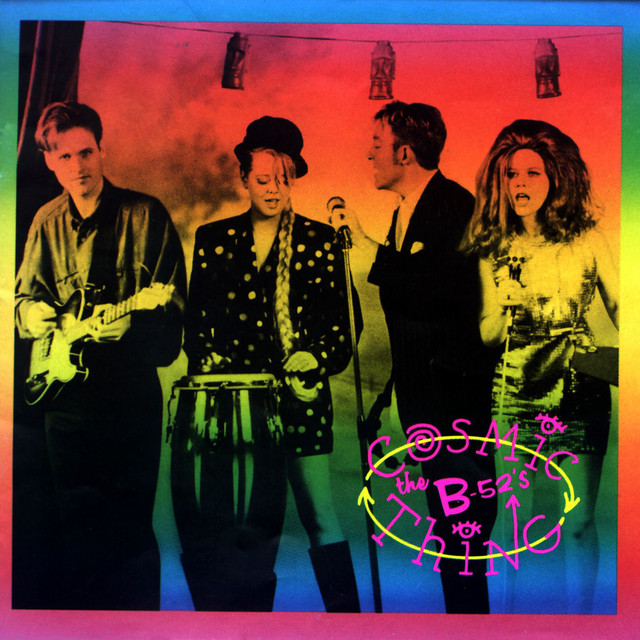
Cosmic Thing
The B-52's (1989)
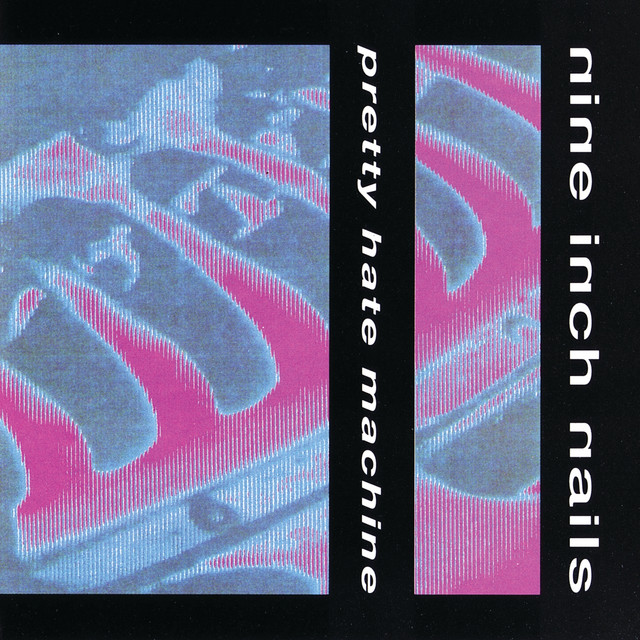
Pretty Hate Machine
Nine Inch Nails (1989)
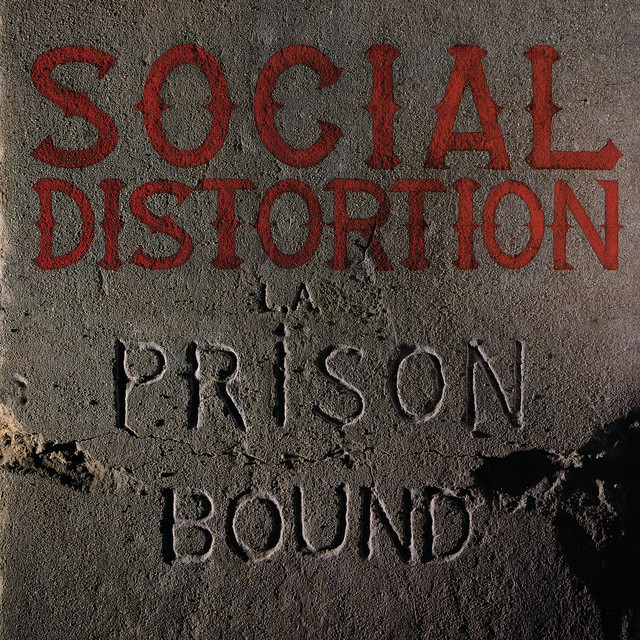
Prison Bound
Social Distortion (1988)
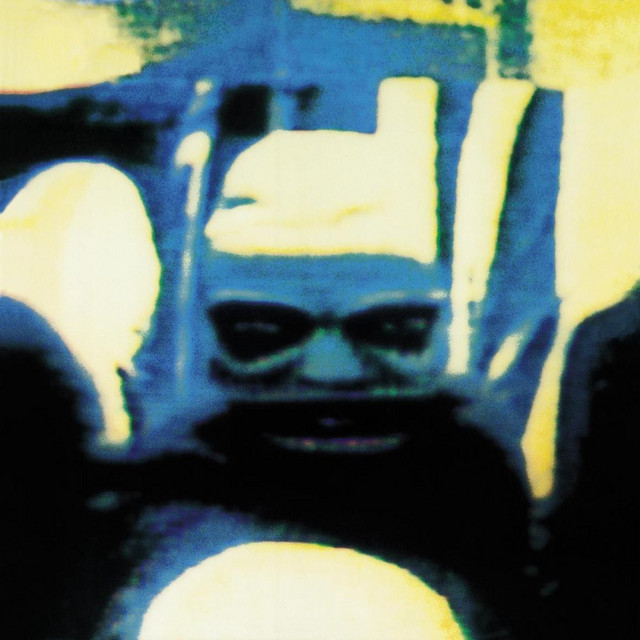
Peter Gabriel 4: Security (Remastered Version)
Peter Gabriel (1982)

Toto IV
Toto (1982)

Eye Of The Tiger
Survivor (1982)
QE2
Mike Oldfield (1980)
In The Nick Of Time
Nicolette Larson (1979)
Rumours
Fleetwood Mac (1977)
Agents Of Fortune
Blue Öyster Cult (1976)

Nighthawks At The Diner (Remastered)
Tom Waits (1975)
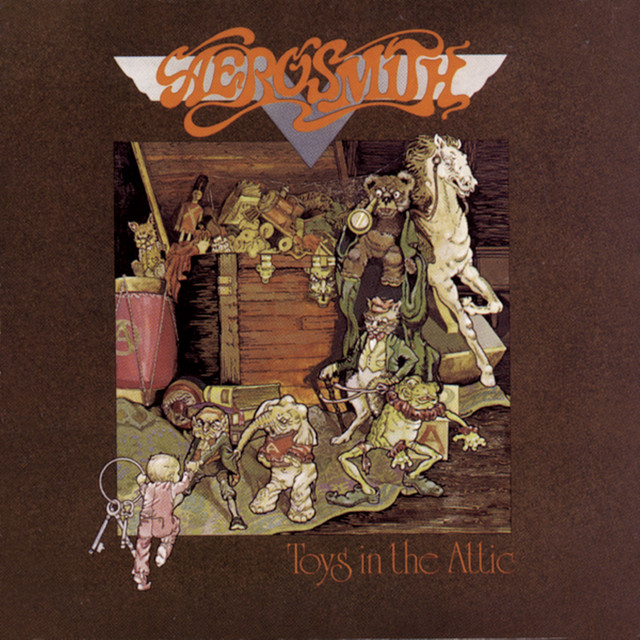
Toys In The Attic
Aerosmith (1975)
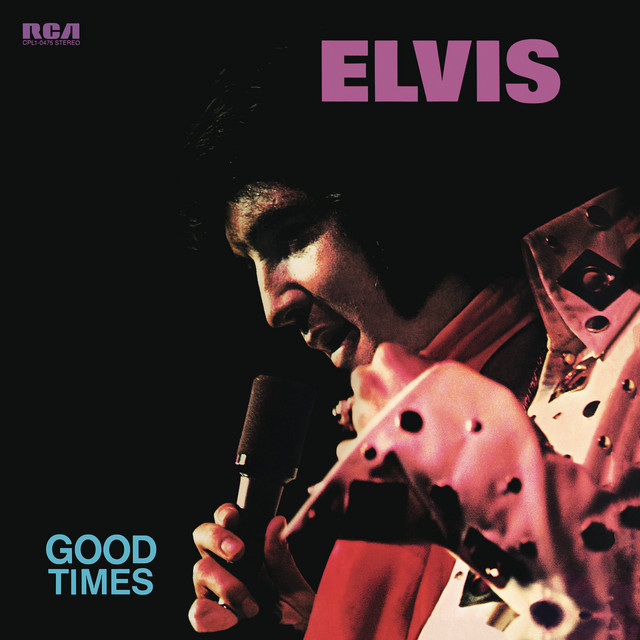
Good Times
Elvis Presley (1974)
Genre Usage
Based on how artists on Equipboard use this gear, it is most commonly found in the following genres.
Used With
Based on how musicians on Equipboard use Shure SM57, it is most commonly used with the following gear.
-s.webp?v=1783376945)
-s.webp?v=1783403085)
-s.webp?v=1783402855)


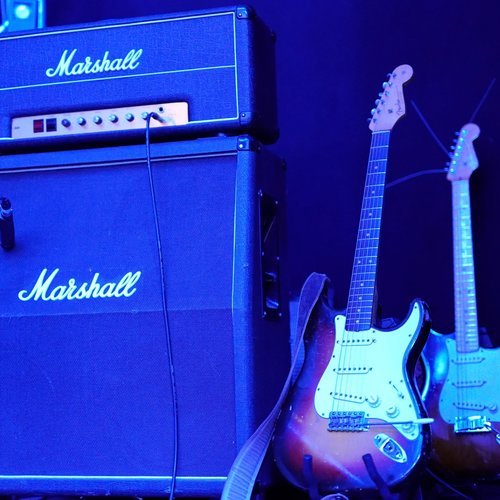
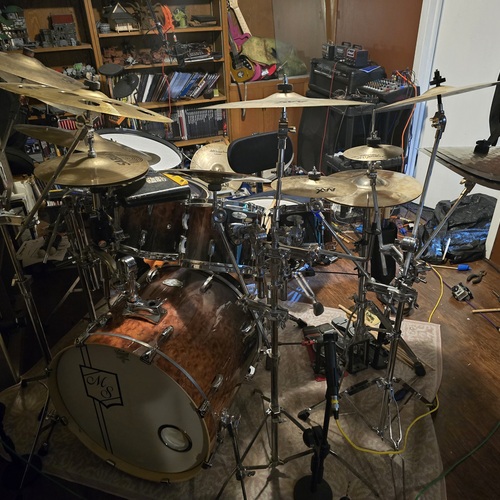
Community setups
Show yours



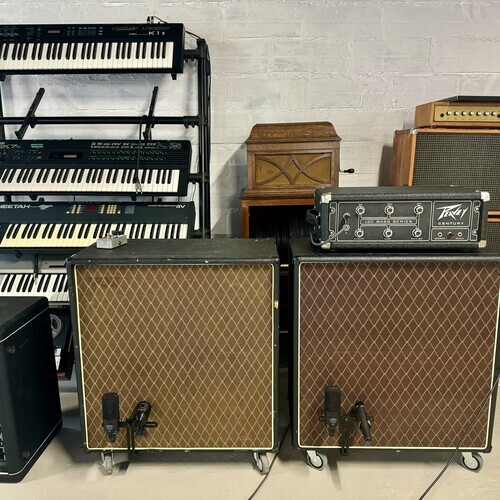


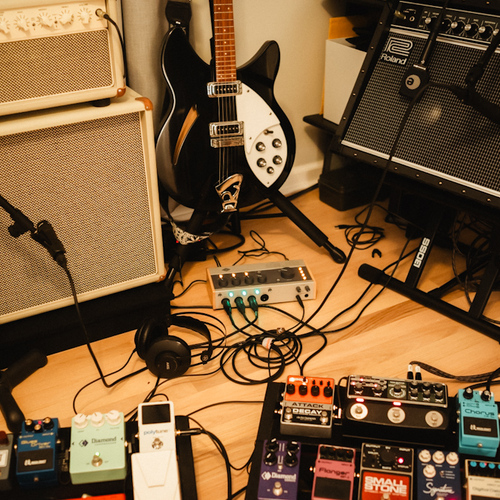

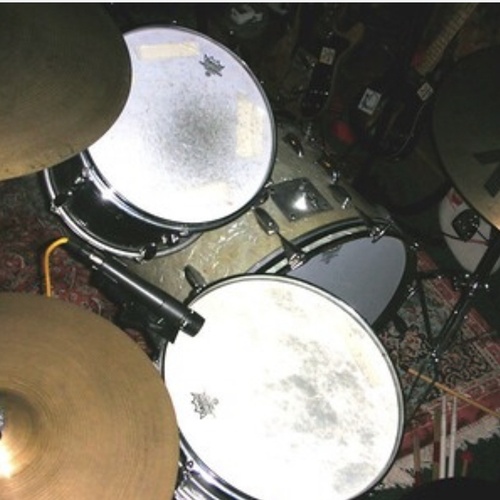

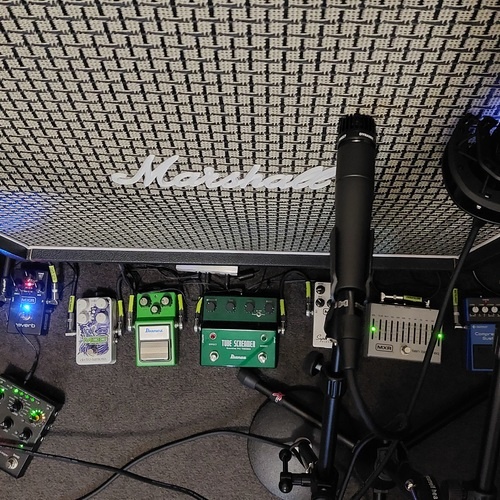

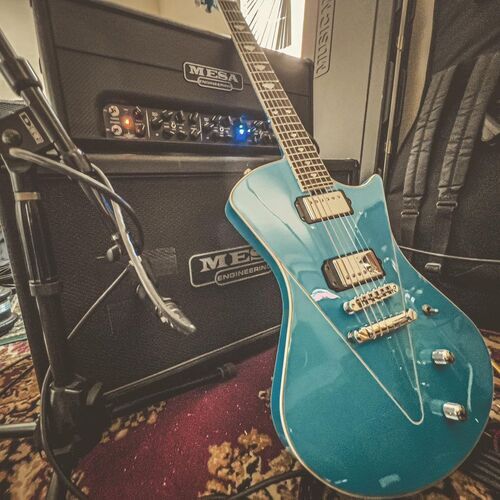

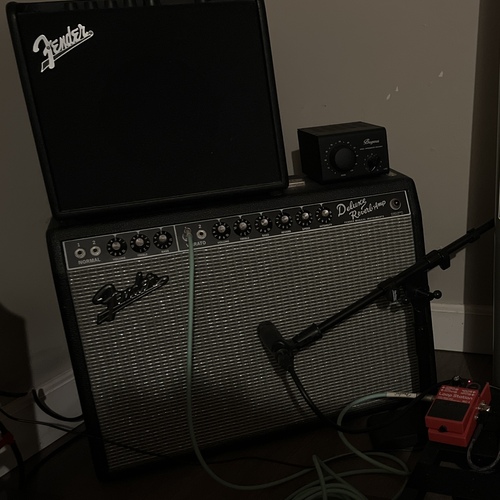

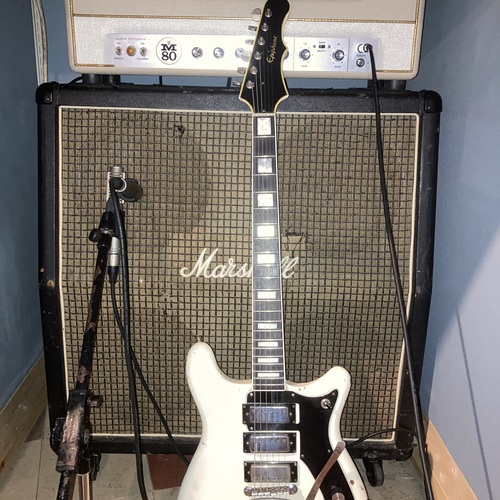

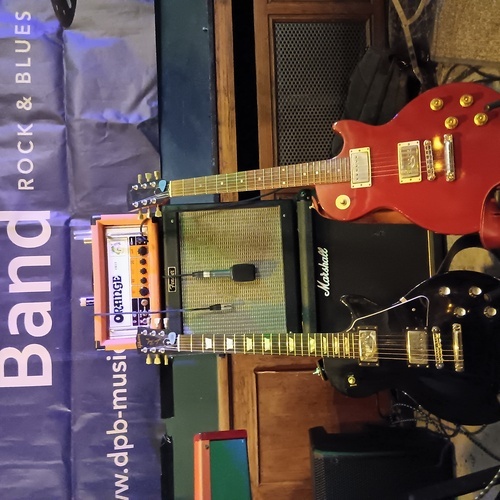

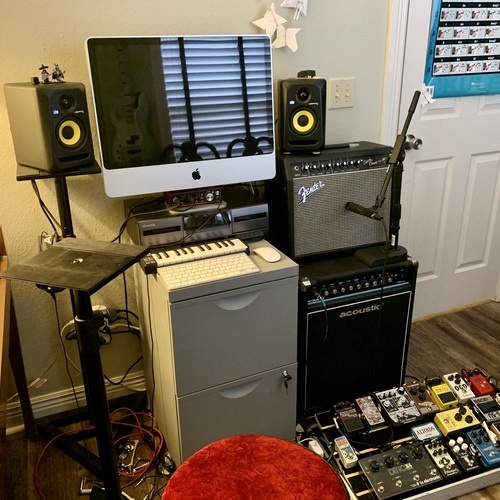

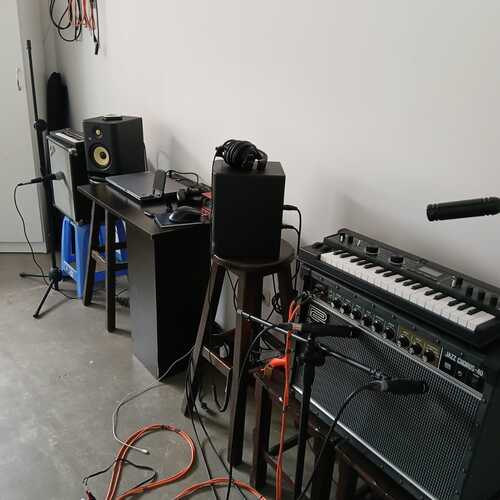
.jpg?v=1783112765)
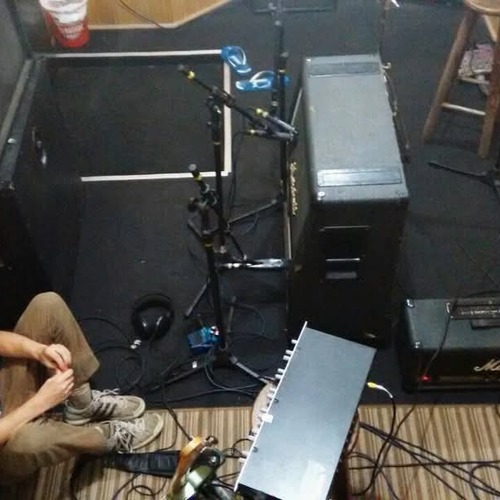

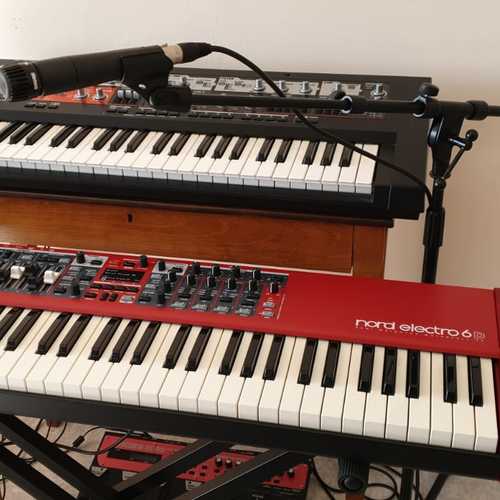










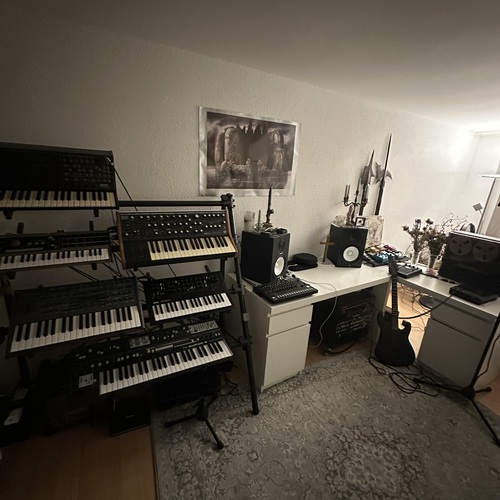

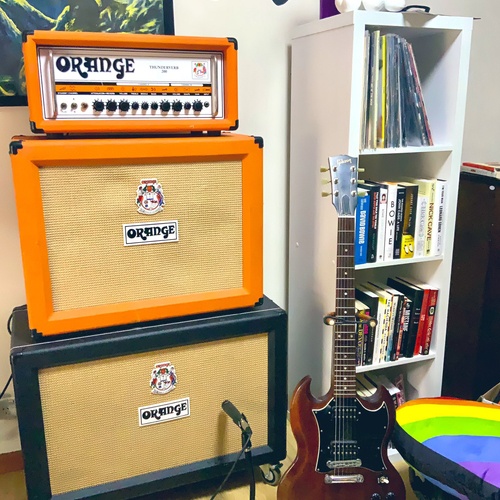

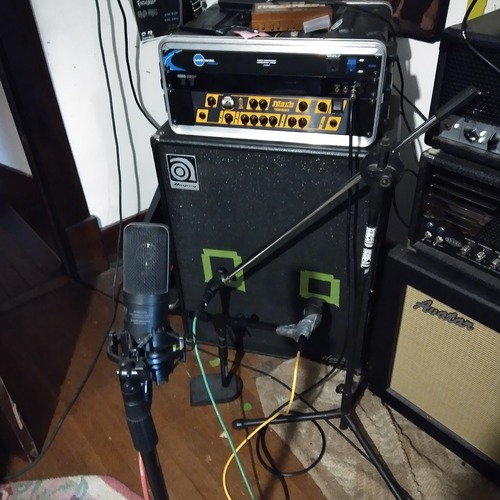
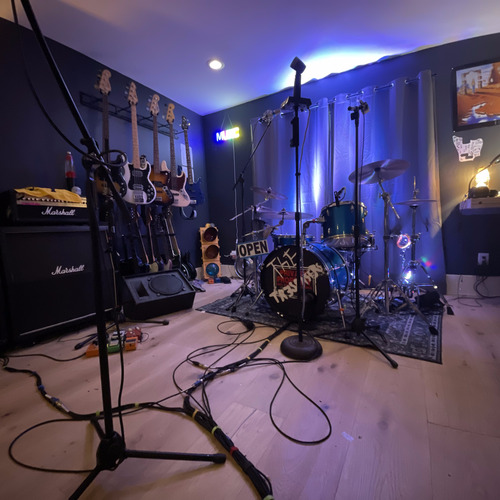
.png?v=1779237916)


















Similar
Add recommendation12 alternative and related items for Shure SM57, curated by the Equipboard community.

$144.00 - $199.95
Works well for similar applications, but has a larger, flatter frequency response, better feedback suppression and just nicer sound. Also a very good vocal microphone.

$80.50 - $105.00


More Shure Dynamic Microphones

$348.50 - $439.00
in Dynamic Microphones Rank


$181.00 - $219.00
in Dynamic Microphones Rank


-m.webp?v=1783407618)
$94.92 - $111.00
in Dynamic Microphones Rank


$148.11 - $189.00
in Dynamic Microphones Rank

$132.45 - $169.00
in Dynamic Microphones Rank


$122.00 - $149.00
in Dynamic Microphones Rank


$238.00 - $279.00
in Dynamic Microphones Rank


$59.99 - $669.99
in Dynamic Microphones Rank


$162.00 - $189.00
in Dynamic Microphones Rank


$155.00 - $339.00
in Dynamic Microphones Rank

.jpeg?v=1783111363)


$100.99 - $164.00
in Dynamic Microphones Rank


$100.99 - $145.94
in Dynamic Microphones Rank


$356.50 - $439.00
in Dynamic Microphones Rank


$155.00 - $219.00
in Dynamic Microphones Rank


-m.webp?v=1783336391)
$58.00 - $69.99
in Dynamic Microphones Rank


$59.11 - $119.00
in Dynamic Microphones Rank


$100.99 - $199.00
in Dynamic Microphones Rank


$169.00 - $199.00
in Dynamic Microphones Rank


$499.00 - $549.00
in Dynamic Microphones Rank


$136.00 - $149.00
in Dynamic Microphones Rank


$100.99 - $164.00
in Dynamic Microphones Rank


$15.00 - $69.00
in Dynamic Microphones Rank


$279.00
in Dynamic Microphones Rank


$278.00 - $319.00
in Dynamic Microphones Rank


$565.00 - $769.00
in Dynamic Microphones Rank


$190.00 - $319.99
in Dynamic Microphones Rank


$65.49 - $81.00
in Dynamic Microphones Rank

$80.00
in Dynamic Microphones Rank


$47.00 - $99.99
in Dynamic Microphones Rank


$293.58 - $339.00
in Dynamic Microphones Rank


$88.00 - $115.00
in Dynamic Microphones Rank


$439.00 - $666.00


Accessories & Related Items


Gear Guides







Most Popular Dynamic Microphones
Most Popular Brands
-
Added to Equipboard on by
equipboardGear IQ 4934
-


