


Pricing and availability
We compare 600+ stores and found this item at 8 stores. Prices updated .
Store
Reviews
Price









Average Price: $7,209
High-end/Boutique
$100
$401+
Price Tier
Budget
Standard
High-end
Price History
Based on price data from 6 merchants for "Neumann U67". Prices shown reflect NEW condition. Tracking began Apr 2, 2026.
* Product prices and availability are updated by Equipboard every 24hrs and are subject to change. Equipboard may receive compensation for purchases made at participating retailers linked on this site. This compensation does not affect what products or prices are displayed, or the order of prices listed. For more information, please refer to our affiliate disclosure.
Description
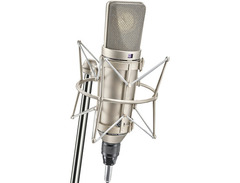
Step into the golden era of music with the Neumann U67, a faithful recreation of the iconic tube condenser microphone that defined the sound of the 1960s. Crafted meticulously in Germany, this reissue delivers the same silky smooth character, exceptional versatility, and stellar performance that made the original a studio workhorse for over a decade.
The U67 comes armed with three selectable polar patterns for maximum flexibility. You can easily capture intimate vocals or distant room mics with a simple turn of a dial. The cardioid setting is perfect for focused recording of single instruments or vocals, while the omnidirectional pattern picks up sound evenly from all directions, making it ideal for ambient room mics.
Neumann has painstakingly recreated the U67 using archived documentation and new-old stock components, matching the original's specifications. A redesigned power supply meets modern safety standards while delivering the same sonic performance. Don't let the vintage style of the U67 fool you; it's a thoroughly modern mic ready for any recording challenge with a maximum SPL of 124dB.
From the nickel-plated brass body to the vintage-style suspension mount, every aspect of this microphone exudes premium quality and attention to detail. The Neumann U67 reissue offers an excellent blend of vintage character and modern performance, making it an enviable addition to any home or project studio.
Key Features:
- A faithful reissue of the iconic Neumann U67 tube condenser microphone
- Three selectable polar patterns: cardioid, omnidirectional, and figure-8
- High SPL handling for recording loud instruments
- Premium components meticulously reproduced to match the original's specifications
- Redesigned power supply that meets modern safety standards
- Nickel-plated brass body with vintage-style suspension mount
- Handcrafted in Germany.
Product specs
| Microphone Type | Tube Condenser |
| Mono/Stereo | Mono |
| Polar Pattern | Cardioid, Figure-8, Omnidirectional |
| Frequency Response | 20Hz-20kHz |
| Max SPL | 114dB SPL (124dB with pad) |
| Output Impedance | 200 ohms |
| Sensitivity | 24 mV/Pa (cardioid) |
| Self Noise | 17dB (A weighted, cardioid) |
| Low Cut Filter | 100Hz |
| Pads | -10dB |
| Tube | EF86 |
| Power Source | External power supply NU 67 V |
| Connector | 7-pin DIN to power supply, XLR out |
| Dimensions | 7.87" x 2.2" |
| Weight | 1.23 lbs. |
| Included Accessories | Shockmount, Multi-pin cable, Carrying Case |
FAQs
-
What are the primary applications for the Neumann U67 microphone?
-
The Neumann U67 is versatile and commonly used for recording vocals, acoustic instruments, piano, and drum overheads due to its warm and detailed sound signature.
-
What polar patterns does the Neumann U67 offer?
-
The Neumann U67 features three selectable polar patterns: cardioid, figure-8, and omnidirectional, making it adaptable for various recording environments and applications.
-
What is the frequency response range of the Neumann U67?
-
The Neumann U67 has a frequency response range of 20Hz to 20kHz, providing a full and balanced sound suitable for capturing a wide array of audio sources.
-
Does the Neumann U67 require an external power source?
-
Yes, the Neumann U67 requires an external power supply, specifically the NU 67 V, to operate its tube circuitry.
-
How does the Neumann U67 handle high sound pressure levels?
-
The Neumann U67 can handle a maximum sound pressure level of 114dB SPL, or 124dB with the -10dB pad engaged, making it suitable for loud sound sources.
Videos

Georg Neumann GmbH
The Neumann U 67 Set (2018)
The Neumann U 67 Set (2018)
Georg Neumann GmbH

Neumann U67 Reissue v.s. Vintage U67 Shootout | Microphone | Vintage King

Vintage King
Test 14 Neumann U67 Tube Microphone Acoustic Guitar Noah Needleman

Modern Mics
Mic Shootout #2 - Neumann U67, Neumann U47, AKG C12, Telefunken ELA M 251

Orange Room
1.000 Euro gegen 6.000 Euro - Röhrenmikrofon Oktava MKL 5000 vs Neumann U67 (Test/Review/Vergleich)

The Soundphile
Slate ML-1 (Blackbird) vs Neumann U67 | The Sierra Sessions

Records On Top
Neumann U67 im Test - The Soundphile (1/3) - Vorstellung
The Soundphile
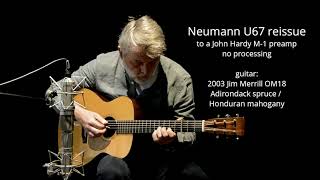
mic comparison: Neumann U67 reissue vs. U89 on vocals, acoustic guitars and mandolin

Robert Hasleder
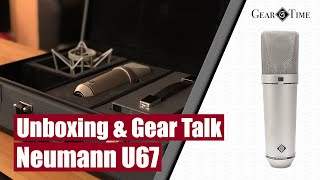
Neumann U67 Unboxing & Hands On | Gear Time

TheStonehengeStudio
Neumann U67 im Test - The Soundphile (3/3) - Fazit
The Soundphile
Reviews
PROS
-
Warm, fat sound quality enhances recordings
-
Functions well with any pre-amp
-
Realistic sound reproduction; brings recordings to life
-
Captures body and tonality without sibilance
-
Smooth "round" top end, comfortable for bright boosts
-
Versatile; excellent for vocals, overheads, and instruments
-
Open, 3-dimensional sound for female vocals
-
Iconic, with a rich history in pop music
-
High sound reproduction and quality craftsmanship
-
Smooth and alive sound across various applications
CONS
-
High price point may be prohibitive
-
Some reviews suggest the reissue may need modifications to match the original's character
-
Quality of modern capsules and tubes in reissue considered inferior by some
Owner Insights
We analyzed real musician discussions from forums and Reddit to find what players love, question, and tweak about Neumann U67.
Comparisons
-
The Lewitt LCT 1040 in "Dark Tube" mode shares qualities with the U67, despite being derived from the C12 lineage.
Source -
The Beyerdynamic M160 and Lauten Atlantis are noted for their lush sound quality, overlapping with the U67's sonic territory.
Source -
Mojave mics are recommended for those seeking a sound closer to the U67's bass response, offering a more even tone at potentially lower cost.
Source -
Building a U67 clone is feasible due to availability of parts, unlike U47s where VF14 tubes are rare and expensive.
Source
Use cases and applications
-
The Sennheiser MD441 offers richness and smoothness similar to the U67 despite its different design.
Source
Mods and upgrades
-
The Beesneez BU67-269 includes an internal dip switch for a M269-style broadcast filter, altering its sonic signature.
Source -
"Max Mod 67" alters TLM67 to enhance sound, specifically targeting bass response, but may impact resale value substantially.
Source -
A specific cable modification is rumored to enhance the U67 reissue's sound by restoring bass, but detailed information is scarce.
Source
Critic Reviews
5.0 out of 5
Based on 0 Reviews and 5 Ratings
Artist usage
Add artist

Used for vocals on Nevermind, as stated by producer Butch Vig in this March 1997 Sound on Sound interview and this September 24, 2021 Twitter post via Nirvana's account.
Sound on Sound, March 1997, "Butch Vig - Talking Garbage"
Utilising a Neumann U67 and an LA2A, most of Cobain's vocals were recorded in the small Studio B at Sound City and ran straight to tape. The results alternate between a smooth, compressed, phasey sound and one of extreme dryness when the voice sits alone, yet minimal effects were employed. "Kurt really had an amazing voice," confirms the producer. "He could scream and it would have this great rasp and tone to it, and yet he could also bring it down really quiet and sound so world-weary and exhausted and intimate. It's hard to put your finger on it, but not many artists have that kind of voice or persona. Kurt had this brilliant pop sensibility in terms of melodic structure and phrasing, and yet he loved the attitude of punk, and those are the two things that collided and made Nirvana so special.
Twitter, September 24, 2021
Papa Joel (@joeljeromemusic): @Nirvana What mic did you use to record Something in the way? Kurt's voice sounds read #Nevermind30
Vig: I used a U67 on all the vocals. #Nevermind30


Used for vocals on The Colour and the Shape, as stated in this article posted to the fansite Foo Fighters Live.
In terms of outboard gear, UREI 1175LN Peak Limiter compressors were installed, along with a mixture of Manley and LA Audio tube amplifiers. A range of microphones were set up including Shure SM57s on the Amplifiers and Neumann u47 and u67 mics for vocals.

Used as an ambient mic for the electric guitar on Continuum, as stated by recording engineer Chad Franscoviak in this October 1, 2006 Mix Online interview.
Miking Mayer's guitar rig depended on the song's mood. On “The Heart of Life,” Franscoviak threw a ribbon mic in the middle of the main room as a pair of amplifiers boosted Mayer's tracks. On the majority of the tracks, though, Franscoviak would put a Shure SM57 and a Beyerdynamic M88 right next to each other, about two fingers' width from the guitar cabinet's grille. He would take that track, blend it and send it to one channel. In addition, Mayer likes to hear room ambience on his guitar tracks. To accomplish that, Franscoviak would point either a pair of U67s or U87s about three feet from the edge of the semi-circle of amps, and then either a U47 or a Telefunken 251 in front of them all.
“Then, every once in a while, if he wanted a beefy sound, I would use a [Yamaha] NS10 speaker that had been reversed,” Franscoviak says. “I would put that right up on the cone of one of his cabinets to get that real low-end thing.” The best example of that, he adds, is the solo in “I'm Gonna Find Another You.” Mayer's acoustic guitar chain was an AKG C24 microphone into 1073s.

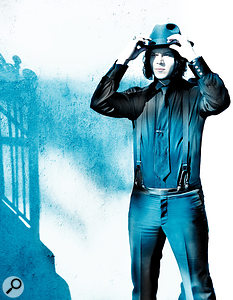
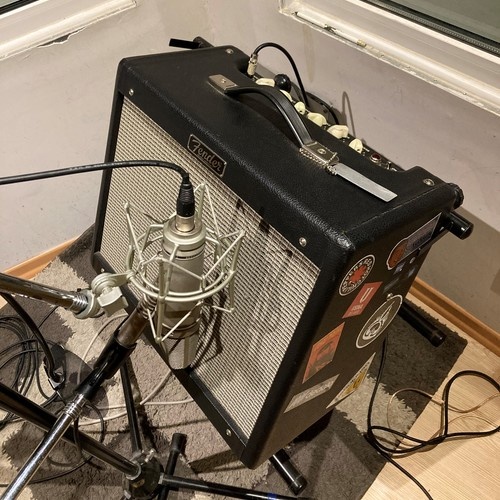
Producer Vance Powell - “On Blunderbuss I also used the Neve 33609 and RCA BA6A and an Ampex MX35 four–channel tube mixer to record the drums, but these sessions happened so quickly that I did not have a lot of time to set things up. There was not a lot of upright bass this time, but when there was one, I’d use an RCA 44 and something higher up like the RCA BK5A [cardioid ribbon mic]. There was an African drum on ‘Would You Fight For My Love?’, which had an AEA R92, electric bass would have been DI and a Neumann U67 on the amp, with maybe some compression from the [Fairchild] 670. I recorded Jack’s acoustic guitar with an RCA 77DX, and his electric almost always goes through his 1963 Fender Vibroverb in front of which I placed a U67, which went into the Neve 1073 desk and then straight to tape. I did not record any of Jack’s vocals, other than on the song ‘Just One Drink’ because that was done entirely live. I used a Shure SM57 or 58 on his vocals for that, and Josh recorded the backing vocals.”

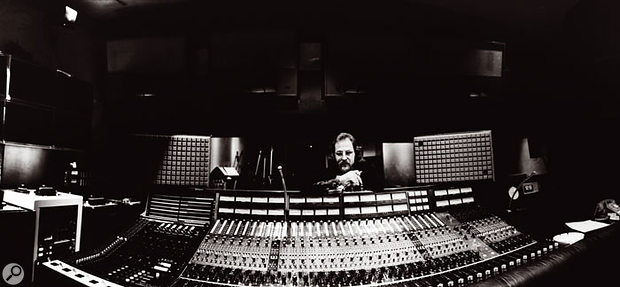
Used to mic Hendrix's guitar amp, as stated by recording engineer Eddie Kramer in this November 2005 Sound on Sound interview. Note that the first sentence of the following excerpt pertains to Electric Ladyland.
While Hendrix's amp was screened off in the studio and miked with Neumann U67s, Mitch Mitchell's kit was positioned on a riser within a roofed, open-sided booth to give it depth and miked with a combination of U67s and AKG C12s. (...) When asked about the techniques used to record Hendrix's guitar, Eddie Kramer's response is concise and to the point. "I'd stick a bloody mic in front of it and hope for the best," he jokes. "Nah, generally speaking it was either a 67 or [a Beyer] M160 or a combination of both, which I still use today. It might be slightly different, of course, but the basic principle's the same — a ribbon and a condenser, along with compression and EQ and reverb. All that stuff was always added during recording."


Used for vocals for a time, as mentioned by sound engineer Andy Jackson in this interview from Vol. 6, #7 of Resolution Magazine.
And for vocals? When we did Live 8, I mixed FOH helped by Jon Lemon, and he said: 'Check these out, they're the new Neumann live mic, the condenser that looks like a dynamic.' They're pretty good, and reasonably light directionality, that was good, so that was what went out on the road.
And in the studio? Well David's very easy, he sounds good on anything, he sound pretty good on a 58, but it's the Sony C800G with the heat sink, horribly expensive, but they're fantastic. I've tried lots of things, and it's really good, it has an openness and a size. We've done all sorts of things over the years, 67, 47, I had him on a Brauner for a while — they all work, he's got a good voice and good technique, so it's not that difficult.


"Mic-wise, when it came to recording Alex Turner’s vocals (and the backing vocals sung by Matt Helders), Abbiss moved between a Shure SM7 and a Neumann U67 and U87. “If Alex was doing a vocal live, we used the SM7, ‘cause it’s really good at rejecting spill from anything else. The U67 they’ve got there is good and middly sounding. Matt never did his BVs as part of the live takes, he concentrated on his drumming. The 87 was there for the BVs.”- Jim Abbiss, producer of "I Bet You Look Good On The Dancefloor".


The Neumann U67 was used as a room mic to record drums for Daft Punk's Random Access Memories album, although the aim was to achieve "that '70s drum sound," which actually meant suppressing the room sound.
The U67 was also used to record the room sound of the guitar.

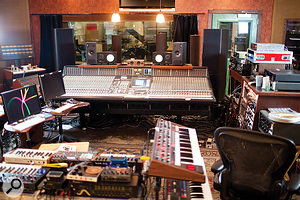
Mix engineer Tommaso Colliva on recording Drones : "[Matt] tends to rely on the Neumann U67, which [he] owns, and the AEA R44, which sounds amazing and which is really good for more intimate things."

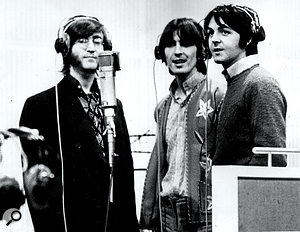
Used for the bass on The Beatles, as mentioned by sound engineer Ken Scott in this June 2012 Sound on Sound interview.
"In addition to Paul's bass being DI'd, the cabinet probably would have been miked with a 4038, [Neumann] U67 or [AKG] C12. I would have used two 4038s on the organ, 67s on John and George's guitars, and it could have been anything on George's vocal.”


At 9:35 in the video interview, Mac explains that he recently purchased a few expensive microphones, including a "tube U67".
.png?v=1783110732)
.png?v=1783110732)
Used for the guitar on The Beatles, as mentioned by sound engineer Ken Scott in this June 2012 Sound on Sound interview.
"In addition to Paul's bass being DI'd, the cabinet probably would have been miked with a 4038, [Neumann] U67 or [AKG] C12. I would have used two 4038s on the organ, 67s on John and George's guitars, and it could have been anything on George's vocal.”
The U67 was also used on Let It Be, as mentioned by sound engineer Alan Parsons in this March 9, 2012 Premier Guitar interview.
I remember on Let It Be, Glyn Johns used a [Neumann] U 67 on George’s cabinet. I think Geoff Emerick favored the AKG D19 [on Abbey Road].
Album Usage
The Neumann U67 has been featured on the following albums:

Lioness Lullabies
Alan Gogoll (2025)

Automatic Yes (feat. John Mayer)
John Mayer & Zedd (2024)

Get Behind The Mule (Spiritual)
Tom Waits (2024)

Desiderium
Somnuri (2023)

Hackney Diamonds
The Rolling Stones (2023)

Deceivers
Arch Enemy (2022)

Right Where I Belong (Single from "Brian Wilson: Long Promised Road Soundtrack")
Jim James & Brian Wilson (2021)

Superwolves
Bonnie 'Prince' Billy & Matt Sweeney (2021)
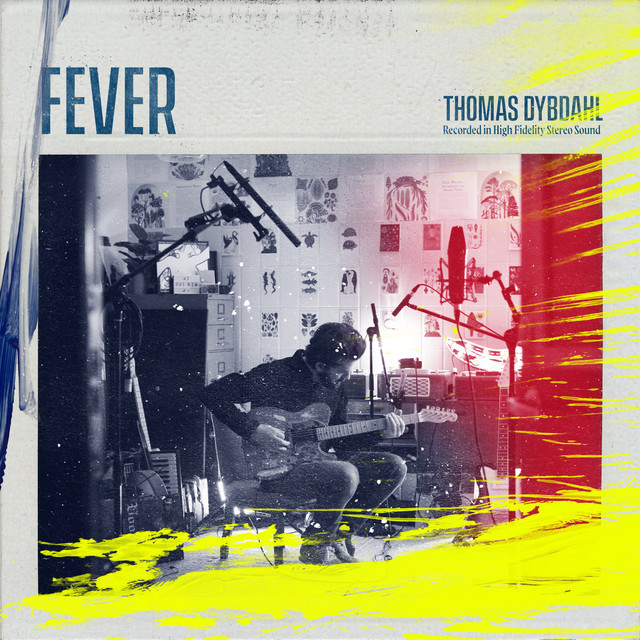
FEVER
Thomas Dybdahl (2020)

Play Wooden Child
Nodding God (2019)

Anthem Of The Peaceful Army
Greta Van Fleet (2018)

Dictator
Scars on Broadway (2018)
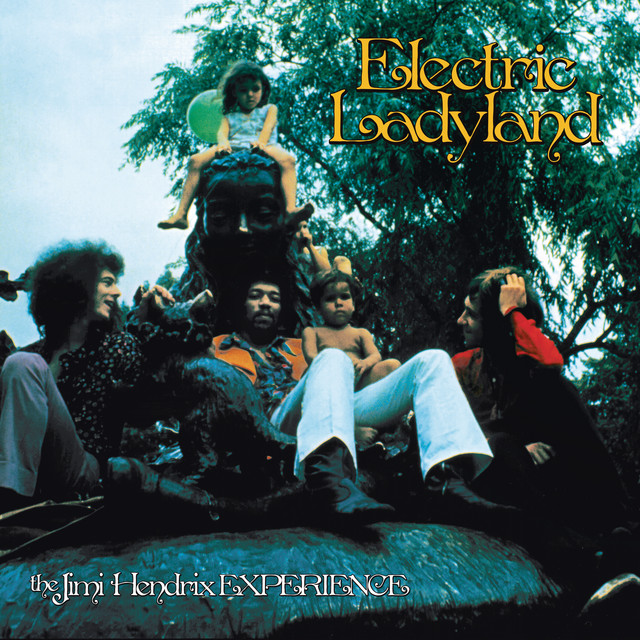
Electric Ladyland - 50th Anniversary Deluxe Edition
Jimi Hendrix (2018)
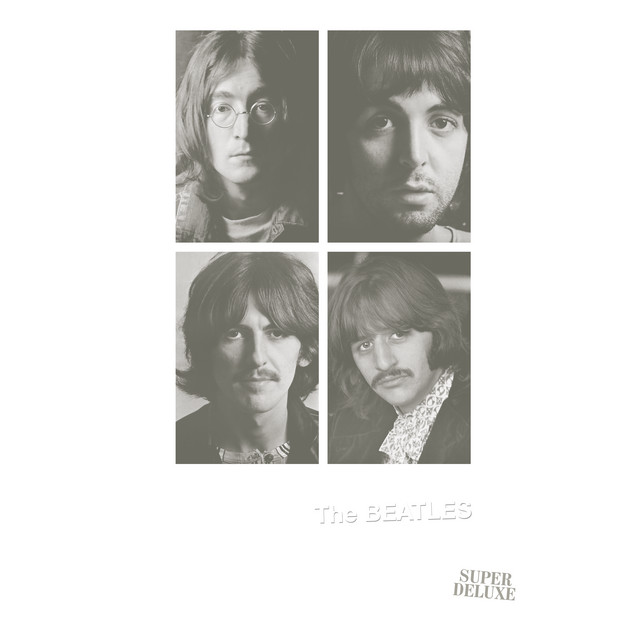
The Beatles
The Beatles (2018)
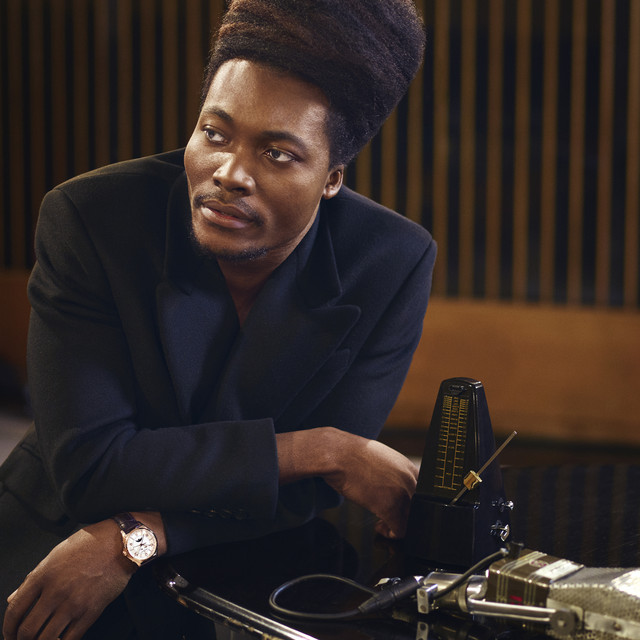
Eternity
Benjamin Clementine (2018)

Bohemian Rhapsody (The Original Soundtrack)
Queen (2018)
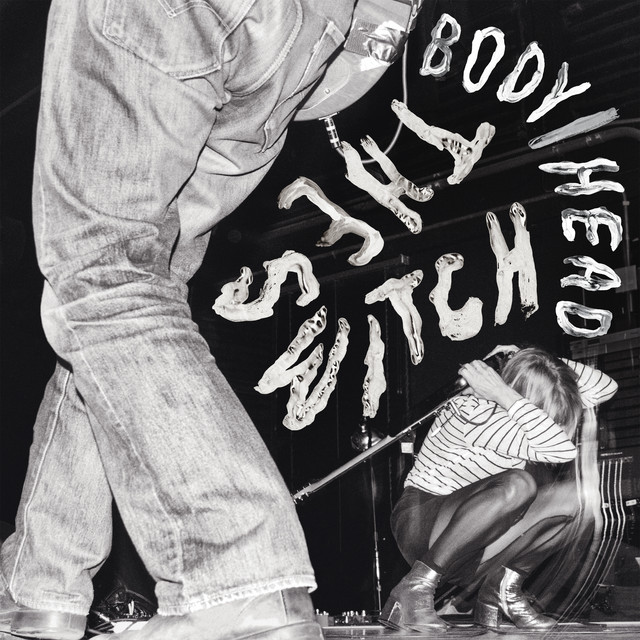
The Switch
Body/Head (2018)

I Tell A Fly
Benjamin Clementine (2017)

Turn Out the Lights
Julien Baker (2017)

Sobrestar
Jorge Stojan (2017)
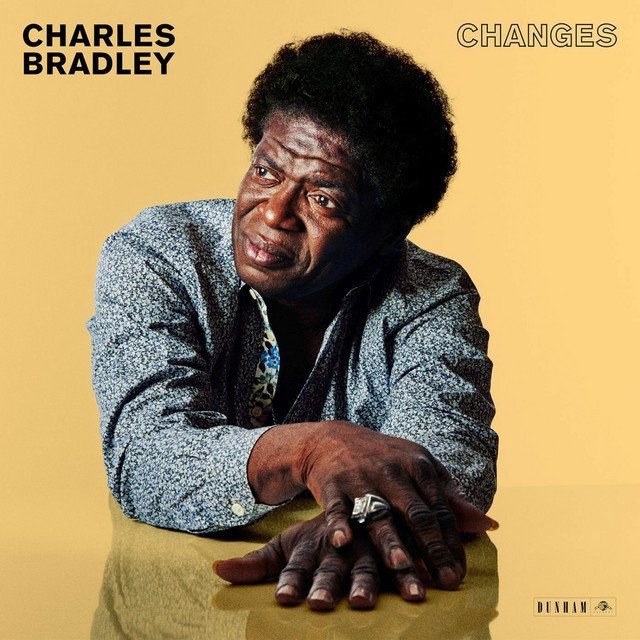
Changes
Charles Bradley (2016)

Coconut Rock
Ocote Soul Sounds (2016)
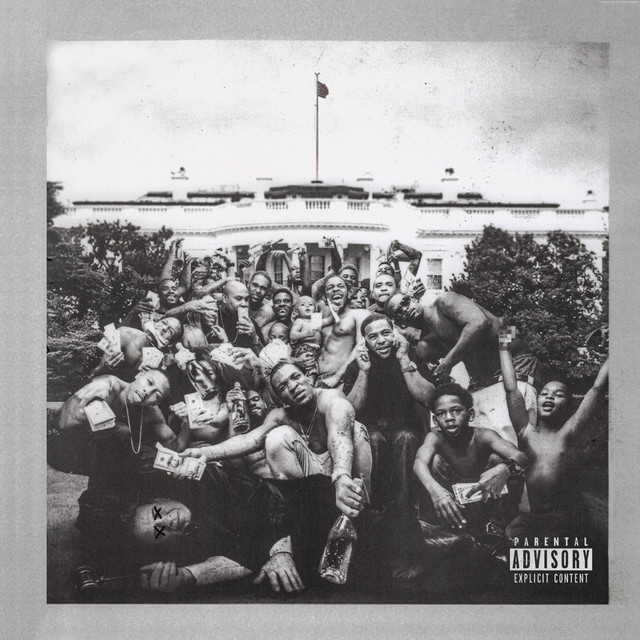
To Pimp A Butterfly
Kendrick Lamar (2015)
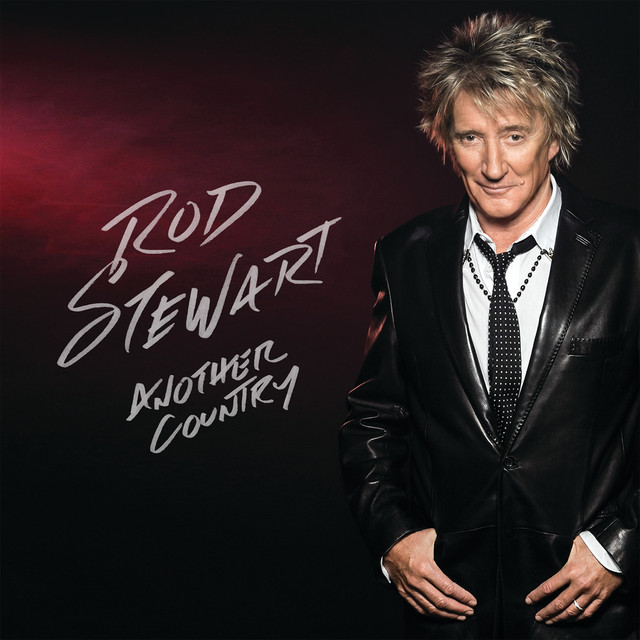
Another Country
Rod Stewart (2015)

The Waterfall
My Morning Jacket (2015)

b'lieve i'm goin down...
Kurt Vile (2015)
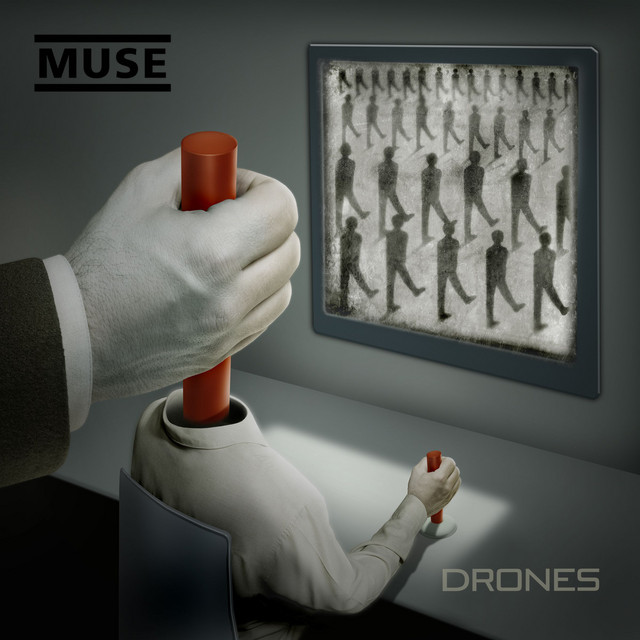
Drones
Muse (2015)

In The Lonely Hour
Sam Smith (2014)
Would You Fight For My Love?
Jack White & Jack White (2014)

Random Access Memories
Daft Punk & Daft Punk (2013)
The 1975
The 1975 (2013)
Blunderbuss
Jack White & Jack White (2012)

I'm Shakin'
Jack White & Jack White (2012)

Helplessness Blues
Fleet Foxes (2011)

The Fall
Norah Jones (2009)
Sex On Fire
Kings of Leon (2009)

Only By The Night
Kings of Leon (2008)

The Reminder (Deluxe Version)
Feist (2008)
Because Of The Times
Kings of Leon (2007)

Venus Doom (Deluxe Version)
HIM (2007)
Icky Thump
The White Stripes & Jack White & Jack White (2007)
Mama Tried/ Pride In What I Am
Merle Haggard (2006)
Continuum
John Mayer (2006)
I Bet You Look Good On The Dancefloor
Arctic Monkeys (2005)

Jagged Little Pill (Acoustic)
Alanis Morissette (2005)
Daughters
John Mayer (2004)
A Thousand Kisses Deep
Chris Botti (2003)
Mama's Gun
Erykah Badu (2000)

Two Against Nature
Steely Dan (2000)

Livefields
Toto (1999)
...Baby One More Time (Digital Deluxe Version)
Britney Spears (1999)

The Colour And The Shape
Foo Fighters (1997)

Jagged Little Pill
Alanis Morissette (1995)
None
Meshuggah (1994)

What's Love Got to Do with It?
Tina Turner (1993)
Bone Machine (2023 Remaster)
Tom Waits (1992)

Nevermind
Nirvana (1991)
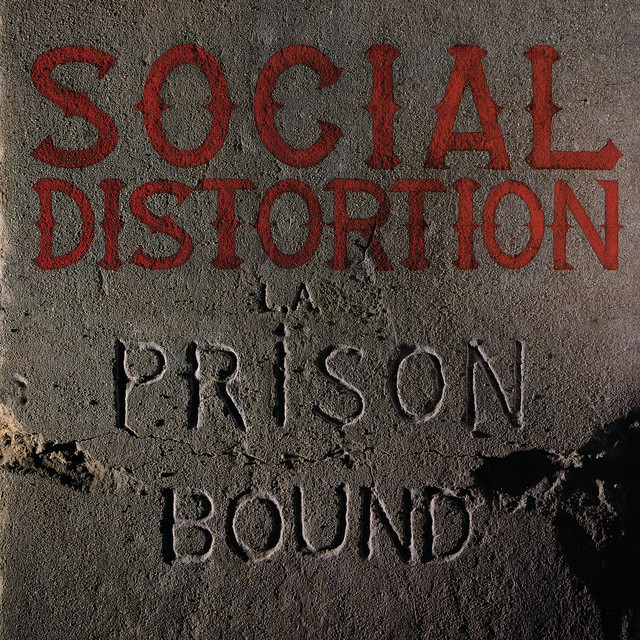
Prison Bound
Social Distortion (1988)

Graceland
Paul Simon (1986)

Southern Cross / Into the Darkness
Crosby, Stills & Nash (1982)
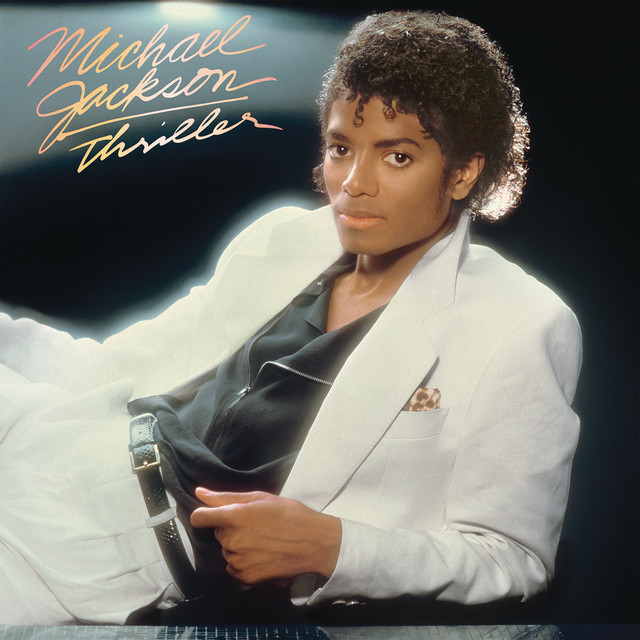
Thriller
Michael Jackson (1982)
Back In Black
AC/DC (1980)
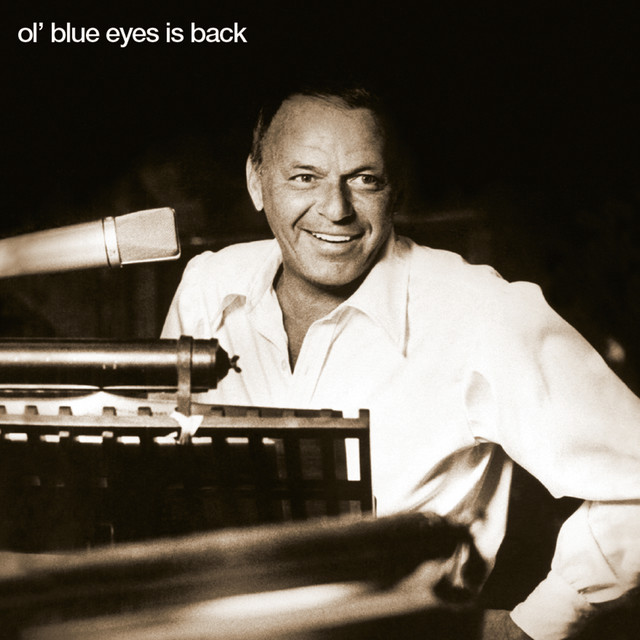
Ol' Blue Eyes Is Back
Frank Sinatra (1973)
Exile On Main Street (Deluxe Version)
The Rolling Stones (1972)

Let It Be (Remastered)
The Beatles (1970)
Suite: Judy Blue Eyes / Long Time Gone
Crosby, Stills & Nash (1969)
Abbey Road (Remastered)
The Beatles (1969)
Electric Ladyland
Jimi Hendrix (1968)
Genre Usage
Based on how artists on Equipboard use this gear, it is most commonly found in the following genres.
Used With
Based on how musicians on Equipboard use Neumann U67, it is most commonly used with the following gear.
-s.webp?v=1783177017)


-s.webp?v=1783177022)

Community setups
Show yours
More Neumann Condenser Microphones

$519.00 - $799.00
in Condenser Microphones Rank


$899.00 - $1,295.00
in Condenser Microphones Rank


-m.webp?v=1783177017)
$2,349.00 - $3,995.00
in Condenser Microphones Rank


$508.80 - $849.00
in Condenser Microphones Rank


$2,782.69 - $3,995.00
in Condenser Microphones Rank


$1,456.37 - $1,995.00
in Condenser Microphones Rank


$748.89 - $899.00
in Condenser Microphones Rank


$3,463.04 - $4,395.00
in Condenser Microphones Rank


-m.webp?v=1783177020)
$5,090.00 - $5,995.00
in Condenser Microphones Rank


$1,281.75 - $1,750.00
in Condenser Microphones Rank


$1,749.99
in Condenser Microphones Rank


$533.45 - $849.00
in Condenser Microphones Rank


$1,444.00 - $1,695.00
in Condenser Microphones Rank


$714.56 - $849.00
in Condenser Microphones Rank


$16,111.00
in Condenser Microphones Rank

$1,173.60 - $1,595.00


$1,975.00 - $3,500.00


$3,699.00 - $4,395.00


-m.webp?v=1783166978)
$1,975.00 - $3,500.00


$2,349.00 - $3,995.00


$8,100.00 - $9,995.00


$989.00 - $1,266.00


$3,421.95 - $3,995.00


.png?v=1783063050)


$554.06 - $699.00


Accessories & Related Items

-s.webp?v=1783173733)


Similar


Gear Guides








Most Popular Condenser Microphones
Most Popular Brands
-
Added to Equipboard on by
 equipboard
Gear IQ 4934
-


