



Pricing and availability
We compare 600+ stores and found this item at 7 stores. Prices updated .
Store
Reviews
Price









Average Price: $40
Budget/Beginner
$60
$181+
Price Tier
Budget
Standard
High-end
Price History
Based on price data from 5 merchants for "Behringer SF300 Super Fuzz". Prices shown reflect NEW condition. Tracking began Apr 2, 2026.
* Product prices and availability are updated by Equipboard every 24hrs and are subject to change. Equipboard may receive compensation for purchases made at participating retailers linked on this site. This compensation does not affect what products or prices are displayed, or the order of prices listed. For more information, please refer to our affiliate disclosure.
Description
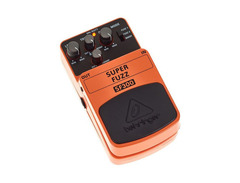
The Behringer SF300 Super Fuzz is your time machine back to the golden age of rock 'n roll. Painstakingly designed to recreate the iconic fuzz tones of the '60s and '70s, this pedal is a must-have for any guitarist looking to add some vintage flair to their sound. Dial in your perfect tone with the dedicated Gain, 2-band EQ, and Level controls, or switch between three different sound modes for classic fuzz, grunge, and gain boost. The SF300 is not just about the sound, though. With a rugged electronic On/Off switch, a status LED for effect on/off and battery check, this pedal is built to withstand the rigors of the road. Whether you're channeling Hendrix, Page, or Richards, the Behringer SF300 Super Fuzz will take you there.
Key Features:
- Recreate the range of famous fuzz tones from the '60s and '70s
- Three different sound modes for classic fuzz, grunge, and gain boost
- Dedicated Gain, 2-band EQ, and Level controls for precise sound shaping
- Status LED for effect on/off and battery check
- Runs on 9 V battery or the Behringer PSU-SB DC power supply (not included)
- Rugged electronic On/Off switch for highest signal integrity in bypass mode
Owner's manual
Behringer SF300 Super Fuzz User ManualProduct specs
| Pedal Type | Fuzz |
| Analog/Digital | Analog |
| Inputs | 1 x 1/4" |
| Outputs | 1 x 1/4" |
| Bypass Switching | Buffered Bypass |
| Power Source | 9V DC power supply (sold separately) |
| Batteries | 1 x 9V |
| Height | 2.125" |
| Width | 2.75" |
| Depth | 4.8" |
| Weight | 0.73 lbs. |
FAQs
-
What type of sound can I expect from the Behringer SF300 Super Fuzz?
-
The Behringer SF300 Super Fuzz delivers a versatile range of fuzz tones, from classic vintage fuzz to more aggressive, modern sounds. It offers three modes: Fuzz 1, Fuzz 2, and Gain Boost, allowing for a wide array of sonic possibilities suitable for various music genres.
-
Is the Behringer SF300 Super Fuzz suitable for use with a bass guitar?
-
Yes, the Behringer SF300 Super Fuzz can be used with a bass guitar, providing a thick, rich fuzz sound. However, due to its design, it may emphasize certain frequencies more than others, so experimenting with settings is recommended to achieve the desired tone.
-
Does the Behringer SF300 Super Fuzz require a specific power supply?
-
The Behringer SF300 Super Fuzz operates with a 9V DC power supply, which is sold separately, or it can be powered by a 9V battery. Make sure to use a compatible power supply to ensure optimal performance.
-
How does the Behringer SF300 Super Fuzz compare to the Boss FZ-2 Hyper Fuzz?
-
The Behringer SF300 is a clone of the Boss FZ-2 Hyper Fuzz, offering similar fuzz tones and functionality. It provides three modes for different fuzz styles, making it a budget-friendly alternative to the discontinued Boss model.
-
What are the main controls on the Behringer SF300 Super Fuzz?
-
The Behringer SF300 Super Fuzz features dedicated Level, Gain, Treble, and Bass controls, allowing for precise tone shaping. These controls enable users to customize their fuzz sound to suit their musical preferences and playing style.
Videos

Ryan Lutton
Behringer SF300 Super Fuzz Demo

Behringer SF300 Super Fuzz Demo
Ryan Lutton
Boss FZ-2 Hyperfuzz vs Behringer SF300 Superfuzz - Electric Wizard Tone!

Does It Doom?

FUZZ FIGHT! Plasma Vs. Behringer

60 Cycle Hum

Behringer SF300 Secret Mode

Eric Merrow

Best Behringer Pedal? SF300 Super Fuzz
Eric Merrow
Behringer SF300 Super Fuzz (Telecaster)

Cryptic Mask Guitar
This should be your first fuzz: Behringer SF300 Super Fuzz Demo

The Tone Lounge
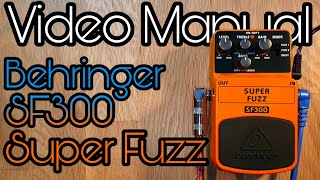
Video Manual: Behringer Super Fuzz SF300

Pedal Experiments
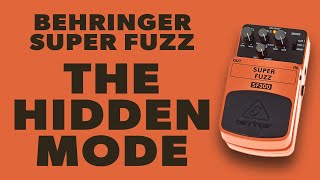
Behringer SF300 Super Fuzz - Secret Fuzz Mode (Demo / Tutorial)
Ryan Lutton
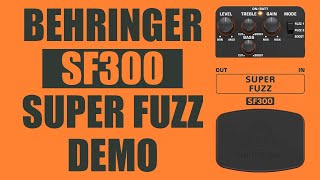
Behringer - SF300 Super Fuzz - Single Coil Demo
Ryan Lutton

Behringer SF300 SUPER FUZZ | Quick fuzzy (and boosted!) tones on a BUDGET (no talk)

Pedal Platform
Reviews
PROS
-
Emulates Boss FZ-2 superbly, great for doom/stoner metal tones
-
Excellent value for money, significantly cheaper than alternatives
-
Offers two distinct fuzz modes plus a boost, versatile sound shaping
-
Compatible with both guitars and synths for broad musical applications
-
Active bass and treble EQ allows detailed tone sculpting
-
Unique "secret mode" for additional sound customization
-
Minimal noise, especially surprising given the price point
-
Durable enough for studio use, despite plastic construction
-
Can produce a wide range of tones, from vintage to modern fuzz
-
Encourages experimentation with different instruments and genres
CONS
-
Plastic housing feels less durable, worries about longevity under heavy use
-
Knobs can be stiff and small, making adjustments during performance tricky
-
Not true bypass, which might affect tone when pedal is off
-
Some users report a desire for better bypass quality or a metal enclosure
-
Bypass sound quality could be improved, some top-end loss reported
-
High-frequency emphasis not preferred by all, some find it too "digital"
-
Color and design may not appeal to all users
Owner Insights
We analyzed real musician discussions from forums and Reddit to find what players love, question, and tweak about Behringer SF300 Super Fuzz.
Features and functionality
-
Owners note a hidden setting achieved by positioning the switch between Mode 1 and 2, offering a unique blended sound often compared to Electric Wizard's tone.
Source -
The SF300 includes separate bass and treble knobs, which some users find more convenient compared to the Boss pedal's concentric pot design.
Source -
The pedal’s boost mode, when combined with another distortion like a Rat, offers a wide range of sound possibilities, making it versatile for various musical styles.
Source
Mods and upgrades
-
Some users have modded their pedals to include a switch that can cut the octave and another switch to blend both fuzz modes for more versatility.
Source -
Experimenting with the pedal in secret mode 2.5, by placing the switch between fuzz 2 and boost, provides a less aggressive, crunchier fuzz tone.
Source
User experience
-
Despite its plastic build, several owners report long-term durability, with some using it regularly for over five years without significant issues.
Source -
Users find the SF300 can create a “wall-of-sound” tone, suitable for genres like sludge metal, offering heavier fuzz than typical stoner or doom metal.
Source
Use cases and applications
-
The SF300 is praised for achieving a Monolord or Electric Wizard tone, making it a popular choice for users seeking heavy, doom metal sounds.
Source -
The SF300 is ideal for 60s psychedelic rock and stoner rock, closely replicating the tones from The Who and Electric Wizard.
Source -
Best results achieved using single coils; humbuckers can sound muddy, affecting the pedal's performance.
Source -
Works well for single notes or power chords due to its 'octave up' sound; full chords may sound unpleasant.
Source -
Neck pickup recommended for leads to achieve an Octavia-like sound, while the bridge pickup is better for rhythm riffs.
Source
Value and pricing
-
At around $30, the SF300 is considered an unbeatable budget option for fuzz pedal enthusiasts, often described as a "must-have" for its price range.
Source
Comparisons
-
The SF300 is a clone of the Boss Hyper Fuzz, which itself was a clone of the Univox Super Fuzz, making it a cost-effective choice for those seeking similar vintage fuzz tones.
Source
Critic Reviews
4.0 out of 5
Based on 36 Reviews and 136 Ratings

274
Not really my thing
I mean its cheap, but i cant find a sound that i like. Maybe its me that struggles with fuzz pedals, but i really dilike it. In the other hand behringer make cheap good stuff at the cost of the plastic case. So maybe its good ok for starters but not worth in the long run (specially if you are going to stomp it repeatedly).

145
Great for the price obviously not the worlds best price but its cheap and does the job
I think it's a great pedal for the cheap price it I sold at and you can get plenty of sounds out of it, be shoegaze or heavy tones like metal and sludge etc...

989
Pure Aggression
"It's the most aggressive guitar I've ever heard." - Oz on Anderton's Youtube video, "What is the Ultimate Pedal for Doom Metal? | Winner Stays On: Fuzz Pedals!"
I originally bought this pedal based on a recommendation from Eric of NirvanaGuitars (on Youtube) who was trying to recreate Kurt Cobain's guitar tone from his demos on a tape he created called "Fecal Matter" back in 1985. Since the Behringer Super Fuzz is cheap, I decided to just get it for fun to also recreate that tone, yet I still use it till this day and do not regret my decision in buying it.
This pedal has three main modes: Fuzz 1, which offers a "wubby" mid-range fuzz tone, Fuzz 2, which is more nasally and treble-based, and a boost option which I now use all the time to add more richness and crackly gain to my current, beginner LT25 amp, sort of like a temporary band equalizer/tube screamer.
I should also mention that it has two secret modes, one in between Fuzz 1 and Fuzz 2 which combines the features of both fuzz tones, and one in between Fuzz 2 and Boost which gives off a loud, fuzzy boost to the amp's current tone. Note that the more expensive Boss Hyper Fuzz FZ-2, the pedal the Behringer Super Fuzz is based off of, does not have these modes, automatically making this superior in comparison.
I understand that this pedal may sound too harsh to some people and is not applicable in every music genre, as suggested by the critic reviews on Equipboard who prefer more polished fuzz tones like that of the Electro-Harmonix Big Muff for softer forms of rock and metal. I can definitely see where they are coming from, hence why I gave this four stars.
But if you like crazy, in-your-face fuzz tones, then look no further to the Behringer Super Fuzz!
Preferred Settings + Usage:
I prefer playing on Fuzz "1.5" or 2, since they both provide a raw, nasally fuzz tone, similar to that of Electric Wizard's Dopethrone album and Kurt's Fecal Matter tapes, maxing out the gain and bass while turning up the level until loud enough and setting the treble somewhere between 1 o'clock and 5 o'clock. But, when playing on Boost mode, I prefer to leave the level knob where it is (does not affect the tone at all), treble and bass at 5, and play around with the gain until I feel I have enough of it.

305
absolute fuzz
I, so far have had good experiences with this pedal, I like the different modes, and the nice little boost it can give, some people may not like the plastic exterior, saying it feels"cheap", yeah duh, its 25 dollars what did you expect? imo this is a great intro to fuzz for beginners who may not want to drop hundreds of dollars on a pedal just yet
Preferred Settings + Usage:
mode 2, bass at 1 o' clock, treble cranked, or the 1.5 mode

2373
this pedal helped me get the sound i was looking for
i really like this pedal, it’s perfect for noise and guitar too i guess, idk i just make noise. i got the crackling sound of the likes of vomir out of this pedal.
Preferred Settings + Usage:
fuzz 1, everything all the way up except for gain i think
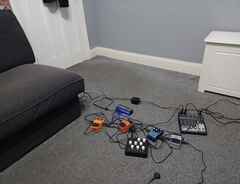

.jpg?v=1734211848)
212
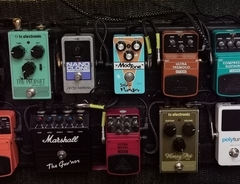
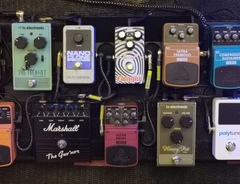

248

1017
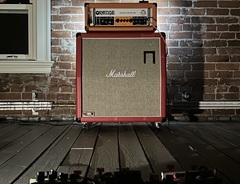

good pedal
it’s a good pedal, especially for doomy/sludgy tones, but when i try to palm mute it doesn’t really work. i like to use it for background noise in songs, like a distant hum

62
I love it.
I love how it is a clone of the univox super fuzz. It is really helpful when you want that old school sounding fuzz like the cramps
Artist usage
Add artist

Posted on TSP's facebook page on 2011/03/27 with the caption "current weapon of choice!"

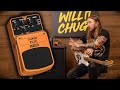
Behringer Super Fuzz can be seen in this video


He had this on his pedalboard in mid to late 2020, using it concurrently with his T-Rex Mudhoney. It may have been what he used for all the fuzz tones on For The First Time as it's the only fuzz pedal he had on his board in the studio (see source). He stopped using it live in late 2020.


Erik Bickerstaffe uses a Behringer SF300 Super Fuzz, as confirmed in his Rig Rundown with Premier Guitar on YouTube.


In an Instagram video posted by @victoryampsuk, Jamie Hall's pedalboard is clearly visible at the beginning, where one can spot the Behringer SF300 Super Fuzz.


In this video he shows off his pedalboard, featuring his behringer superfuzz. He states that he bought it as a "specialty effect" while going through an Electric Wizard phase


Got the pedalboard nearly done for the solo show - see you 9:00pm at alphaville.


In this Instagram story from the 19th of June 2025, we can see Miles in rehearsal with a clear shot of his pedalboard which includes the Behringer SF300 Super Fuzz


In this user-uploaded photo from a live performance with Mook, Paul Dano appears to be using a Behringer SF300 Super Fuzz. The pedal is identified by its distinctive orange and black color scheme.


In a Reddit comment dated December 25, 2023, Alex Bulli is mentioned using the Behringer SF300 Super Fuzz, specifically in mode 2 with the gain set to zero. The source author describes it as "$20 well spent."


In the YouTube video titled "Jaw Surgery (Chester Masangya) @trigger, Shanghai, 2023-10-21," Chester Masangya can be seen using the Behringer SF300 Super Fuzz. The video was uploaded by Kangaroo Murmur.


Album Usage
The Behringer SF300 Super Fuzz has been featured on the following albums:

Genre Usage
Based on how artists on Equipboard use this gear, it is most commonly found in the following genres.
Used With
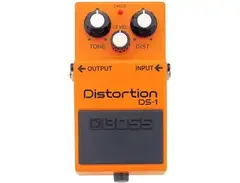
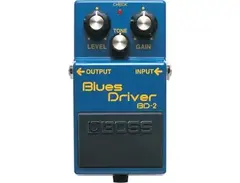
Based on how musicians on Equipboard use Behringer SF300 Super Fuzz, it is most commonly used with the following gear.


-s.webp?v=1783263522)


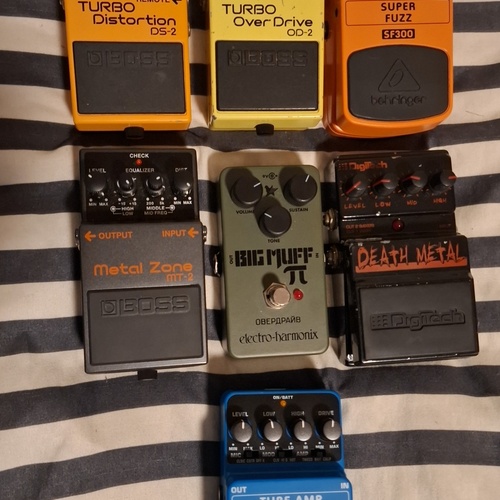
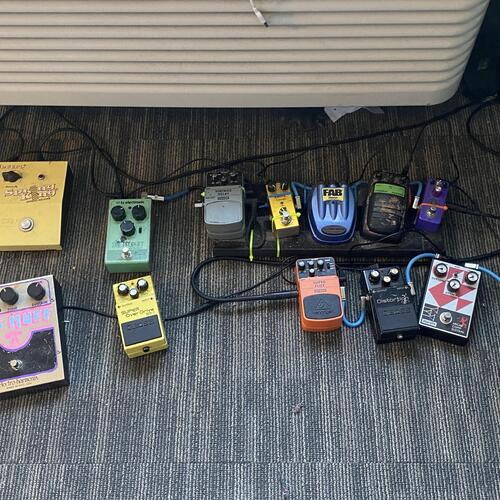
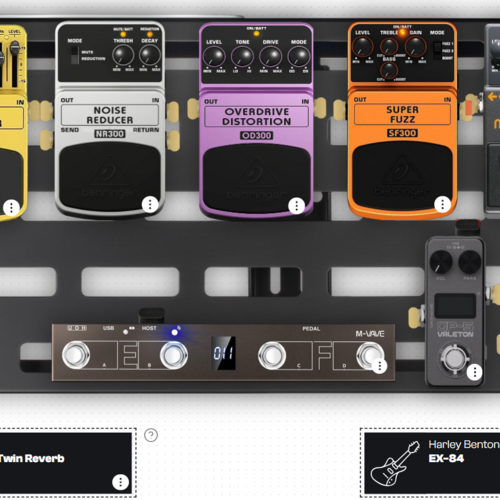
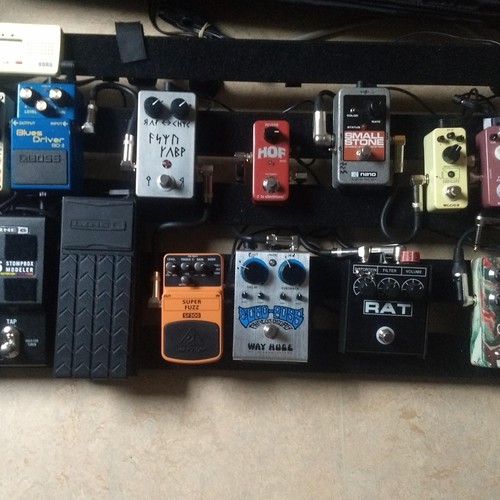
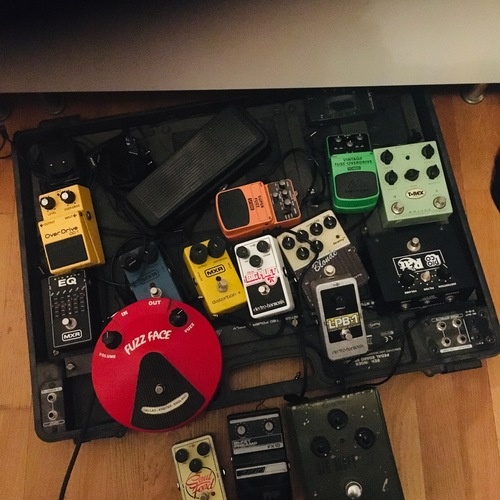
Community setups
Show yours







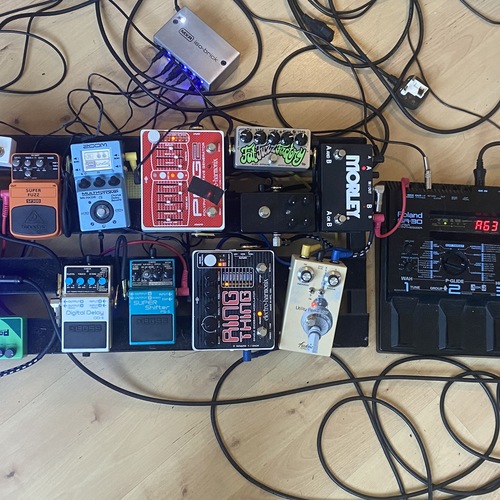


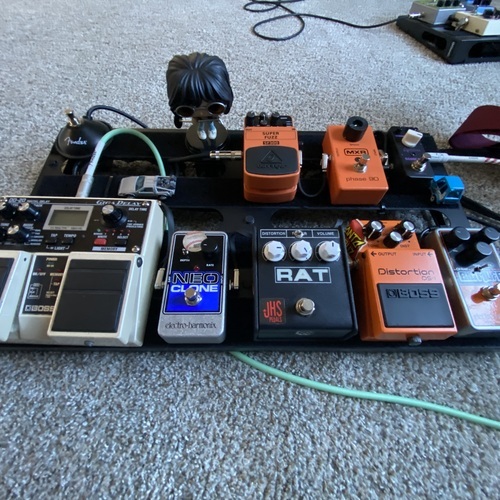
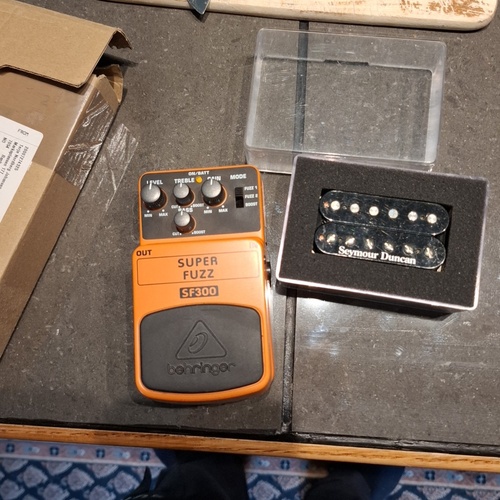

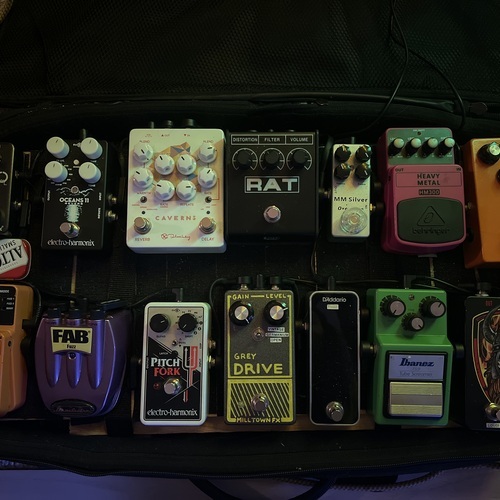
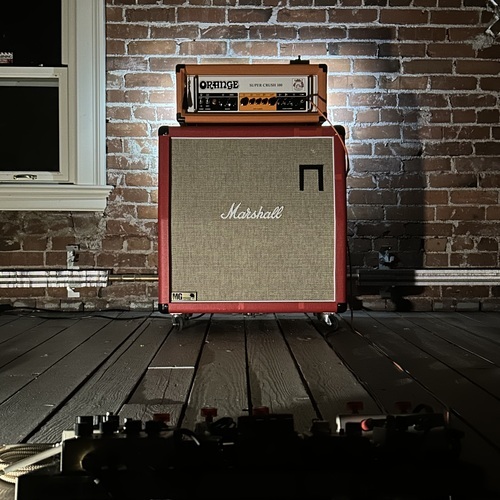


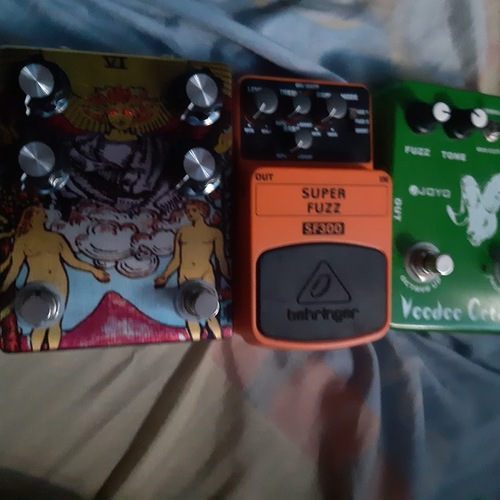
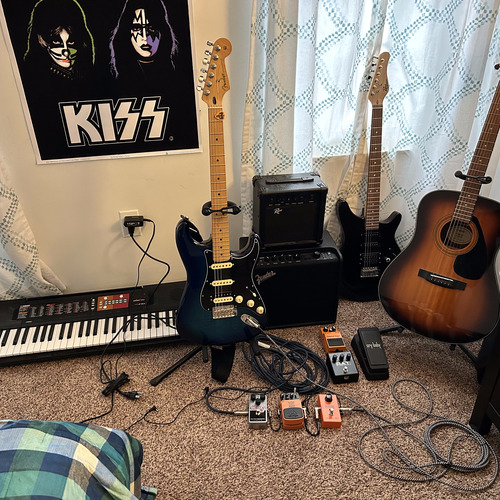

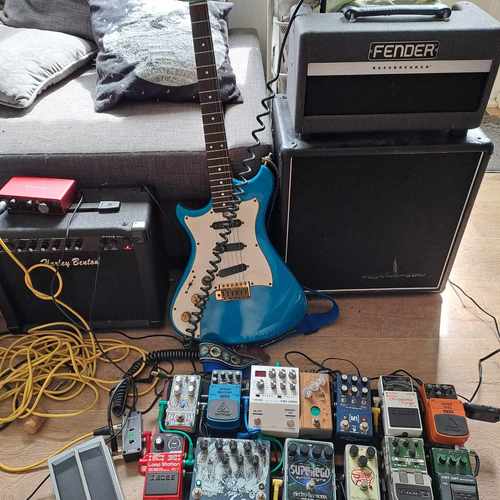







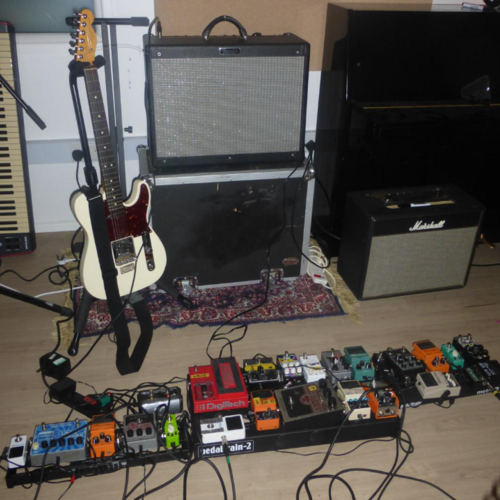
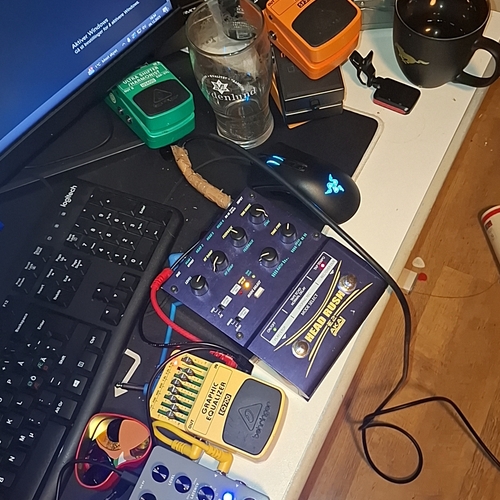
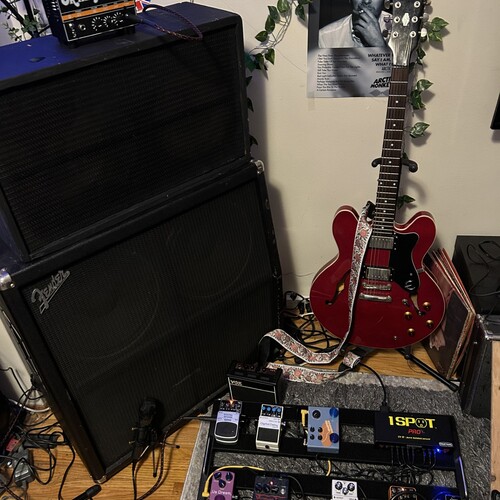
.jpg?v=1776958040)
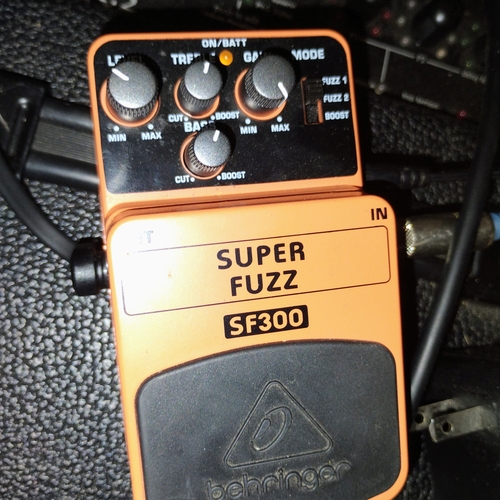














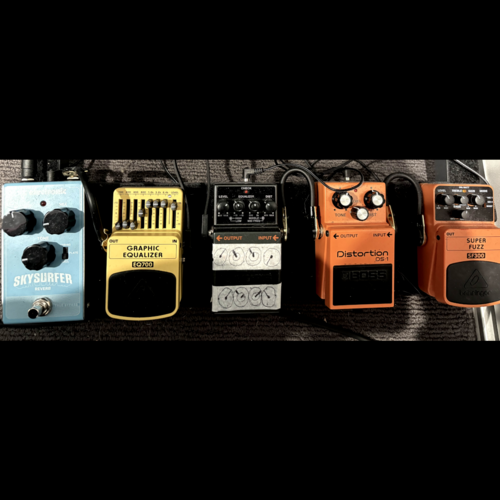

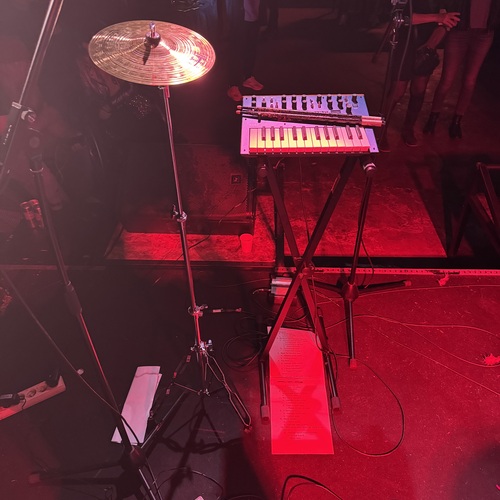

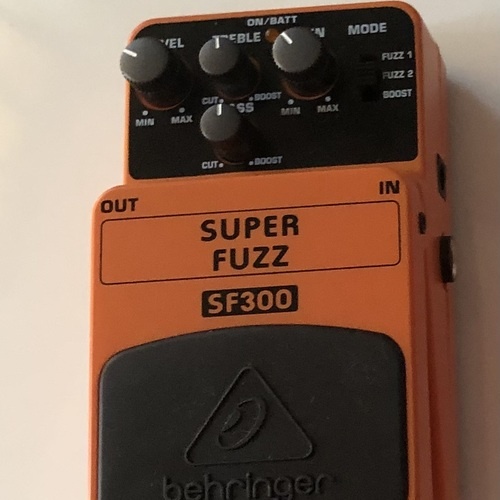
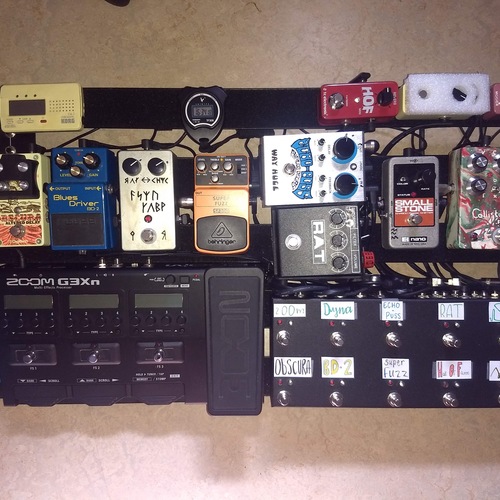



.jpg?v=1781701923)




Similar
Add recommendation3 alternative and related items for Behringer SF300 Super Fuzz, curated by the Equipboard community.

$310.00
Specifically cloned after a Boss FZ-2 Hyper Fuzz. If you want to take it one step further, then you can say it's Grandfather was a Univox Super Fuzz.
-m.webp?v=1782831461)
$629.99

$149.27
More Behringer Fuzz Effects Pedals


-m.webp?v=1783263717)
$179.00 - $211.00
in Fuzz Effects Pedals Rank


$160.00
in Fuzz Effects Pedals Rank


$220.00 - $249.00
in Fuzz Effects Pedals Rank

.jpeg?v=1783244342)


$75.00 - $96.20
in Fuzz Effects Pedals Rank


$179.00
in Fuzz Effects Pedals Rank


$310.00
in Fuzz Effects Pedals Rank


$89.00 - $169.00
in Fuzz Effects Pedals Rank


$199.00 - $229.00
in Fuzz Effects Pedals Rank


$159.00 - $183.00
in Fuzz Effects Pedals Rank


$85.00 - $101.60
in Fuzz Effects Pedals Rank


$110.33 - $222.00
in Fuzz Effects Pedals Rank


$80.00 - $108.90
in Fuzz Effects Pedals Rank


$340.00
in Fuzz Effects Pedals Rank

$85.00 - $108.90
in Fuzz Effects Pedals Rank


$77.00 - $87.10
in Fuzz Effects Pedals Rank


$59.00 - $83.50
in Fuzz Effects Pedals Rank


-m.webp?v=1783249768)
$169.00 - $179.99
in Fuzz Effects Pedals Rank


$95.00 - $2,006.18
in Fuzz Effects Pedals Rank

$249.00 - $299.00
in Fuzz Effects Pedals Rank


-m.webp?v=1783263574)
$88.82 - $113.00
in Fuzz Effects Pedals Rank


$222.00 - $399.00
in Fuzz Effects Pedals Rank


$199.99
in Fuzz Effects Pedals Rank


$159.22 - $211.00
in Fuzz Effects Pedals Rank


.jpeg?v=1783110732)

$179.00 - $193.00
in Fuzz Effects Pedals Rank


$98.52 - $131.00
in Fuzz Effects Pedals Rank


-m.webp?v=1783249867)
$269.00 - $349.00
in Fuzz Effects Pedals Rank


$269.00
in Fuzz Effects Pedals Rank


$299.99
in Fuzz Effects Pedals Rank


$182.11 - $199.99
in Fuzz Effects Pedals Rank


$111.54 - $149.99
in Fuzz Effects Pedals Rank


$160.00 - $299.99
in Fuzz Effects Pedals Rank


$270.00 - $319.00
in Fuzz Effects Pedals Rank


$217.25 - $290.00
in Fuzz Effects Pedals Rank


$149.00 - $169.00
in Fuzz Effects Pedals Rank
.jpg?v=1783267404)


Accessories & Related Items


Gear Guides



.jpg)


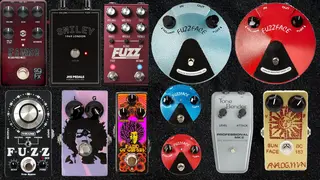

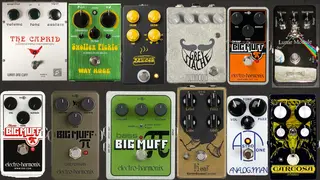
Most Popular Fuzz Effects Pedals
Most Popular Brands
-
Added to Equipboard on by
 skullcrackr
Gear IQ 101
-


