


Pricing and availability
We compare 600+ stores and found this item at 1 store. Prices updated .
Store
Reviews
Price




Average Price: $16,111
High-end/Boutique
$100
$401+
Price Tier
Budget
Standard
High-end
* Product prices and availability are updated by Equipboard every 24hrs and are subject to change. Equipboard may receive compensation for purchases made at participating retailers linked on this site. This compensation does not affect what products or prices are displayed, or the order of prices listed. For more information, please refer to our affiliate disclosure.
Description
Discover the legendary Neumann U47, a game-changer in the world of tube microphones. Introduced in 1947, this transcendent microphone has not only stood the test of time but has constantly been seen as a benchmark in recording studios worldwide. Its groundbreaking design set a new standard in fidelity, surpassing the performance of the earlier "bottle" microphones. But it's not just the technical prowess that sets the Neumann U47 apart. This microphone is renowned for its captivating, larger-than-life tone that sends a shiver down the spine of both professional engineers and casual listeners. With the U47, your recordings will never be the same.
Key Features:
- Revolutionary tube microphone design
- Superior fidelity over earlier "bottle" microphones
- Switchable polar patterns without needing to change capsules
- Produces a larger-than-life tone
- Lauded by professional engineers and casual listeners alike
Product specs
| Brand | Neumann |
| Model | U 47 |
| Finish | Nickel |
| Year | 1950s |
| Made In | Germany |
| Categories | Microphones |
| Electronics | Analog, Tube |
| Microphone Type | Large-Diaphragm Condenser |
| Polar Pattern | Multipattern |
| Wired/Wireless | Wired |
FAQs
-
What is the primary application of the Neumann U47 microphone?
-
The Neumann U47 is widely regarded as a classic vocal microphone, known for its warm and rich sound. It is also highly effective for recording acoustic instruments, making it a versatile choice for studio applications.
-
Does the Neumann U47 require phantom power to operate?
-
The original Neumann U47 is a tube microphone and does not require phantom power. Instead, it uses an external power supply to operate its tube circuitry.
-
What polar pattern options does the Neumann U47 offer?
-
The Neumann U47 features a multipattern design, allowing users to switch between cardioid and omnidirectional polar patterns for versatile recording applications.
-
How does the Neumann U47's tube circuitry affect its sound?
-
The tube circuitry in the Neumann U47 contributes to its warm, smooth, and full-bodied sound, which has made it a favored choice for vocal recordings and a staple in professional studios.
-
Is the Neumann U47 suitable for modern recording studios?
-
Yes, the Neumann U47 remains a highly sought-after microphone for modern studios due to its legendary sound quality and versatility, particularly in capturing vocals and acoustic instruments.
Videos

Sweetwater
Vintage Neumann U47 vs. New Telefunken U47 Mic Comparison

Vintage Neumann U47 vs. New Telefunken U47 Mic Comparison
Sweetwater
Warm Audio WA-47 vs. Vintage Neumann U47 MIC SHOOTOUT

RV_ Music
Mic Comparison Audio Test | Telefunken U47 | Neumann U47 | Neumann M149

Carlos Rodgarman
A Look At A Historic Pair Of Neumann U47 Microphones From Vintage King

Vintage King
Vintage Neumann U47 vs Vintage Neumann U87

ProfessorDan
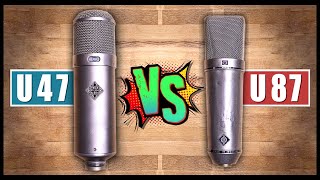
Neumann U47 vs U87

Christian Svedin

Unboxing Telefunken U47 and Neumann U47
Carlos Rodgarman
Reviews
PROS
-
Unmatched, legendary sound quality
-
Superior to modern clones and replicas
-
Captures vocals with warmth and detail
-
Favored by iconic musicians across generations
CONS
Owner Insights
We analyzed real musician discussions from forums and Reddit to find what players love, question, and tweak about Neumann U47.
Comparisons
-
Vintage U47s and clones vary significantly, each offering a unique sound profile, leading to subjective preference based on taste rather than inherent superiority.
Source -
The U47fet is described as warmer and richer than the U87, with users noting its underrated performance on vocals despite its reputation as a kick/bass mic.
Source -
Some users prefer the brighter, mid-forward tonality of Neumann's U67/U87 for most vocalists, contrasting with the darker vocal sound of the U47fet.
Source
Use cases and applications
-
The U47 excels at naturally fitting into mixes without extensive EQ or compression adjustments, a challenge for many clone microphones.
Source -
The U47's versatility is demonstrated in a diverse recording setup, capturing double bass, vocals, jazz drums, and piano with consistent quality.
Source -
It's observed that the U47fet can soften "s" sounds in vocals, which may be beneficial in some recording contexts but could also be perceived as mushy.
Source
Setup and maintenance
-
Testing involved placing mics close together to avoid performance variation, acknowledging potential sound coloration due to reflections.
Source
User experience
-
Handling vintage U47s, valued between $20k-$30k, alongside clones highlights the risk and responsibility of working with high-value gear.
Source
Features and functionality
-
The U47fet is noted for its handling of low-end sources like piano and bass, making it suitable for applications requiring robust low-frequency capture.
Source
5.0 out of 5
Based on 1 Review and 8 Ratings

Artist usage
Add artist

Part of Jones' home studio, as stated in this February 1, 2010 Electronic Musician interview with Jones, producer Jacquire King and assistant engineer Brad Bivens about The Fall.
Demos for The Fall began at Jones’ Manhattan home studio in May 2008, with engineer Tom Schick manning her custom Neve console (with 1073 modules), Otari 2-inch 24-track MTR- 90, and a sumptuous collection of vintage tube mics (Neumann M 49, U 47, and Telefunken ELA M 250).
(...) [King:] And Norah has an ELA M 250 mic and a U 47; then we chose the 250 paired with a Placid Audio Copperphone.


In this April 10, 2009 Gearslutz forum reply, engineer Paul Arnold shares that, while working with Tupac, he "wound up mixing some other stuff that was cut using a U47 through what I suspect was an LA 2."


Used as an overhead mic for "Brown Sugar", as stated by mix engineer Jimmy Johnson in this September 21, 2018 ProSoundWeb interview.
We only had three mics on the drums. We ran a (Neumann) U47 up over the top up over the top, about nose high to the drummer. We had a high stand out in front, with the mic facing downward at the kit, from the bass drum in with a little boom that came over the snare.
So it gave a good overview of the whole kit, so you could play with a lot of dynamics and you could get an incredible sound. In fact, Charlie Watts wanted to buy that microphone! But of course, I wouldn’t sell it. He couldn’t get over the sound we were getting.


In a photo on this page, Cohen can be seen recording with a Neumann U47.

In the archived recording footage provided by Miley Nation, Miley Cyrus is clearly seen using a Neumann U47 with a pop filter while recording "Light of a Clear Blue Morning" with Dolly Parton.


Crosby has a "favorite" U47 at Groove Masters Studio and it was used for background vocals on Lighthouse, as stated by engineer Fab Dupont in this October 24, 2016 Mix Online interview, this October 28, 2016 ProSoundNetwork interview (an abridged version of the Mix Online article), and this December 2016 Sound on Sound interview.
Mix Online
Dupont, commenting on the vocal mics used in the ‘Lighthouse’ recording sessions said, “There was the Eden, which is all the lead vocals, and all the lead harmonies were done with the Eden. The Eden is the sound of the vocals.” David Crosby added, “With the Eden mic, Fab Dupont was able to capture the best vocal sound I’ve ever had in my entire career.”
When asked how the lead vocal mic was chosen out of Groove Masters’ vast vintage mic selection, Dupont elaborated, “Basically what happened is David didn’t know me, Michael brought me in, and so on the first day David sees the Eden and is like, ‘What’s that?’ He says, ‘I record here all the time. There’s microphones here I love. I want to use those,’ and I said, ‘Okay, cool, no problem. I’ll put those up, but would you mind trying this one? Because I think you’d like it.’ He said, ‘Okay, sure, because, you know, why not?’ I asked the assistant, I said, ‘What’s David’s favorite mic here?’ and that’s how the [Neumann] U 47came up. Then, I took the 47 that was his favorite 47 from all the vintage 47s in this 47 museum and then put the Eden up and recorded him singing into both, and then he picked the Eden. That’s how the Eden became the microphone for the record.”
“David, who has no allegiance to anything, just immediately loved the Eden right away,” Dupont adds, “wanted one for himself immediately, and he has choice, you know? He can do whatever he wants. Yeah, there is something very special about that mic on vocals.”
Sound on Sound
Since I had little info about the place before I showed up, I had decided to plan ahead and bring some of my own stuff just in case. I brought my Lauten Eden prototype and a couple of Lauten Atlantis mics, a Dangerous compressor, BAX EQ and Source, three pairs of Focal Spirit Pro headphones so we could all listen to the same thing when tracking and a Universal Audio Apollo Twin just in case. We ended up using all of it. Including the Twin.
Halfway through the third or fourth day, on the louder songs, I started to develop a distaste for the tone of the vocal booth that the vocal rig was in. I anticipated some grief at the mixing stage trying to remove the low-mid bump and some of the reflections that came out in higher keys. I had made the mistake of gauging the vocal sound on the quiet, super-intimate songs and had not checked a louder one before I settled for it (won’t do that again). So, to the team’s great dismay and much teasing, I relocated the whole rig to David’s side of the live room. I liked the new location so much better that I wanted to recut whatever vocals we had already done. I was instantly declared certifiably insane by everyone and we just cut the subsequent vocals in the new location. So, if you pay attention you’ll hear two different lead vocal colours throughout the record. See if you can figure out which is which. In the end, David was kind enough to declare that he thought the vocal sound was the best he ever had in his career. Joy and happiness.
(...) Although Groovemasters had a dizzying array of choices for microphones, including David’s reportedly favourite U47 in the whole world and more 251s than I had seen in one place myself, I chose to use my Eden. I knew from working on the design of it with Brian at Lauten Audio that it would be great for David. Of course it would have to be David’s choice, so I also put his favorite U47 up. I put the two mics next to each other, and I set them up so that I could run them through identical preamps and easily insert my Dangerous Compressor and BAX EQ on either of them instantly. Consoles are good for this stuff. I had the Dangerous Compressor running in dual-mono mode, with the left side set as a limiter feeding the right side set as a compressor. And then I used the BAX and its 18kHz band for shine and the filters for a clean top and bottom. It worked like a charm.
(...) For background vocals, I organised a system where each singer would sing each layer into the Eden from up close, then the 47 from up close, then the Eden from far away and last 47 from far away. It was a bit tedious to keep track of and I got plenty of rough handling from David about it. Until he heard it. It sounded just like the old CSN but super-present and without muddy bunching up: no peaks, a super-smooth blend and and clean ambient vibe for days. Of course the sessions quickly started to look like a very tall house of cards, but with just two singers it was the fastest and most beautiful way I found to do it.


Used for the bass drum on Achtung Baby and Pop, as explained by engineer Robbie Adams in this July 1997 Sound on Sound interview.
DECONSTRUCTING DRUMS
Three years ago, U2 engineer Robbie Adams explained in SOS how he recorded Larry Mullen's drums with just three mics, an approach he had picked up from Flood, who, said Adams, "is bored with all this traditional, big stereo nonsense." Flood explained that his way of recording drums was partly born from necessity, and partly from reading Mark Lewisohn's classic book on The Beatles' recording sessions: "When we were working on Achtung Baby, we had two drum kits set up, and I had very few channels on the desk, so that was a bit of a problem. I noticed from the photographs in the Beatles book how there was always one mic parked just above the drum kit. I thought it was maybe just for the photo or something, but then I saw it in other studio shots as well, and so, because of the problem I had with too few channels, I decided to try it out on one of the two kits. I put one mic on the bass drum -- an AKG D12 or Neumann U47 -- a Shure SM57 on the snare, and an SM58 as the overhead just above the kit.
"What started to happen was that people would prefer that drum sound, even though it's virtually mono. I also noticed that with Larry, who is a powerful drummer, when you put the drums in stereo you have to have the levels up higher on playback, whereas the mono drums were more powerful, even at lower levels. When I thought about it, I realised that if you're standing in front of a drum kit, you hear it in mono -- you don't hear the toms panning neatly from left to right in your ears. Also, a mic just above the kit compresses the sound. And that's the same effect that happens in the ears of a drummer or when you stand close to the kit; the sound is compressing in your ears because of the level of air pressure. So when you have a cheap, lo-fi overhead mic in that position, and add compression on a mic that's already compressing, it brings out the excitement, the same feel and natural balance that the drummer is getting."
"I've used the three-mic approach as a starting point ever since. You can do all sorts of things with it. For example, if the room you're recording in is rather dead, you can add a bit of room reverb just on the mad-sounding compressed mic. That will give the illusion of the drums having space, and yet the physical punch still comes from the middle. I will sometimes add two more overheads, like a 414 or 87, placed a bit higher up, or at the same height as the drummer's ears. A lot of the times we end up monitoring kick, snare and these higher overheads, and then if the track sounds a bit lame, we'll feed that extra low overhead mic in, which can bring out all the reflections that the drummer gets and that you may not hear normally. It's always good to experiment and listen to the sound the drummer gets in the room. When we were working on Pop in Miami, we were in a room that had very little character, so we put the two ambient mics right in the corner, pointing towards the ceiling, away from the drum kit, thus deliberately creating a woolly, booming drum sound that went well with the brightness of the drum kit. We were always pushing for character, and trying to stay as far away as possible from a generic rock drum sound."

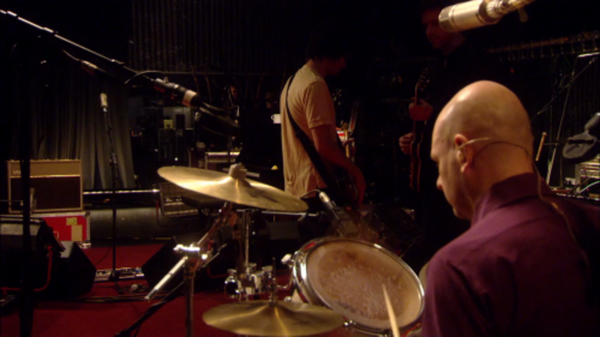
A screenshot of Phil during Radiohead’s From The Basement performance of Weird Fishes on April 2, 2008. One can see a tube Neumann U47 or U48 as an overhead, a black AKG 414 (EB or B-ULS) on the tom, and Coles 4038 mics on the cymbals.


In the video "The Making Of Matador," at the 6:03 mark, Gaz Coombes is shown recording vocals using a Neumann U47 microphone, providing evidence of its use during the production of the Matador album.


Used for vocals on Mama's Gun, as stated by engineer Russell Elevado in this July 21, 2017 Crack interview.
I used the Neumann U47 and U67 quite a lot on Erykah’s vocals as well as on drums and bass. I also used the RCA 44-B ribbon mic to record Roy Hargrove’s horns. The RCA 44-B microphone is from the 50s and the Neumann microphones from the 60s.
All of the mics would go through vintage mic preaamps like Neve and Telefunken.
I also used an Ampeg B-15 amplifier for the bass, and vintage Pultec tube equalisers.


"Weiland, who uses the BAE Audio DMP with a vintage Neumann U47, says the combination "sounds flawless on my voice.""

Mentioned by sound engineer John Kelton in this Mix Online article about Kickin Out the Footlights... Again.
"The board was an SSL 9000 J and Starstruck has a good bit of outboard equipment that we used, too,” Kelton says. “For tape we used a Studer 827 16-track for the drums and bass and a Studer 827 24-track for everybody else. That was fed into a Pro Tools HD system. I mixed on an SSL 4056 G+ at Keith's studio and mixed to the new 900 [tape] that used to be the Emtec; this is the first thing we've done on it. We used the Ampex ATR-100 half-inch. For mics, Merle was an old Neumann 47 into a Martech preamp and LA-2 compressor that was hardly used at all. George was an older-stock U87 into a Martech into a Teletronix LA1 compressor that we've used with him for a while. There was no EQ on either one of them.”
Album Usage
The Neumann U47 has been featured on the following albums:

A Catalogue of Jazz: Miles Davis
Miles Davis (2026)
Desiderium
Somnuri (2023)
About Damn Time (Purple Disco Machine Remix)
Purple Disco Machine & Lizzo (2022)
Special
Lizzo (2022)
Inside Friend (feat. John Mayer)
John Mayer & Leon Bridges (2020)
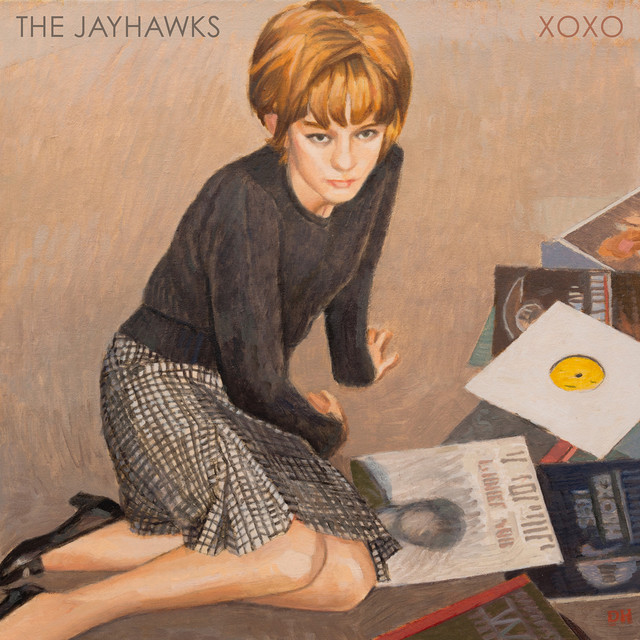
Xoxo
Jayhawks (2020)

Wonderbloom
Becca Stevens (2020)

Changes
Justin Bieber (2020)
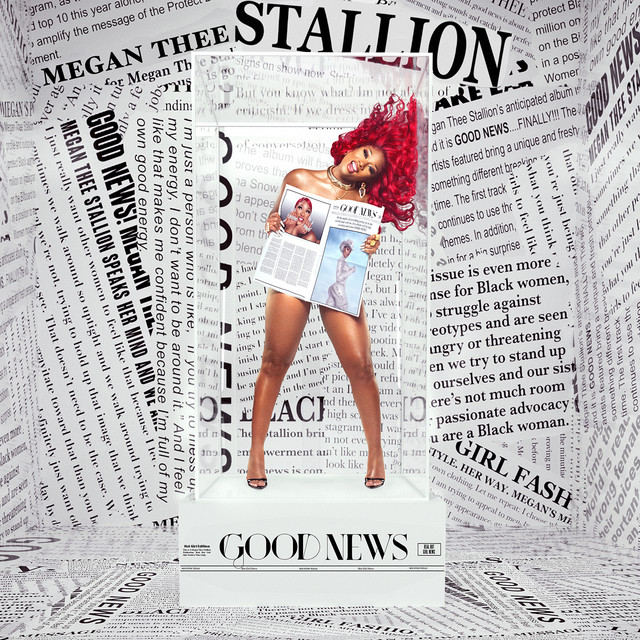
Good News
Megan Thee Stallion (2020)
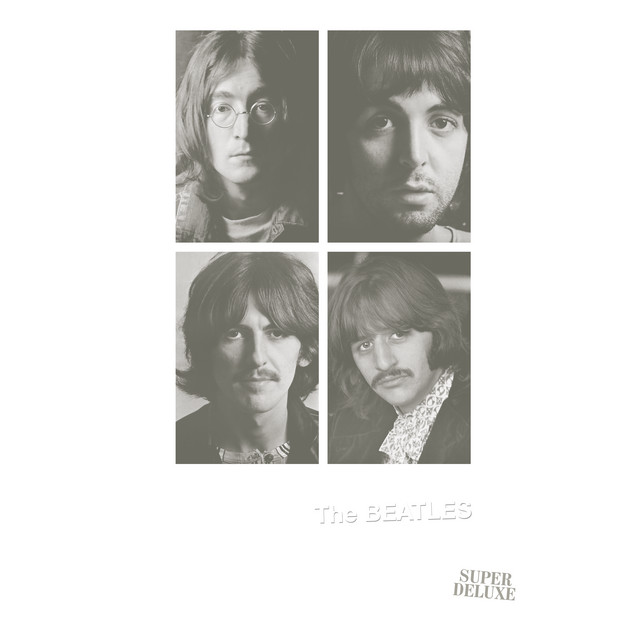
The Beatles
The Beatles (2018)
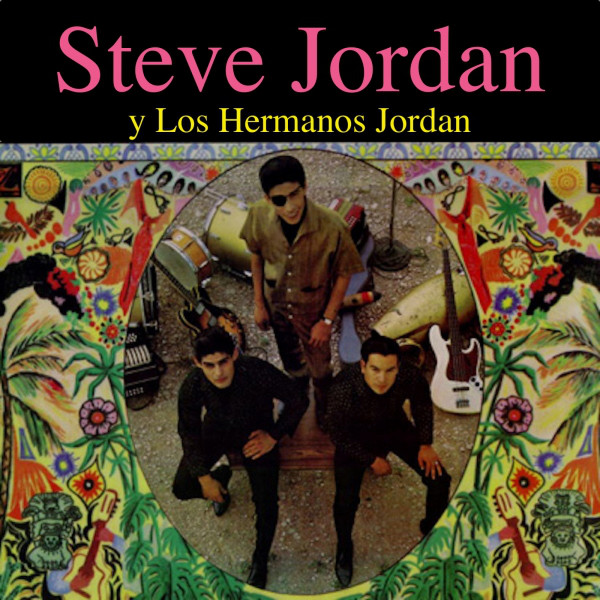
Dos en Uno
Steve Jordan (2017)
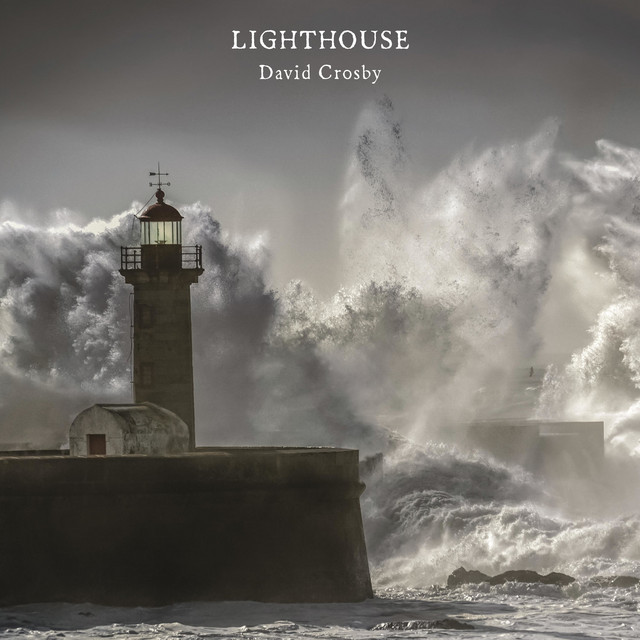
Lighthouse
David Crosby (2016)
Montage Of Heck: The Home Recordings
Kurt Cobain (2015)
Brown Sugar
The Rolling Stones (2015)
Bitch (Extended Version)
The Rolling Stones (2015)
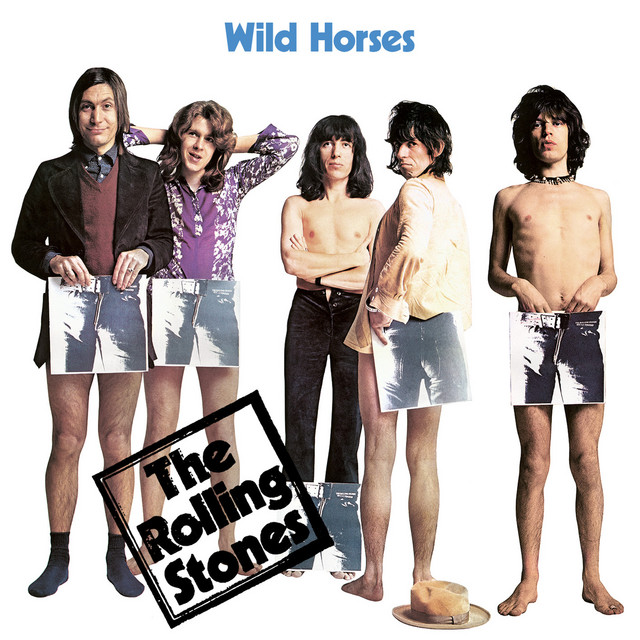
Wild Horses (Acoustic Version)
The Rolling Stones (2015)
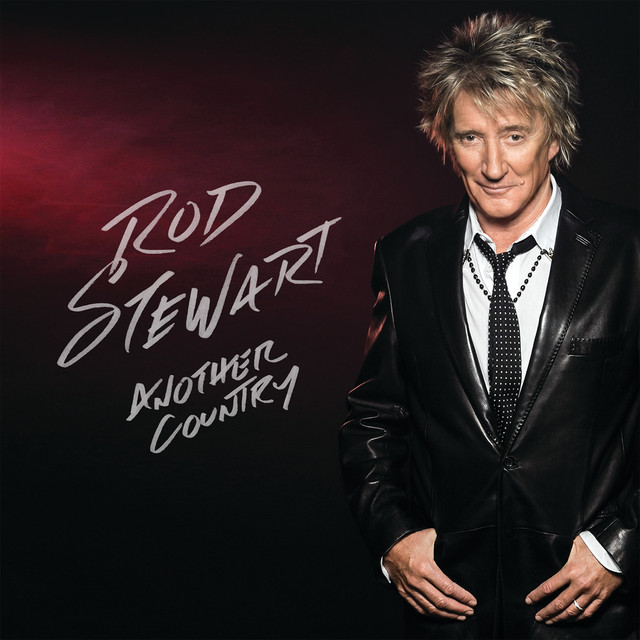
Another Country
Rod Stewart (2015)
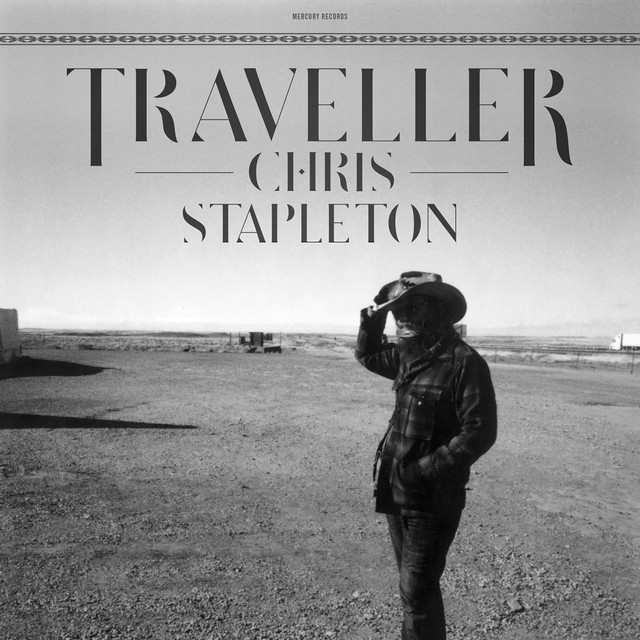
Traveller
Chris Stapleton (2015)

Spotify Sessions
Adam Lambert (2015)
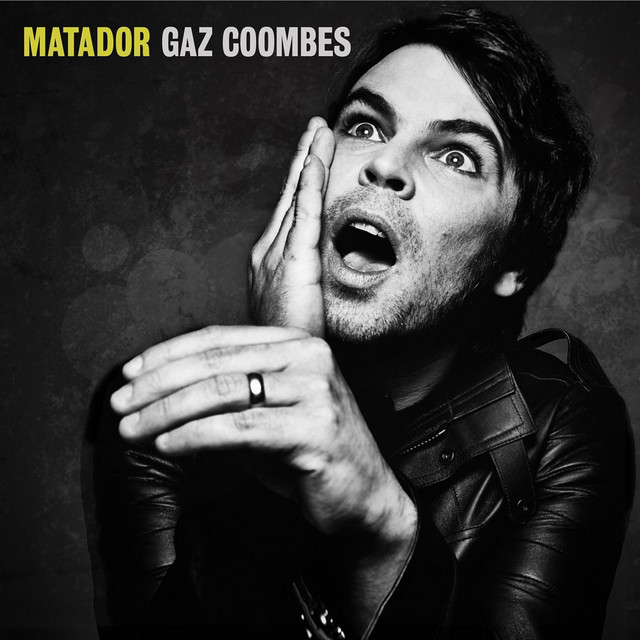
Matador
Gaz Coombes (2015)

Popular Problems
Leonard Cohen (2014)

40 Acres and a Mule
Superwolf (2013)
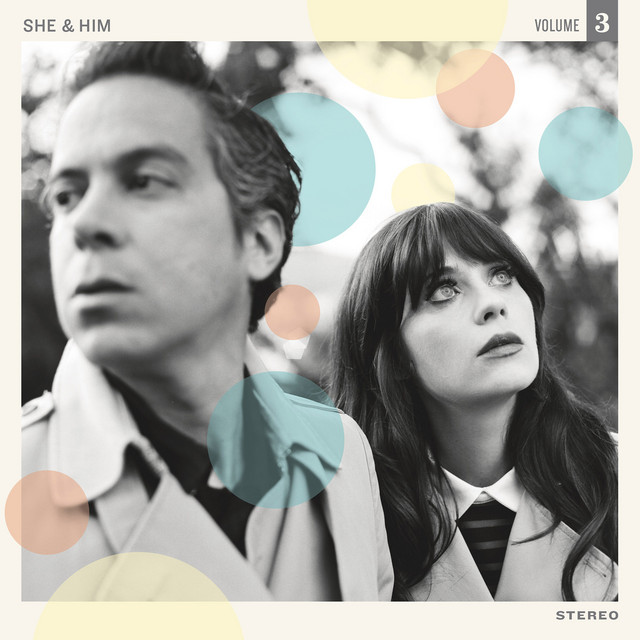
Volume 3
She & Him (2013)
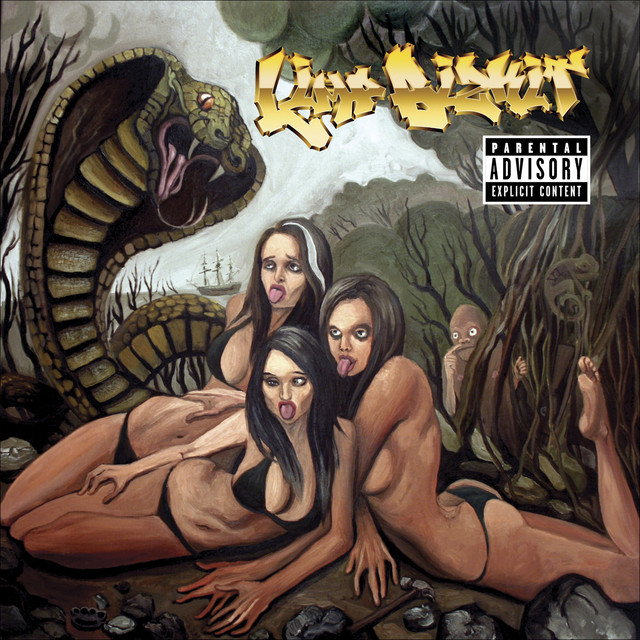
Gold Cobra
Limp Bizkit (2011)
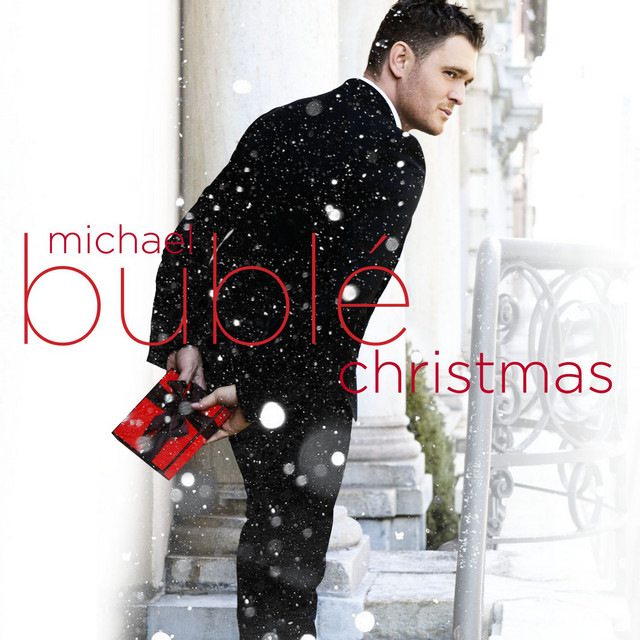
Christmas
Michael Bublé (2011)
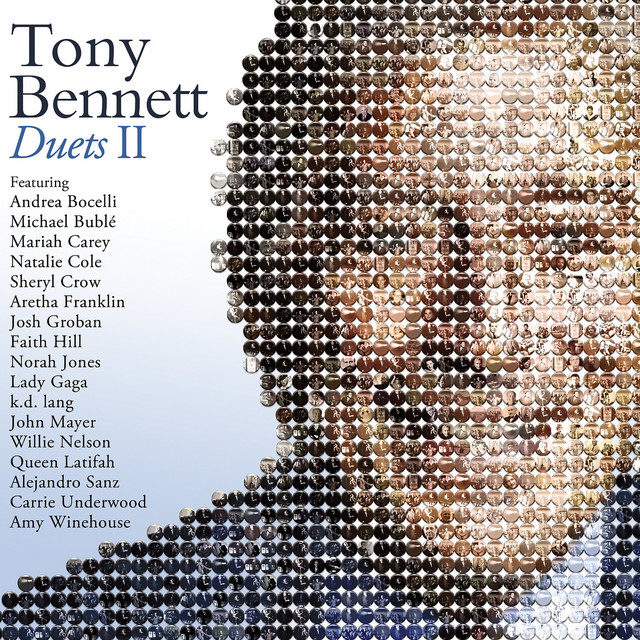
Duets II
Tony Bennett (2011)
Special Delivery
Michael Bublé (2010)
Flockaveli
Waka Flocka Flame (2010)
Sex On Fire
Kings of Leon (2009)
The Fall
Norah Jones (2009)
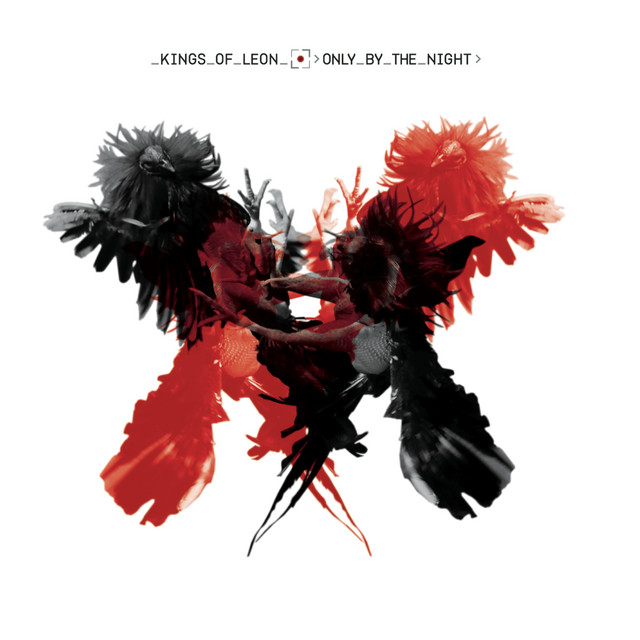
Only By The Night
Kings of Leon (2008)
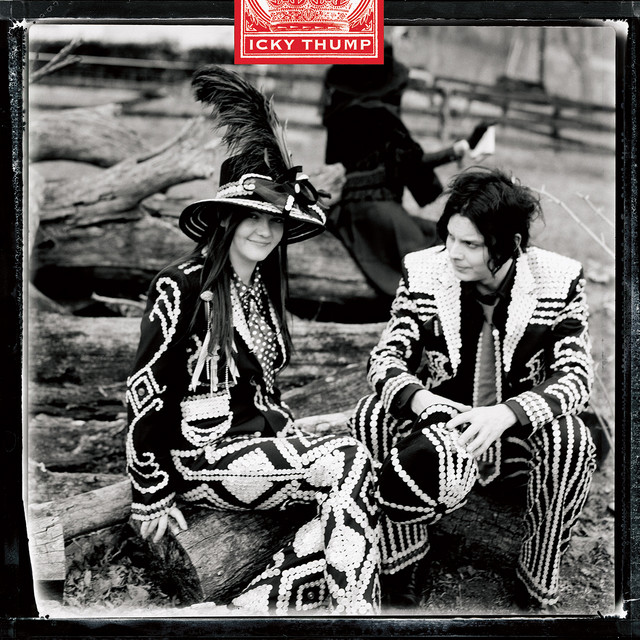
Icky Thump
The White Stripes & Jack White & Jack White (2007)

Raising Sand
Robert Plant & Alison Krauss (2007)
Continuum
John Mayer (2006)
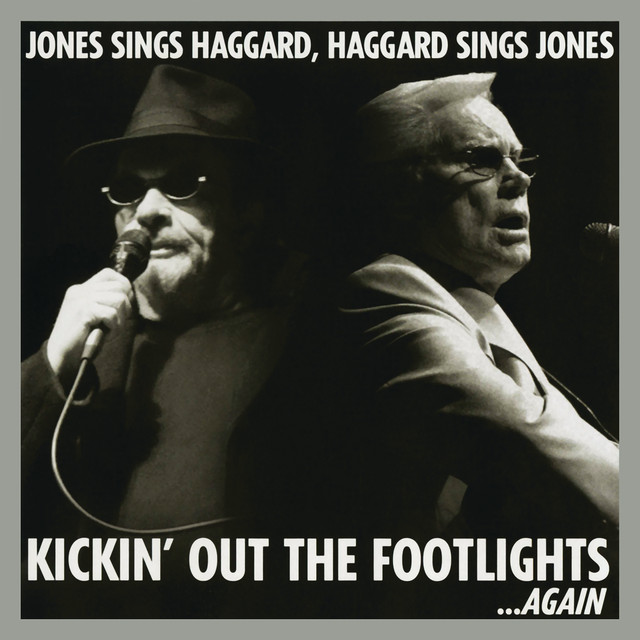
Kickin' Out The Footlights... Again: Jones Sings Haggard, Haggard Sings Jones
Merle Haggard & George Jones (2006)

Ganging up on the Sun
Guster (2006)
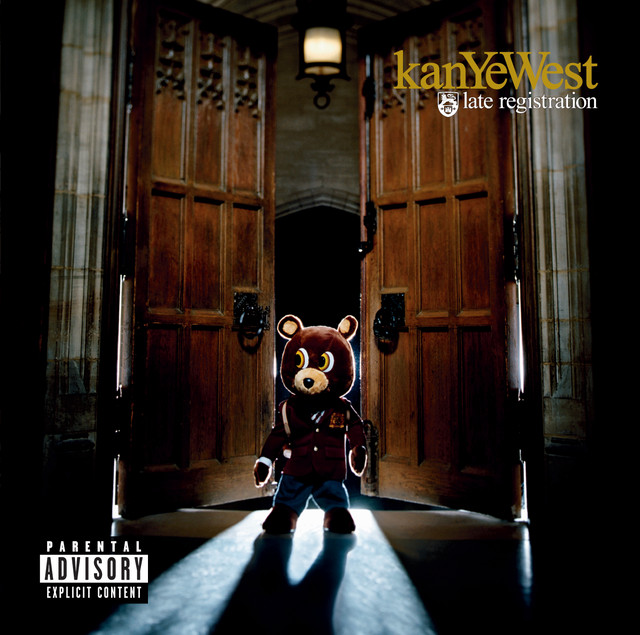
Late Registration
Kanye West (2005)
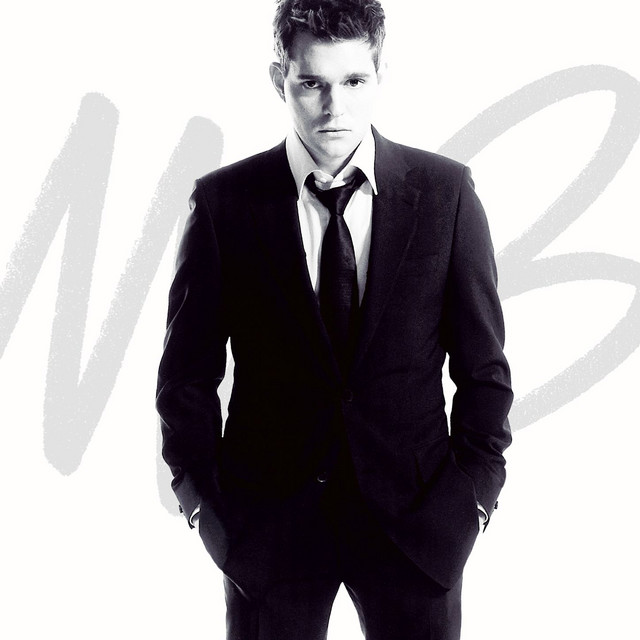
It's Time
Michael Bublé (2005)
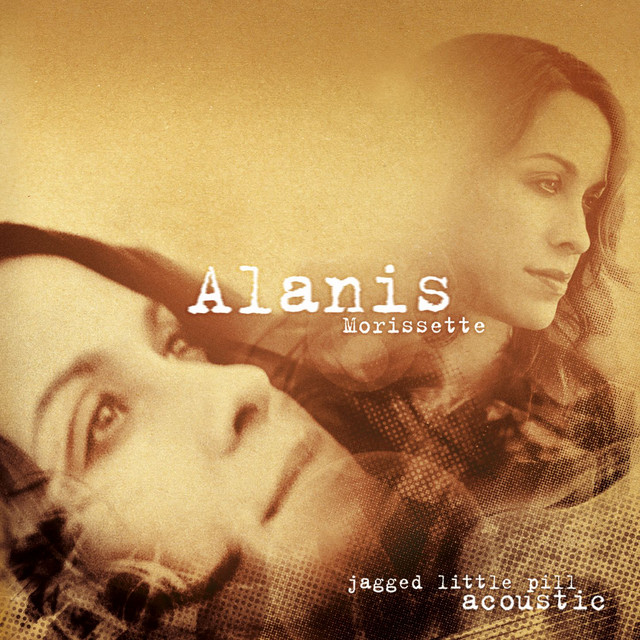
Jagged Little Pill (Acoustic)
Alanis Morissette (2005)
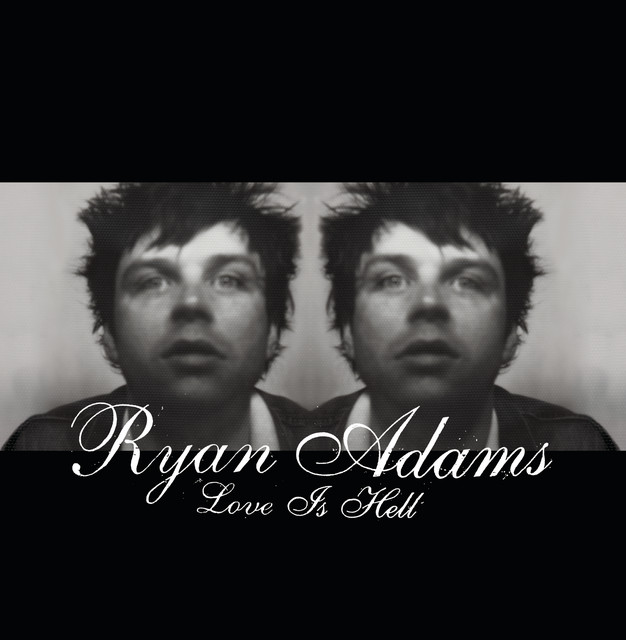
Love Is Hell
Ryan Adams (2004)
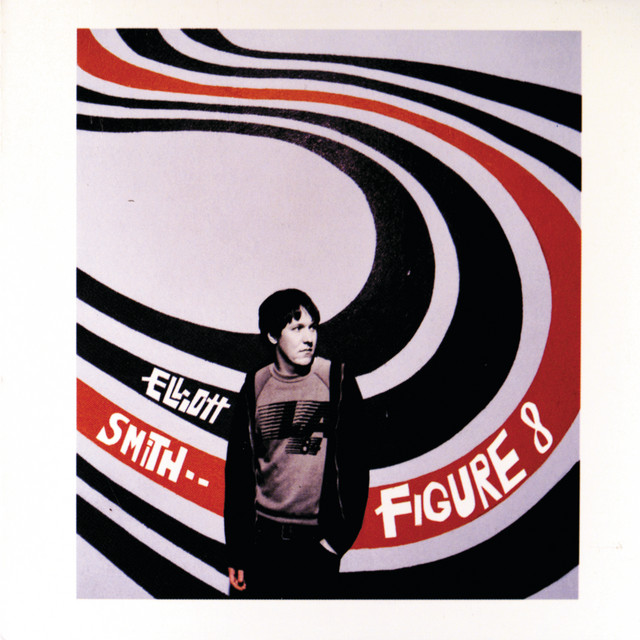
Figure 8
Elliott Smith (2000)
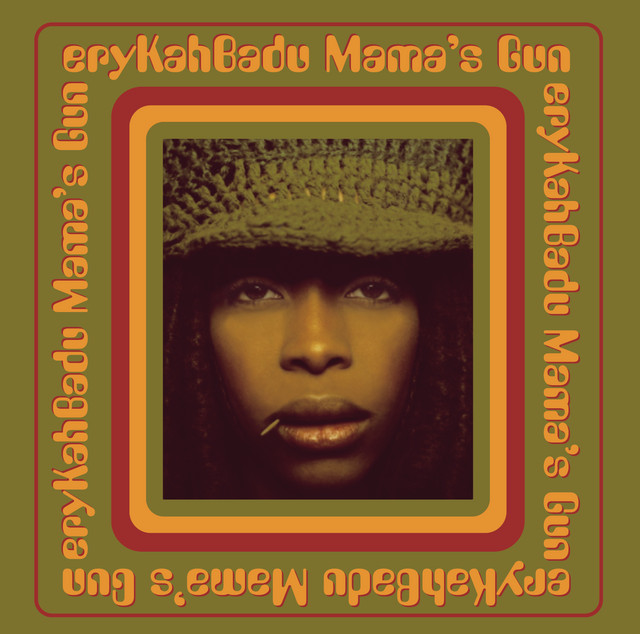
Mama's Gun
Erykah Badu (2000)
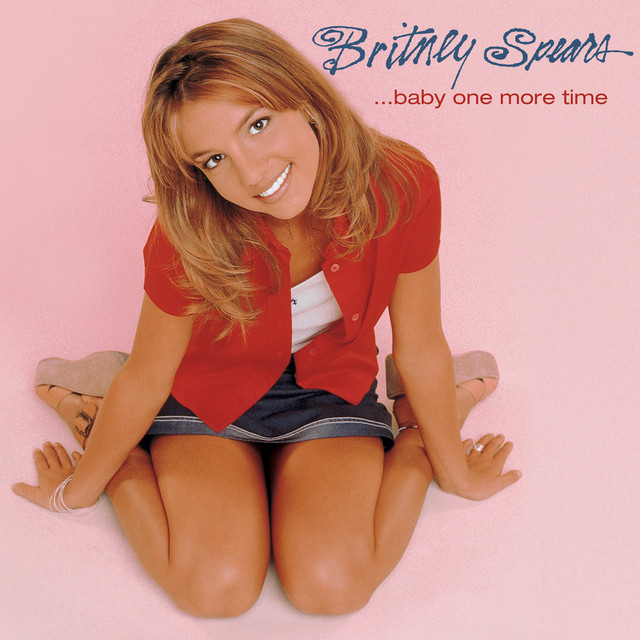
...Baby One More Time (Digital Deluxe Version)
Britney Spears (1999)
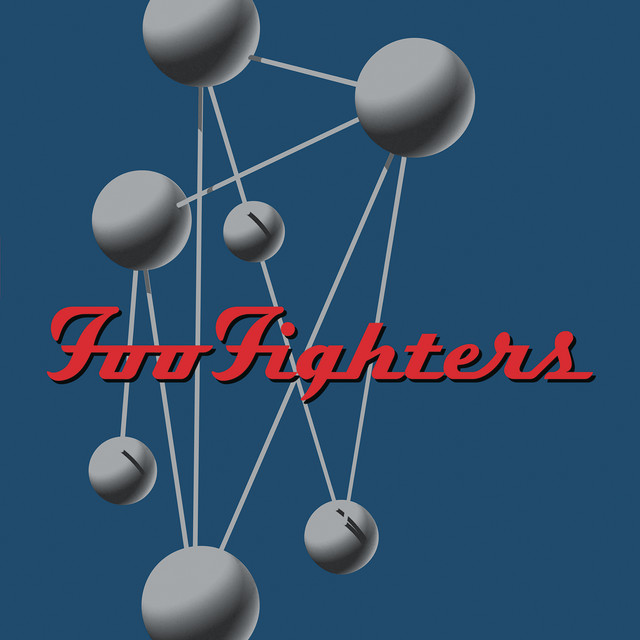
The Colour And The Shape
Foo Fighters (1997)
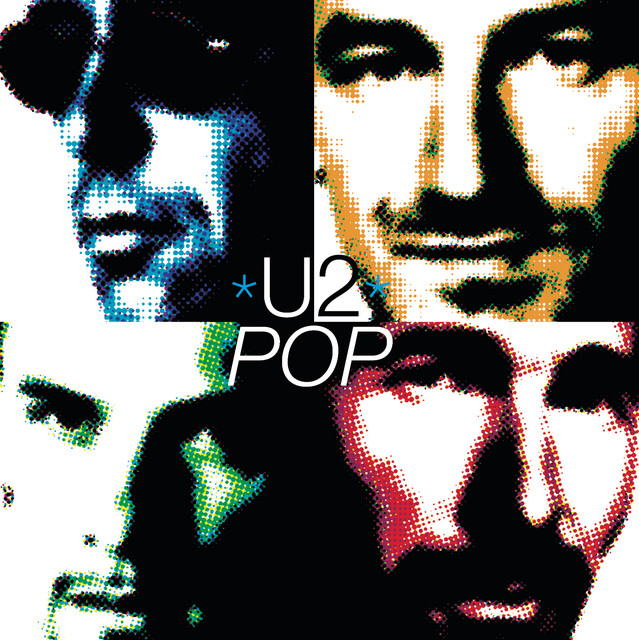
Pop
U2 (1997)
Jagged Little Pill
Alanis Morissette (1995)
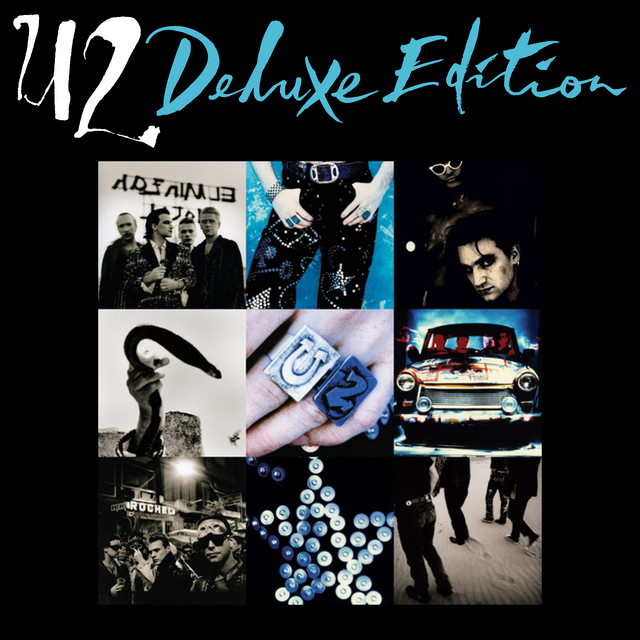
Achtung Baby (Deluxe Edition)
U2 (1991)
The Dark Side of the Moon
Pink Floyd (1973)
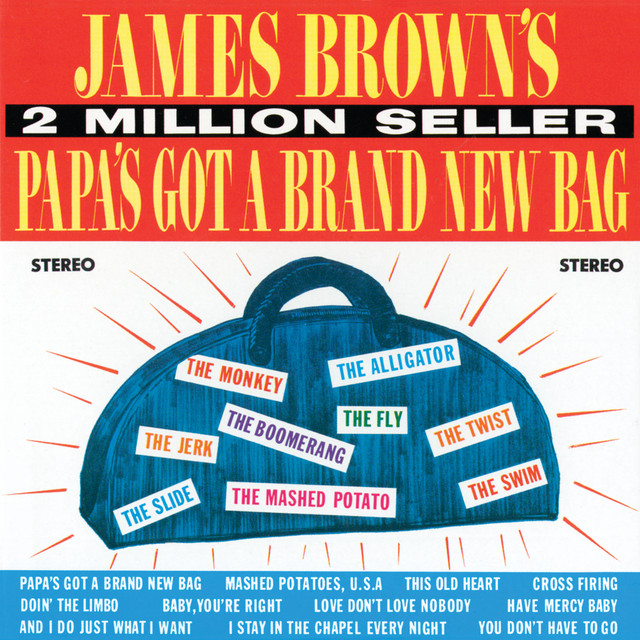
Papa's Got A Brand New Bag
James Brown & The Famous Flames (1965)
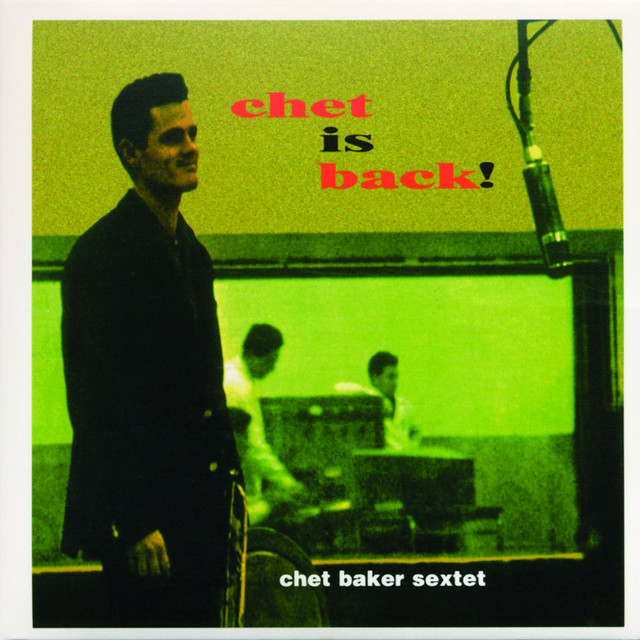
Chet Is Back!
Chet Baker (1962)
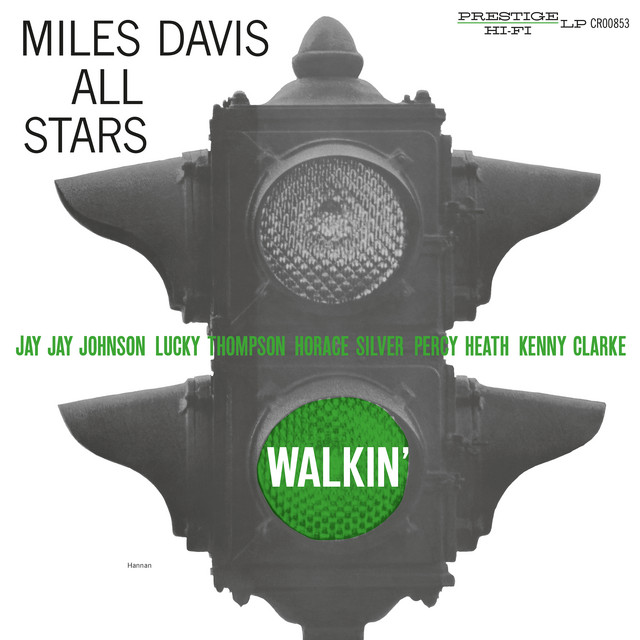
Walkin' (Remastered 2025)
Miles Davis (1957)
Genre Usage
Based on how artists on Equipboard use this gear, it is most commonly found in the following genres.
Used With
Based on how musicians on Equipboard use Neumann U47, it is most commonly used with the following gear.


-s.webp?v=1783249324)


Community setups
Show yours
Similar
Add recommendation3 alternative and related items for Neumann U47, curated by the Equipboard community.


$9,995.00 - $11,222.00

More Neumann Condenser Microphones

$519.00 - $799.00
in Condenser Microphones Rank


$899.00 - $1,295.00
in Condenser Microphones Rank


-m.webp?v=1783260056)
$2,349.00 - $3,995.00
in Condenser Microphones Rank


$508.80 - $849.00
in Condenser Microphones Rank


$2,782.69 - $3,995.00
in Condenser Microphones Rank


$1,456.37 - $1,995.00
in Condenser Microphones Rank


$748.89 - $899.00
in Condenser Microphones Rank


$3,463.04 - $4,395.00
in Condenser Microphones Rank


$4,300.00 - $8,299.00
in Condenser Microphones Rank
-m.webp?v=1783260036)
$5,090.00 - $5,995.00
in Condenser Microphones Rank


$1,281.75 - $1,750.00
in Condenser Microphones Rank


$1,749.99
in Condenser Microphones Rank


$533.45 - $849.00
in Condenser Microphones Rank


$1,444.00 - $1,695.00
in Condenser Microphones Rank


$714.56 - $849.00
in Condenser Microphones Rank


$1,173.60 - $1,595.00


$1,975.00 - $3,500.00


$3,699.00 - $4,395.00


-m.webp?v=1783253389)
$1,975.00 - $3,500.00


$2,349.00 - $3,995.00


$8,100.00 - $9,995.00


$989.00 - $1,266.00


$3,421.95 - $3,995.00


.png?v=1783063050)


$554.06 - $699.00


Accessories & Related Items


Gear Guides







Most Popular Condenser Microphones
Most Popular Brands
-
Added to Equipboard on by
danlaurensGear IQ 215
-


