


Pricing and availability
We compare 600+ stores and found this item at 8 stores. Prices updated .
Store
Reviews
Price









Average Price: $7,206
High-end/Boutique
$100
$401+
Price Tier
Budget
Standard
High-end
Price History
Based on price data from 6 merchants for "Neumann U67". Prices shown reflect NEW condition. Tracking began Apr 2, 2026.
* Product prices and availability are updated by Equipboard every 24hrs and are subject to change. Equipboard may receive compensation for purchases made at participating retailers linked on this site. This compensation does not affect what products or prices are displayed, or the order of prices listed. For more information, please refer to our affiliate disclosure.
Description
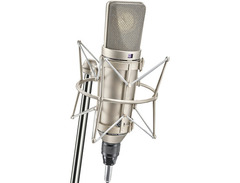
Step into the golden era of music with the Neumann U67, a faithful recreation of the iconic tube condenser microphone that defined the sound of the 1960s. Crafted meticulously in Germany, this reissue delivers the same silky smooth character, exceptional versatility, and stellar performance that made the original a studio workhorse for over a decade.
The U67 comes armed with three selectable polar patterns for maximum flexibility. You can easily capture intimate vocals or distant room mics with a simple turn of a dial. The cardioid setting is perfect for focused recording of single instruments or vocals, while the omnidirectional pattern picks up sound evenly from all directions, making it ideal for ambient room mics.
Neumann has painstakingly recreated the U67 using archived documentation and new-old stock components, matching the original's specifications. A redesigned power supply meets modern safety standards while delivering the same sonic performance. Don't let the vintage style of the U67 fool you; it's a thoroughly modern mic ready for any recording challenge with a maximum SPL of 124dB.
From the nickel-plated brass body to the vintage-style suspension mount, every aspect of this microphone exudes premium quality and attention to detail. The Neumann U67 reissue offers an excellent blend of vintage character and modern performance, making it an enviable addition to any home or project studio.
Key Features:
- A faithful reissue of the iconic Neumann U67 tube condenser microphone
- Three selectable polar patterns: cardioid, omnidirectional, and figure-8
- High SPL handling for recording loud instruments
- Premium components meticulously reproduced to match the original's specifications
- Redesigned power supply that meets modern safety standards
- Nickel-plated brass body with vintage-style suspension mount
- Handcrafted in Germany.
Product specs
| Microphone Type | Tube Condenser |
| Mono/Stereo | Mono |
| Polar Pattern | Cardioid, Figure-8, Omnidirectional |
| Frequency Response | 20Hz-20kHz |
| Max SPL | 114dB SPL (124dB with pad) |
| Output Impedance | 200 ohms |
| Sensitivity | 24 mV/Pa (cardioid) |
| Self Noise | 17dB (A weighted, cardioid) |
| Low Cut Filter | 100Hz |
| Pads | -10dB |
| Tube | EF86 |
| Power Source | External power supply NU 67 V |
| Connector | 7-pin DIN to power supply, XLR out |
| Dimensions | 7.87" x 2.2" |
| Weight | 1.23 lbs. |
| Included Accessories | Shockmount, Multi-pin cable, Carrying Case |
FAQs
-
What are the primary applications for the Neumann U67 microphone?
-
The Neumann U67 is versatile and commonly used for recording vocals, acoustic instruments, piano, and drum overheads due to its warm and detailed sound signature.
-
What polar patterns does the Neumann U67 offer?
-
The Neumann U67 features three selectable polar patterns: cardioid, figure-8, and omnidirectional, making it adaptable for various recording environments and applications.
-
What is the frequency response range of the Neumann U67?
-
The Neumann U67 has a frequency response range of 20Hz to 20kHz, providing a full and balanced sound suitable for capturing a wide array of audio sources.
-
Does the Neumann U67 require an external power source?
-
Yes, the Neumann U67 requires an external power supply, specifically the NU 67 V, to operate its tube circuitry.
-
How does the Neumann U67 handle high sound pressure levels?
-
The Neumann U67 can handle a maximum sound pressure level of 114dB SPL, or 124dB with the -10dB pad engaged, making it suitable for loud sound sources.
Videos

Georg Neumann GmbH
The Neumann U 67 Set (2018)
The Neumann U 67 Set (2018)
Georg Neumann GmbH
Neumann U67 Reissue v.s. Vintage U67 Shootout | Microphone | Vintage King

Vintage King
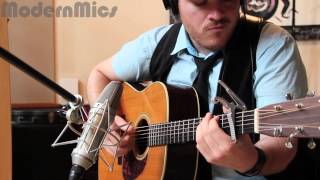
Test 14 Neumann U67 Tube Microphone Acoustic Guitar Noah Needleman

Modern Mics
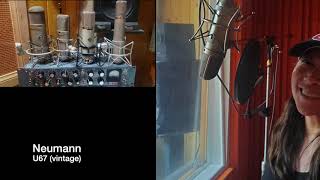
Mic Shootout #2 - Neumann U67, Neumann U47, AKG C12, Telefunken ELA M 251

Orange Room
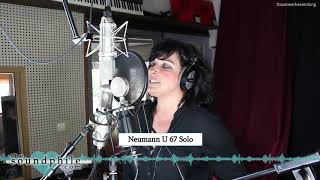
1.000 Euro gegen 6.000 Euro - Röhrenmikrofon Oktava MKL 5000 vs Neumann U67 (Test/Review/Vergleich)

The Soundphile
Slate ML-1 (Blackbird) vs Neumann U67 | The Sierra Sessions

Records On Top
Neumann U67 im Test - The Soundphile (1/3) - Vorstellung
The Soundphile
mic comparison: Neumann U67 reissue vs. U89 on vocals, acoustic guitars and mandolin

Robert Hasleder
Neumann U67 Unboxing & Hands On | Gear Time

TheStonehengeStudio
Neumann U67 im Test - The Soundphile (3/3) - Fazit
The Soundphile
Reviews
PROS
-
Warm, fat sound quality enhances recordings
-
Functions well with any pre-amp
-
Realistic sound reproduction; brings recordings to life
-
Captures body and tonality without sibilance
-
Smooth "round" top end, comfortable for bright boosts
-
Versatile; excellent for vocals, overheads, and instruments
-
Open, 3-dimensional sound for female vocals
-
Iconic, with a rich history in pop music
-
High sound reproduction and quality craftsmanship
-
Smooth and alive sound across various applications
CONS
-
High price point may be prohibitive
-
Some reviews suggest the reissue may need modifications to match the original's character
-
Quality of modern capsules and tubes in reissue considered inferior by some
Owner Insights
We analyzed real musician discussions from forums and Reddit to find what players love, question, and tweak about Neumann U67.
Comparisons
-
The Lewitt LCT 1040 in "Dark Tube" mode shares qualities with the U67, despite being derived from the C12 lineage.
Source -
The Beyerdynamic M160 and Lauten Atlantis are noted for their lush sound quality, overlapping with the U67's sonic territory.
Source -
Mojave mics are recommended for those seeking a sound closer to the U67's bass response, offering a more even tone at potentially lower cost.
Source -
Building a U67 clone is feasible due to availability of parts, unlike U47s where VF14 tubes are rare and expensive.
Source
Use cases and applications
-
The Sennheiser MD441 offers richness and smoothness similar to the U67 despite its different design.
Source
Mods and upgrades
-
The Beesneez BU67-269 includes an internal dip switch for a M269-style broadcast filter, altering its sonic signature.
Source -
"Max Mod 67" alters TLM67 to enhance sound, specifically targeting bass response, but may impact resale value substantially.
Source -
A specific cable modification is rumored to enhance the U67 reissue's sound by restoring bass, but detailed information is scarce.
Source
Critic Reviews
5.0 out of 5
Based on 0 Reviews and 5 Ratings
Artist usage
Add artist
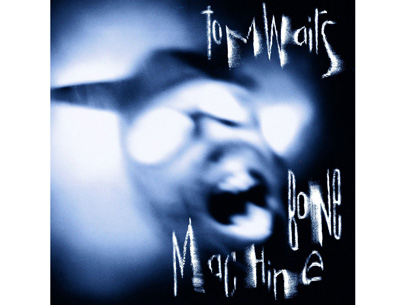
Used for the electric guitar and some vocals on Bone Machine, as stated by engineer Biff Dawes in this February 26, 2015 Mix Online interview.
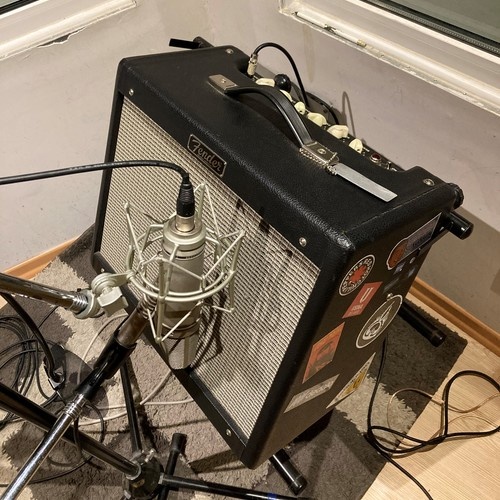
Dawes describes what he recalls about placing those mics in 1992: “Usually I would take Tom’s guitar direct and I would close mike his amp [either a Princeton Tweed or a Fender Deluxe Reverb],” he says. “Sometimes I would tape mics to the guitar, and then we would add in the more distant mics from the room. Prairie Sun has a wide selection, so we used a lot of Neumanns: U 67s, U 87s, M 49s, that kind of thing. (...) Rennick says that Waits used one main vocal mic pretty consistently at Prairie Sun: “He gave every vocal on one Neumann that we still own, an M 49,” Rennick says.
However, Dawes remembers switching things up more: “It depended on the song,” he says. “A ballad, we would have a nice warm condenser, and sometimes the louder pieces we might use a [Sennheiser MD] 421, a dynamic to cut through. There was no standard. On ‘I Don’t Wanna Grow Up,’ it probably would have been something like a 421 close to him, but there also would have been a 67 or something like that, two or three feet away."

Mick Jagger used the Neumann U67 microphone during the recording sessions for "Sympathy for the Devil," as documented in Jean-Luc Godard's film "Sympathy for the Devil (One Plus One)." Additionally, he utilized the same microphone during the recording sessions for the album "Exile on Main Street" in the basement of Keith Richards' villa in southern France, as confirmed by the film "THE ROLLING STONES - SYMPATHY FOR THE DEVIL (ONE PLUS ONE)" by Rock'n'Roll Religion.


"Day 2 of bass… all basses going through this… '67 B-15 and Neumann U67…"

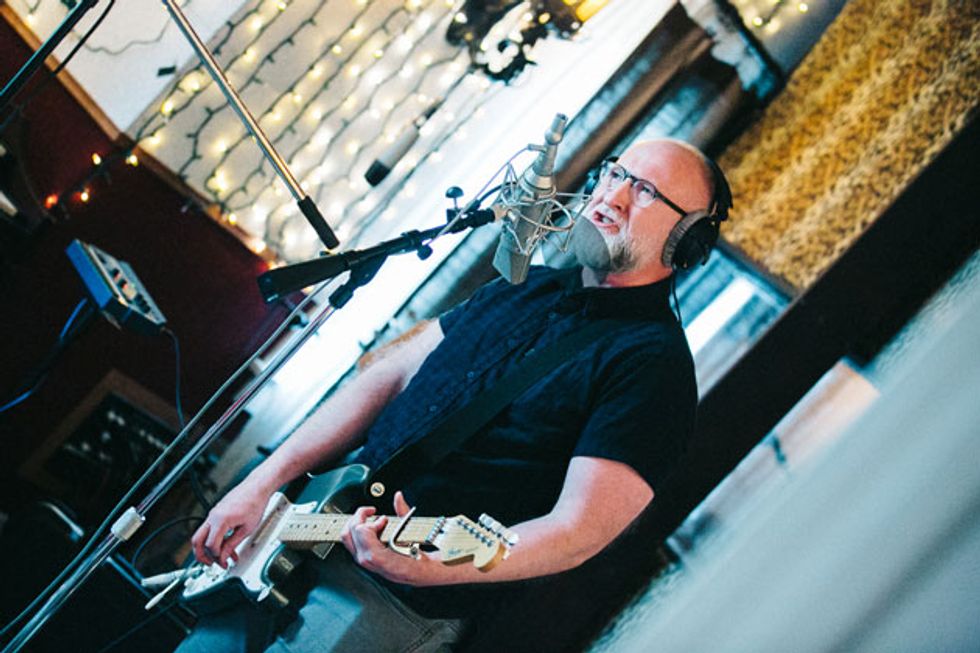
But back to those layers of guitar—can you take us through the song “Hold On?” I used a number of small variations with the amps, and that’s where I really got into the layering. I had three different half-stacks out there—two Blackstars and an old Hiwatt, with each head going to the same cabinet. So I had six different rhythm guitars essentially doing the same thing. I’d get three different tones with each guitar, miked close with a [Neumann] U 67 and a Coles [ribbon mic] about 10 feet out from the cabinet. And then each tone was spread across three tracks, so I had 18 tracks of guitar.


Used for vocals, as mentioned in this article from philsbook.com.
A Neumann U67 was used for the vocal and placed close to the singer's mouth. The guitar was close mic'ed in front of the sound hole using a Neumann KM56.
The mics went through the Sound Techniques desk to an Ampex 4-track half inch tape machine. The desk circuits were transformer coupled, discrete transistor with inductor based eq. The vocal was compressed through a Fairchild 660 limiter. Delay would be added using an Ampex 2 track and reverberation with an EMT plate.

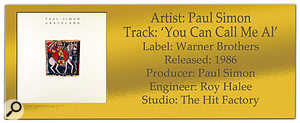
According to this Sound on Sound interview with producer Roy Halee, the U67 was used to record Simon's vocals for Graceland.
"For microphones, we used the usual selection of tube Neumann 49s, 87s and 67s. In fact, Paul's mic always seemed to end up being a tube 67 thanks to how it helps with sibilance, enunciation and all-around fullness. I tried different mics with him through the years, but I always went back to the standard M49 or U67."


Used to record the guitar and vocals on "Suite: Judy Blue Eyes", as stated by engineer Bill Halverson in this August 2010 Sound on Sound interview.
"I went and got a really nice acoustic guitar mic, a tube Neumann U67, and I set it up, got Stephen some headphones so he could hear what he was doing, and after I'd turned the lights out according to his request, he started playing. At this point, having watched Wally Heider record Wes Montgomery and other jazz musicians, and even though I'd done rock & roll with some electric stuff, I was pretty much a purist. So, when the old Martin D28 that Stephen played sounded really dull to me, I started adding top end and using those equalisers that we'd got for Bones Howe, while also putting a limiter on it and taking all the bottom‑end off. I just kept trying to brighten it up and get it a little more present, and once I had it sounding pretty good I thought I'd record a little, let him take a listen, and then see if he liked it and how we could change it. I was really trying to please.
"So, with David and Graham sitting next to me, I started to roll tape on the 16‑track and David signalled this to Stephen by making a circular motion with his hand above his head. Until then, Stephen had just been goofing around on his guitar, but suddenly he zeroed in on the microphone and started flailing away, and the sound was so bright that the compressor was way over‑compressed — instead of bouncing around like compressors do, it just laid down and sat there. There was also no bottom end. However, from my training with Heider I knew that I couldn't stop the take; I had to just let it go and then explain the problem and try to fix it later.
"Sitting there, I was already thinking about the things I could do to fix it, because I had totally overdone the sound, but Stephen was totally into what he was playing, and just when it looked like he was going to stop, he started another section and played some more. By now, my whole life was flashing in front of me, and certain that my career was over, I began to sweat. Meanwhile, Crosby and Nash were standing next to me, dancing — they were having a good time — and it wasn't until seven and a half minutes into the recording that the whole thing ended. Stephen had just played the basic track to 'Suite: Judy Blue Eyes'...
"It still gives me goose bumps when I listen to that recording, aware that he blew through seven‑and‑a‑half minutes with all the time changes, all the pauses, all the everything in just one take,” Halverson says. "No edits, no nothing. Anyway, when Stephen was done and I could hear him taking off his headphones, I figured he was going to come in and just blast me for the horrible recording, so I was ready with my excuses. David and Graham met him at the double doors, and while they were all high‑fiving each other Stephen turned to me and said something to the effect of, 'Oh, that's the sound I've been looking for! I love it!' and I went, 'Thanks.' I was just dumbfounded. For the next 20 years, I didn't tell him it was an incredibly happy accident, and that if I had known what I was doing he wouldn't have got what he wanted.”
"After Stephen had recorded his acoustic guitar part, he, David and Graham were ready to sing, and for that I was ready. We had done all kinds of jingles in the little room at Heider's, from the Anita Kerr singers to Jan and Dean, and so I just took the Neuman U67, opened it all the way around [ie. put it into omni mode], gave them three sets of headphones and went, 'Sing!' Singing into the one mic, they moved around a bit. They didn't need any music; they were rehearsed, they knew the lyrics, and while harmonising with each other they were also in the process of amazing each other."

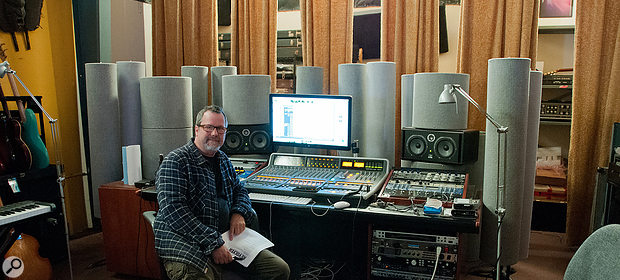
"There’s almost a visual to them. I used the U67 head on a Korby KAT microphone for a mono drum mic, and then I used these JZ Microphones Vintage V11s as stereo room mics. They were really cool.”

Used as an overhead mic for John Mayer's Continuum, as stated by recording engineer Chad Franscoviak in this October 1, 2006 Mix Online interview.
Jordan's assortment of drums — which seemed to be endless, Franscoviak says with a laugh — were miked fairly conventionally: an AKG D 112, an RE20, a 421 or a Beyer M88 on the kick; snares got 57s on top and bottom; M88s on the toms; an AKG 451 on hi-hats; and on overheads, he either used a U67 or U87.
The only trick that Franscoviak used, which he fully admits stealing from Joe Ferla, was putting a Coles 4038 ribbon mic directly over the center of the kit, parallel to the ground and as close in as possible without impeding Jordan's playing. “I generally compressed the snot out of that and I would run it through a Fairchild,” he says. “That's a really interesting trick because you have all of your tight sounds, but you add that 4038 and it makes everything more exciting.”
He also put a U47 about 18 inches off the ground and four to seven feet in front of the kick drum for a very specific sound. “At some point, we were going to hit that low-end waveform just right and it was going to fill that kick drum out,” Franscoviak explains. “I would compress it a lot with an 1176, a lot harder than the overhead, because I wanted that low end to be there for every hit.”


Used for overheads on Icky Thump, as stated by recording and mixing engineer Joe Chiccarelli in this October 2007 Sound on Sound interview.
“The close mic setup for recording the drums was pretty standard: Shure SM57 on the snare, AKG D12 and Neumann U47 on the kick, a pair of ribbon Coles 4038s or Neumann U67s as overheads. I often fed the drums into a reverb chamber, or would overdrive the preamps, or fed them through a guitar amp. The preamps we used for the drums were the 1073 and a Neve BCM10."


Used as a room mic for some of Only by the Night, particularly on "Sex on Fire", as stated by producer Jacques King in this December 2008 Sound on Sound interview.
"The microphones on the drums changed a lot from song to song. On the kick it could be a Beta 52, sometimes it was an RE20, or a [Sennheiser] 421, or a [Neumann] FET 47, or an NS10 [i.e. the driver from a Yamaha NS10 monitor used as a mic], or a combination. It depends on what I was trying to achieve. The mics were usually in front of the kick, or just barely inside. On one song, 'Crawl', I did put a U87 on the batter side of the kick, next to the pedal, which gives a very attack-orientated sound, with a Led Zeppelin-ish quality. On 'Sex On Fire' I used the 52, FET 47 and NS10 on the kick. I had all the kick mics on a Neve BCM10 sidecar and I'd submix them and run them through a GML EQ and then to one track on the tape. I didn't want to keep them separate. It was a matter of get the sound, make the decision, and move on.
"The snare was recorded in similar fashion to the kick. I had the option of various mics that all went through a BCM10 and were submixed, through a GML 580 EQ, then a [Empirical Labs] Distressor, just to give it some control and make sure the snare hit the tape at the right level. On the track sheet a transformerless Shure SM57 is indicated. It was something I read about a couple of years ago, and it's a really good thing. It gives a nicer, more transparent, usable sound that requires less EQ. You lose a bit of level, but typically the things that you record with a 57 are so loud anyway that it doesn't matter. So I asked the people at Blackbird to take the transformer out of one of their 57s and they were gracious enough to do this. After recording I also ran the snare and kick through an Eventide DSP4000 on a Big Muff setting, and recorded that in Pro Tools during the transfer to the computer.
"The toms were recorded with three Josephson E22S mics, which are a modern type, and they're fantastic on the toms. There were a rack of toms plus two floor toms, and I also submixed the tom mics via a BCM10 to a stereo pair, panning the toms as was appropriate for the track. The overheads were recorded with a Telefunken Elam 251 going through a Neve 1081 preamp/EQ, then an Urei 1176, and then to tape. The ride cymbal and the hi-hat were recorded with RCA77 ribbon mics, the ones that David Letterman used to have on his show. When I use a mono overhead, as I did in this case, I like using ribbons, for a good stereo spread between ride and cymbal.
"I had half a dozen mics up for the room sound: a Neumann U67, M49, AKG C12, RCA 44, and/or a Royer SF12 in the echo chamber. I'd leave the door to the echo chamber open so the sound of the drums was happening in there as well, and I'd move the room mics around to get the sound that I wanted for a particular song. I would then bus different combinations to the two room tracks, depending on the song. In the case of 'Sex On Fire' I used a U67 and an RCA 44 for Room 1, and an RCA4 4 and an SF12 for Room 2. Some of these mics went through Neve preamps, some through an old RCA tube mic that Blackbird customised. The combination of room mics was bussed through a Fairchild 670."


Dj Quik in a interview with Billboard talks using the mic to help create Yg's hit "My N*gga" a few years back, "I made it super easy and super loud so anybody could've technically mixed it. And that's what they did. They didn't like the way I blended it, which is cool, so they had somebody else blend it. But before that happened, YG said he had to do the vocals over. So one of the engineers at the studio grabbed my microphone. I have a Neumann 67, which is the hot sh--. All the greats use it. I put in my 67, even went in and was talking to him in the booth like "Nail this sh--" and what not. He nailed it."
Album Usage
The Neumann U67 has been featured on the following albums:

Lioness Lullabies
Alan Gogoll (2025)

Automatic Yes (feat. John Mayer)
John Mayer & Zedd (2024)
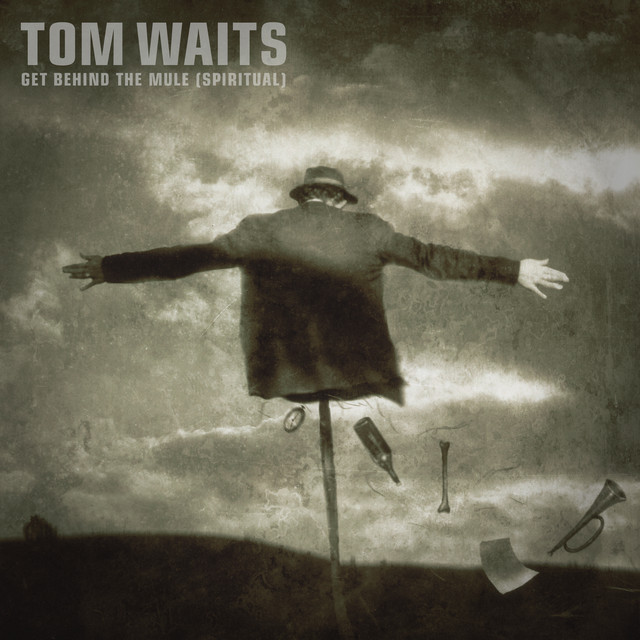
Get Behind The Mule (Spiritual)
Tom Waits (2024)
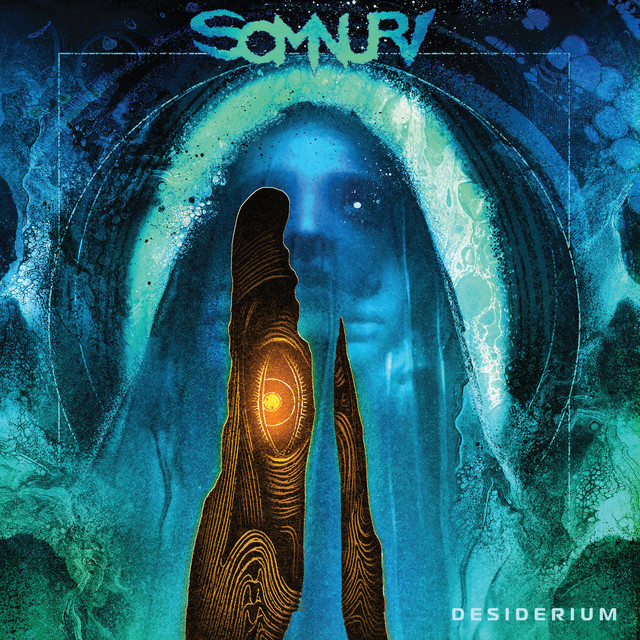
Desiderium
Somnuri (2023)

Hackney Diamonds
The Rolling Stones (2023)

Deceivers
Arch Enemy (2022)
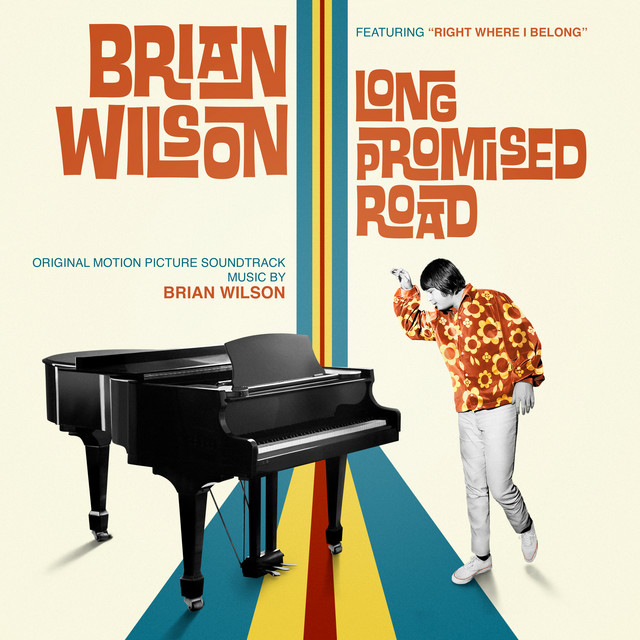
Right Where I Belong (Single from "Brian Wilson: Long Promised Road Soundtrack")
Jim James & Brian Wilson (2021)
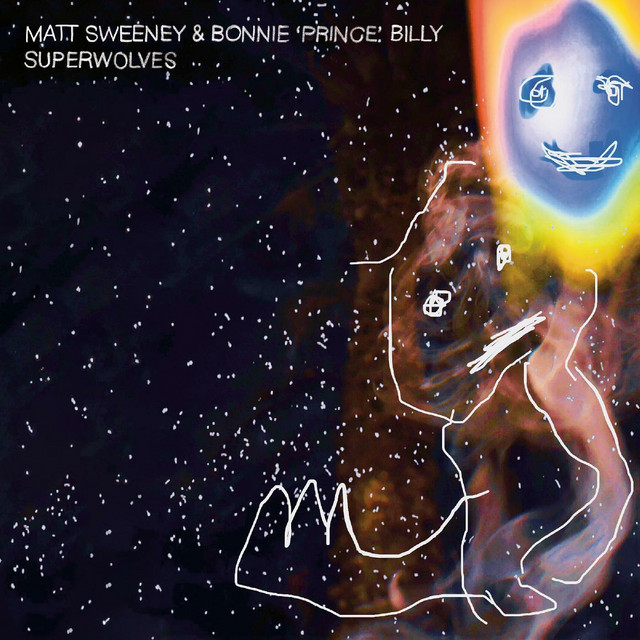
Superwolves
Bonnie 'Prince' Billy & Matt Sweeney (2021)
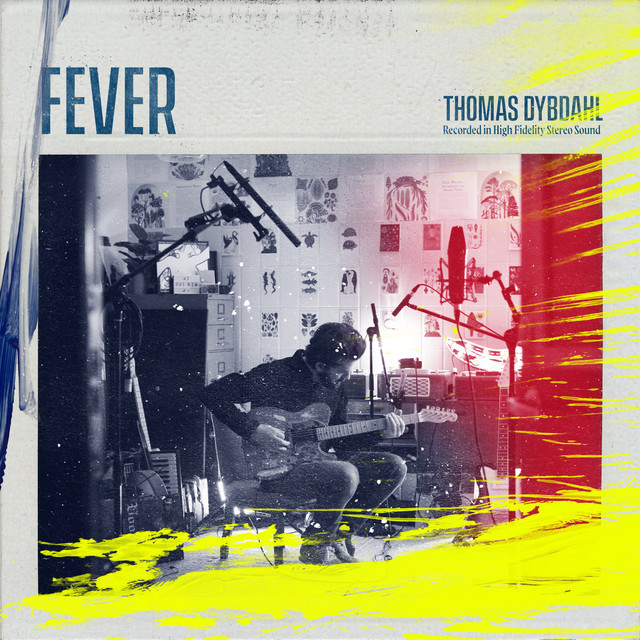
FEVER
Thomas Dybdahl (2020)

Play Wooden Child
Nodding God (2019)

Anthem Of The Peaceful Army
Greta Van Fleet (2018)
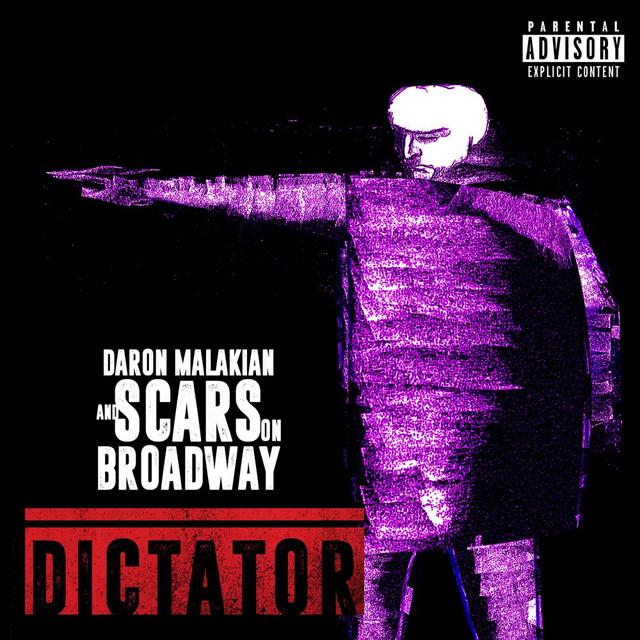
Dictator
Scars on Broadway (2018)
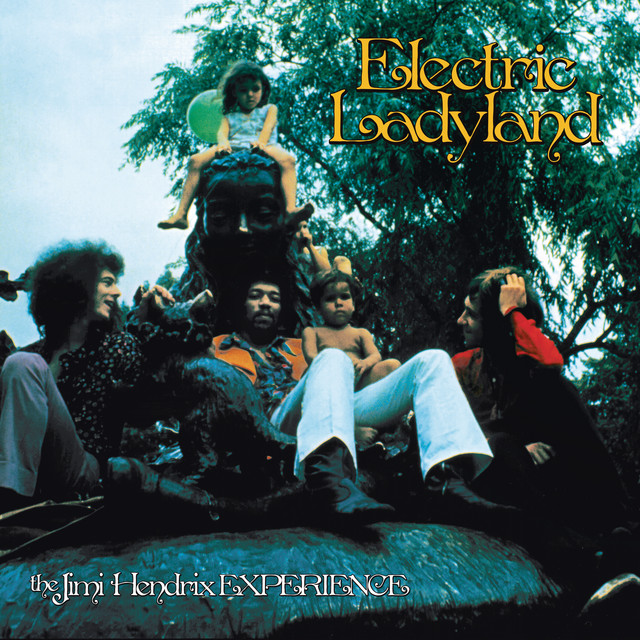
Electric Ladyland - 50th Anniversary Deluxe Edition
Jimi Hendrix (2018)
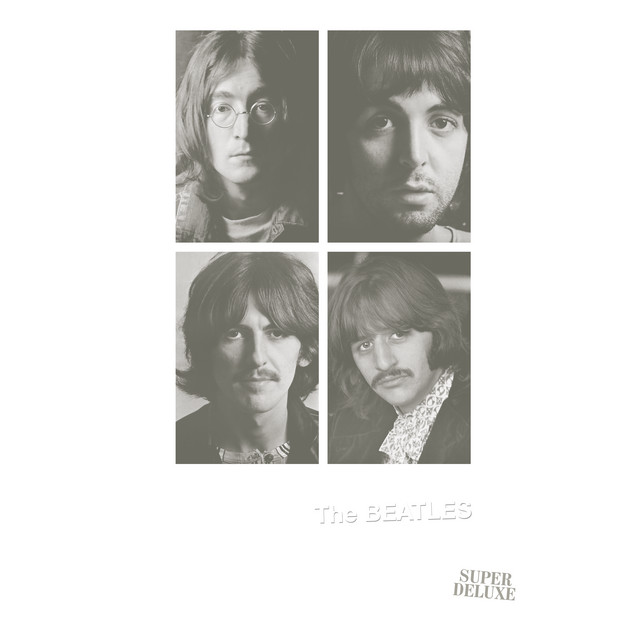
The Beatles
The Beatles (2018)
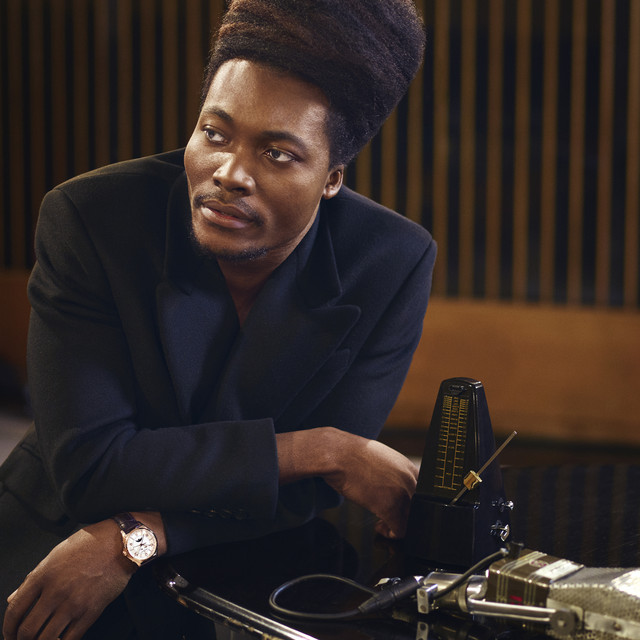
Eternity
Benjamin Clementine (2018)
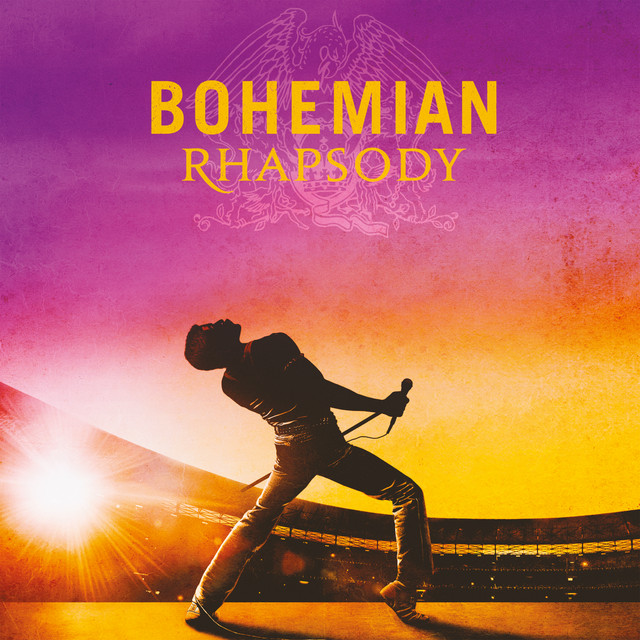
Bohemian Rhapsody (The Original Soundtrack)
Queen (2018)
The Switch
Body/Head (2018)
I Tell A Fly
Benjamin Clementine (2017)

Turn Out the Lights
Julien Baker (2017)

Sobrestar
Jorge Stojan (2017)
Changes
Charles Bradley (2016)

Coconut Rock
Ocote Soul Sounds (2016)
To Pimp A Butterfly
Kendrick Lamar (2015)
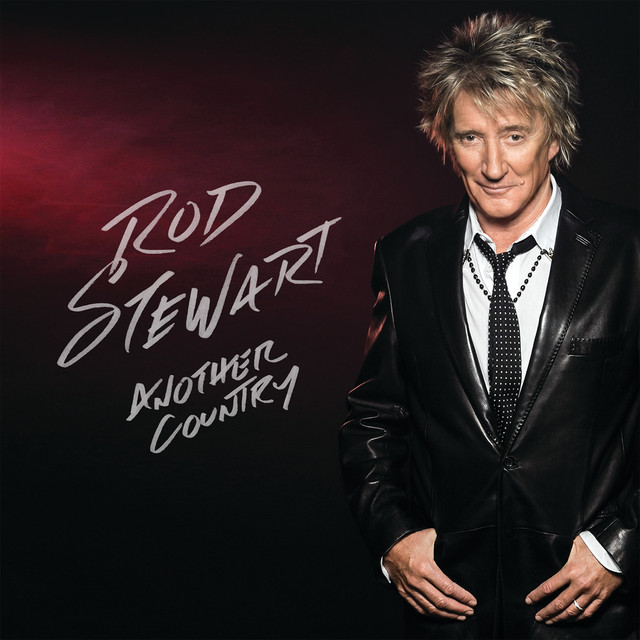
Another Country
Rod Stewart (2015)

The Waterfall
My Morning Jacket (2015)
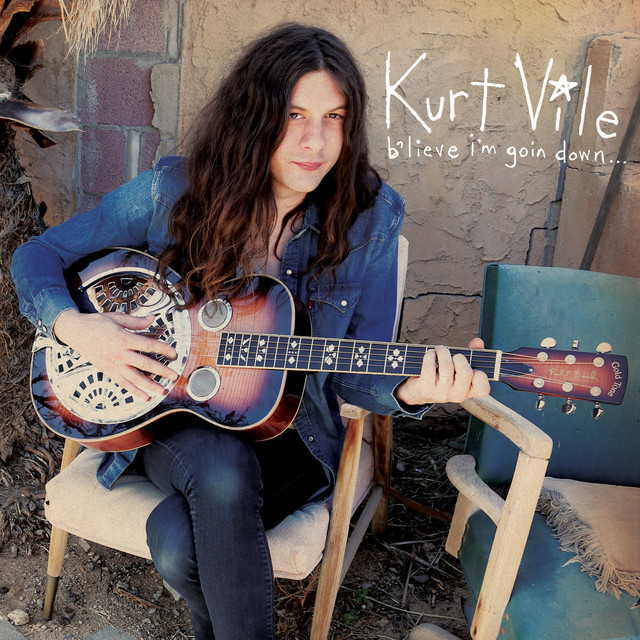
b'lieve i'm goin down...
Kurt Vile (2015)
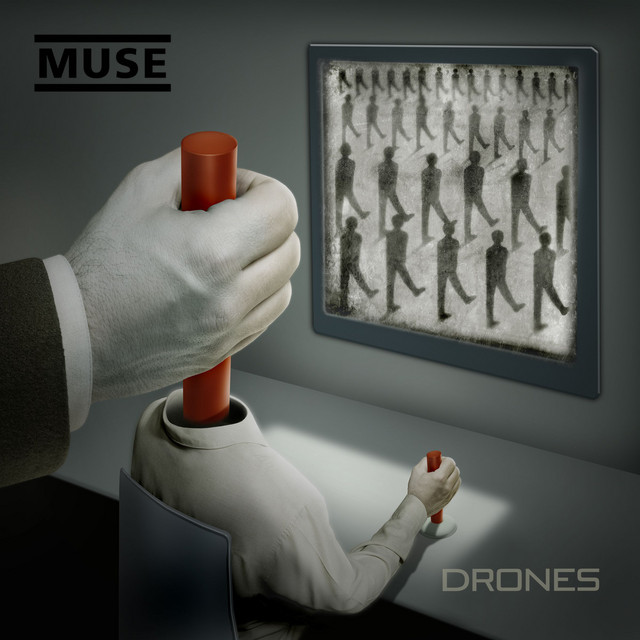
Drones
Muse (2015)
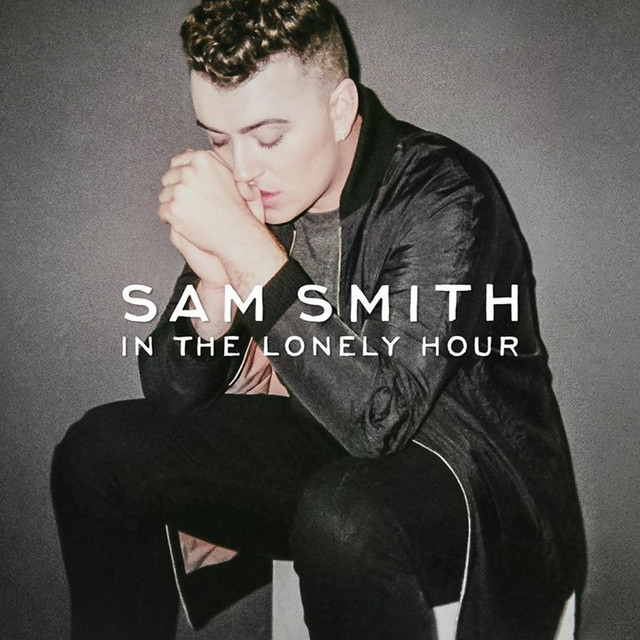
In The Lonely Hour
Sam Smith (2014)
Would You Fight For My Love?
Jack White & Jack White (2014)

Random Access Memories
Daft Punk & Daft Punk (2013)
The 1975
The 1975 (2013)
Blunderbuss
Jack White & Jack White (2012)

I'm Shakin'
Jack White & Jack White (2012)

Helplessness Blues
Fleet Foxes (2011)
The Fall
Norah Jones (2009)
Sex On Fire
Kings of Leon (2009)
Only By The Night
Kings of Leon (2008)

The Reminder (Deluxe Version)
Feist (2008)
Because Of The Times
Kings of Leon (2007)
Venus Doom (Deluxe Version)
HIM (2007)
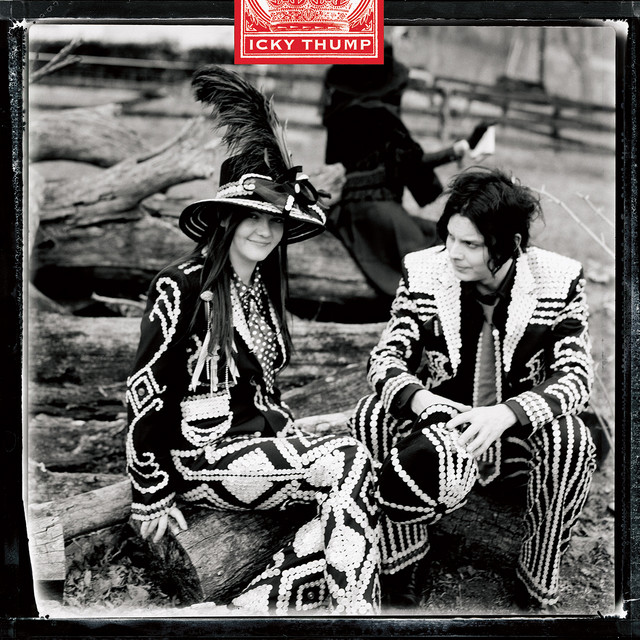
Icky Thump
The White Stripes & Jack White & Jack White (2007)
Mama Tried/ Pride In What I Am
Merle Haggard (2006)
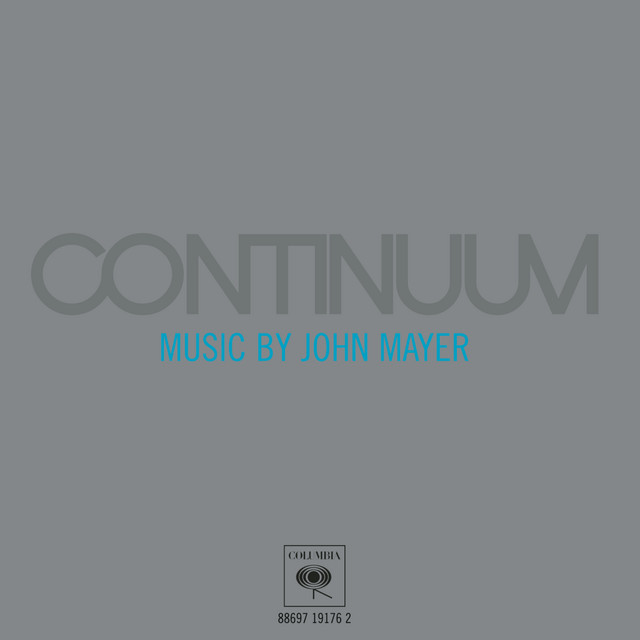
Continuum
John Mayer (2006)
I Bet You Look Good On The Dancefloor
Arctic Monkeys (2005)

Jagged Little Pill (Acoustic)
Alanis Morissette (2005)
Daughters
John Mayer (2004)
A Thousand Kisses Deep
Chris Botti (2003)
Mama's Gun
Erykah Badu (2000)
Two Against Nature
Steely Dan (2000)

Livefields
Toto (1999)
...Baby One More Time (Digital Deluxe Version)
Britney Spears (1999)

The Colour And The Shape
Foo Fighters (1997)

Jagged Little Pill
Alanis Morissette (1995)
None
Meshuggah (1994)
What's Love Got to Do with It?
Tina Turner (1993)
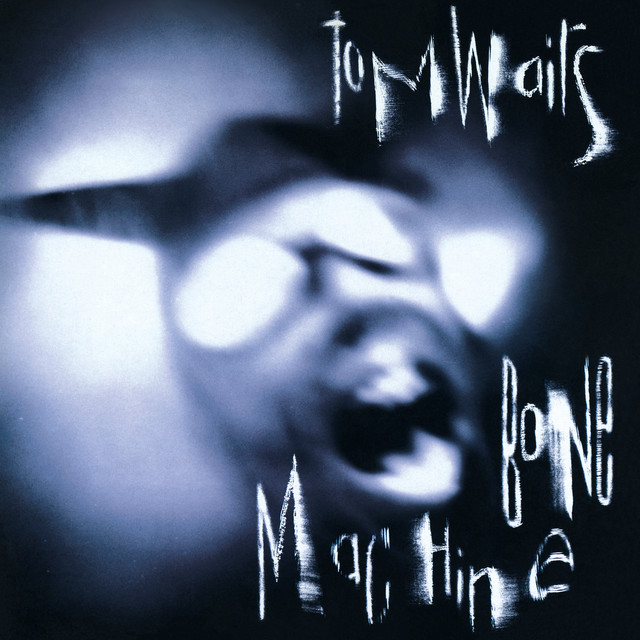
Bone Machine (2023 Remaster)
Tom Waits (1992)

Nevermind
Nirvana (1991)
Prison Bound
Social Distortion (1988)

Graceland
Paul Simon (1986)
Southern Cross / Into the Darkness
Crosby, Stills & Nash (1982)
Thriller
Michael Jackson (1982)
Back In Black
AC/DC (1980)
Ol' Blue Eyes Is Back
Frank Sinatra (1973)
Exile On Main Street (Deluxe Version)
The Rolling Stones (1972)
Let It Be (Remastered)
The Beatles (1970)
Suite: Judy Blue Eyes / Long Time Gone
Crosby, Stills & Nash (1969)
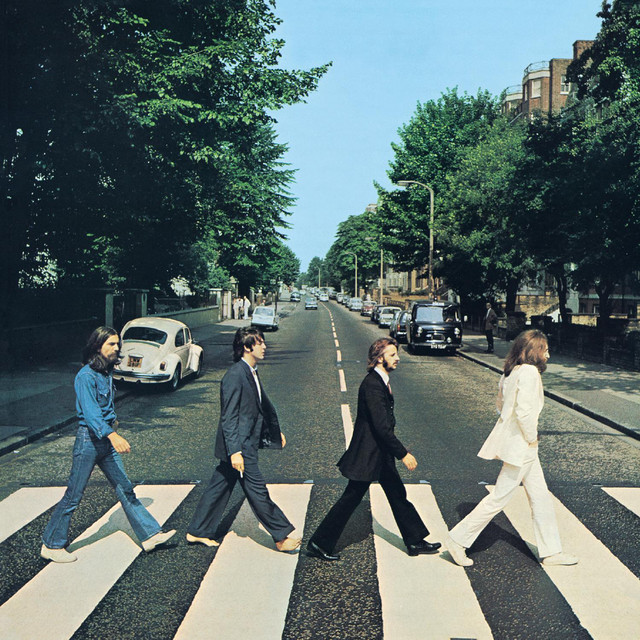
Abbey Road (Remastered)
The Beatles (1969)
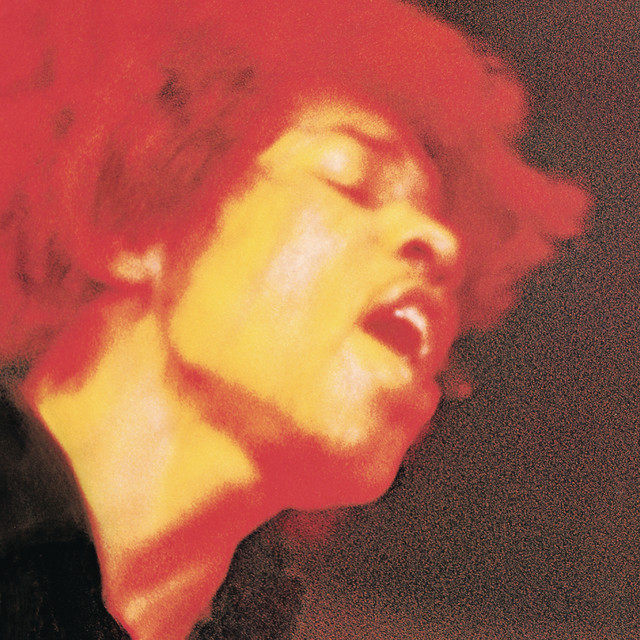
Electric Ladyland
Jimi Hendrix (1968)
Genre Usage
Based on how artists on Equipboard use this gear, it is most commonly found in the following genres.
Used With
Based on how musicians on Equipboard use Neumann U67, it is most commonly used with the following gear.

-s.webp?v=1783346562)


-s.webp?v=1783335727)

Community setups
Show yours
More Neumann Condenser Microphones

$519.00 - $799.00
in Condenser Microphones Rank


$899.00 - $1,295.00
in Condenser Microphones Rank


-m.webp?v=1783346562)
$2,349.00 - $3,995.00
in Condenser Microphones Rank


$508.80 - $849.00
in Condenser Microphones Rank


$2,782.69 - $3,995.00
in Condenser Microphones Rank


$1,456.37 - $1,995.00
in Condenser Microphones Rank


$748.89 - $899.00
in Condenser Microphones Rank


$3,463.04 - $4,395.00
in Condenser Microphones Rank

-m.webp?v=1783346539)
$4,999.00 - $5,995.00
in Condenser Microphones Rank


$1,281.75 - $1,750.00
in Condenser Microphones Rank


$1,749.99
in Condenser Microphones Rank


$533.45 - $849.00
in Condenser Microphones Rank


$1,439.00 - $1,695.00
in Condenser Microphones Rank


$714.56 - $849.00
in Condenser Microphones Rank


$16,111.00
in Condenser Microphones Rank

$1,173.60 - $1,595.00


$1,975.00 - $3,500.00


$3,666.00 - $4,395.00


-m.webp?v=1783339816)
$1,975.00 - $3,500.00


$2,349.00 - $3,995.00


$8,100.00 - $9,995.00


$989.00 - $1,266.00


$3,421.95 - $3,995.00


.png?v=1783256553)


$554.06 - $699.00


Accessories & Related Items

-s.webp?v=1783346701)


Similar


Gear Guides







Most Popular Condenser Microphones
Most Popular Brands
-
Added to Equipboard on by
 equipboard
Gear IQ 4934
-


