


Pricing and availability
We compare 600+ stores and found this item at 1 store. Prices updated .
Store
Reviews
Price




Average Price: $16,111
High-end/Boutique
$100
$401+
Price Tier
Budget
Standard
High-end
* Product prices and availability are updated by Equipboard every 24hrs and are subject to change. Equipboard may receive compensation for purchases made at participating retailers linked on this site. This compensation does not affect what products or prices are displayed, or the order of prices listed. For more information, please refer to our affiliate disclosure.
Description
Discover the legendary Neumann U47, a game-changer in the world of tube microphones. Introduced in 1947, this transcendent microphone has not only stood the test of time but has constantly been seen as a benchmark in recording studios worldwide. Its groundbreaking design set a new standard in fidelity, surpassing the performance of the earlier "bottle" microphones. But it's not just the technical prowess that sets the Neumann U47 apart. This microphone is renowned for its captivating, larger-than-life tone that sends a shiver down the spine of both professional engineers and casual listeners. With the U47, your recordings will never be the same.
Key Features:
- Revolutionary tube microphone design
- Superior fidelity over earlier "bottle" microphones
- Switchable polar patterns without needing to change capsules
- Produces a larger-than-life tone
- Lauded by professional engineers and casual listeners alike
Product specs
| Brand | Neumann |
| Model | U 47 |
| Finish | Nickel |
| Year | 1950s |
| Made In | Germany |
| Categories | Microphones |
| Electronics | Analog, Tube |
| Microphone Type | Large-Diaphragm Condenser |
| Polar Pattern | Multipattern |
| Wired/Wireless | Wired |
FAQs
-
What is the primary application of the Neumann U47 microphone?
-
The Neumann U47 is widely regarded as a classic vocal microphone, known for its warm and rich sound. It is also highly effective for recording acoustic instruments, making it a versatile choice for studio applications.
-
Does the Neumann U47 require phantom power to operate?
-
The original Neumann U47 is a tube microphone and does not require phantom power. Instead, it uses an external power supply to operate its tube circuitry.
-
What polar pattern options does the Neumann U47 offer?
-
The Neumann U47 features a multipattern design, allowing users to switch between cardioid and omnidirectional polar patterns for versatile recording applications.
-
How does the Neumann U47's tube circuitry affect its sound?
-
The tube circuitry in the Neumann U47 contributes to its warm, smooth, and full-bodied sound, which has made it a favored choice for vocal recordings and a staple in professional studios.
-
Is the Neumann U47 suitable for modern recording studios?
-
Yes, the Neumann U47 remains a highly sought-after microphone for modern studios due to its legendary sound quality and versatility, particularly in capturing vocals and acoustic instruments.
Videos

Sweetwater
Vintage Neumann U47 vs. New Telefunken U47 Mic Comparison

Vintage Neumann U47 vs. New Telefunken U47 Mic Comparison
Sweetwater
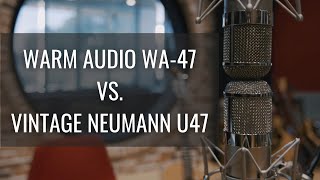
Warm Audio WA-47 vs. Vintage Neumann U47 MIC SHOOTOUT

RV_ Music
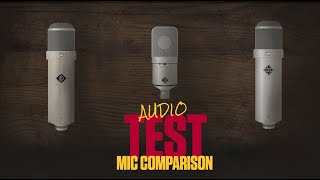
Mic Comparison Audio Test | Telefunken U47 | Neumann U47 | Neumann M149

Carlos Rodgarman
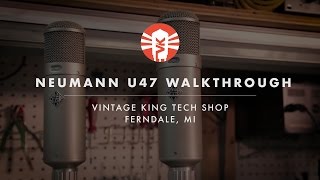
A Look At A Historic Pair Of Neumann U47 Microphones From Vintage King

Vintage King
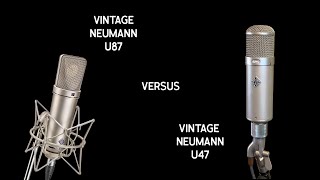
Vintage Neumann U47 vs Vintage Neumann U87

ProfessorDan
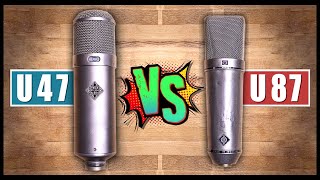
Neumann U47 vs U87

Christian Svedin

Unboxing Telefunken U47 and Neumann U47
Carlos Rodgarman
Reviews
PROS
-
Unmatched, legendary sound quality
-
Superior to modern clones and replicas
-
Captures vocals with warmth and detail
-
Favored by iconic musicians across generations
CONS
Owner Insights
We analyzed real musician discussions from forums and Reddit to find what players love, question, and tweak about Neumann U47.
Comparisons
-
Vintage U47s and clones vary significantly, each offering a unique sound profile, leading to subjective preference based on taste rather than inherent superiority.
Source -
The U47fet is described as warmer and richer than the U87, with users noting its underrated performance on vocals despite its reputation as a kick/bass mic.
Source -
Some users prefer the brighter, mid-forward tonality of Neumann's U67/U87 for most vocalists, contrasting with the darker vocal sound of the U47fet.
Source
Use cases and applications
-
The U47 excels at naturally fitting into mixes without extensive EQ or compression adjustments, a challenge for many clone microphones.
Source -
The U47's versatility is demonstrated in a diverse recording setup, capturing double bass, vocals, jazz drums, and piano with consistent quality.
Source -
It's observed that the U47fet can soften "s" sounds in vocals, which may be beneficial in some recording contexts but could also be perceived as mushy.
Source
Setup and maintenance
-
Testing involved placing mics close together to avoid performance variation, acknowledging potential sound coloration due to reflections.
Source
User experience
-
Handling vintage U47s, valued between $20k-$30k, alongside clones highlights the risk and responsibility of working with high-value gear.
Source
Features and functionality
-
The U47fet is noted for its handling of low-end sources like piano and bass, making it suitable for applications requiring robust low-frequency capture.
Source
5.0 out of 5
Based on 1 Review and 8 Ratings

Artist usage
Add artist
The gear they used included an Apple Mac G5 running Digidesign Pro Tools; a bevy of period keyboards including an ARP Solina, Korg MS20, Sequential Circuits Prophet 5, Wurlitzer, Memorymoog, Moog Source and Minimoog; a classic Roland TR-808 drum machine; and some modern synths such as an Elektron Monomachine and a Manikin Memotron. They patched and mixed everything through a 24-channel Trident Series 65 console, and also employed a '70s-era Rogers drum set, various MoogerFooger processors and three Neumann U47 mics.
.jpg?v=1783110491)
Used for lead vocals on Raising Sand, as stated by engineer Mike Piersante in this December 1, 2007 Mix Online interview.
As for the all-important vocal mics, Piersante says, “I actually bought a mic, as I'll sometimes do, just for this project. I had Allison singing through a Blue Cactus, which is sort of their retro mic that's like an old [Neumann] M49 or something. Blue got it right with this — it has a real thick quality to it and it's not too bright. Alison can be a fairly bright singer and I wanted something to complement that and not accentuate it. So I chose this mic to try on her and it ended up sounding very good; very old tube-sounding. I probably had her through an LA2, as well. Robert sang on one of T Bone's [Neumann] U47s, and I probably had an LA2 or LA3 limiter on him.


Used on the vocals for "You Gotta Move", "Wild Horses" and "Brown Sugar", as stated by mix engineer Jimmy Johnson in this September 21, 2018 ProSoundWeb interview.
On the piano I was using only one mic, not two, so I had to move it around to find the hot spot. I’m going to have to think on that one. I think it was a U47, that was the other one, because three was all we had. And we used them all on every session. Jagger sang on a U47.
So the U47 on Jagger, that was a live vocal track? Or was it overdubbed?
I don’t think so, not unless he had to fix something in London. The only overdub I remember was the percussion that he did. He had mono earphones of course, and they were hearing what the board was hearing, they couldn’t get a separate mix.


In an August 2020 article with "Sound On Sound" Gaga's mix Engineers Benjamin Rice and Tom Norris Confirm her vocal chain used consistently in her music: "I have been using the same chain on LG for years, which starts with her personal, vintage Neumann U47. The desirability is based primarily on the synergy of the microphones three sound-shaping components: capsule, tube, transformer. The condenser microphone capable of transporting both female and male vocal pitch, silently over low noise controlled voltage, was used by Frank Sinatra, who owned his own U 47. Ella Fitzgerald, Louis Armstrong, Bing Crosby, Tony Bennett and the Beatles also used the German made microphone to broadcast"
.jpeg?v=1783111363)
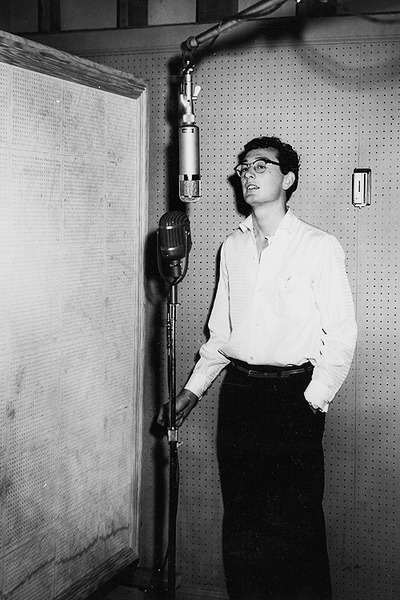


In this Tape Notes podcast, Wayne Sermon mentions the use of the Neumann U47.


Used on "Did My Time", as stated by Davis in this transcribed March 2005 interview.
KORN
"I Did My Time"
Producer: Jonathan Davis of Korn
Engineer: Frank Filipetti
"It's about clarity," says Korn frontman/producer Jonathan Davis, "especially with my stuff cause there's so much low-end and sh-t going on. A lot of mixes can come out not really that clear, and that's one of the reasons I love Frank, because he records great vocals. So any vocals that I do or produce, it has to be about clarity. I have a couple mics that I really like to use; the Sanken is one of my main ones. It's all about not f--kin' with it - just a little bit of compression, that's it."
Signal Path: Tracking
"I was out on the road at the time writing the lyrics," says Jonathan. "I sang a verse in New Orleans and shipped it off to Frank on Pro Tools, so actually we used two different mics when I recorded that. The first was a [Neumann] U 47 with my chain, my preamp [Tube-Tech MP 1A], and the stuff I did at the house [ElemenTree Studios] with Frank was a different process. We used the Sanken [CMU-44]. But with Frank, he totally knows. I listen to it and I really don't have to say anything, 'cause Frank knows me."
"The vocal signal path I used for Jonathan is a Sanken CMU-44, into a TUBE-TECH MP-1A mic pre," adds Filipetti. "From there it went to a Neve 1073, then into the [Universal Audio] 1176, and from there to a GML EQ. Then I brought it into the tape monitor on the SSL 6000, then to the Euphonix R-1. We also used the DBX 160SL on the return on playback to vary the levels slightly, but we didn't record with it. That was part of the chain as well. It's about 85% of what we came up with on the last record with some slight modifications. It's a different console to begin with and a different microphone. The mic we used the last time was an M 49. We chose the Sanken because it just has the best overall combination of lows and highs.
"Jonathan has a very powerful voice," he continues, "especially when he starts to get into it. Some mics pick up the low level detail very well and some mics can hold themselves with screaming really well, but this seemed to have a good combination of both. We were able to get a nice quality between Jonathan singing softly and Jonathan screaming out full-bore. After comparing a lot of other mics, we ended up with the Sanken. In fact the top two mics were the Sanken and the [Audio-Technica] AT4060."
As for the other key components in the chain, Filipetti explains: "The Tube-Tech provides the presence. It has more presence than any other mic pre that I've used and it has an incredible midrange. The 1073 was there just to add a little bit of that Neve crunch - we ran it pretty hot. And I also used a tiny bit of the low frequency and the high frequency EQ. Then I went to the 1176; after trying out a bunch of compressors on Jonathan's voice, the 1176 worked out best. It just seemed to hit him properly. We used that real high-end stuff on the GML, which added that over-end air, which it does incredibly well, and then brought it into the console. On some tracks at the end of the chain we added a DBX 160SL. On a couple tracks that just added a punch that worked out really nicely."
Vocal Philosophy
"My objective with Jonathan is what it is with everybody," says Filipetti. "Basically, the song lives and dies with the vocal. I tend to gravitate toward and work with singers who have real personality. I'm not looking for dancers who are singers. My approach is to make sure that all of that personality comes out; I don't want anything to get lost. I'm looking for all the little quirks and the harmonic things in their voice that make them special, and I look to bring that out. Sometimes it's a matter of just putting the proper mic in front of them. Sometimes it's a matter of adding more things in the chain, but basically, like I do with everyone, I always listen in the room to the singer and then try to capture as much of that as I can through the vocal chain."

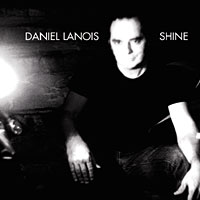
This article, describing Lanois' studio setup. "For microphones, he’s fairly set in his ways: He says he hasn’t seen any improvement in the technology over the years. He listed these time-tested models as favorites: Sony C37A, Neumann U47 and U48, RCA 77 and 44 ribbons, and the more modern Sony 800-T. He also likes dynamic mics such as the Shure Beta 57 and 58, and the Sennheiser 409 and 421"

Used on the bass drum for John Mayer's Continuum, as stated by recording engineer Chad Franscoviak in this October 1, 2006 Mix Online interview.
Jordan's assortment of drums — which seemed to be endless, Franscoviak says with a laugh — were miked fairly conventionally: an AKG D 112, an RE20, a 421 or a Beyer M88 on the kick; snares got 57s on top and bottom; M88s on the toms; an AKG 451 on hi-hats; and on overheads, he either used a U67 or U87.
The only trick that Franscoviak used, which he fully admits stealing from Joe Ferla, was putting a Coles 4038 ribbon mic directly over the center of the kit, parallel to the ground and as close in as possible without impeding Jordan's playing. “I generally compressed the snot out of that and I would run it through a Fairchild,” he says. “That's a really interesting trick because you have all of your tight sounds, but you add that 4038 and it makes everything more exciting.”
He also put a U47 about 18 inches off the ground and four to seven feet in front of the kick drum for a very specific sound. “At some point, we were going to hit that low-end waveform just right and it was going to fill that kick drum out,” Franscoviak explains. “I would compress it a lot with an 1176, a lot harder than the overhead, because I wanted that low end to be there for every hit.”


Used for the bass drum on Icky Thump, as stated by recording and mixing engineer Joe Chiccarelli in this October 2007 Sound on Sound interview.
“The close mic setup for recording the drums was pretty standard: Shure SM57 on the snare, AKG D12 and Neumann U47 on the kick, a pair of ribbon Coles 4038s or Neumann U67s as overheads. I often fed the drums into a reverb chamber, or would overdrive the preamps, or fed them through a guitar amp. The preamps we used for the drums were the 1073 and a Neve BCM10."
This is restated by Chiccarelli in this October 1, 2007 Mix Online interview, which adds that the microphone was also used for the snare as an overhead.
As far as miking Meg White's kit, Chiccarelli kept things straight ahead: An AKG D-12 on the kick and a U47 as an overhead run through a Fairchild compressor. It was rare that he miked the snare, but when he did it was a U47 through a Fairchild. When she used a bigger kit, Chiccarelli put a 57 on the snare top and a Sennheiser 441 on the bottom. The toms were not miked, but he used an assortment of mics as overheads and in the room. “I set up a lot of different room mics, maybe eight,” Chiccarelli explains. “Depending on the song, I could go smaller, tighter and punchier, or wide and open. Sometimes, I would use old funky cheap mics as room mics and distort them. Other times, it was a pair of Coles, maybe combined with a pair of 87s far up in the room. We did things with drums like pumping them through the reverb chamber or pumping them through guitar amps.”


The microphone that was used most often to record Amy Winehouse was the U47.


"[Producer Rudy] Van Gelder was one of the first Americans, let alone engineers, to acquire the German Neumann U-47 condenser microphone when it became available in 1949. Van Gelder sought to bring a more intimate sound to small jazz groups. This required placing a microphone closer to the instrument in order to capture the subtleties that traditional recording techniques missed. When Van Gelder initially used the U-47 microphone, he found the sound was easily distorted and unusable. However, a friend of Van Gelder’s, Rein Narma, was able to reconfigure the circuitry of the U-47, making it ideal for close range recording. The result was a detailed, warm sound that many would imitate but few would master. The difference in sound is quite clear when comparing albums Davis recorded with and without Van Gelder.
"Half Nelson" from Davis’ “Miles Davis All Stars” was recorded in 1947 at Harry Smith Studios in New York City. Davis’ talent is undeniable, his vocabulary is progressive, his temperament is wholly his own but—he sounds far away. Davis’ voice exists in the mid range of the mix, and is overshadowed by the shimmer of Max Roach’s ride cymbal and the high end of John Lewis’ piano overtones.
The sound heard on "Solar" from Davis’ album “Walkin’,” recorded in 1955 with Van Gelder, is markedly different: his voice is at the front of the mix, his subtle inflections are captured perfectly. The once intangible details of his playing style are captured, thanks in no small part to a modified U-47 and of course, Van Gelder’s mastery."
Album Usage
The Neumann U47 has been featured on the following albums:

A Catalogue of Jazz: Miles Davis
Miles Davis (2026)
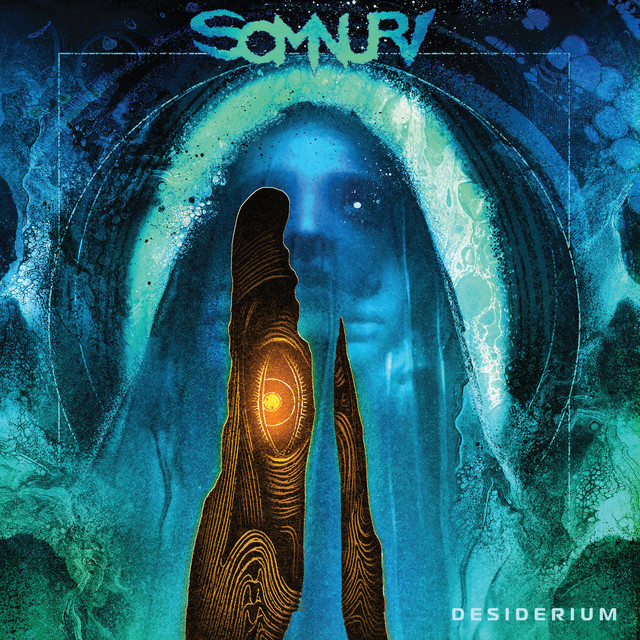
Desiderium
Somnuri (2023)
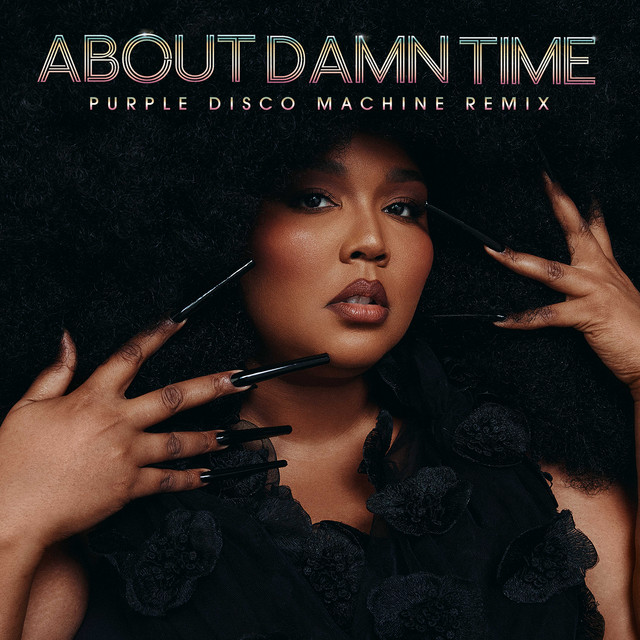
About Damn Time (Purple Disco Machine Remix)
Purple Disco Machine & Lizzo (2022)
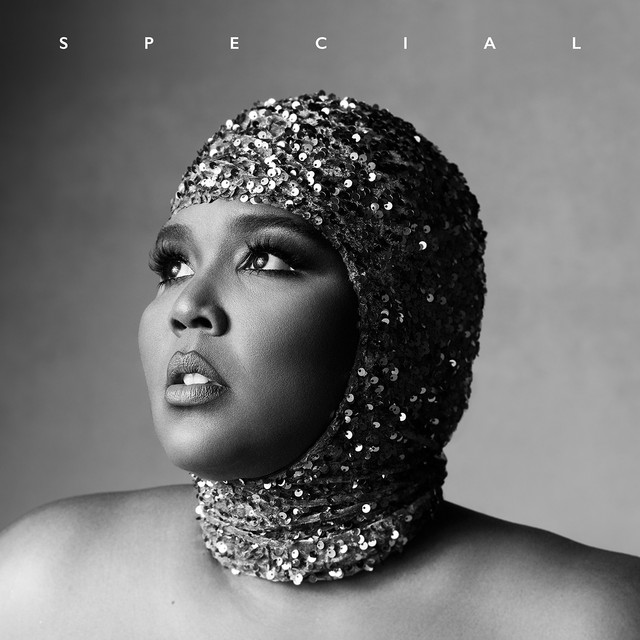
Special
Lizzo (2022)
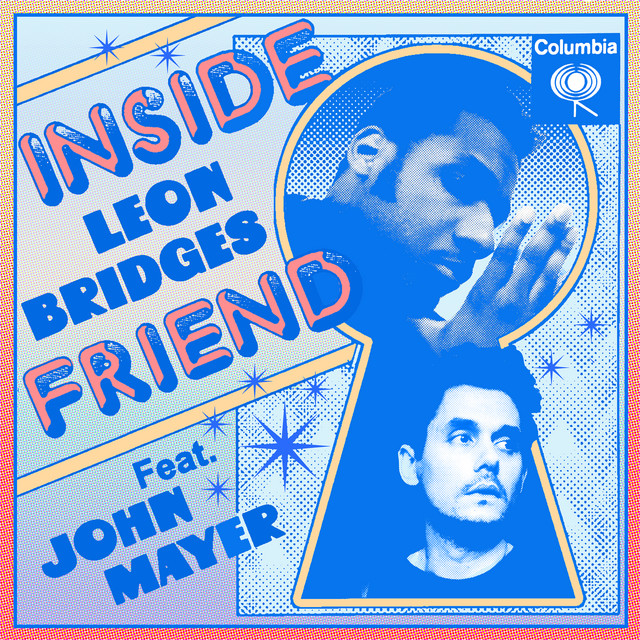
Inside Friend (feat. John Mayer)
John Mayer & Leon Bridges (2020)
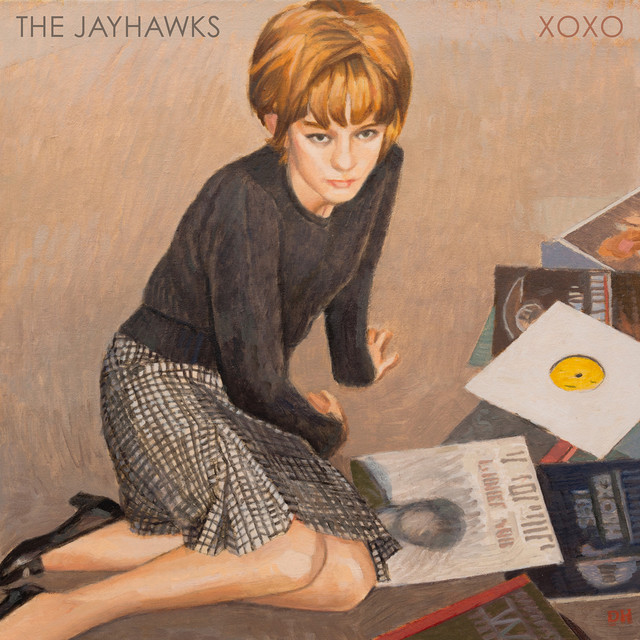
Xoxo
Jayhawks (2020)

Wonderbloom
Becca Stevens (2020)

Changes
Justin Bieber (2020)
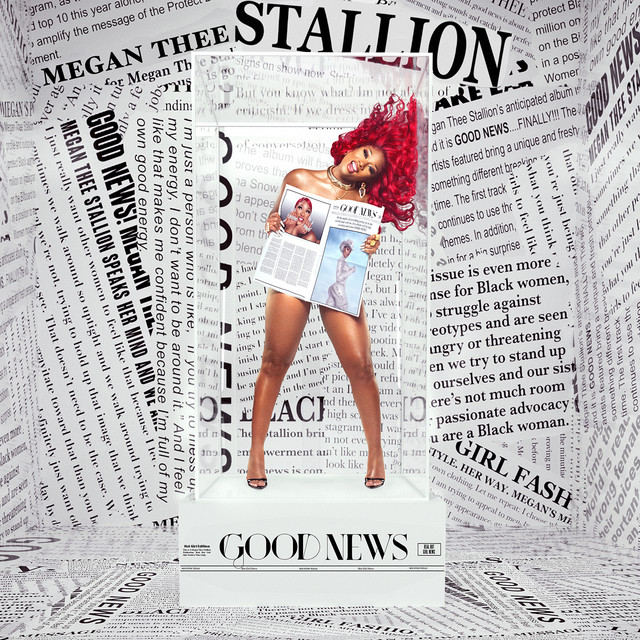
Good News
Megan Thee Stallion (2020)
The Beatles
The Beatles (2018)
Dos en Uno
Steve Jordan (2017)
Lighthouse
David Crosby (2016)
Montage Of Heck: The Home Recordings
Kurt Cobain (2015)
Brown Sugar
The Rolling Stones (2015)
Bitch (Extended Version)
The Rolling Stones (2015)
Wild Horses (Acoustic Version)
The Rolling Stones (2015)
Another Country
Rod Stewart (2015)
Traveller
Chris Stapleton (2015)

Spotify Sessions
Adam Lambert (2015)
Matador
Gaz Coombes (2015)

Popular Problems
Leonard Cohen (2014)
40 Acres and a Mule
Superwolf (2013)
Volume 3
She & Him (2013)
Gold Cobra
Limp Bizkit (2011)
Christmas
Michael Bublé (2011)
Duets II
Tony Bennett (2011)
Special Delivery
Michael Bublé (2010)
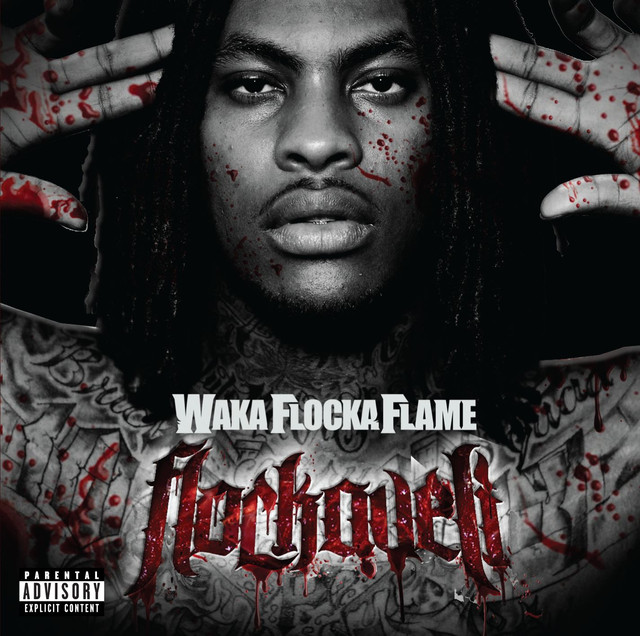
Flockaveli
Waka Flocka Flame (2010)
Sex On Fire
Kings of Leon (2009)
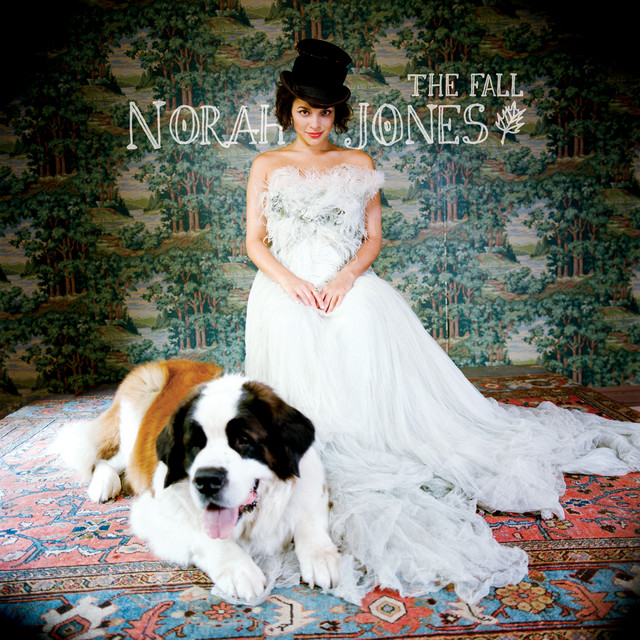
The Fall
Norah Jones (2009)
Only By The Night
Kings of Leon (2008)
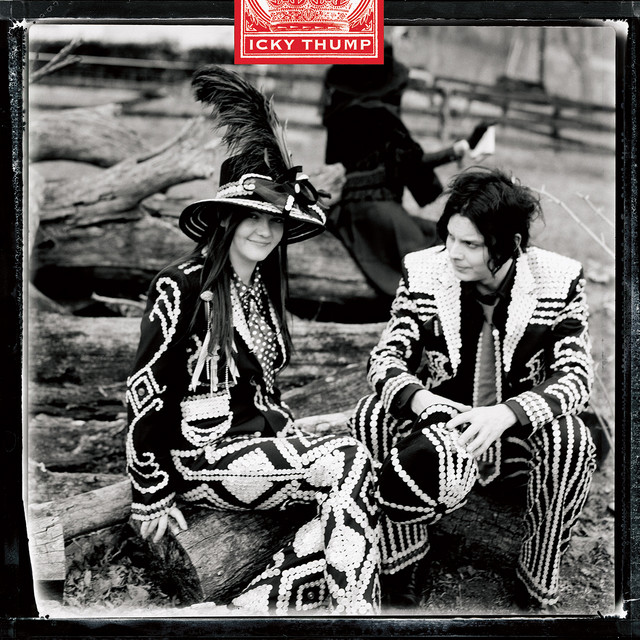
Icky Thump
The White Stripes & Jack White & Jack White (2007)

Raising Sand
Robert Plant & Alison Krauss (2007)
Continuum
John Mayer (2006)
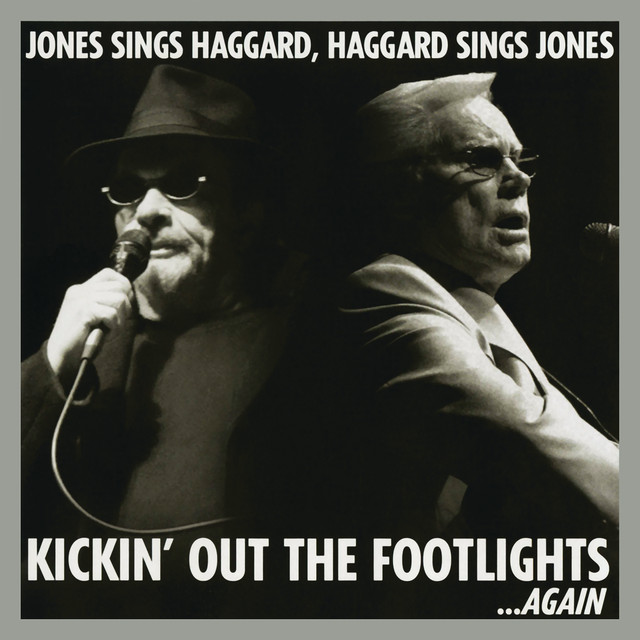
Kickin' Out The Footlights... Again: Jones Sings Haggard, Haggard Sings Jones
Merle Haggard & George Jones (2006)

Ganging up on the Sun
Guster (2006)
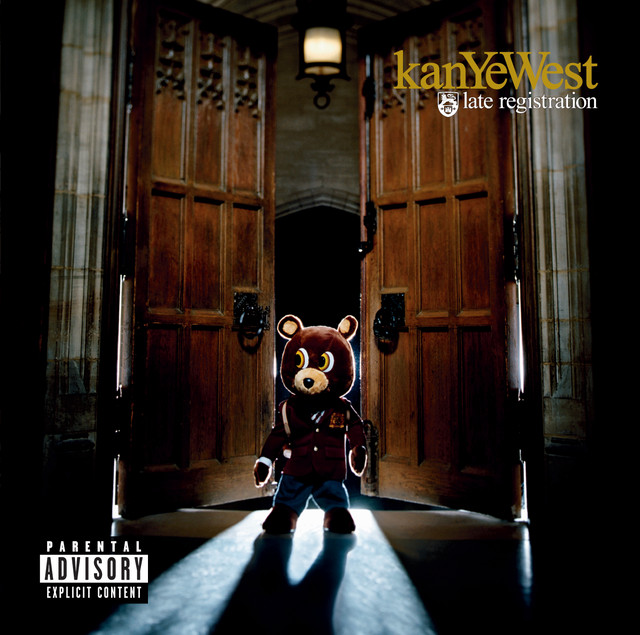
Late Registration
Kanye West (2005)
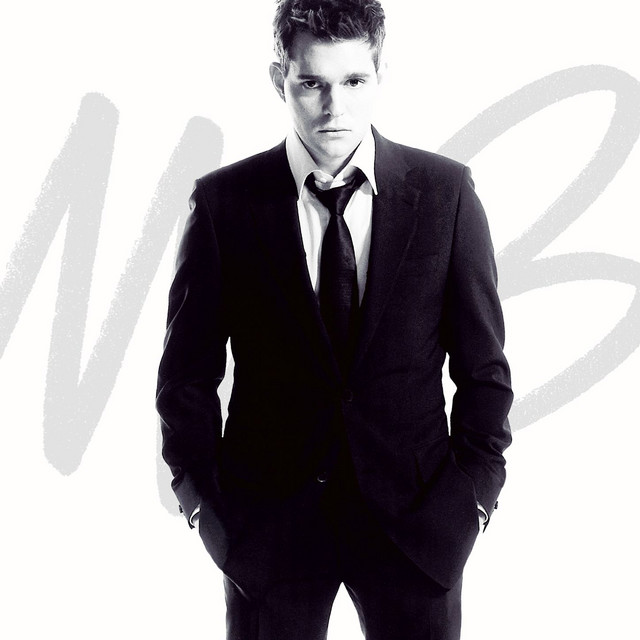
It's Time
Michael Bublé (2005)

Jagged Little Pill (Acoustic)
Alanis Morissette (2005)
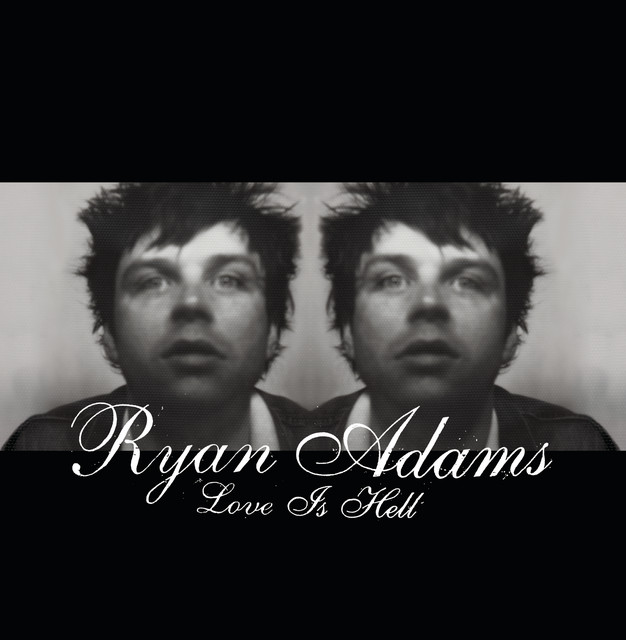
Love Is Hell
Ryan Adams (2004)
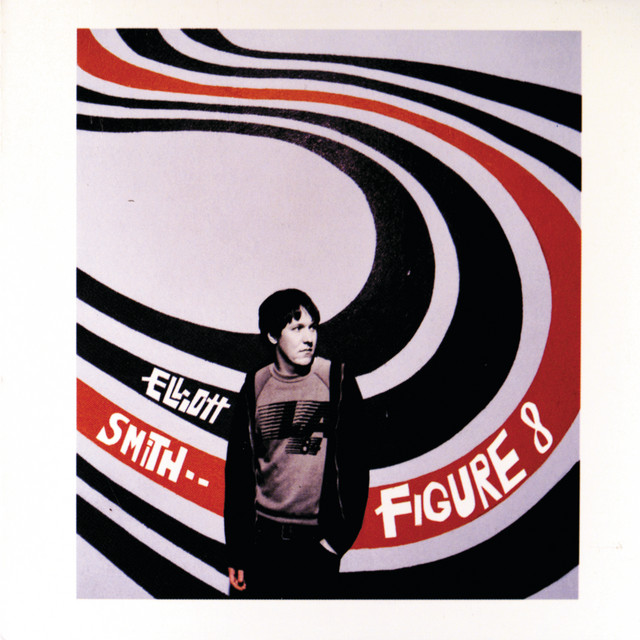
Figure 8
Elliott Smith (2000)
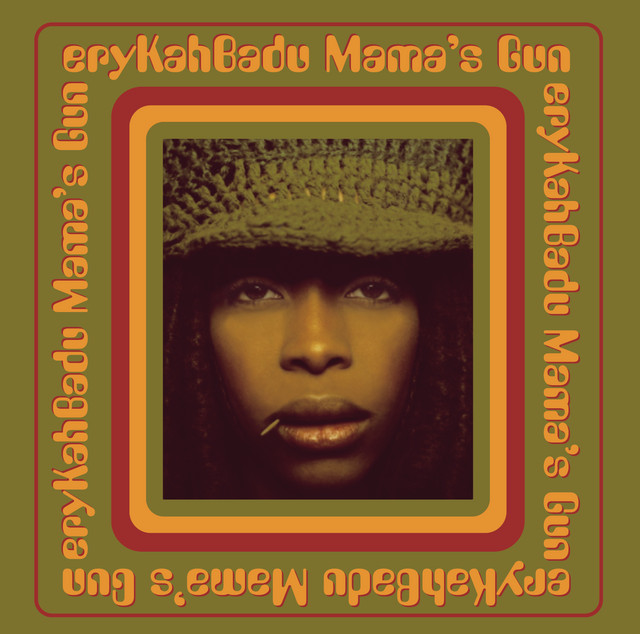
Mama's Gun
Erykah Badu (2000)
...Baby One More Time (Digital Deluxe Version)
Britney Spears (1999)
The Colour And The Shape
Foo Fighters (1997)
Pop
U2 (1997)

Jagged Little Pill
Alanis Morissette (1995)
Achtung Baby (Deluxe Edition)
U2 (1991)
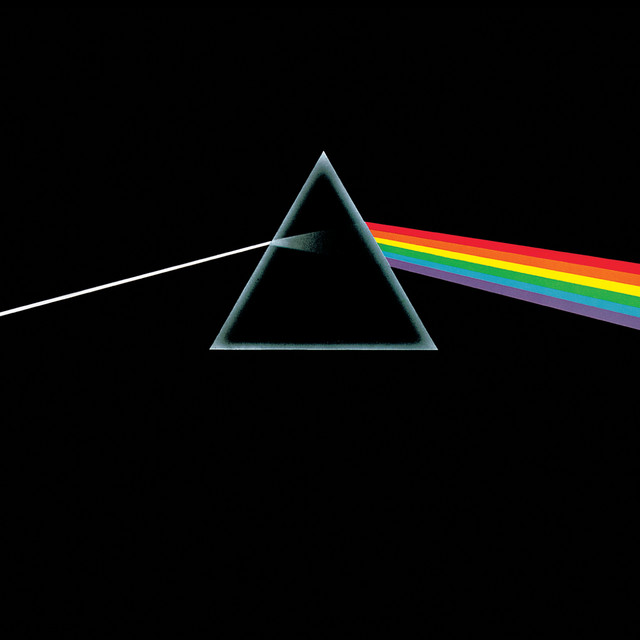
The Dark Side of the Moon
Pink Floyd (1973)
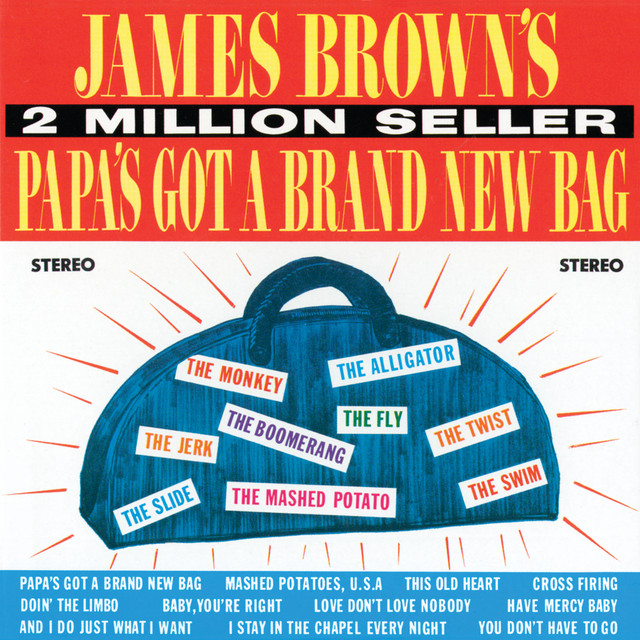
Papa's Got A Brand New Bag
James Brown & The Famous Flames (1965)
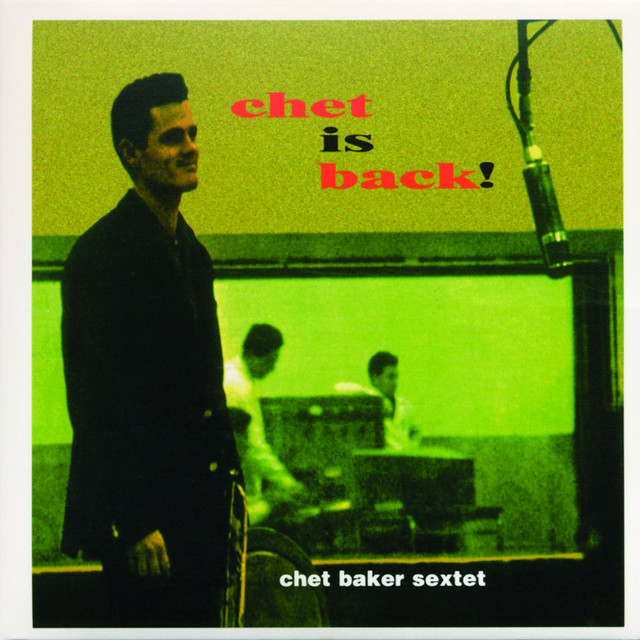
Chet Is Back!
Chet Baker (1962)
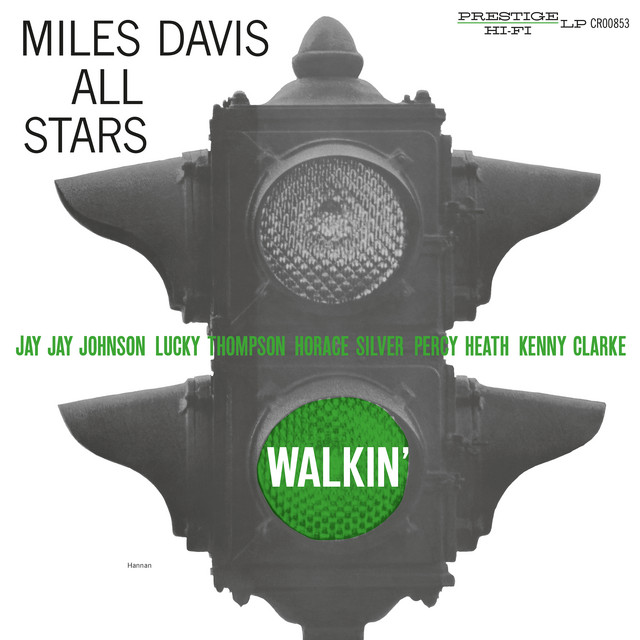
Walkin' (Remastered 2025)
Miles Davis (1957)
Genre Usage
Based on how artists on Equipboard use this gear, it is most commonly found in the following genres.
Used With
Based on how musicians on Equipboard use Neumann U47, it is most commonly used with the following gear.


-s.webp?v=1783249324)


Community setups
Show yours
Similar
Add recommendation3 alternative and related items for Neumann U47, curated by the Equipboard community.


$9,995.00 - $11,222.00

More Neumann Condenser Microphones

$519.00 - $799.00
in Condenser Microphones Rank


$899.00 - $1,295.00
in Condenser Microphones Rank


-m.webp?v=1783249324)
$2,349.00 - $3,995.00
in Condenser Microphones Rank


$508.80 - $849.00
in Condenser Microphones Rank


$2,782.69 - $3,995.00
in Condenser Microphones Rank


$1,456.37 - $1,995.00
in Condenser Microphones Rank


$748.89 - $899.00
in Condenser Microphones Rank


$3,463.04 - $4,395.00
in Condenser Microphones Rank


$4,300.00 - $8,299.00
in Condenser Microphones Rank
-m.webp?v=1783249327)
$5,090.00 - $5,995.00
in Condenser Microphones Rank


$1,281.75 - $1,750.00
in Condenser Microphones Rank


$1,749.99
in Condenser Microphones Rank


$533.45 - $849.00
in Condenser Microphones Rank


$1,444.00 - $1,695.00
in Condenser Microphones Rank


$714.56 - $849.00
in Condenser Microphones Rank


$1,173.60 - $1,595.00


$1,975.00 - $3,500.00


$3,699.00 - $4,395.00


-m.webp?v=1783253389)
$1,975.00 - $3,500.00


$2,349.00 - $3,995.00


$8,100.00 - $9,995.00


$989.00 - $1,266.00


$3,421.95 - $3,995.00


.png?v=1783063050)


$554.06 - $699.00


Accessories & Related Items


Gear Guides







Most Popular Condenser Microphones
Most Popular Brands
-
Added to Equipboard on by
danlaurensGear IQ 215
-


