

Pricing and availability
We compare 600+ stores and found this item at 9 stores. Prices updated .
Store
Reviews
Price









Average Price: $64
Budget/Beginner
$80
$181+
Price Tier
Budget
Standard
High-end
Price History
Based on price data from 5 merchants for "Boss DS-1 Distortion". Prices shown reflect NEW condition. Tracking began Apr 2, 2026.
* Product prices and availability are updated by Equipboard every 24hrs and are subject to change. Equipboard may receive compensation for purchases made at participating retailers linked on this site. This compensation does not affect what products or prices are displayed, or the order of prices listed. For more information, please refer to our affiliate disclosure.
Description
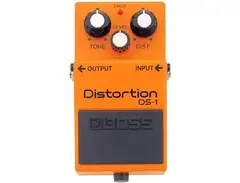
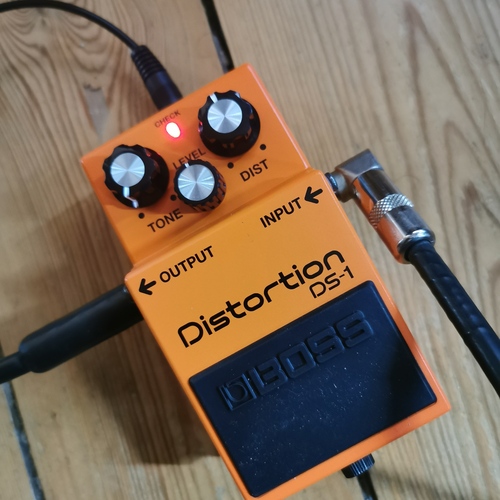
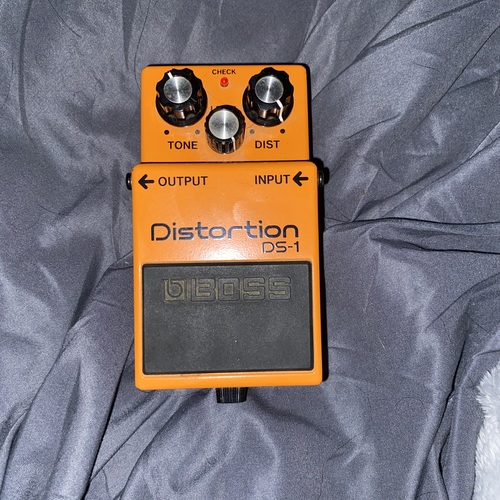
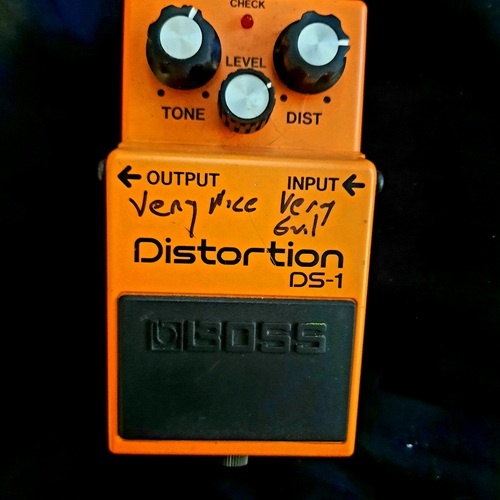
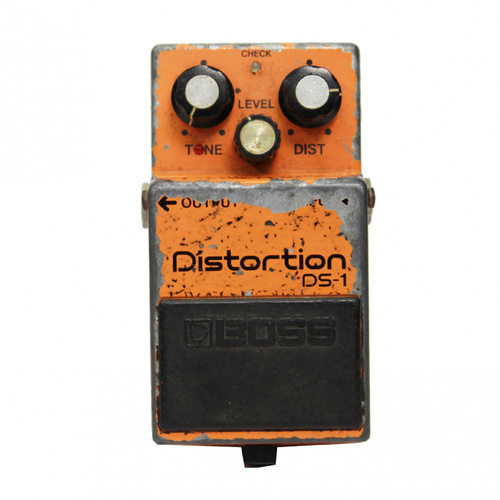
For over three decades, the Boss DS-1 Distortion pedal has been the backbone of countless classic rock and grunge records. With its unmistakable bold, crunchy tone, and robust, tour-ready design, it's the ideal companion for guitarists of all stripes.
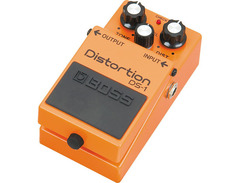
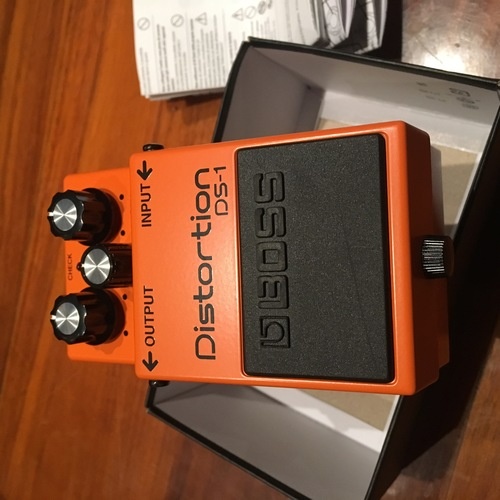
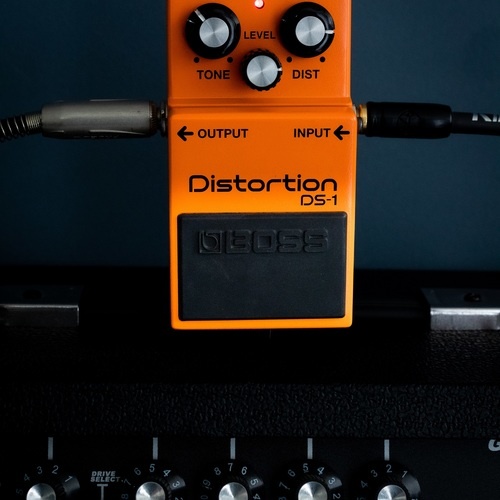
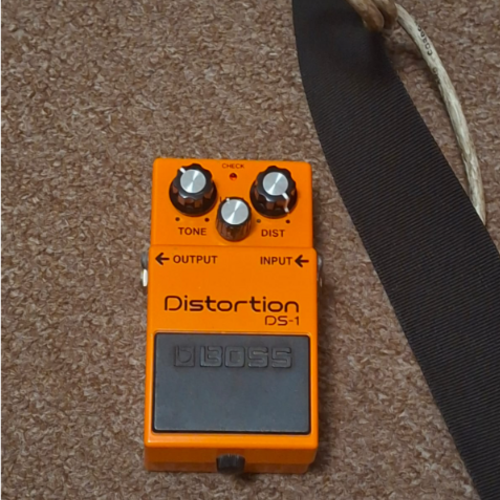
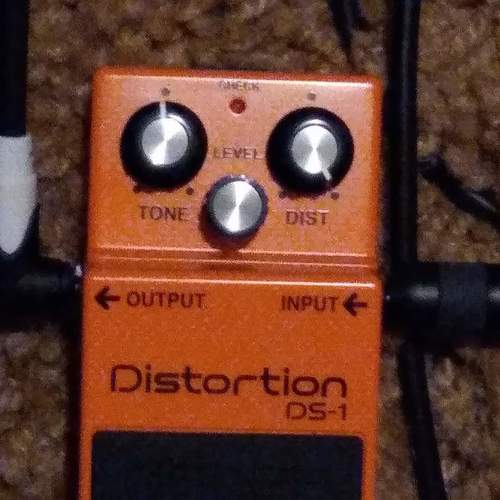
This pedal offers a plethora of distorted rock sounds, from subtle to aggressive, all accessible through its three intuitive control knobs - Level, Tone, and Distortion. The level and distortion knobs give you full command over the gain and saturation, while the tone knob lets you shape the overall EQ, allowing you to tweak from a bass-heavy growl to a bright, articulate distortion.
Bold as it is, the DS-1 is far from a one-trick pony. Its versatility has made it a mainstay on pedalboards across the globe, being equally adept in delivering a range of tones, from the searing leads of Steve Vai to the grunge-infused chug of Kurt Cobain's "Nevermind" era.
Constructed with a sturdy metal chassis and a hard-wearing footswitch, this pedal is built to withstand the rigors of the road. Its analog circuitry, largely unchanged since 1978, is a testament to the timeless and enduring design Boss pedals are known for.
Key Features:
- Classic, versatile distortion pedal
- Three intuitive control knobs: Level, Tone, and Distortion
- Delivers a range of distorted rock sounds
- Sturdy metal chassis and hard-wearing footswitch
- Reliable analog circuitry, largely unchanged since 1978
- Ideal for all styles of rock music
- Can be powered by a 9V battery or an AC adapter
Owner's manual
Boss DS-1 Distortion User ManualProduct specs
| Pedal Type | Distortion |
| Analog/Digital | Analog |
| Inputs | 1 x 1/4" |
| Outputs | 1 x 1/4" |
| Bypass Switching | Buffered |
| EQ | Tone Control |
| Power Source | 9V DC power supply (sold separately) |
| Batteries | 1 x 9V |
| Power Usage | 10mA |
| Height | 2.37" |
| Width | 2.87" |
| Depth | 5.12" |
| Weight | 1 lbs. |
FAQs
-
What kind of distortion sound does the Boss DS-1 Distortion Pedal produce?
-
The Boss DS-1 Distortion Pedal delivers a tight, hard-edged distortion with rich harmonics, ideal for rock and metal genres. It maintains the unique characteristics of different guitars and playing techniques.
-
Is the Boss DS-1 suitable for both rhythm and lead guitar playing?
-
Yes, the Boss DS-1 is versatile enough to handle both rhythm and lead guitar parts, offering clarity and sustain for solos while providing a powerful edge for rhythm sections.
-
Can the Boss DS-1 Distortion Pedal be powered with a battery?
-
Yes, the Boss DS-1 can be powered using a 9V battery, making it convenient for portable use. It can also be powered with a 9V DC power supply for extended use.
-
Does the Boss DS-1 Distortion Pedal work well with a buffered bypass?
-
The Boss DS-1 features buffered bypass switching, which helps maintain signal integrity and tone across long cable runs and complex pedalboards.
-
How does the tone control on the Boss DS-1 Distortion Pedal affect sound?
-
The tone control on the Boss DS-1 allows you to shape the high-frequency content of your distortion, providing a range from warm, rounded tones to sharp, cutting edges.
Equipboard's Expert Review

Equipboard tested this
The Classic Distortion
The Boss DS-1 Distortion is a pedal that's been around for decades, and for good reason. In our tests, we found it to be a reliable workhorse that can deliver a wide range of tones. The build quality is impressive; it's built like a tank and can withstand heavy use on stage or in the studio.
We appreciated the simple, straightforward controls that make it easy to dial in your desired sound. The pedal is versatile enough to cover genres from rock to punk and even some metal. For us, its versatility came through when it shined when paired with a variety of amps, giving them a much-needed boost in character.
However, the DS-1 isn't without its quirks. We noticed that at higher tone settings, it can produce a fair amount of buzz and noise. The overall sound tends to lean towards the brighter side, which some players might find tinny or thin.
Value-wise, it's hard to beat the DS-1. It's affordable and widely available, making it a great option for beginners.
The Boss DS-1 is best suited for guitarists looking for a reliable, no-frills distortion pedal that can cover a lot of ground. It's particularly good for those playing rock or punk. However, metal players or those seeking a more modern, high-gain sound might want to look elsewhere or consider stacking it with other pedals.
Videos

BOSSchannel
BOSS DS-1 Distortion [BOSS Sound Check]
![Video thumbnail for BOSS DS-1 Distortion [BOSS Sound Check] by BOSSchannel](https://img.youtube.com/vi/UKFuwErM2ZA/mqdefault.jpg)
BOSS DS-1 Distortion [BOSS Sound Check]
BOSSchannel
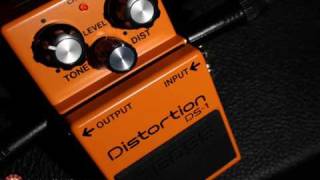
Boss DS-1

ProGuitarShopDemos
WILL IT CHUG? - BOSS DS-1 DISTORTION

Ola Englund
Comparing 4 Kurt Cobain Distortion Pedals | Nirvana Tone

NirvanaGuitars

This Is WAY Better Than The Tubescreamer (The Boss DS-1 Sound)

Rhett Shull
![Video thumbnail for You're Using Your Boss DS-1 All Wrong! [No Really, You Are] by That Pedal Show](https://img.youtube.com/vi/hegRB27zIdg/mqdefault.jpg)
You're Using Your Boss DS-1 All Wrong! [No Really, You Are]

That Pedal Show
Guitar Pedals for CHEAP! Boss DS-1 Distortion Pedal - Thursday Gear Video

Marty Music
Is the Boss DS-1 The Best Distortion Pedal Ever? Boss DS-1 Demo & Review

PMTVUK
BOSS DS-1 Distortion Pedal Demo by Pete Thorn - Sweetwater Sound

Sweetwater
How to use the Boss DS-1 - Stop using it wrong! - Amazing tones with iconic distortion

We As A Company
Boss DS-1 Distortion | Reverb Demo Video

Reverb
What Makes This Pedal Great? Boss DS-1

Wampler Pedals
DS-1 Distortion
BOSSchannel
BOSS DS-1 Distortion Pedal Review
Sweetwater
5 Ways How You Can Use The Boss DS-1 Distortion Pedal

SRGuitar
The Boss DS-1 Distortion Pedal Review | How Good is it?

intheblues
Boss DS-1 Distortion (Are You Using It Wrong?)

Elmo Karjalainen
Battle of the 70s! MXR distortion plus vs BOSS DS-1 vs Proco RAT (all vintage!)

Jerry Yeaaah
Talk with BOSS - #2 DS-1 Distortion (Archive)
BOSSchannel
Reviews
PROS
-
Wide range of distortion tones from mellow to harsh
-
Versatile for genres like punk, grunge, and classic rock
-
Tone control significantly alters sound
-
Great value for money
-
Durable and well-built
-
Simple and easy to use controls
-
Works well with both tube and solid-state amps
-
Can be modified for customized sounds
-
Compact and pedalboard-friendly
CONS
-
High tone settings can produce unwanted buzz
-
Lacks bass on certain settings
-
Some find it too bright or tinny at higher settings
-
May not be suitable for metal genres without modifications
-
Can sound harsh with certain guitar and amp combinations
Owner Insights
We analyzed real musician discussions from forums and Reddit to find what players love, question, and tweak about Boss DS-1 Distortion.
Use cases and applications
-
The pedal excels when used to enhance an already slightly-distorted sound, particularly in 70s-90s rock and 80s metal genres.
Source -
The DS-1 is praised for cutting through a mix with single coils, providing a harmonically rich, aggressive distortion that helps the guitar stand out.
Source -
The DS-1 is noted for fattening up a Strat's sound, adding thickness and richness often associated with Gibson guitars, especially when the tone knob is nearly off.
Source -
Despite its mixed reputation, the DS-1 is favored by some for its "trashy and grungy" sound when playing big power chords, especially with the tone knob rolled off.
Source -
The DS-1 can produce a grimy, distorted bass sound when used with a dry signal blend, particularly effective for heavier genres of metal.
Source
User experience
-
Some owners report that the DS-1 can sound thin and shrill when used with a clean amp, but it pairs well with amps that are starting to break up.
Source -
A Fender Rumble 40 amp may require EQ adjustments to compensate for the DS-1's low-end cut when used with bass.
Source -
Users report that the DS-1 can work effectively when used to push into a Tube Screamer, particularly for cutting through a mix, with the DS-1 placed before the screamer.
Source
Comparisons
-
The ProCo Rat and Tube Screamer are frequently recommended as alternative pedals for those seeking more versatile or specific distortion tones.
Source -
The Boss ODB-3 Bass Overdrive is suggested as a better alternative for bass, providing distortion without sacrificing low-end frequencies, making it suitable for heavier music styles.
Source
Value and pricing
-
The DS-1 retains its resale value well, with many users noting they can sell a used unit for nearly the purchase price.
Source
Mods and upgrades
-
Saturnworks' loop switcher with dry blend is recommended for maintaining the bass presence alongside the DS-1's distortion.
Source -
Utilizing a Boss LS-2 Line Selector allows bass players to blend the DS-1 with clean tones, mitigating low-end loss and enhancing the overall sound.
Source -
Owners suggest a modded version of the DS-1, such as those by AnalogMan or Keeley, can significantly enhance its sound quality, making it a worthwhile investment.
Source -
Some users recommend the MXR Custom Badass '78 Distortion as a more natural-sounding alternative to the DS-1, offering improved clarity while maintaining tonal fatness.
Source -
Owners mention that clipping out a couple of diodes can transform the DS-1 into an excellent overdrive pedal with strong boosting capabilities.
Source
Features and functionality
-
The DS-1 is noted for its limited control options with just volume, gain, and tone knobs, making fine-tuning challenging but offering simplicity for beginners.
Source -
Implementing an AB-Y pedal setup can maintain clean low-end tones while adding the DS-1's distorted tones, though this requires two separate amps.
Source
Critic Reviews
4.0 out of 5
Based on 230 Reviews and 1150 Ratings

56

903
Disgusting
It's absolutely nasty, earpiercing and loud - exactly how you want it to be. I wish it generated less noise on standby though because it sounds like a microwave when you're not playing.

A legendary pedal used by countless artists
It would be quite unfair to attribute to one of the first mass-produced distortion pedals, used by countless artists such as David Gilmour, John Fusciante, Kurt Cobain and many others alike and, to this day, what is said to be the best-selling effects pedal of all time, anything other than a solid 5 stars.
While this pedal stood the test of time and its capabilities have been proven for over four decades, it still faces some criticism online and, regarding those, it's important to figure two aspects: first, its ideal uses and limitations - this pedal can pump so much distortion until it gets a bit out of hand, so you should think of it as a pedal best intended for Hard, Punk and Pop Rock, rather than Metal. Unlike other distortion pedals that can boost more distortion, this best works in complement to your amp's own tone, achieving the best results if its gain is in that point where it's beginning to clip, rather than having it achieving the dirty tone all by itself.
Secondly, all the artists who have used it over the years give you a great base ground to its capabilities, and so if you like the tone of a particular DS-1 user and want to enter into that territory, a DS-1 is an affordable and plentiful pedal you can get, and then make use of the widely available resources online regarding specific settings to achieve different tones out of it, given its sensible nature (one of the reason some players give it bad credit is exactly due to setting it up poorly, given the more sensible controls), and then experimenting from that point. In the same sense, that info also gives you an idea what sort of tones it's best suited for, and whether a different distortion pedal would be more appropriate for your intended use.
Finally, it's worth mentioning the DS-2, usually priced just a bit over the original DS-1, that can emulate it, as well as taking advantage of the "turbo" functionality. Before purchasing this one, I had tested its sucessor from a friend and while the DS-2 can definitely pump out more distortion, allowing you a whole new range of possibilities, if you desire to play among the tonal range of the many aforementioned players, the regular DS-1 would serve you just fine.

266
awful
look I'm a Negative Nancy when it comes to this pedal but Jesus you can get something so much better for not a lot more $$. the DS-1 I owned was a hand-me-down from my dad from the 90's so that's probably why it was so awful, but it had this high pitched buzzing noise that only got worse the more I used it. I had to stop using this pedal because the buzzing noise was becoming more audible than the notes I played! and beyond that, the tone is just garbage. I LOVE Boss pedals and they are in my top 3 favorite pedal companies, but the world has progressed beyond the need for the DS-1, and the DS-1 has progressed beyond the need to be on your pedalboard.
Preferred Settings + Usage:
Genres: Punk Rock, Hard Rock, Blues Rock

640
Cheap, sounds good stacked with other pedals
I'd been after a DS-1 for a while and found one in a used bundle with a TU-2 for cheap so they went on my board.
On its own, as others point out, it's pretty awful. But used stacked with other pedals and preamp gain it's a great way to add a different colour to your palette of distortion/overdrive.
Am using it stacked with a Bad Monkey and a Deluxe Big Muff for when I want to go overboard. Pretty much covers all my needs.

395
my taste, sweet spot
I was postponing getting one besides knowing I like its clones. Finally got one and I am not the biggest boss fan, but this one is special, it has a tone, a melodiousness that is instant home for me. will test how well it works with old reverbs and delays, but it gives me that sweet 90s feeling.

183
Reliable.
I have had mine since 2021. It has taken some beatings, but it continues to do what I need it to do. It gives me the sound I desire. Crunchy and bright.
Preferred Settings + Usage:
Tone at the middle. Everything else turned all the way to the right.
8/10 I honestly don't know how anyone can dislike it.
Maybe I bought some magical version (20$ used - stock - made in taiwan), but as far as I hear it, DS-1 is an absolute beast of a distortion. Some people say that you need to set it right to get good results, but I use it with a DIST all the way into Hot Rod Deluxe, and it rocks. The thing is Boss DS-1 was invented in the 1978, when "the brown sound" started (the same year "Eruption" was released). And if you ever heard that sound in real live, DS-1 sounds exactly like that. Thick bottom, really sharp and bright, compressed and a bit fuzzy. And I think that was the reason people started to hate it. "Brown sound" became synonymous with "basic", "unimaginative" and "boring" really quickly. BUT... DS-1 does have some problems, which can be traced to the 70's state of guitar technology. 1: It doesn't really take hot pickups well. One of the complains is that DS-1 is quiet. Too quiet. Suspiciously quiet. Kinda "broken design" quiet. I thought the same, back when my only axe was a double-Duncan-humbuckered 90's machine. But recently I discovered something. When plugged to the vintage telecaster, DS-1 with the volume at 12 is... just... perfect! Around 10db boost and fully marshalled. With a modern Les Paul though I have to put volume at max and the fizzy-fuzzyness happening really early on (I like that too - sounds kinda like a Proco Rat). I thing Roland made the pedal for people with weak guitars and weak amps to feel the brown sound, and it really wasn't meant for stage use. Which leads to the second problem. 2: It's way to bright. It is, but only when played through a modern equipment, or with any loundness. When played on a room level into any, but especially old, amp every pedal sounds too dark. And the real "brown sound" is known for being really bright.
I bought my current Boss DS-1 a month ago, after years of not hearing one. 10 years of buying and selling pedals, and Boss DS-1 still is the only one that makes me go "My amp is on fuckin' FIRE!".

325
Alright
Sounds fine as an extra gain stage into other drive pedals but not great by itself. The gain also becomes too noisy and mushy in the second half of the dial. If you're buying your first distortion pedal I'd recommend a RAT instead.


229
Classic sound.
Bought it of a friend at community collage and used it as my main bass drive for the rest of that year. Since then I got a ProCo Rat and that became my go-to drive for bass. Now it just lays in my jam-room and collects dust. A great first pedal though!
Preferred Settings + Usage:
Level at 3 o'clock, Tone at like 12:30 and Dist at like 12.
Artist usage
Add artist
.png)
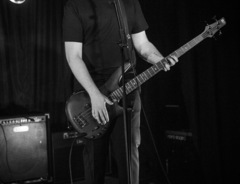
This screenshot from the Julien's Auctions website (slightly altered to make it fit better) shows the auction for Kurt Cobain's Boss DS-1 Distortion pedal. Jeff Toste was the recipient of the pedal after Cobain threw it into the crowd. A letter from Toste accompanying the pedal tells the story:
The third show of Nirvana's iconic Nevermind tour was at Club Babyhead in Providence, RI. It was September 25th, 1991 and The Melvins opened. I was at that show.
During the show Kurt Cobain had technical problems, and at one point he was getting no sound from his gear. He must have thought his distortion pedal (Boss DS-1) had something to do with it. He smashed the pedal on the stage and threw it into the crowd. It landed between the feet of the guy in front of me. I pulled it out from between his feet.
The left hinge on the pedal is broken, but otherwise works. The pedal still has the original duct tape used to secure it to the stage. I've had it ever since.
The winning bid of this particular auction was $8,960 USD. The original source of the auction is here.

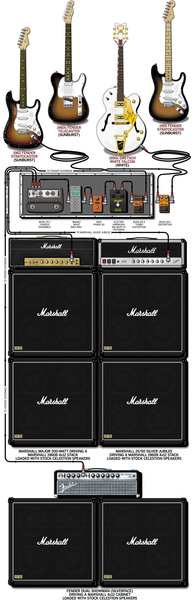
According to this rig diagram, John Frusciante uses a Boss DS-1 Distortion pedal.


This pedal was seen in the documentary Heart Like A Hand Grenade at 18:30

In the '360 sessions' video by Constantin Mogoş, a Boss DS-1 Distortion pedal is visible on the shelf behind Calvin Harris, suggesting its use alongside his 'Wine Red' Gibson Les Paul Studio.


In a photograph from Johnny Marr's official book, his Boss DS-1 Distortion pedal is visible among his collection of The Smiths' pedals. Although the original pedalboard, a BCB-6, has since broken, the pedals remain the same.


Steve's setup: "The guitar in line goes into the Wah Wah on the board - either the Dunlop automatic one or the Bad Horsie (he switches between the two). From there it goes to the two distortion boxes, the DS-1 and the Keely modded TS-10, then the EvH flanger and from there it goes back into the front of the amp. "

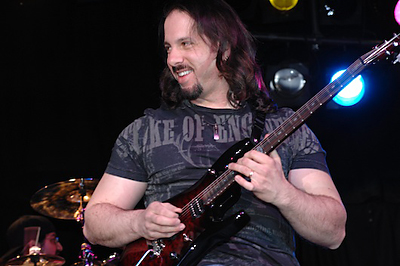
In an article by Scott Kahn on MusicPlayers.com, a photo of John Petrucci's pedal drawer reveals his use of the Boss DS-1 Distortion pedal.


According to The Gear Page discussion titled "Famous songs that used a Boss DS-1," Billy Corgan did not use the Boss DS-1 Distortion pedal.


According to 1996 rig diagram from Guitar Geek, Smith used the Boss DS-1 distortion pedal.

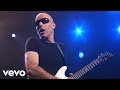
The DS-1 was a staple of Satriani's lead tone until the development of his signature distortion pedal, the Vox Satchurator. It is clearly visible on his pedalboard at 7:47.

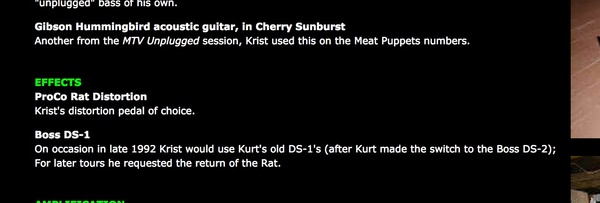

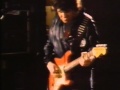
In this video, Gary featured a selection of Boss guitar effects pedals he uses including the DS-1, CE-2, DM-2, OC-2 as well as the BF-2 Flanger.
Album Usage
The Boss DS-1 Distortion has been featured on the following albums:

Kaitlyn
Eric Dangerfield (2024)
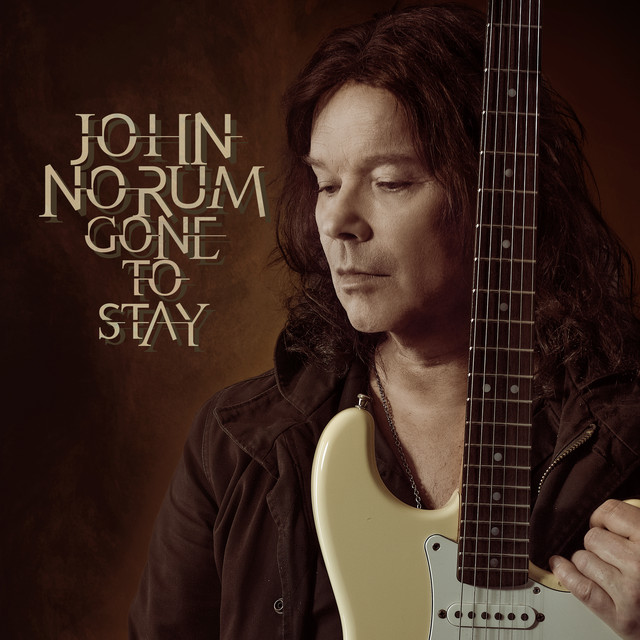
Gone to Stay
John Norum (2022)
Fugazi (2021 Stereo Remix)
Marillion (2021)
the first glass beach album
glass beach (2019)
Artificial Selection
Dance Gavin Dance (2018)
Strange
Miles Large (2017)
Leprosy (Deluxe Reissue)
Death & Death (Metal Band) (2014)
Radiation 2013
Marillion (2013)
Jacaranda
Trevor Rabin (2013)
Future This
The Big Pink (2012)
Zug Island
Kyle Hall (2012)
Play Yard Blues
John Norum (2010)
Business Casual
Chromeo (2010)
Carnal Leftovers
Nihilist (2005)
Letters To The President
Hawk Nelson (2004)
Live In Chicago
Ween (2004)
Horrified
Repulsion (2003)
From The Muddy Banks Of The Wishkah (Live)
Nirvana (1996)
Ham Fisted
Local H (1995)
Wolverine Blues
Entombed (1993)
Incesticide
Nirvana (1992)
Pure Guava
Ween (1992)
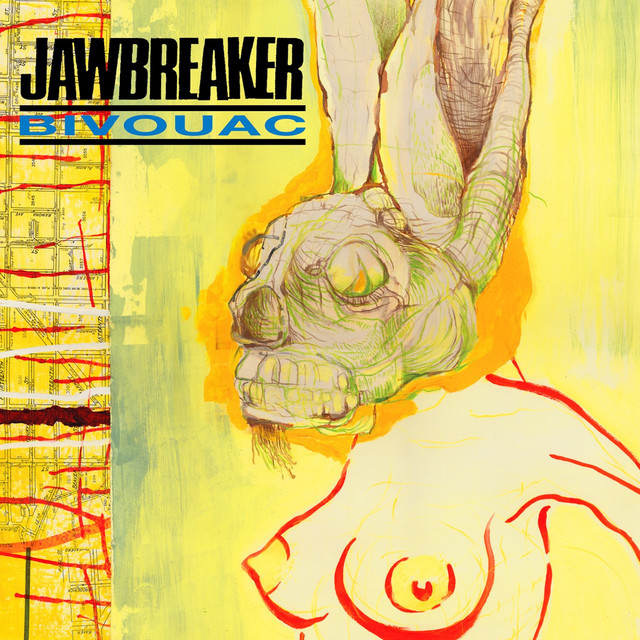
Bivouac
Jawbreaker (1992)
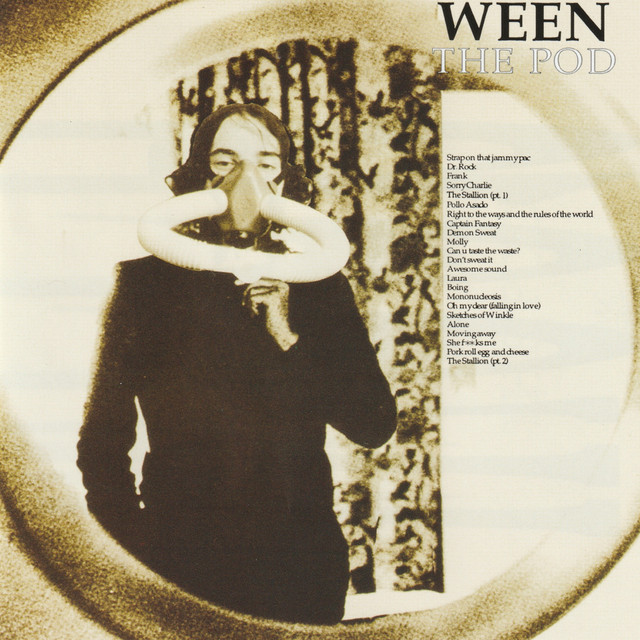
The Pod
Ween (1991)
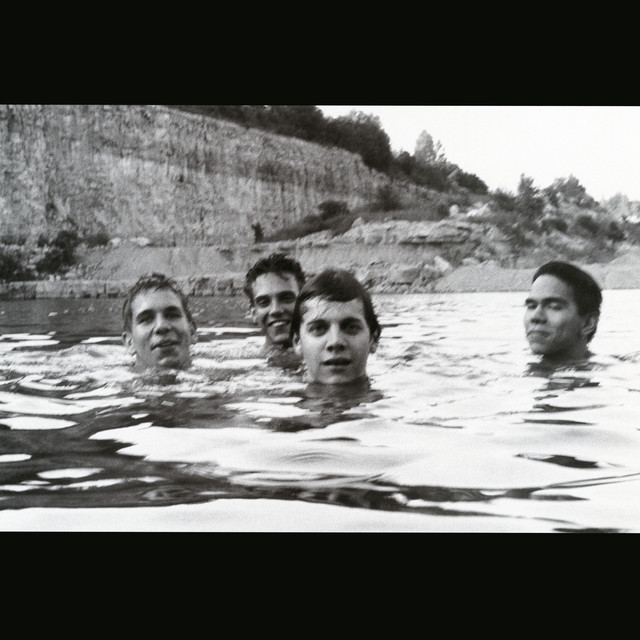
Spiderland
Slint (1991)
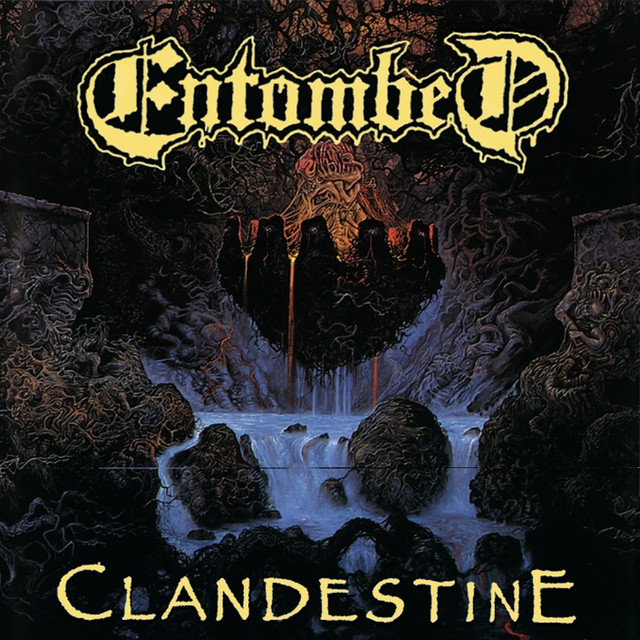
Clandestine
Entombed (1991)
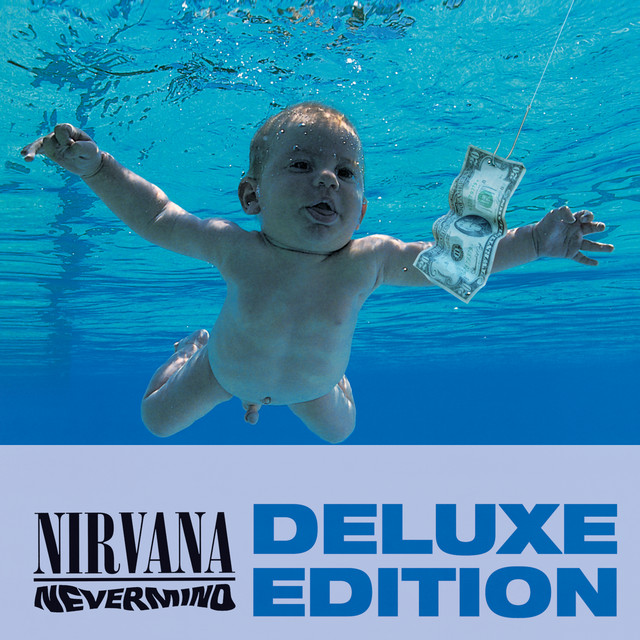
Nevermind
Nirvana (1991)
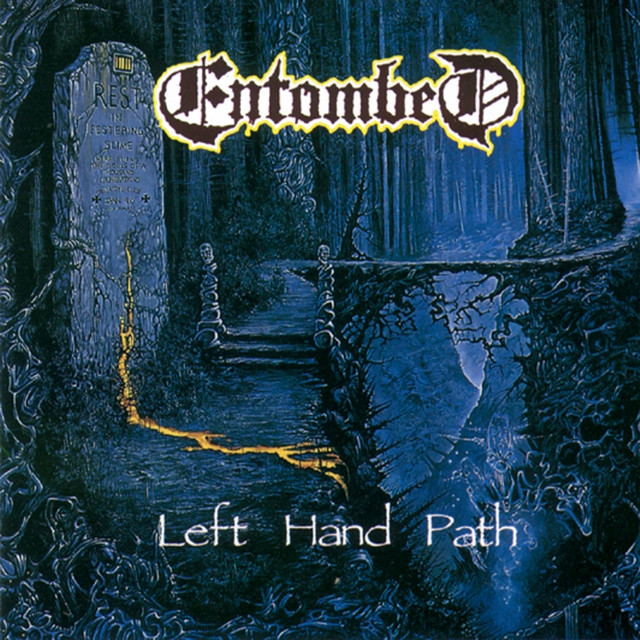
Left Hand Path
Entombed (1990)
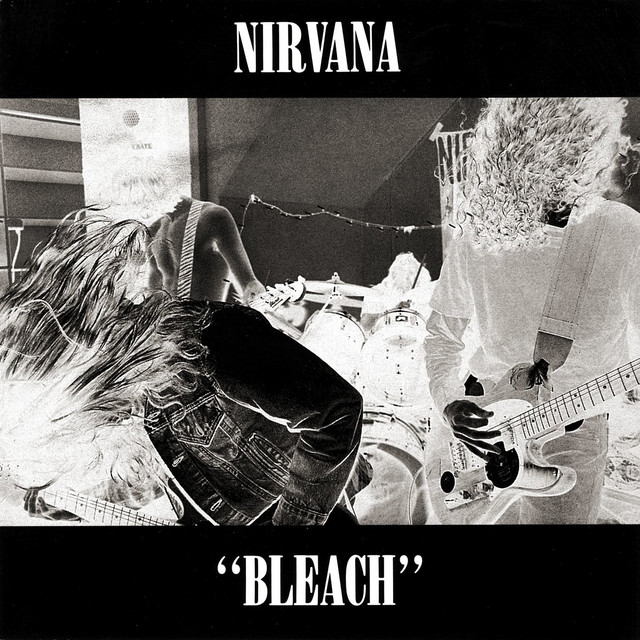
Bleach
Nirvana (1989)
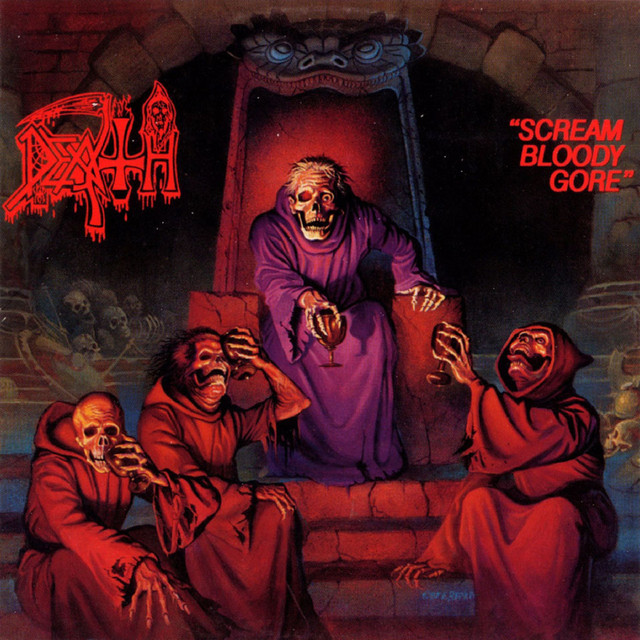
Scream Bloody Gore
Death & Death (Metal Band) (1987)
Stop Making Sense (Live)
Talking Heads (1984)
Wings Of Tomorrow
Europe (1984)
Genre Usage
Based on how artists on Equipboard use this gear, it is most commonly found in the following genres.
Used With
Based on how musicians on Equipboard use Boss DS-1 Distortion, it is most commonly used with the following gear.


-s.webp?v=1783407798)


-s.webp?v=1783422013)


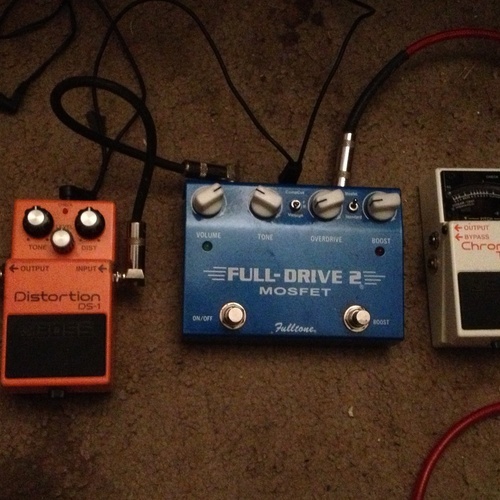
Community setups
Show yours





.jpg?v=1732619845)
.jpg?v=1774320425)

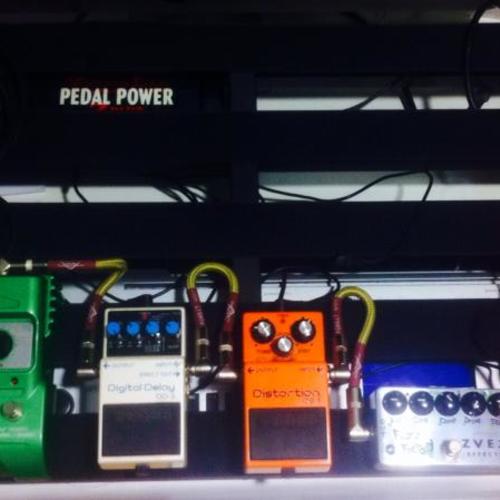

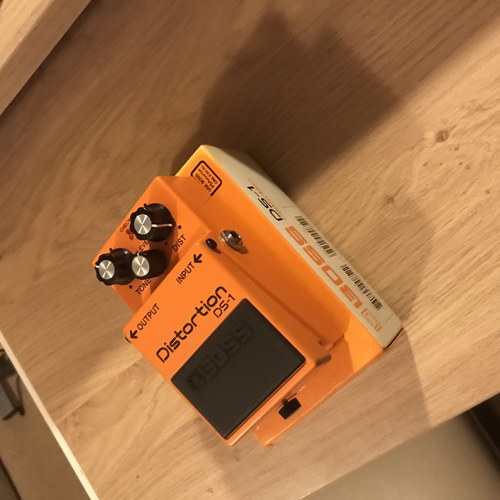

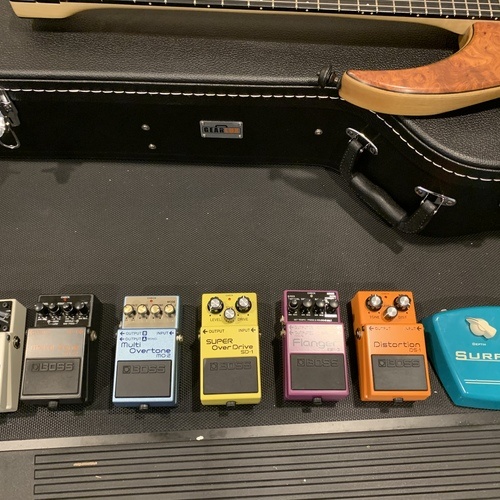

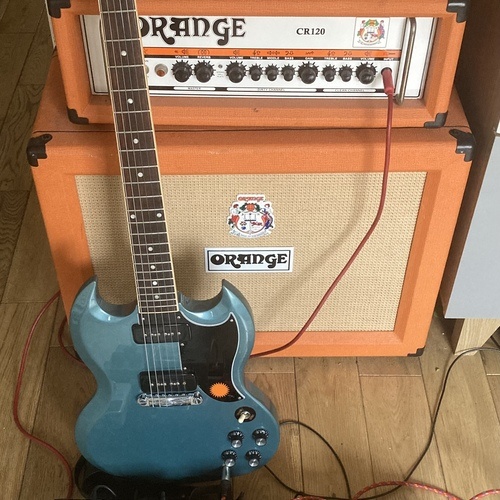

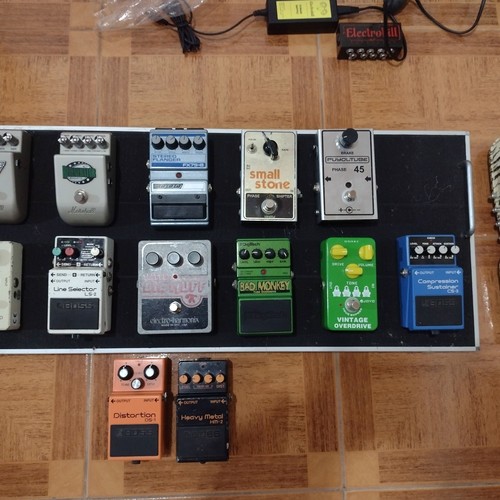


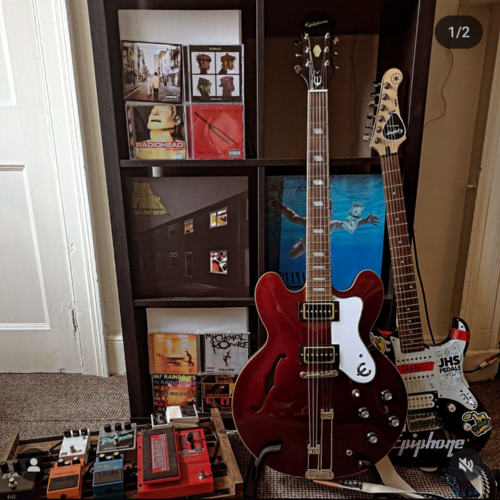

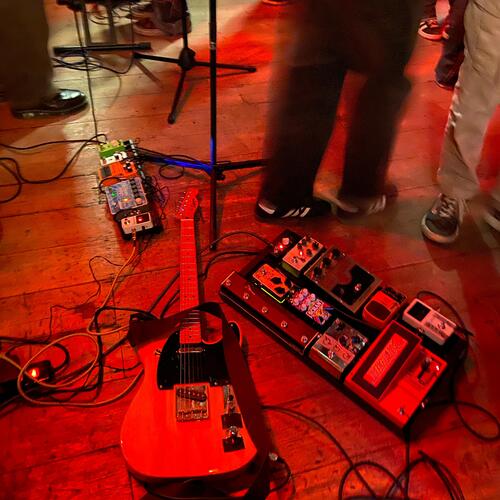

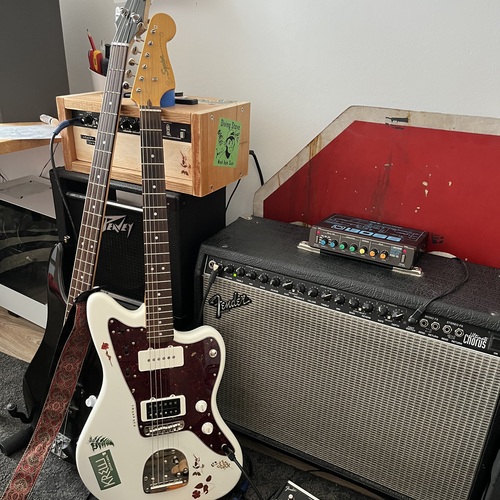
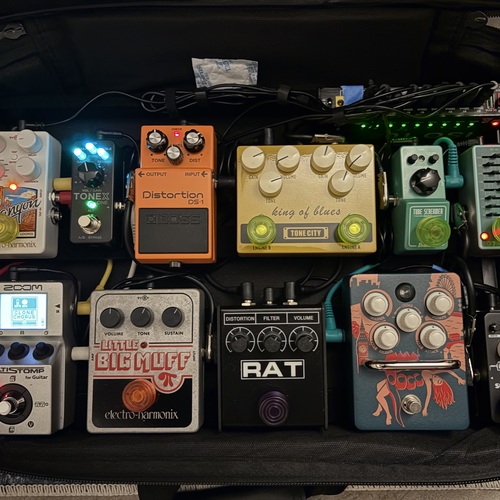

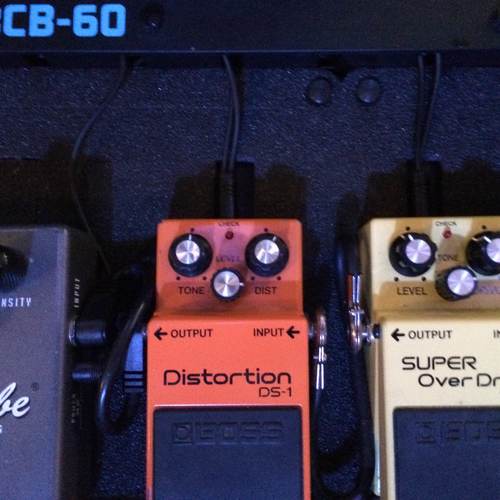

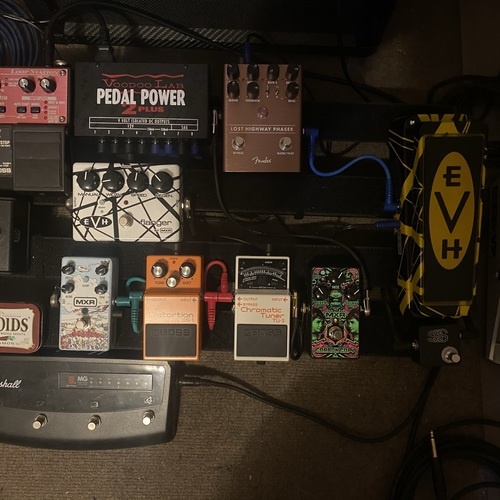

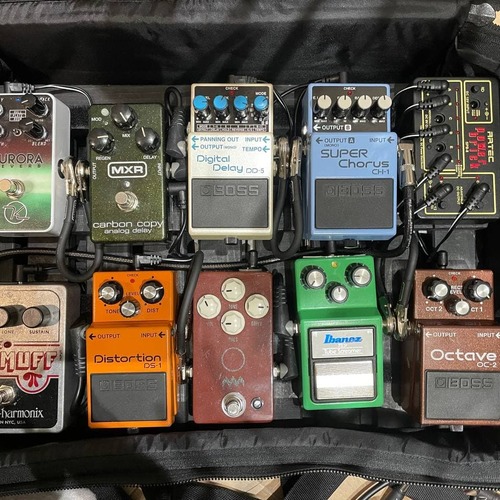

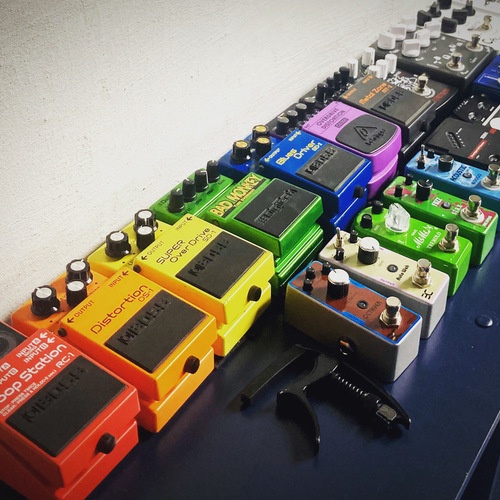

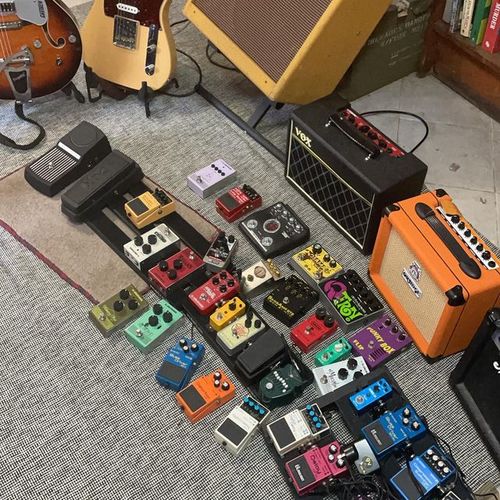
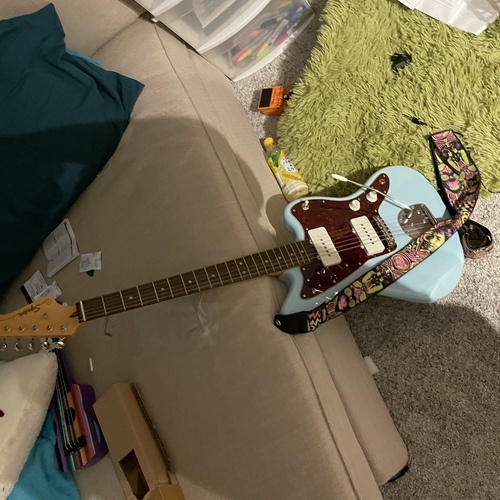

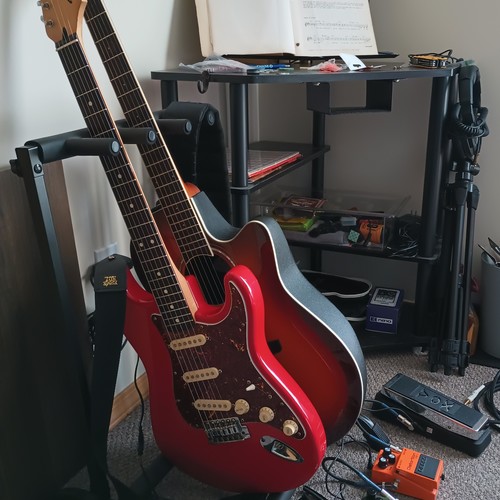


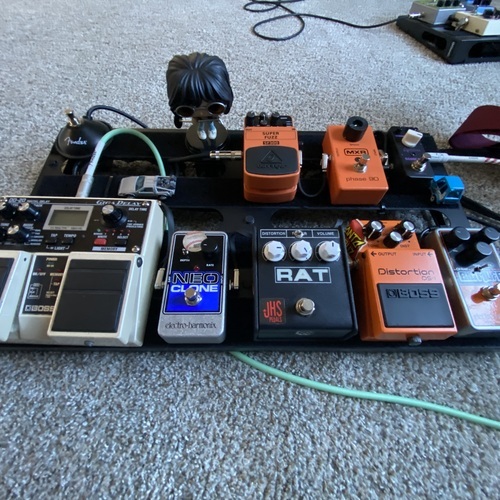


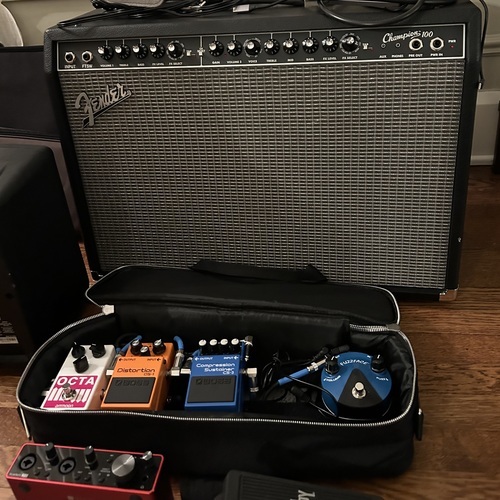


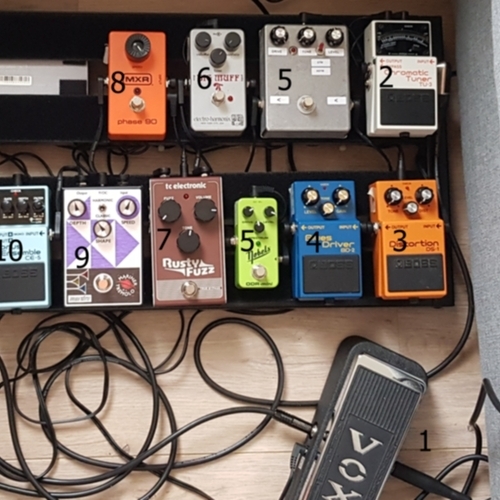
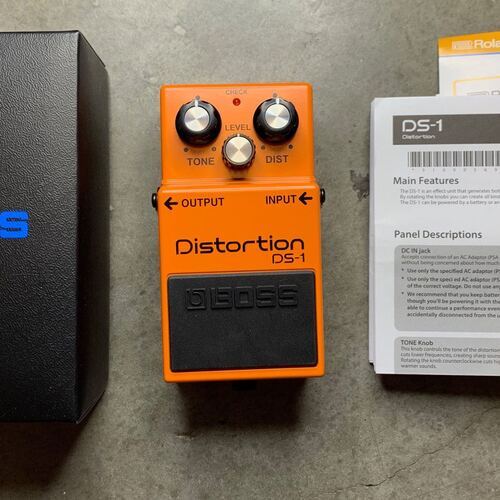






.jpg?v=1757917210)





.jpg?v=1781452575)
.jpg?v=1780176179)
























.jpg?v=1769701570)

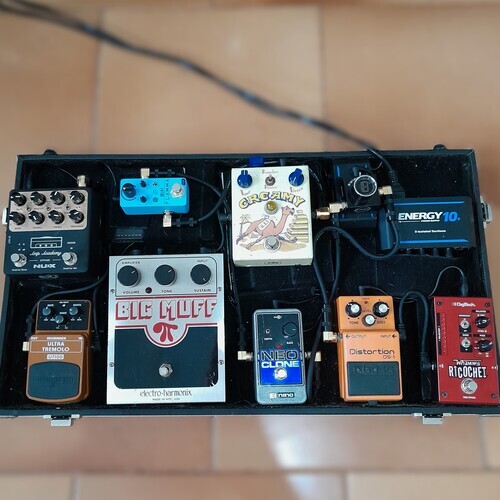
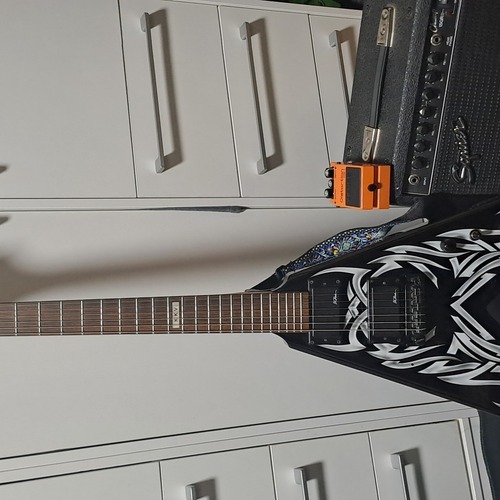
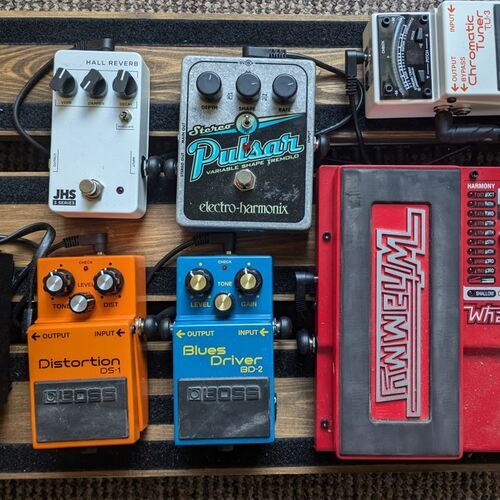

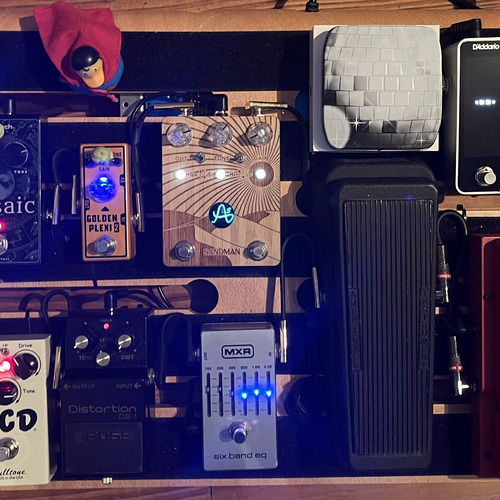




.jpg?v=1783112765)

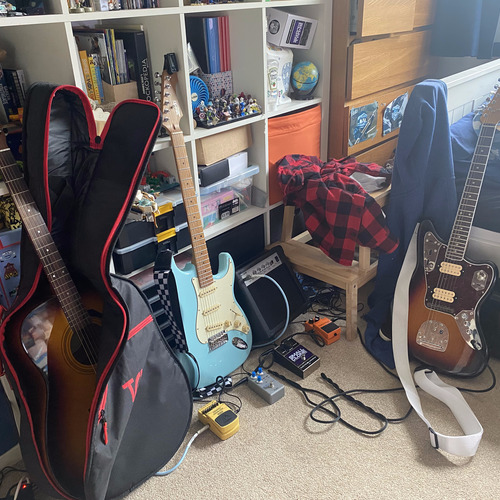
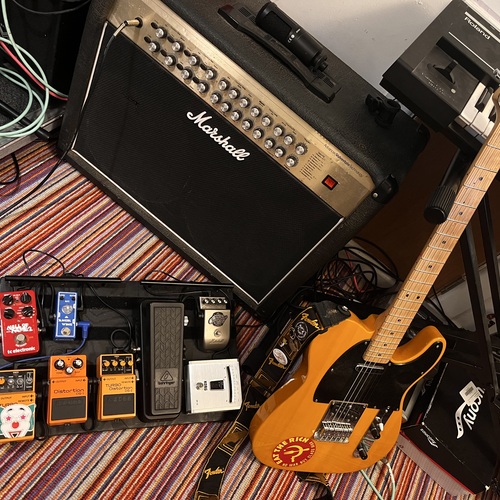

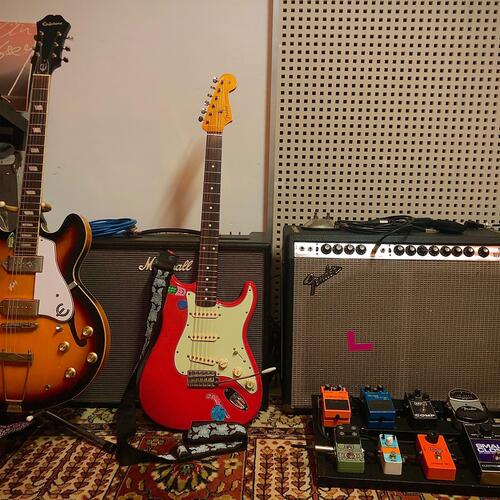

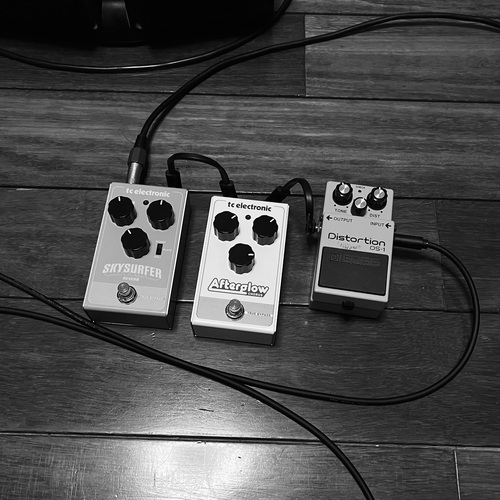





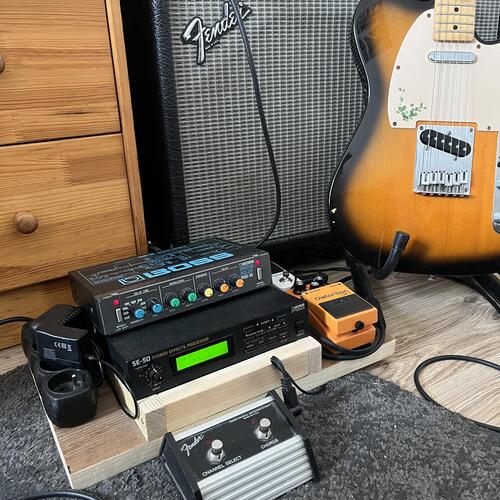

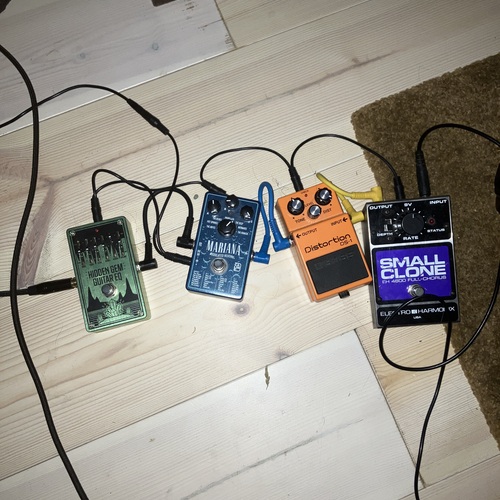
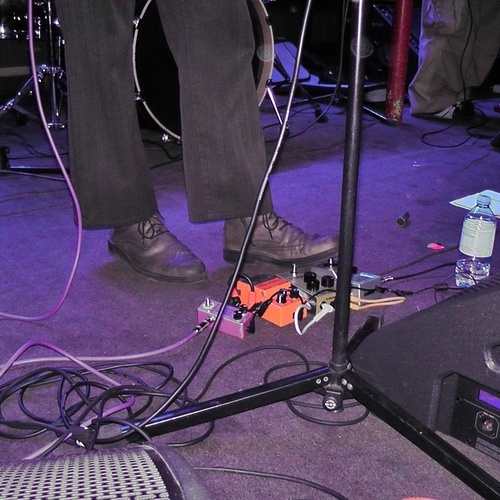
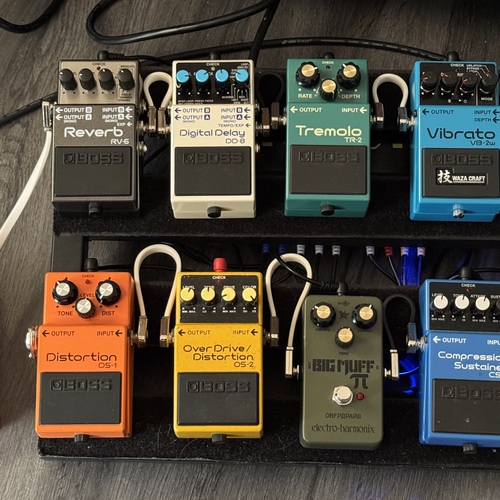

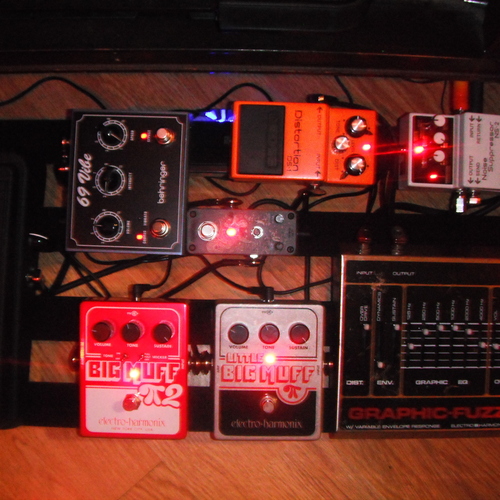
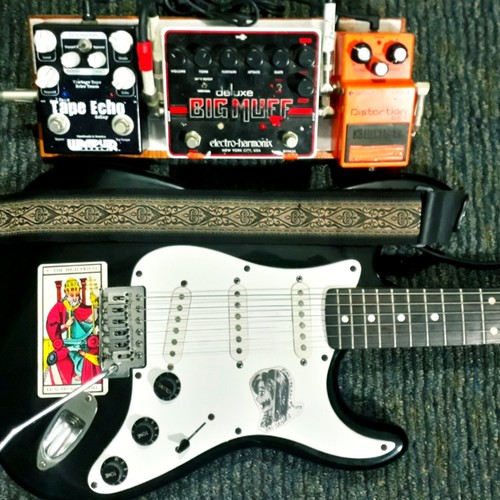

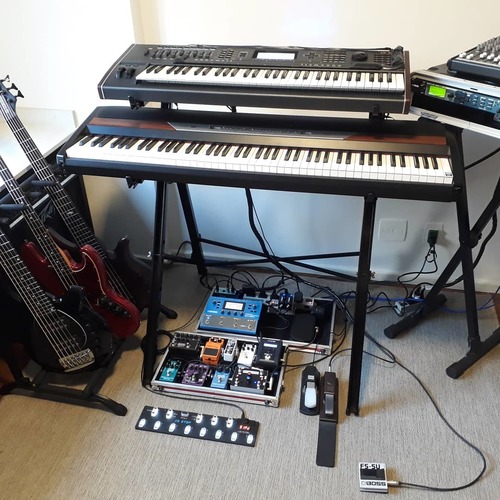





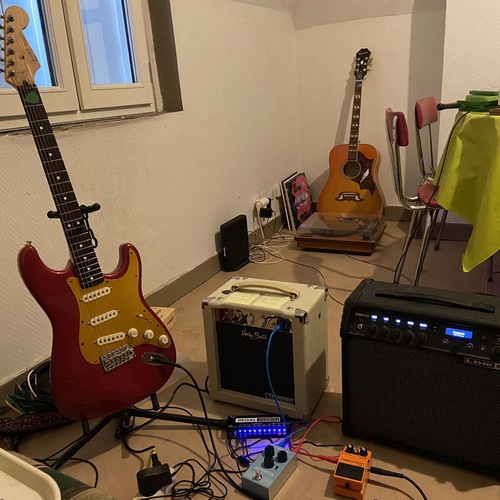

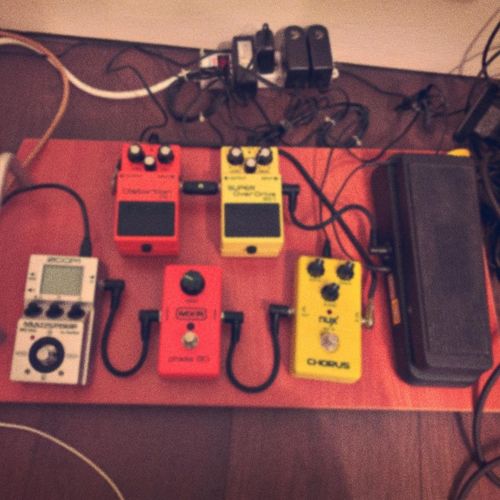
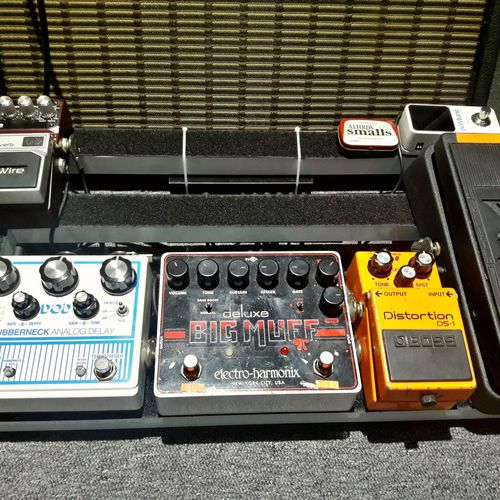

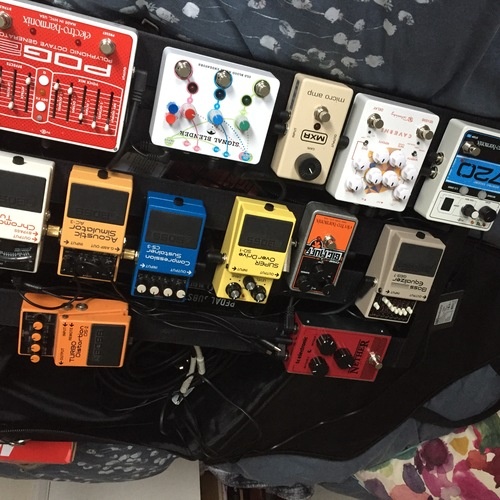


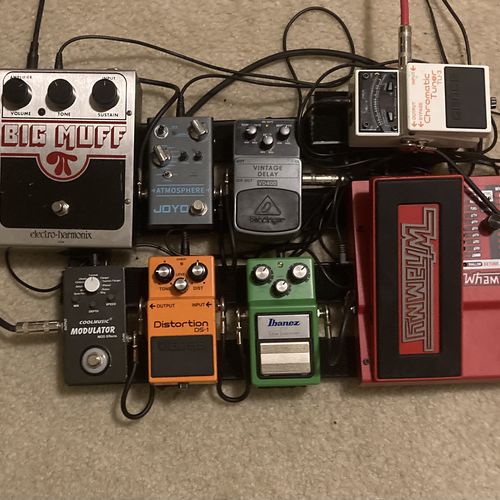

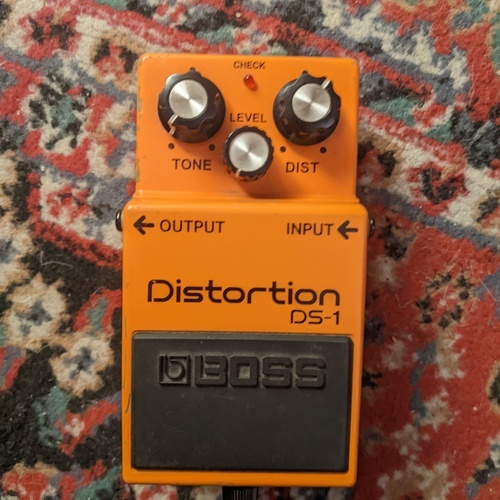

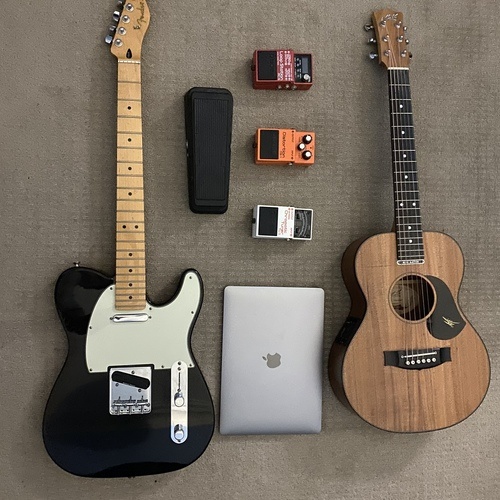

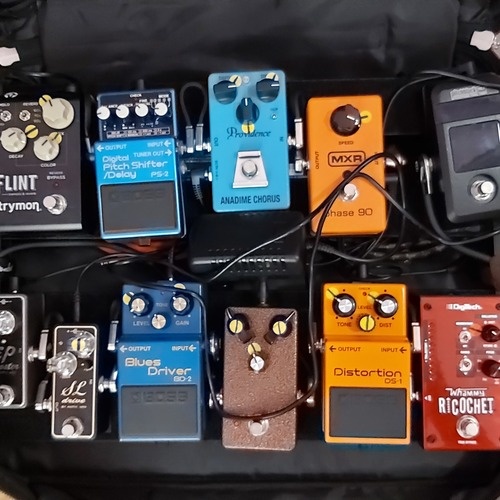




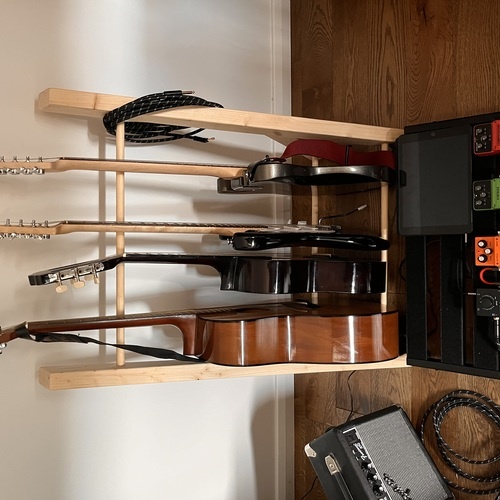

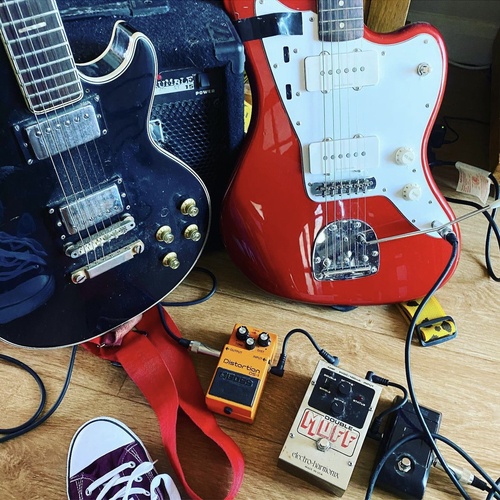
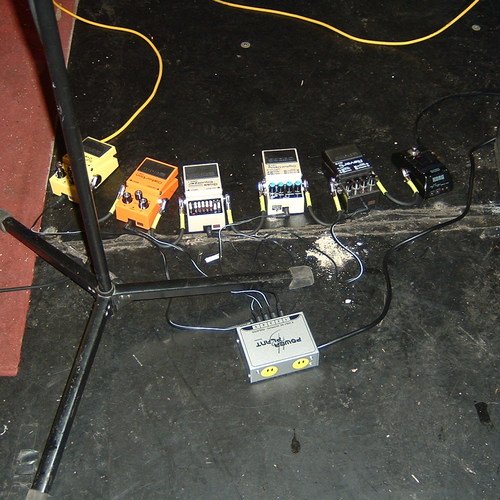

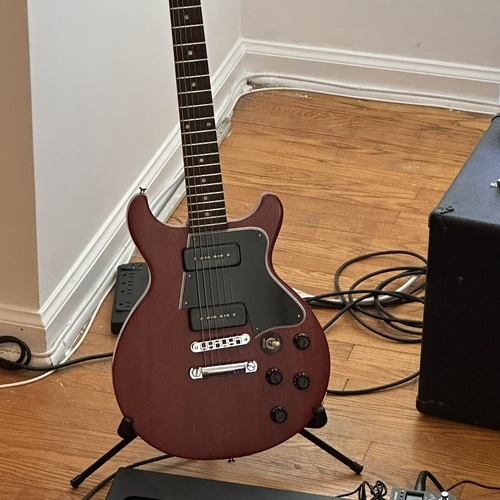

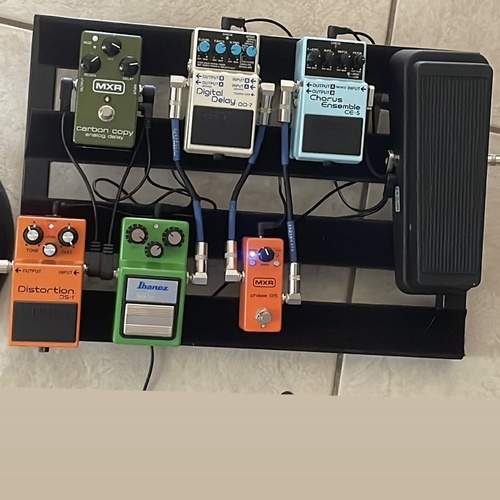
.jpeg?v=1709800810)
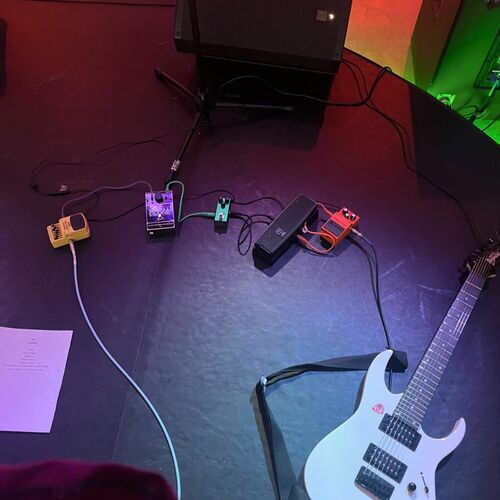




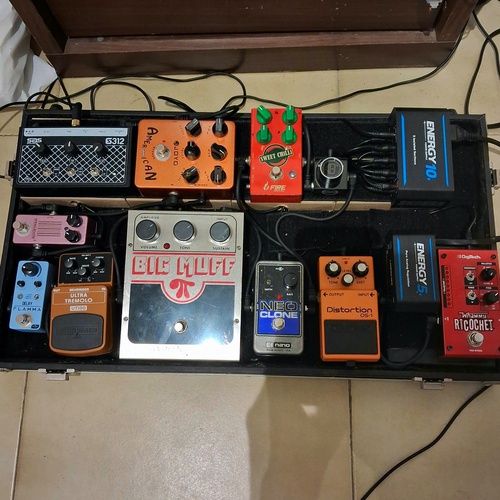


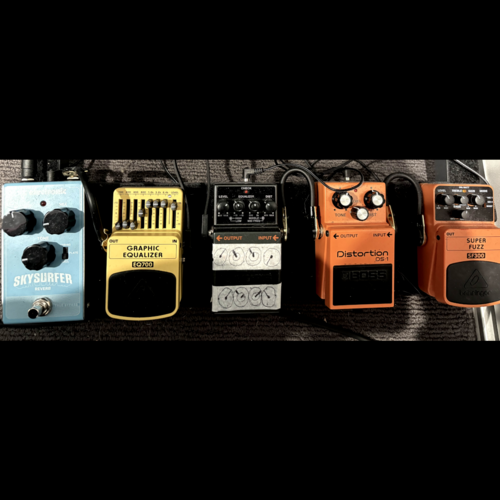
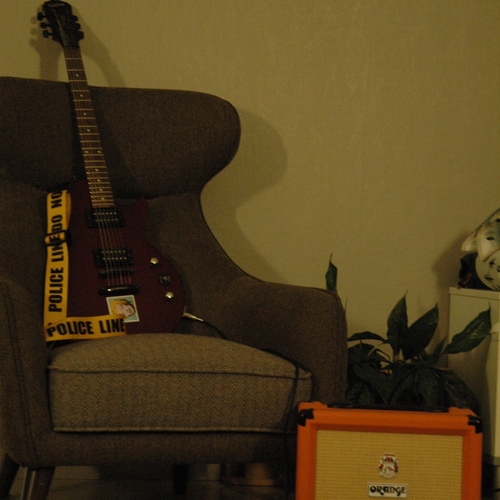

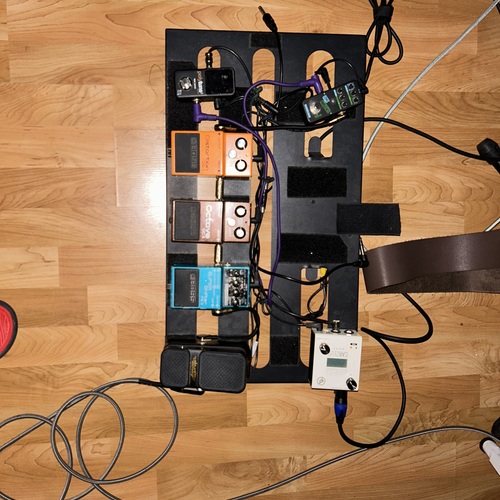
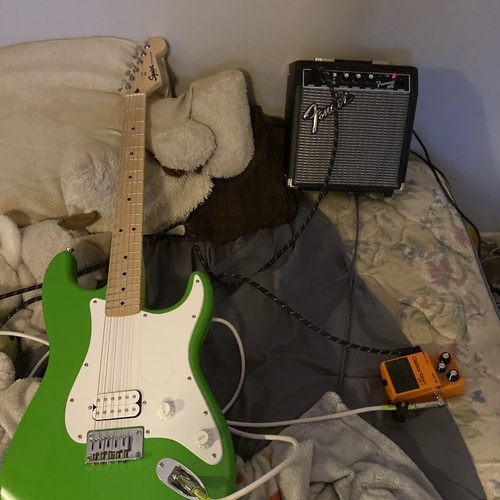

.png?v=1779391994)
.png?v=1779237916)


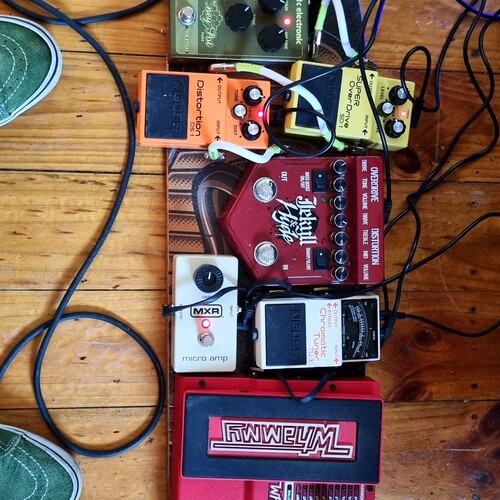


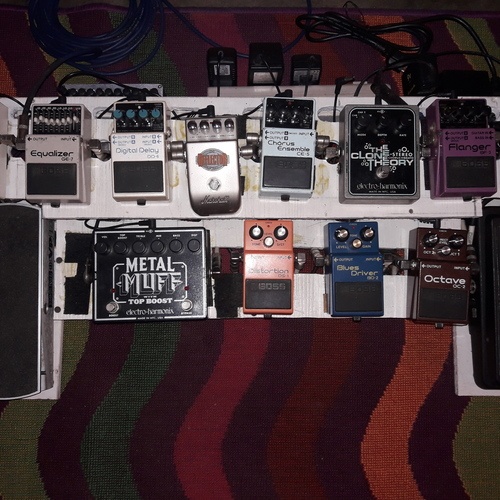

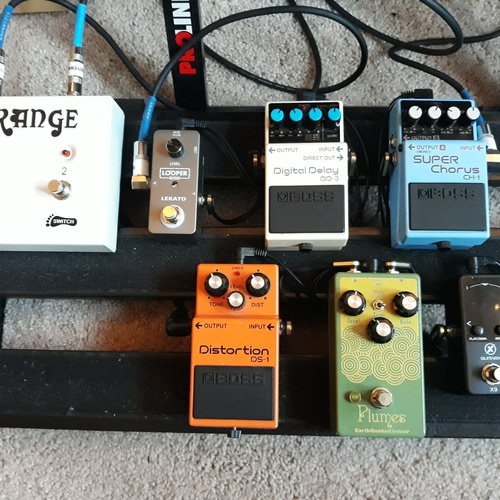
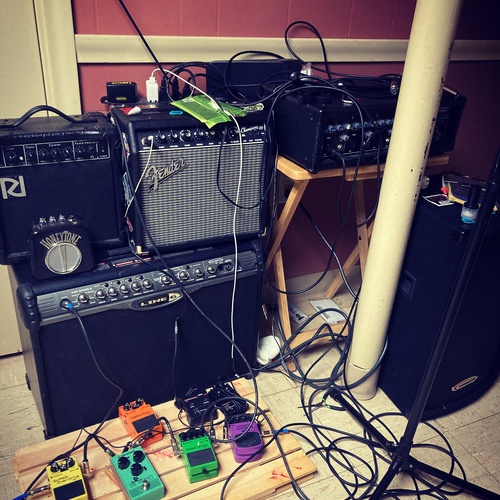


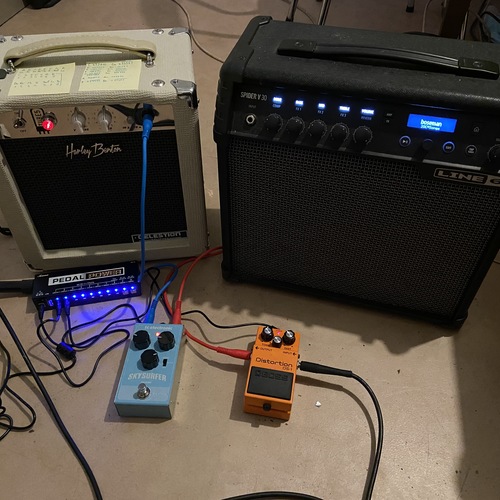

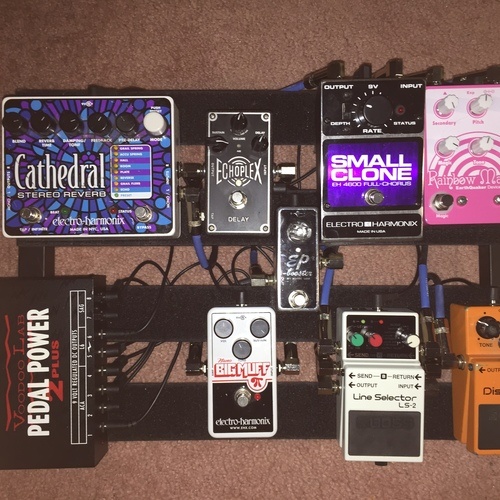
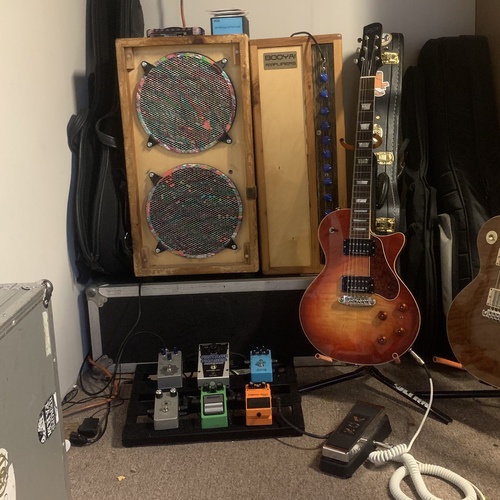


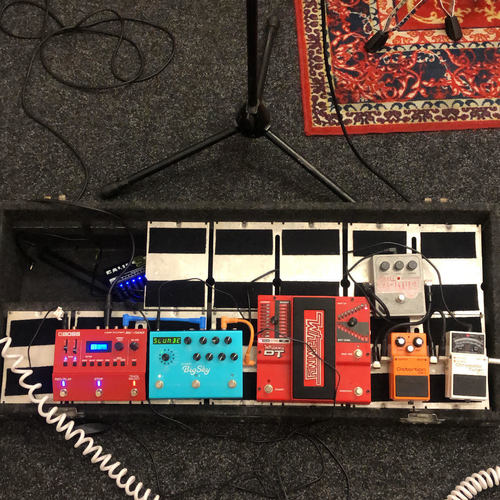










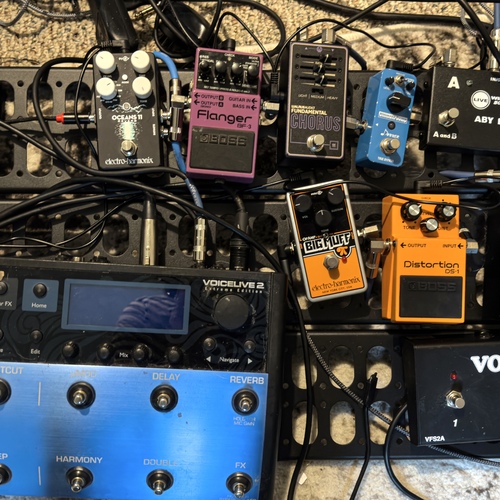
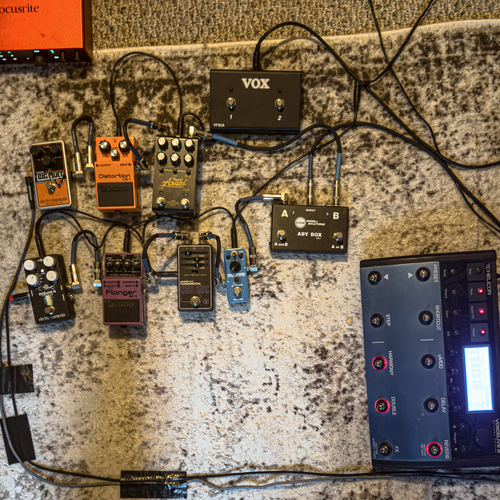


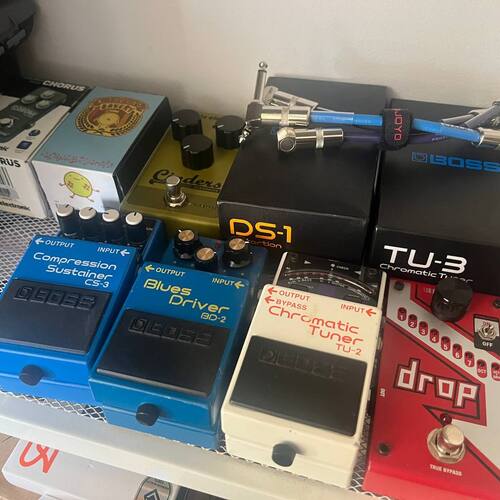
.jpg?v=1753036878)
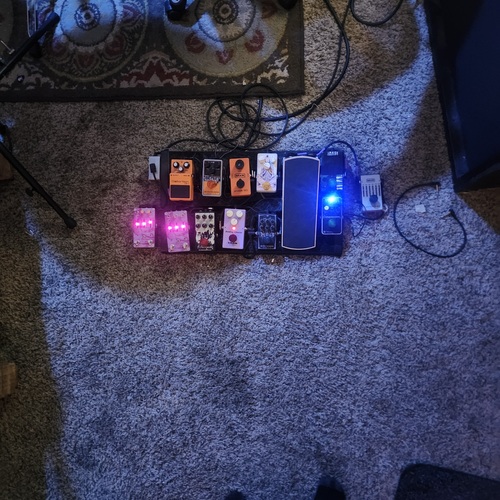
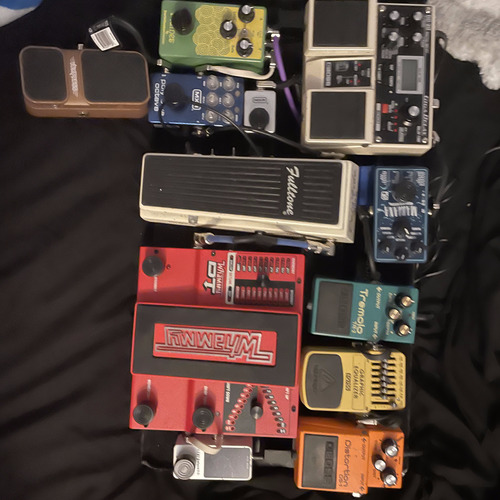
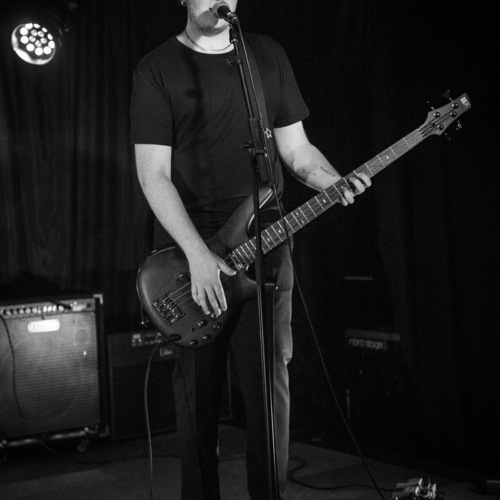

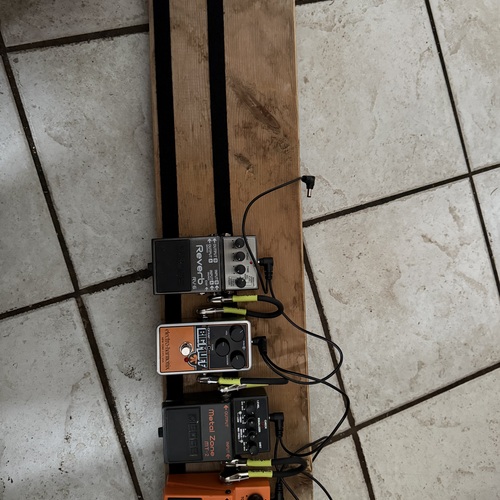









Similar
Add recommendation27 alternative and related items for Boss DS-1 Distortion, curated by the Equipboard community.
-m.webp?v=1783436379)
$89.00
A distortion modeler pedal, that emulates the Boss DS-1 on mode 3.

$48.87 - $59.00
An ultra affordable clone of the DS-1, with stock, ultra, and seeing eye mods.
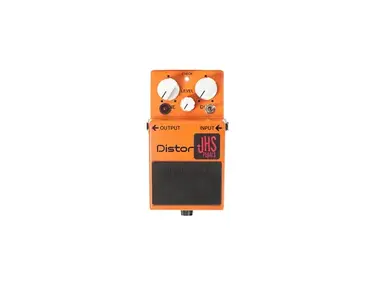
$180.00
A now discontinued mod for the DS-1, that adds seeing eye LED clipping, and a three way gain switch.

Based on a DIY mod for the DS-1, featuring a 'seeing eye' LED, three way gain switch, and switches on the sides for an unusual synth like effect.

$19.99 - $39.99
Based on the DS-1, as noted by JHS Pedals: https://thejhsshow.com/articles/do-these-50-caline-pedals-sound-good
Next up is a distortion pedal, which is clearly a tribute to a very famous late-seventies distortion pedal: The BOSS DS-1 Distortion. It's a simple black design with three knobs: tone, level and dist. Full disclosure: when you dime the tone control, it basically kills you. Like, your skin literally falls off and you can't breathe. But if you turn it up, it stays smooth. It's not harsh or brittle. Just do that, and you’ll be fine.

A rare, made in Japan clone of the DS-1, with very little circuit deviation.
More Boss Distortion Effects Pedals

$77.00 - $109.99
in Distortion Effects Pedals Rank


-m.webp?v=1783436372)
$109.00
in Distortion Effects Pedals Rank


$96.77 - $119.00
in Distortion Effects Pedals Rank


$93.60 - $120.99
in Distortion Effects Pedals Rank


$85.00 - $120.99
in Distortion Effects Pedals Rank


-m.webp?v=1783436263)
$178.87
in Distortion Effects Pedals Rank


$78.00 - $122.75
in Distortion Effects Pedals Rank


$146.87 - $164.99
in Distortion Effects Pedals Rank
.jpg?v=1783214872)


$92.80 - $131.99
in Distortion Effects Pedals Rank


-m.webp?v=1783263567)
$150.00
in Distortion Effects Pedals Rank


$139.50 - $164.99
in Distortion Effects Pedals Rank


$135.01 - $164.99
in Distortion Effects Pedals Rank


$133.94
in Distortion Effects Pedals Rank


$289.00
in Distortion Effects Pedals Rank


$69.77
in Distortion Effects Pedals Rank


$102.09
in Distortion Effects Pedals Rank


$99.99 - $164.99


-m.webp?v=1783436201)
$79.00 - $89.00
in Distortion Effects Pedals Rank


-m.webp?v=1783436313)
$139.00 - $159.99
in Distortion Effects Pedals Rank


-m.webp?v=1783422128)
$219.00 - $257.00
in Distortion Effects Pedals Rank


$129.00 - $152.00
in Distortion Effects Pedals Rank


.jpg?v=1783265553)

$206.65 - $259.00
in Distortion Effects Pedals Rank


$41.00 - $62.90
in Distortion Effects Pedals Rank


$73.44
in Distortion Effects Pedals Rank


$212.24 - $249.00
in Distortion Effects Pedals Rank


-m.webp?v=1783436208)
$77.86 - $99.99
in Distortion Effects Pedals Rank


$280.00
in Distortion Effects Pedals Rank


$99.00 - $139.99
in Distortion Effects Pedals Rank


$96.19 - $125.99
in Distortion Effects Pedals Rank


$122.00 - $199.99
in Distortion Effects Pedals Rank
Accessories & Related Items


-s.webp?v=1783402503)


-s.webp?v=1783422084)

-s.webp?v=1783402618)


Gear Guides
.jpg)





Most Popular Distortion Effects Pedals
Most Popular Brands
-
Added to Equipboard on by
equipboardGear IQ 4934
-


